Anterior and Posterior Chains

Understanding the Anterior and Posterior Chains

In the world of fitness, understanding the concepts of the anterior and posterior chains is essential for achieving balanced strength and improving overall performance.

What Are the Anterior and Posterior Chains?

The anterior chain refers to the muscles located at the front of the body. This includes the chest, abdominals, quads, and hip flexors. These muscles are primarily involved in pushing movements and activities that require flexion.

On the other hand, the posterior chain encompasses the muscles at the back of the body, such as the hamstrings, glutes, lower back, and traps. This chain plays a critical role in pulling movements and extension activities, contributing significantly to posture and athletic performance.

Importance of Balance

Balancing the strength and development of these two chains is crucial. Focusing too much on the anterior chain may lead to muscle imbalances, increased injury risk, and poor posture. Conversely, neglecting the anterior muscles can result in weakened functional movements and reduced athletic capability. The same is true for the posterior chain as well.

Conclusion

Incorporating exercises that target both chains in your workout routine, such as squats, deadlifts, bench presses, and bent over rows can promote a more comprehensive strength training regimen. Strive for an equal balance, and your body will thank you with enhanced performance and reduced risk of injury.

Here is a different way to hit the anterior and posterior chains of the core. The superman to forearm plank combines two core exercises into one.

NBHWC Professional Guidelines

The National Board for Health & Wellness Coaching (NBHWC) has established a comprehensive set of professional guidelines that serve as the foundation for ethical practice within the wellness coaching profession. Adhering to these guidelines is vital for maintaining professionalism and ensuring the highest standard of care for clients. Here’s a closer look at these essential guidelines.

Core Competencies

The NBHWC outlines specific competencies that every health and wellness coach should possess. These include:

  1. Understanding Client-Centered Practices: Coaches should focus on creating a supportive environment that encourages clients to set and achieve their personal health goals.
  2. Communication Skills: Effective verbal and non-verbal communication skills are crucial. Coaches must be able to listen actively and provide clear, supportive feedback.
  3. Assessment and Planning: Coaches should be skilled in evaluating client needs and developing tailored plans that address their individual health and wellness journey.
  4. Ethical Practice: Adherence to ethical standards is paramount. This includes maintaining client confidentiality, obtaining informed consent, and ensuring non-discrimination.

Ethical Considerations

The NBHWC emphasizes the importance of ethics in coaching practice. This involves:

  • Integrity: Coaches should act honestly and responsibly towards clients, ensuring the trust necessary for a successful coaching relationship.
  • Professional Development: Continuing education is encouraged to keep coaches updated on best practices, new research, and relevant methodologies in health and wellness.
  • Boundaries: Establishing and maintaining clear boundaries is essential to protect both the coach and the client.

Enhanced Client Relationships

Following the NBHWC guidelines fosters improved relationships between coaches and clients. By implementing:

  • Empathy: Understanding clients’ struggles and being supportive contributes to stronger connections.
  • Accountability Measures: Establishing check-in points holds both the coach and client responsible for the progress made.
  • Celebrating Success: Recognizing and celebrating achievements, no matter how small, motivates clients to continue striving toward their goals.

Conclusion

The NBHWC Professional Guidelines are designed to create a framework for effective, ethical, and client-centered wellness coaching. By adhering to these principles, coaches not only enhance their professional practice but also contribute to positive outcomes in their clients’ health and wellness journeys. As the field of health coaching evolves, these guidelines will continue to provide important direction for coaches aiming to make a meaningful impact.

For more information, you can visit the NBHWC website and explore their resources.

Deep Frontal Line (DFL)

What is the Deep Frontal Line?

The deep frontal line is one of the key fascial lines identified by Thomas W. Myers in his influential book, “Anatomy Trains.” This line runs vertically through the body’s core, linking the deep muscles of the trunk and pelvis to the shoulder region. It is primarily associated with the muscles of the abdomen, diaphragm, and the pelvic floor, illustrating a complex web of connections that underlie our posture and movement patterns.

Anatomical Components

The deep frontal line comprises several key structures, including:

  • Diaphragm: This dome-shaped muscle plays a critical role in respiration and is linked to pelvic stability.
  • Transverse Abdominis: Often referred to as the body’s natural weight belt, this muscle provides vital support for the spine and pelvis.
  • Pelvic Floor Muscles: These muscles support the pelvic organs and are crucial for maintaining core stability.
  • Sternum and Ribs: The connection to the upper body allows for coordinated movements between the torso and limbs.

Functionality and Movement

Understanding the deep frontal line is essential for recognizing how tension and dysfunction in this area can affect overall movement. Myers emphasizes that balanced tension within this line can lead to improved postural alignment, core stability, and efficient movement patterns. Conversely, restrictions or imbalances may contribute to pain, dysfunction, and a range of musculoskeletal issues.

Clinical Relevance

For professionals in fields such as physical therapy, massage therapy, and movement education, the deep frontal line can serve as a valuable framework for assessing and addressing client needs. Techniques that enhance awareness and movement along this line—such as specific stretches, strength exercises, and integrative bodywork—can promote health and longevity in the body’s movements.

Conclusion

Thomas W. Myers’ exploration of the deep frontal line provides invaluable insights into the interconnectedness of our anatomy. By understanding and addressing this fascial line, we can enhance not only our physical performance but also our overall well-being.

Simple Variation on the Bird Dog

With this version of the bird dog, instead of starting in quadruped position before extending the contralateral arm and leg. The Lateral Leg Bird Dog starts with one leg lateral to the body, one knee under the hip and each hand under each shoulder.

To perform the Lateral Leg Bird Dog, begin by engaging your core to maintain stability. Slowly extend the leg that is lateral to your body, keeping it in line with your hip. At the same time, extend the opposite arm forward, ensuring that both remain parallel to the ground. Hold this position for a moment, focusing on maintaining balance and proper alignment through your spine.

As you return to the starting position, engage your core further to control the movement, avoiding any swinging or jerking motions. Repeat for 1 set of 15 repetitions, then switch sides to ensure balanced strength throughout your body. This variation not only challenges your stability but also targets the medial glutes, hamstrings, and core effectively, making it a great addition to your workout routine. For added difficulty try ankle weights.

Cultural Humility

Embracing Cultural Humility: A Vital Component of NBHWC

Cultural humility is an essential principle recognized by the National Board for Health and Wellness Coaching (NBHWC) that emphasizes an ongoing commitment to self-reflection and personal growth in understanding cultural differences. Unlike cultural competency, which often suggests a mastery of various cultural practices and norms, cultural humility promotes a lifelong journey of learning, where we acknowledge our limitations and remain open to the experiences of others.

In the field of health and wellness coaching, practicing cultural humility is crucial. Coaches must recognize and respect the diverse backgrounds of their clients, understanding that each individual carries their own unique set of beliefs, values, and experiences. This approach not only fosters trust and rapport but also enhances the effectiveness of the coaching relationship.

Moreover, cultural humility encourages coaches to actively engage in conversations about identity, privilege, and systemic issues. By doing so, they can facilitate more meaningful and supportive interactions, ultimately leading to better health outcomes.

In conclusion, by embracing cultural humility, health and wellness coaches can create inclusive spaces that empower clients from all walks of life. This foundational aspect of coaching paves the way for transformative change, making it a core value for those looking to make a positive impact in the world of wellness.

The Coracobrachialis

The Overlooked Muscle in Bicep Tendonitis

When discussing bicep tendonitis, most conversations revolve around the biceps brachii muscle, but there’s another player in the mix that often goes unnoticed: the coracobrachialis. This small but significant muscle, located in the upper arm, plays a crucial role in shoulder and arm mobility.

The coracobrachialis originates from the coracoid process of the scapula and inserts onto the medial side of the humerus. Its primary functions include flexing the arm at the shoulder joint and aiding in adduction. Due to its location and function, issues with the coracobrachialis can contribute to discomfort and pain in the bicep region, especially during overhead activities.

Identifying problems with the coracobrachialis is essential for those experiencing bicep tendonitis. Treatment may involve targeted massage, stretching, strengthening, or a combination of all three focused on this muscle to alleviate tension and promote better overall shoulder mechanics. By acknowledging the coracobrachialis, individuals can take a more holistic approach to recovery, ensuring that all potential contributing factors to bicep tendonitis are addressed.

In conclusion, while the biceps brachii tends to grab the spotlight, the coracobrachialis deserves attention as well. Understanding its role can lead to more effective treatment strategies and a quicker return to your favorite activities.

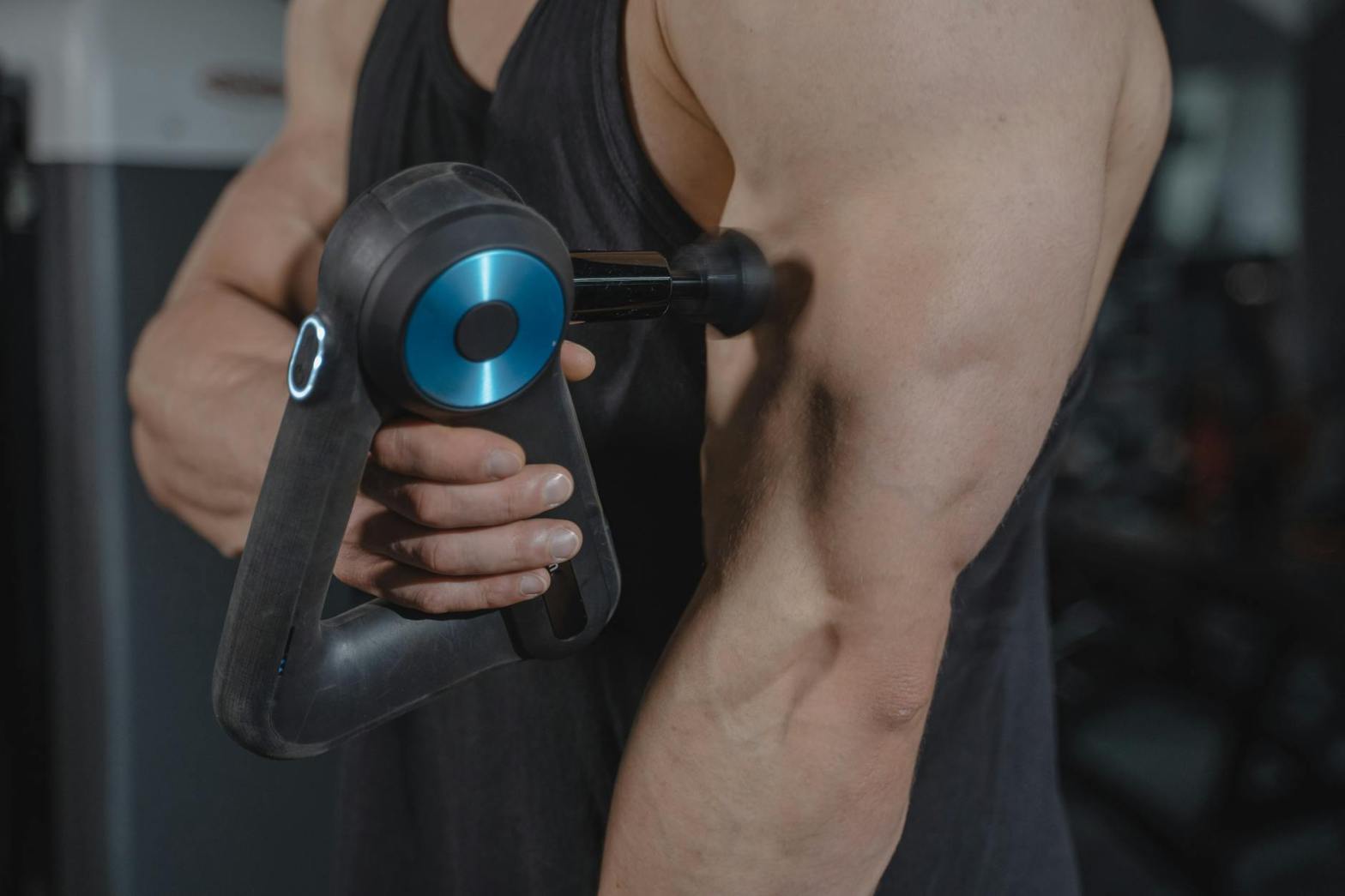
Photo by Ketut Subiyanto on Pexels.com

A Nice Twist on an Old Variation

Planks with a Twist

When it comes to core workouts, the plank is a classic exercise known for its effectiveness in building strength and stability. However, if you’re looking to spice up your routine and challenge your muscles in new ways, it’s time to introduce some variations. Enter the “Plank Twist”—a creative twist on the traditional plank that not only engages your core but also improves your balance and flexibility.

How to Do It

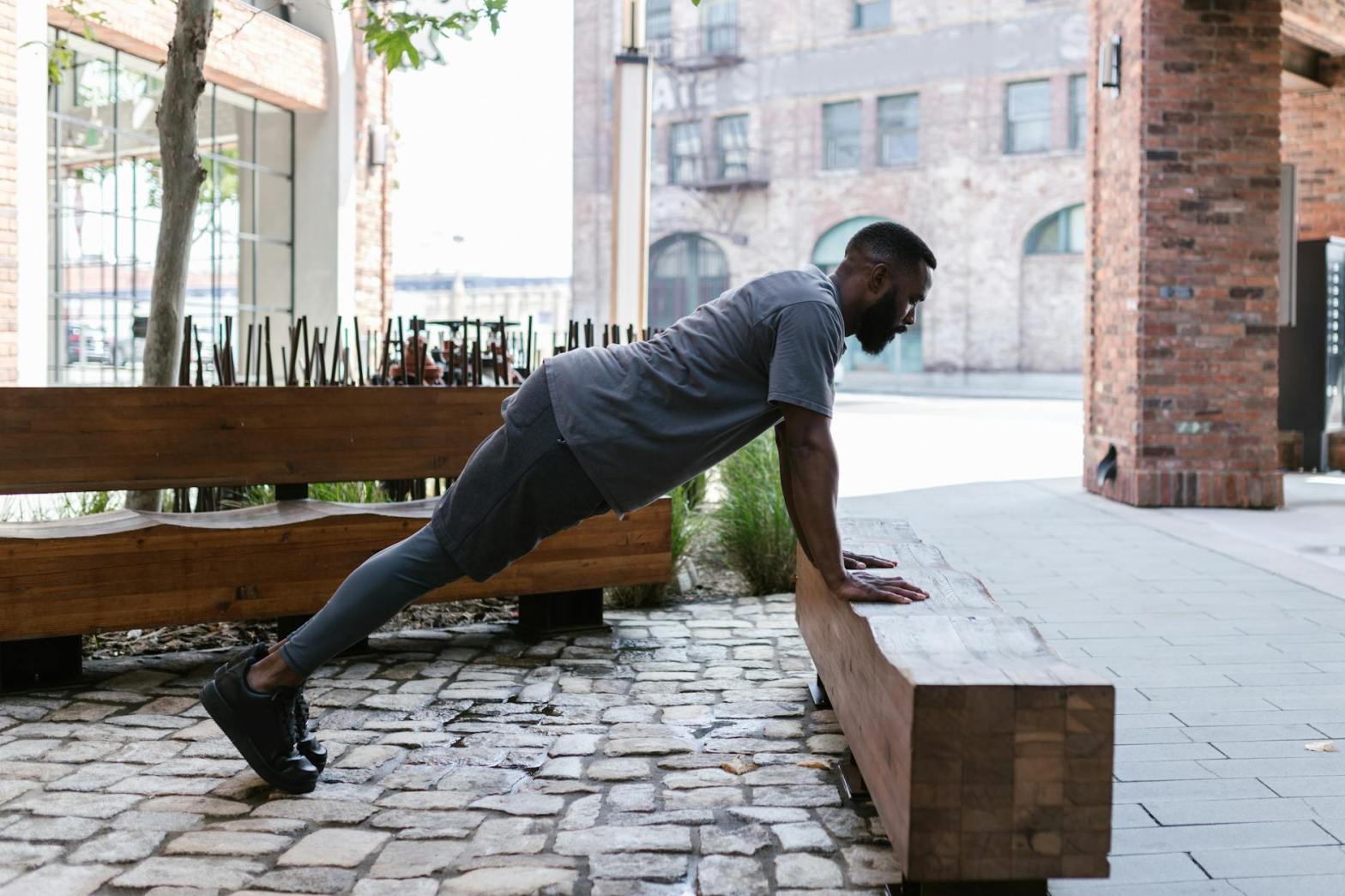
  1. Start in Plank Position: Begin by positioning yourself in a standard plank, with your hands on the ground, directly beneath your shoulders, and your body in a straight line from head to heels.
  2. Add the Twist: Slowly twist your hips to one side while allowing your feet to pivot slightly. Hold this position for a moment before returning to the center.
  3. Unilateral Sides: Next, stay on the same side. Continue on the same side for a set duration, preferably for 30 seconds to a minute, then switch sides.

Benefits

The Plank Twist enhances traditional core strengthening by introducing rotational movements. This variation not only works the abdominals but also recruits the obliques, promoting a more well-rounded core workout. Moreover, the added movement can improve your overall stability and reduce the risk of injury.

Incorporating the Plank Twist into your fitness routine is an excellent way to keep your workouts fresh and your body challenged. So why not give it a try and feel the difference in your core strength?

Got Ethics?

Understanding NBHWC Ethics Guidelines

The National Board for Health & Wellness Coaching (NBHWC) establishes comprehensive ethics guidelines to ensure the highest professional standards for health and wellness coaches. These guidelines are designed to promote integrity, safety, and respect in coaching relationships, ultimately fostering a supportive environment for clients. Below, we explore key aspects of these ethical guidelines.

Core Principles

Competence

Coaches should maintain and enhance their professional knowledge and skills. This includes engaging in ongoing education and supervision to stay updated on best practices in health and wellness coaching.

Confidentiality

Respecting client confidentiality is paramount. Coaches are obligated to protect the privacy of their clients and only disclose information with the client’s informed consent, except when required by law.

Integrity

Coaches must demonstrate honesty and integrity in their professional relationships. This includes being transparent about their qualifications, services, and coaching process.

Respect

Coaches are expected to treat their clients with respect, honoring their individuality and autonomy. This principle promotes a nonjudgmental environment conducive to personal growth.

Ethical Responsibilities

Professional Boundaries

Maintaining professional boundaries is crucial in the coaching relationship. Coaches should avoid dual relationships and conflicts of interest to ensure that the coaching process remains focused on the client’s well-being.

Informed Consent

Clients should be informed about the coaching process, including the scope of the coach’s competencies, the methods used, and the potential risks involved. This ensures that clients can make educated decisions about their engagement in the coaching process.

Cultural Competence

Coaches should acknowledge and respect the diversity of their clients’ backgrounds and experiences. This includes understanding cultural, social, and individual factors that may impact the coaching relationship.

Accountability

Coaches are accountable for their actions and decisions. They should recognize when a situation exceeds their expertise and seek appropriate referrals or collaborations when necessary.

Implementation of Ethics Guidelines

To effectively implement these guidelines, the NBHWC encourages coaches to:

  • Engage in continuous professional development and training.
  • Participate in supervision or peer support groups.
  • Reflect on their own practices and seek feedback to promote growth.
  • Familiarize themselves regularly with the guidelines and adjust their practices as necessary to maintain compliance.

Conclusion

Adhering to the NBHWC ethics guidelines is essential for fostering trust, respect, and professionalism in the health and wellness coaching field. By embracing these principles, coaches not only safeguard their clients but also enhance the credibility and integrity of the coaching profession as a whole. For those looking to pursue a career in health and wellness coaching, understanding and integrating these ethical guidelines is a fundamental step toward success!

Is it tight shoulders or is it loose shoulder blades?

Photo by RDNE Stock project on Pexels.com

A Clinical Orthopedic Manual Therapy Perspective

Understanding shoulder mechanics is crucial for effective treatment and prevention of shoulder pain. When assessing shoulder issues, two common terms you’ll encounter are “tight shoulders” and “loose shoulder blades.” However, differentiating between these conditions can be essential for both diagnosis and therapy.

Tight Shoulders: Signs and Symptoms

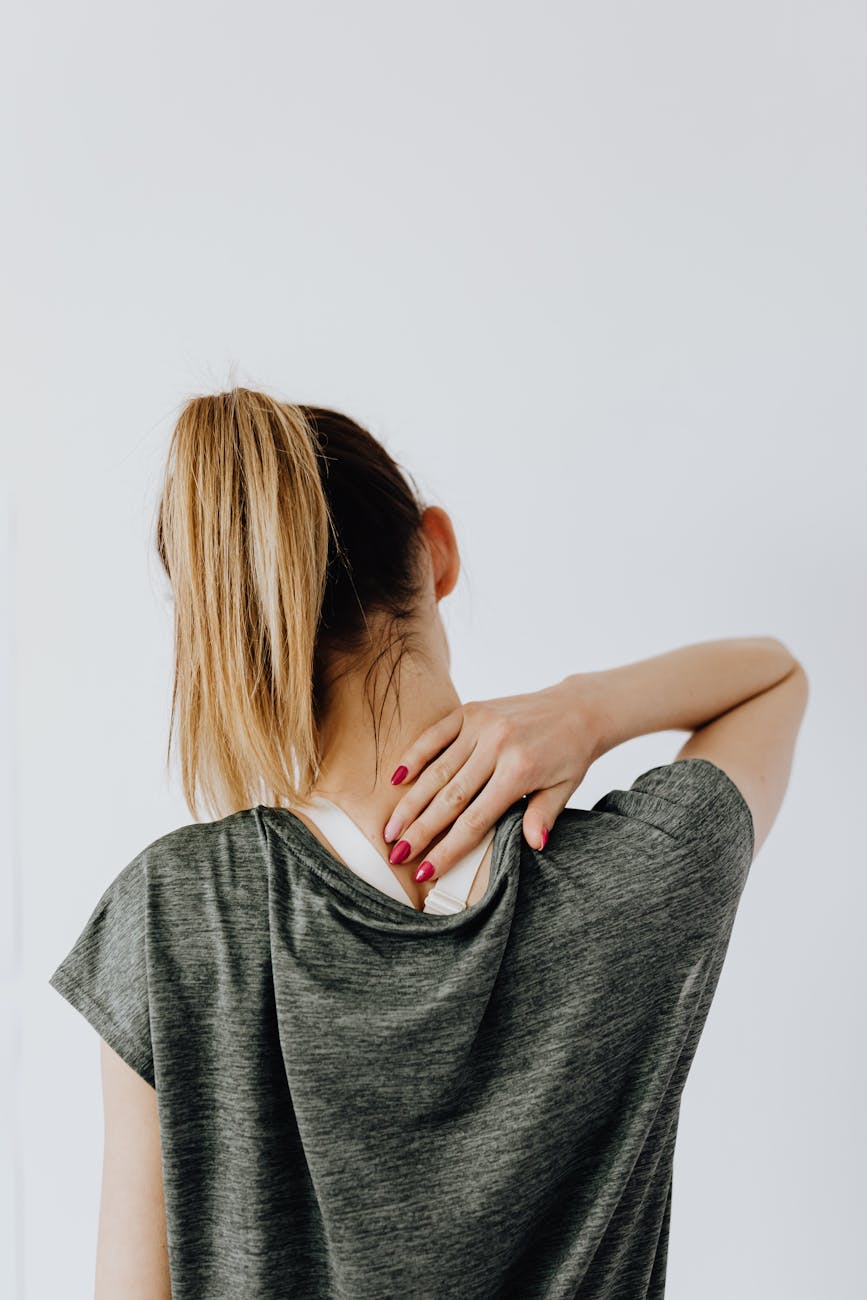
Tight shoulders often refer to tension and stiffness in the muscles surrounding the shoulder joint, particularly the upper trapezius, levator scapulae, and pectoral muscles. Common symptoms of tight shoulders include:

  • Limited Range of Motion: Difficulty in raising the arm or reaching overhead.
  • Pain and Discomfort: Localized pain in the shoulder area and potentially radiating to the neck or upper back.
  • Tension Headaches: Often a result of muscular tension leading to nerve irritation.

Causes of Tight Shoulders

  • Poor Posture: Prolonged sitting or slouching can lead to muscle imbalances.
  • Repetitive Activities: Jobs that require overhead work or consistent computer use can exacerbate tension.
  • Stress: Psychological stress can manifest physically, leading to muscle tightness.

Loose Shoulder Blades: Signs and Symptoms

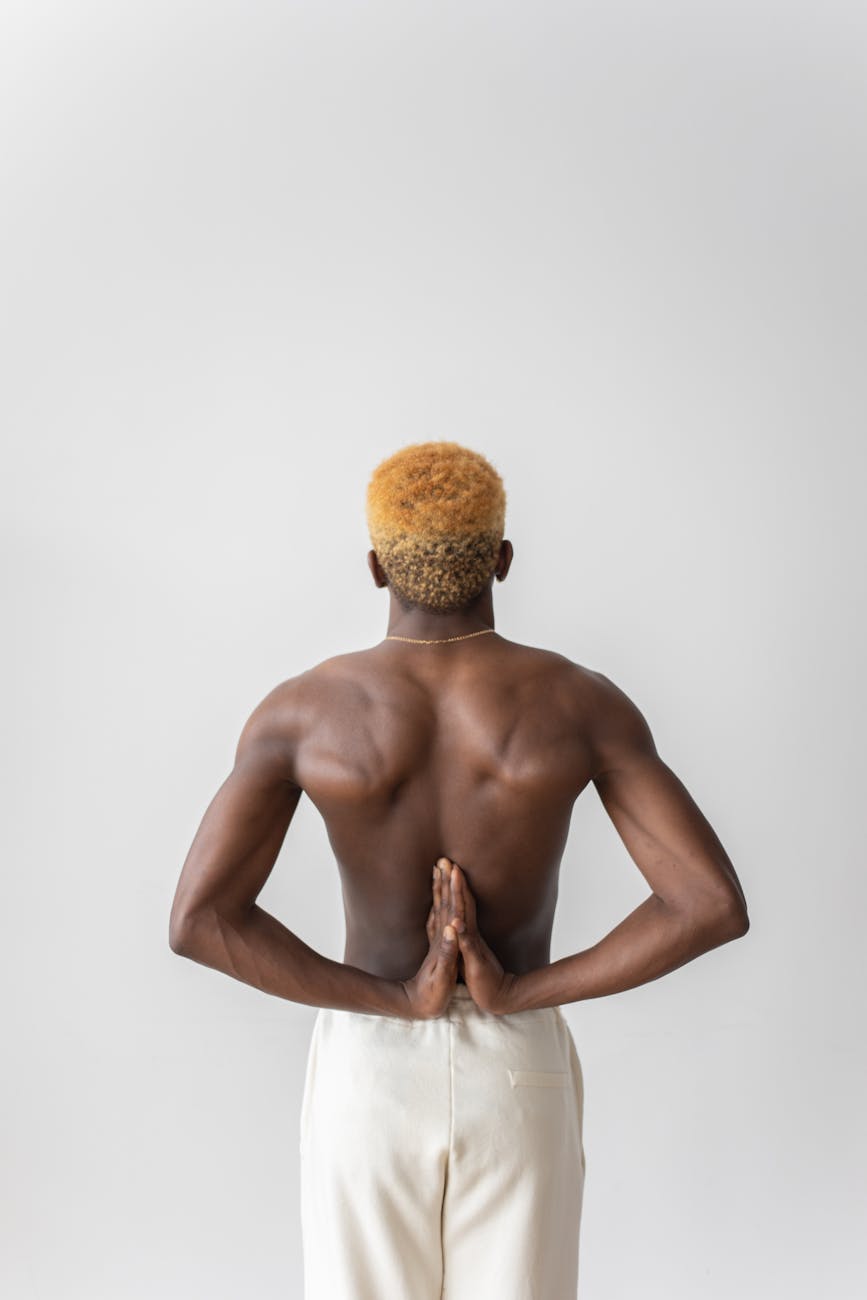
On the other hand, “loose shoulder blades” typically refers to an improper positioning or instability of the scapulae (shoulder blades). This condition can lead to a lack of control during arm movements. Symptoms associated with loose shoulder blades include:

  • Scapular Winging: The shoulder blade protrudes excessively from the back, often visible during arm movements.
  • Instability: A sensation of the shoulder feeling “loose” or unstable, especially during overhead activities.
  • Pain During Movement: Discomfort that arises with specific movements, particularly if the scapula fails to stabilize the shoulder joint.

Causes of Loose Shoulder Blades

  • Weak Musculature: Insufficient strength in the muscles that support the scapula, such as the serratus anterior and lower trapezius.
  • Injury or Trauma: Past injuries affecting the shoulder joint or muscles may lead to instability.
  • Neuromuscular Conditions: Certain conditions can disrupt the coordinated activity necessary for scapular stabilization.

Clinical Orthopedic Manual Therapy Approach

From a clinical orthopedic manual therapy perspective, treatment strategies must consider whether the issue is related to tight shoulders or loose shoulder blades. Techniques may include:

  • Assessment: Comprehensive evaluations of shoulder mobility, strength, and posture to identify the root cause of symptoms.
  • Manual Therapy Techniques: Soft tissue mobilization, joint manipulation, and specific exercises tailored to target tight muscles or strengthen loose scapular stabilizers.
  • Exercise Rehabilitation: Customized programs that improve strength, flexibility, and coordination of the shoulder complex.

In conclusion, addressing whether the problem is tight shoulders or loose shoulder blades is vital for effective treatment planning. A thorough understanding of these two conditions allows clinicians to implement appropriate interventions, ultimately leading to improved shoulder function and a better quality of life for patients.

Photo by RDNE Stock project on Pexels.com

Knee Pain? Lateral Movement in the Human Body

Lateral movement is an essential aspect of human mobility, playing a crucial role in various physical activities and sports. This type of movement involves shifting side to side, which engages multiple muscle groups, including the hip abductors, adductors, and core stabilizers.

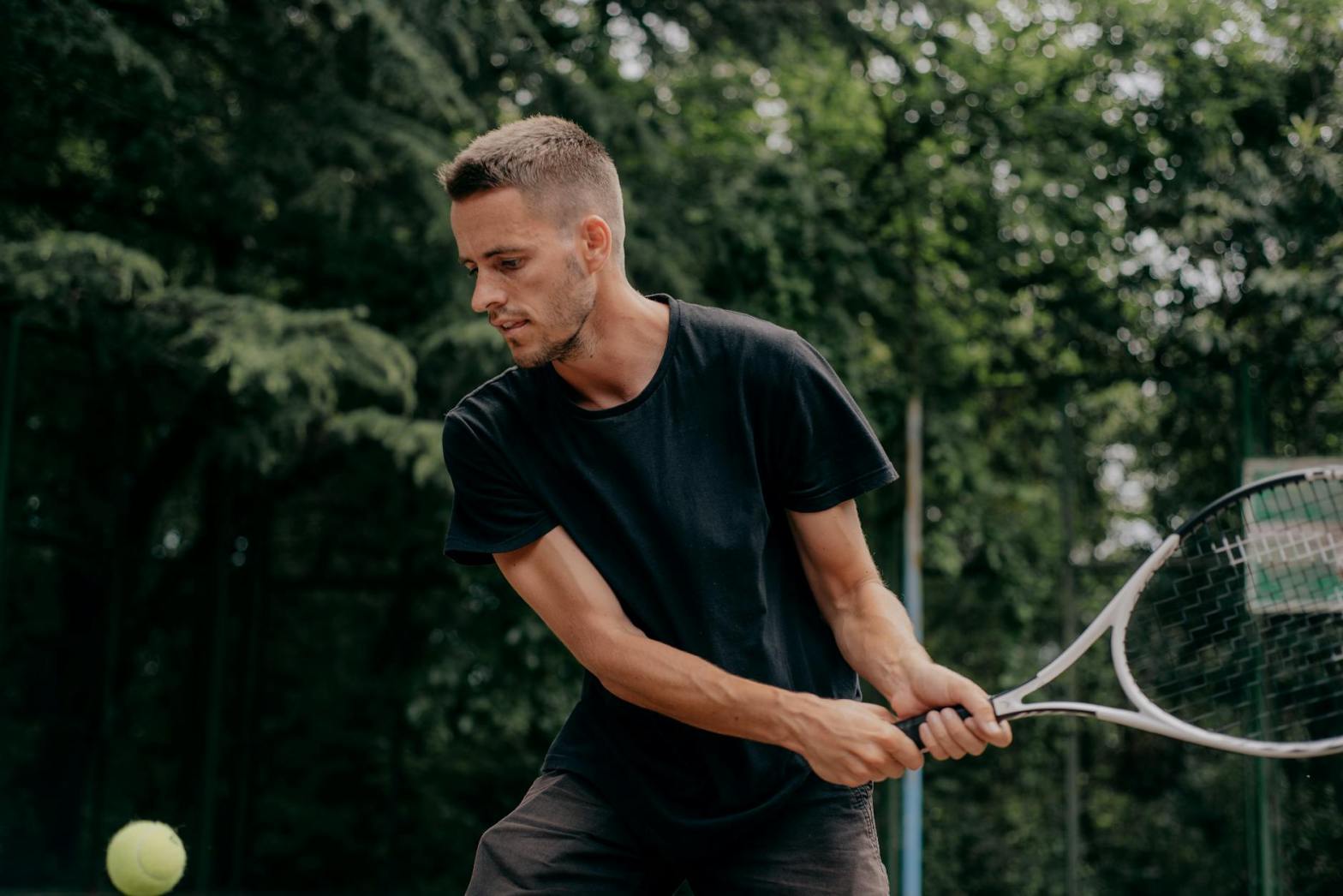
In daily life, lateral movement is necessary for activities such as walking, running, or even simple tasks like navigating through a crowded space. Athletes particularly benefit from lateral motion, as it enhances agility, balance, and coordination—key factors in sports like basketball, soccer, and tennis.

To improve lateral movement, various exercises can be incorporated into a fitness routine. Lateral lunges, side shuffles, and agility drills are effective ways to increase strength and flexibility in the muscles involved. Moreover, incorporating these movements can help prevent injuries by developing a balanced musculature and improving overall body awareness.

Understanding the importance of lateral movement is vital for anyone looking to enhance their physical performance or simply maintain a healthy lifestyle. By focusing on this often-overlooked aspect of fitness, we can cultivate a more resilient and versatile body.