https://www.facebook.com/events/301326133670771/
Click the link to find out more.

Train for Fitness and Shape your Life!
https://www.facebook.com/events/301326133670771/
Click the link to find out more.
In recent years, consumers have become increasingly aware of the impact of pesticides on health and the environment. The Environmental Working Group (EWG) has been at the forefront of educating the public about food safety, particularly regarding pesticide residues on fruits and vegetables. Their annual “Shopper’s Guide to Pesticides in Produce” provides a comprehensive list that helps shoppers make informed choices.
The EWG’s Shopper’s Guide ranks produce based on pesticide residue data from the United States Department of Agriculture (USDA) and the Food and Drug Administration (FDA). Each year, the organization analyzes these residues and compiles a list of the “Dirty Dozen”—the fruits and vegetables most likely to contain pesticide residues—and the “Clean Fifteen,” which are those least likely to carry pesticide contamination. This guide is crucial for consumers who wish to minimize their exposure to harmful chemicals.
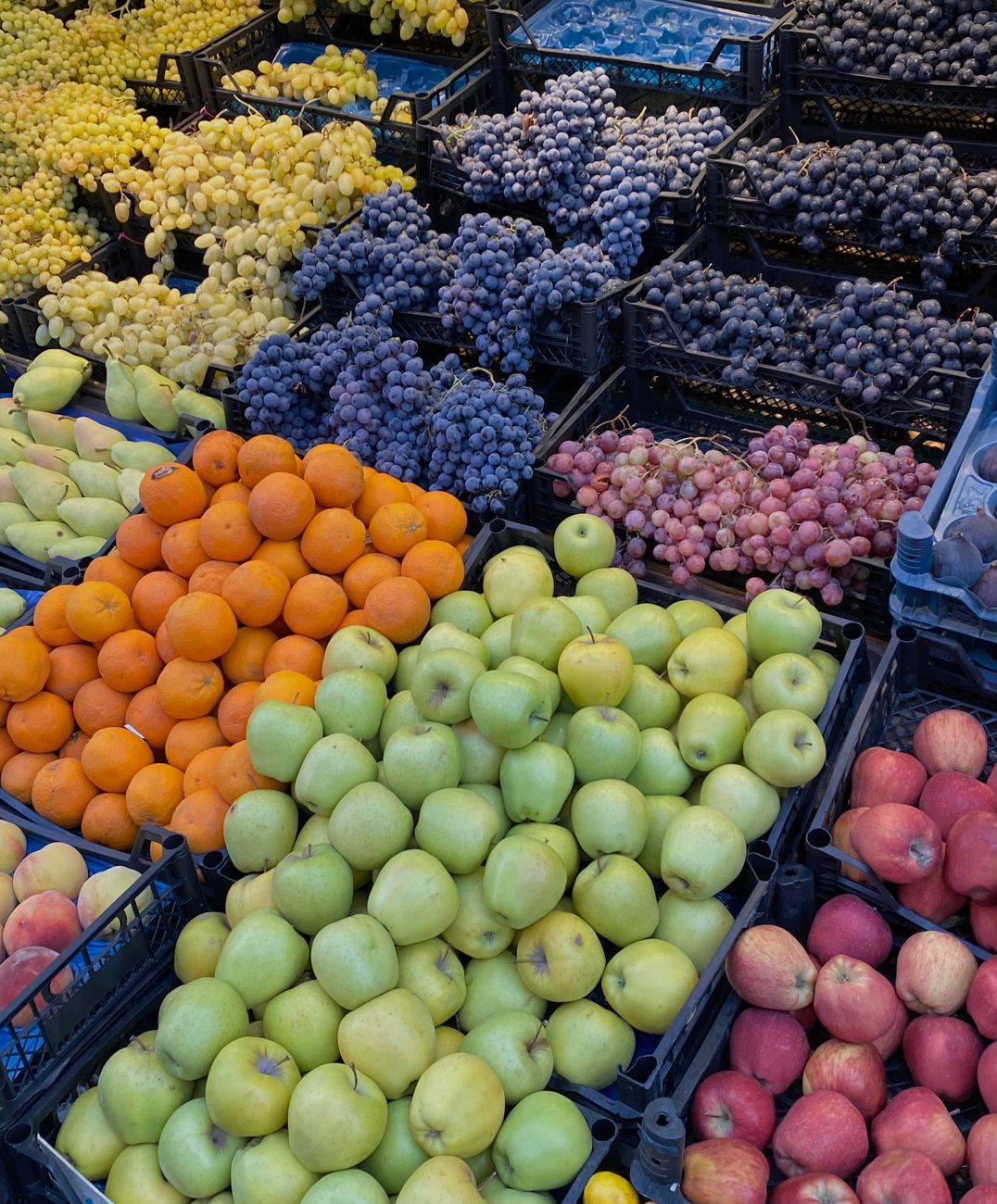
The most contaminated by pesticides:
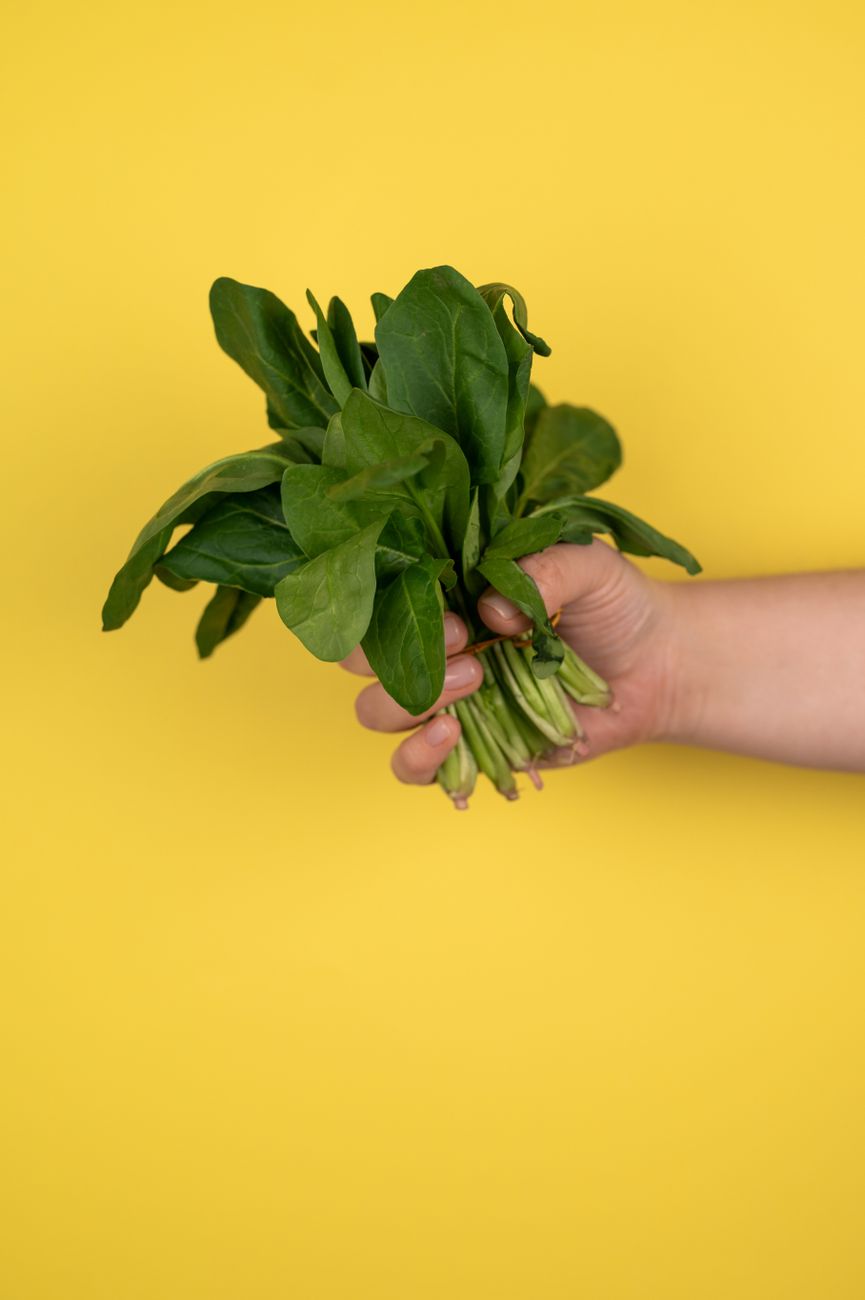
Please check them out here because they change: EWG’s Shopper’s Guide to Pesticides in Produce | Full List
These fruits and veggies fall into either the dirty dozen or the clean fifteen:
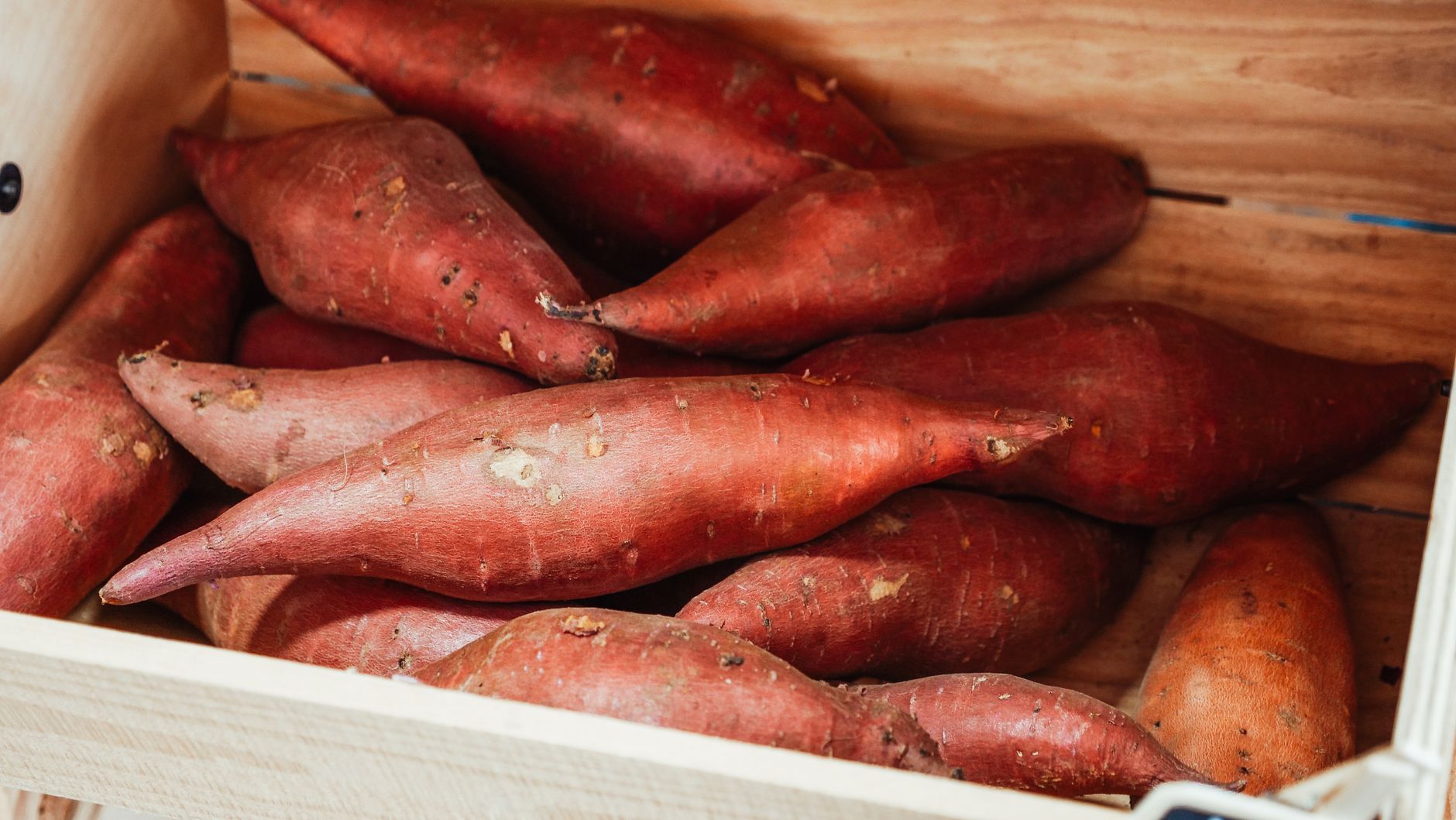
Please check them out at their website because they change: EWG’s Shopper’s Guide to Pesticides in Produce | Full List
While the Dirty Dozen list highlights the produce you might consider buying organic, the Clean Fifteen offers alternatives that typically carry fewer pesticides:
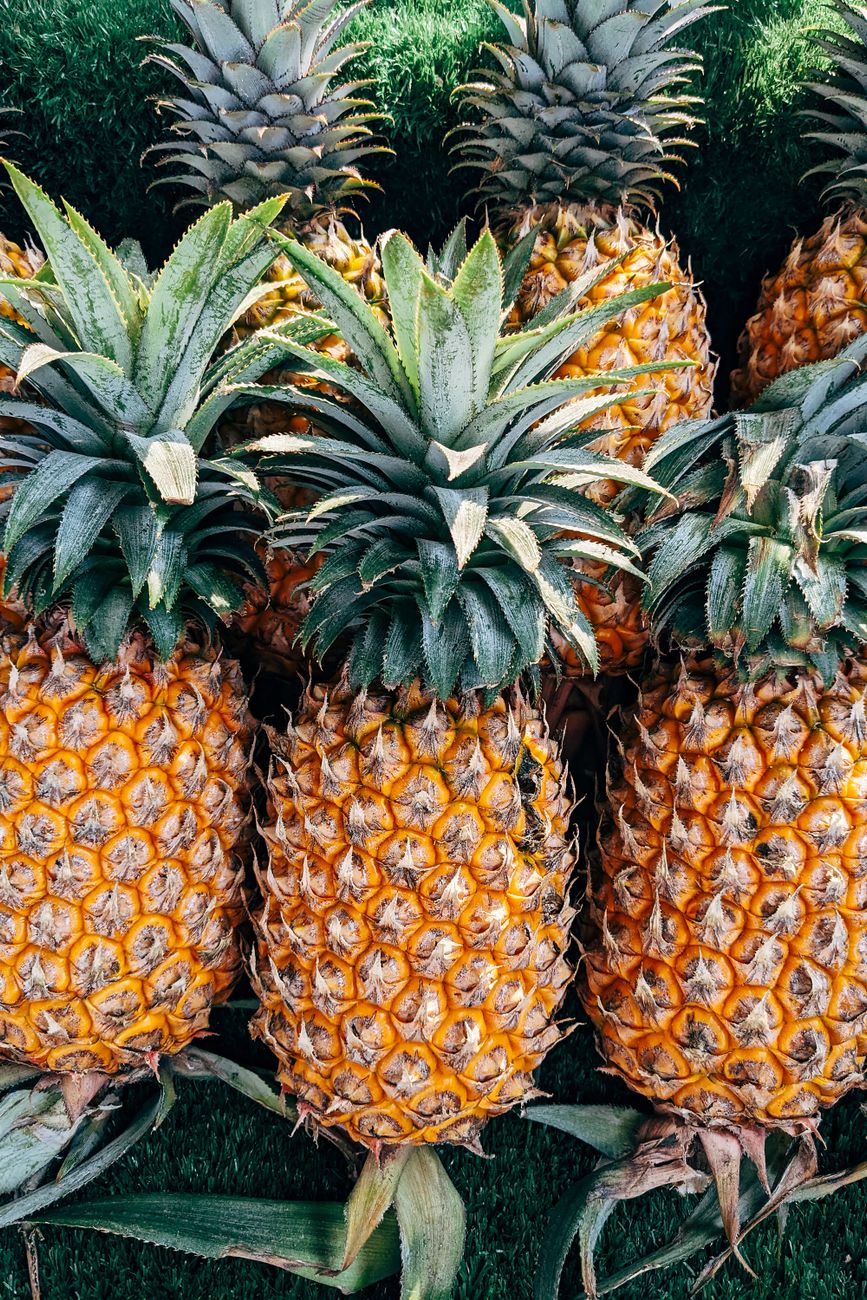
Please check them out here because they change: EWG’s Shopper’s Guide to Pesticides in Produce | Full List
The EWG’s Shopper’s Guide to Pesticides in Produce serves as a valuable resource for consumers aiming to make healthier food choices. By being aware of which fruits and vegetables have higher pesticide residues, shoppers can opt for organic options when necessary, ensuring their families enjoy fresh produce while minimizing pesticide exposure. Whether you’re building a weekly grocery list or planning your meals, refer to this guide to make informed choices about your fruits and vegetables. Remember, knowing what’s on your plate is a crucial step towards a healthier lifestyle!
Though it’s an emerging field, proponents of anti-inflammatory diets point to growing evidence that foods like vegetables and fish can ease an overactive immune system. Check it out the article here:
http://articles.latimes.com/2009/aug/17/health/he-anti-inflammation17
Inspiration always comes from the bold and the daring. Why? Because they dream of things that others find impossible, wrong or downright silly.
They are fearless of being depicted as failures, of being ridiculed, of being rejected, of being embarrassed, or being played for a fool.
(Fame to Claim: http://ow.ly/KHMj30bUU78)