
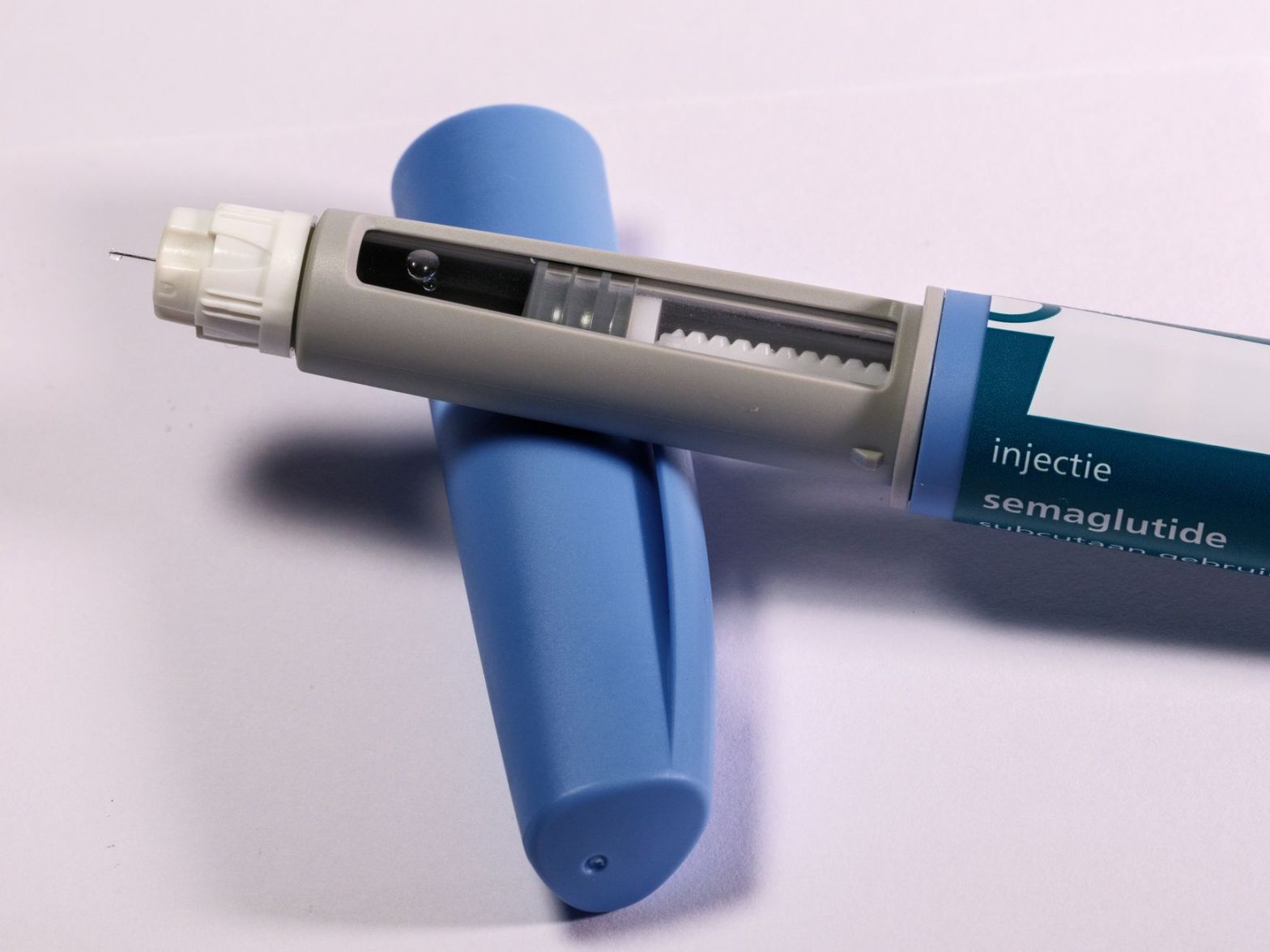
What to Know About Glucagon-Like Peptide 1 (GLP-1) and Muscle Mass.
Today I watched a lecture on GLP-1, by Becky Searls MA, NSCA-CPT, USAW. The title of the lecture was called “Beyond Ozempic: Your GPS for Navigating the GLP-1 Era”. She talked about what GLP-1 is and training considerations. This blog will summarize this engaging and informative lecture.
What it Does and Side Effects

First, GLP-1 acts on the brain by suppressing the hypothalamus, which controls hunger impulses. Second, it triggers insulin release into the blood stream and third, slows down gastric emptying or emptying of the stomach contents into the small intestine. These can cause side effects like nausea and gastrointestinal (GI) discomfort, fatigue from low blood sugar (hypoglycemia), and gallbladder disease. Gallbladder disease because GLP-1 slows down digestion and causes rapid weight loss, which causes a buildup of bile and cholesterol forming a crystal like sludge in the organ.
Types of GLP-1
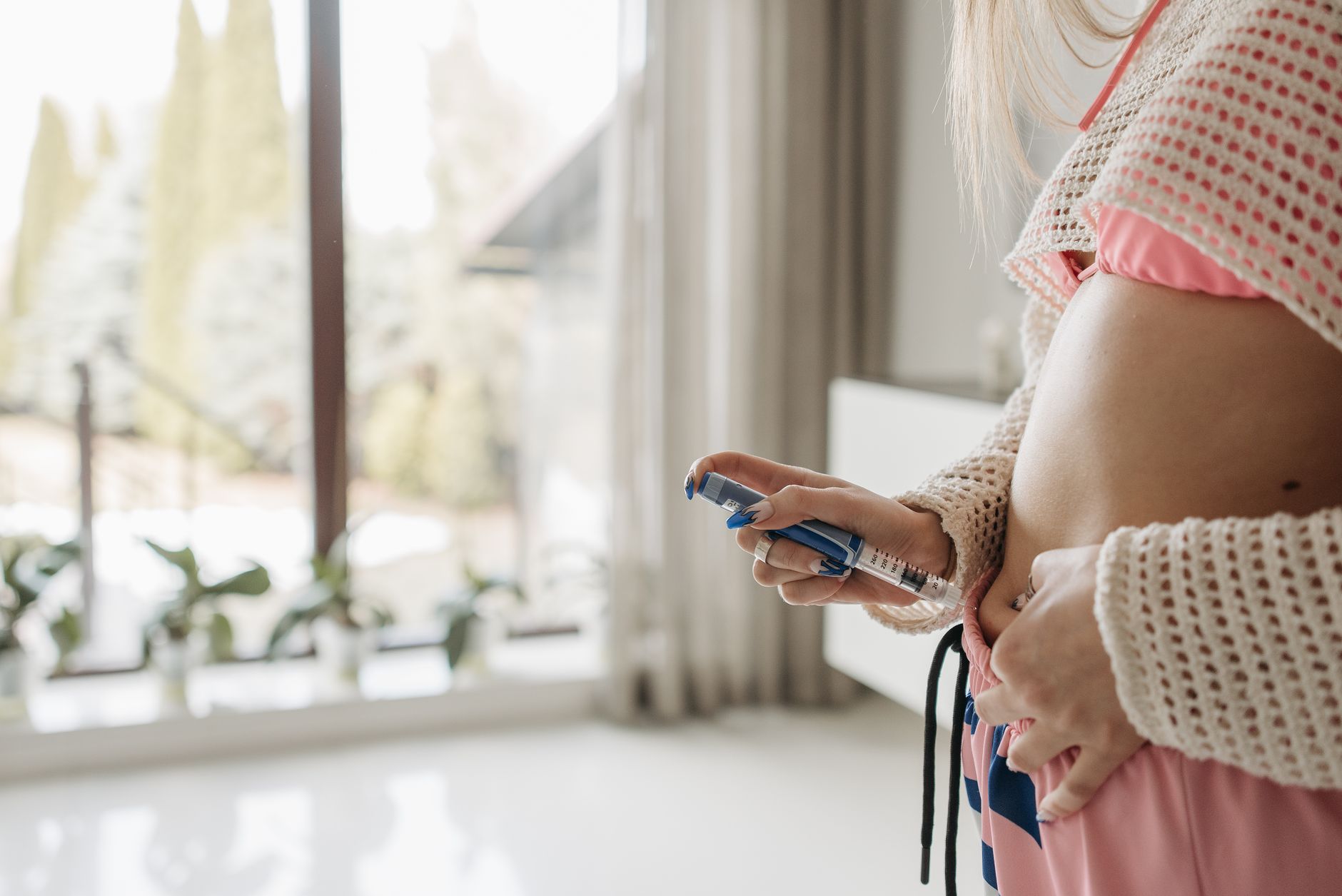
Most common GLP-1’s on the market are Ozempic, Wegovy, Mounjaro and Zepbound. Ozempic (0.24 – 2 mg) is a semaglutide which addresses type 2 diabetes (T2D) and Wegovy (2.4 mg) is a semaglutide which addresses obesity. Mounjaro is a Tirzepatide (dual agonist) that addresses T2D and Zepbound is a tirzepatide that addresses obesity. Semaglutides reduce on average -14.9% of body weight at 68 weeks and Tirzepatides reduce on average -22.5% of body weight at 72 weeks.
Muscle Loss

The problem with GLP-1 is on average 45% of weight loss came from lean tissue (Semaglutide) and 34% with Tirzepatide. For example, a client loses 30 pounds, but up to 14 pounds of that loss could be muscle. That’s like aging 20 years, without nutrition or exercise intervention, in 68 to 72 weeks (Mechanick et. all., Obesity Reviews 2025). Also, with muscle loss, bone density will be affected as well.
What Can I Eat?
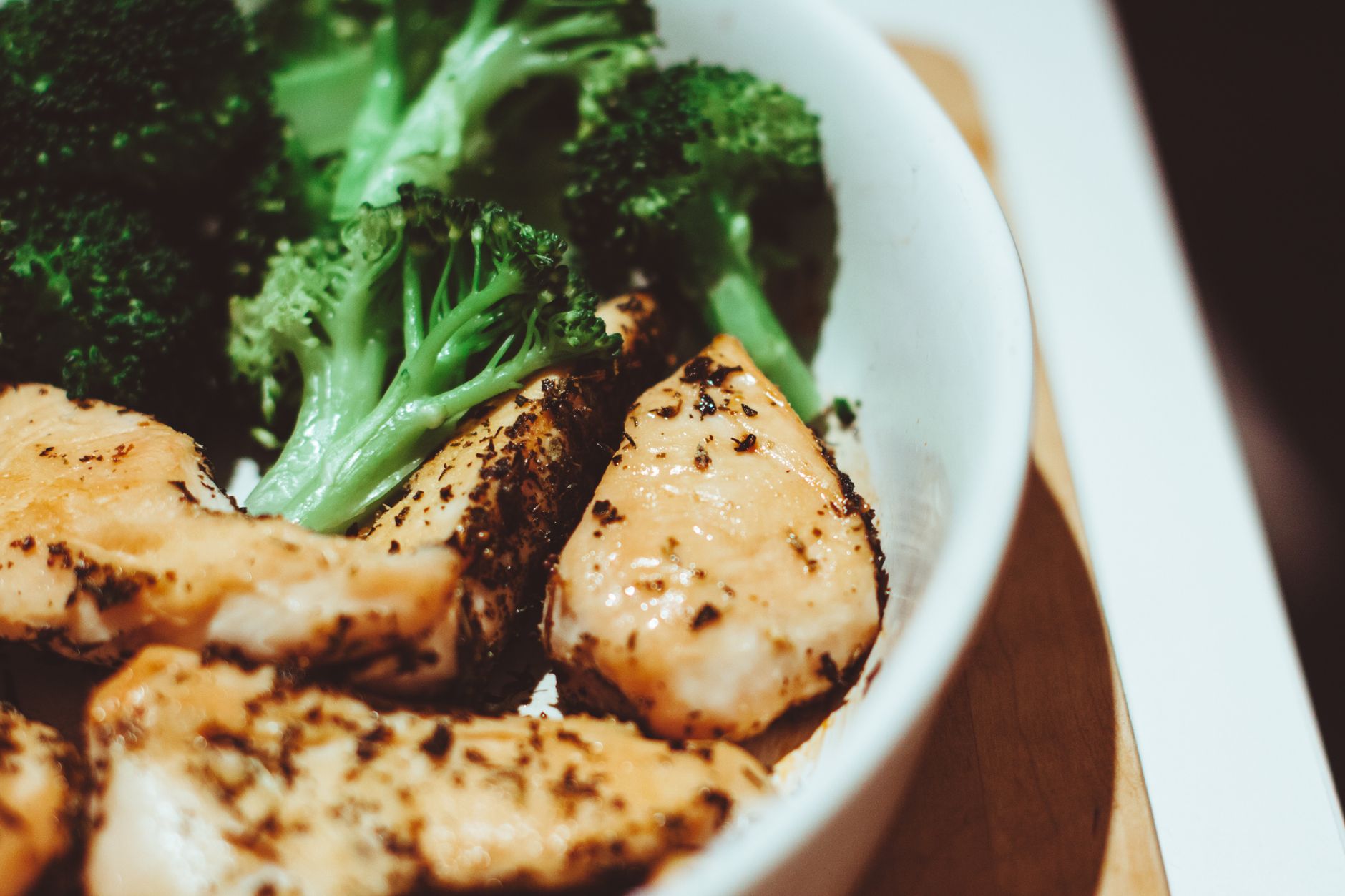
Before you start, you must prioritize protein intake before starting your GLP-1. Caloric intake can be suppressed by 47% on Semaglutide. Based on studies by International Society of Sports Nutrition (ISSN) and American College of Sports Medicine (ACSM), exercising adults on GLP-1 should eat at least 1.2- 2.0 grams of protein per pound of body weight. Searls recommends 1 gram of protein per pound of body weight like eggs (complete protein) and egg whites, chicken and seafood (omega 3’s). She says not to forget fiber, water, healthy fats, carbs and micronutrients from vegetables like lentils, beans, tempeh or tofu.
What Can I Do?
- Injection Timing: Give yourself a few days after your injection to train hard.
- Exercise Timing: Give yourself a few hours after eating to exercise.
- Water Timing: Focus on staying hydrated throughout your workout due to GI side effects.
- Rate of Perceived Effort (RPE): RPE should stay at a 7 out of 10 or moderately hard, so you do not puke or give up. Everybody’s 7/10 is different, so if you’re not trying hard enough or feel like you’re going to pass out, you are not in the 7/10 RPE.
- Hypoglycemia: Are you dizzy, shaking, sweating, confused? Carry some glucose tablets just in case your blood sugar falls too low.
- Track your Biofeedback: How much are you lifting week to week? What’s your body composition (Withings Scale), sleep, stress and energy levels, mindset? Basically, be aware if any of your daily routines feel strange or off.

Conclusion
While GLP-1 medications such as Ozempic, Wegovy, Mounjaro, and Zepbound offer significant benefits for weight loss and managing conditions like type 2 diabetes and obesity. It is important to recognize the potential downsides associated with muscle loss. To mitigate these effects, individuals should consciously prioritize protein intake and engage in regular strength training. By adopting a strategic approach to nutrition and exercise, it’s possible to achieve a healthier weight while preserving lean muscle mass. Ultimately, balancing the benefits of GLP-1 therapy with proactive lifestyle choices can lead to better overall health outcomes. Ensure that weight loss translates into improved fitness rather than premature aging…
- 6 Month Program
- Bibliography
- Contact/Inquiry
- LEARN
- Privacy Policy
- Reviews
- Terms and Agreements
- Ramat
- Your Local Trainer a Living Room Away
- Thank You


