
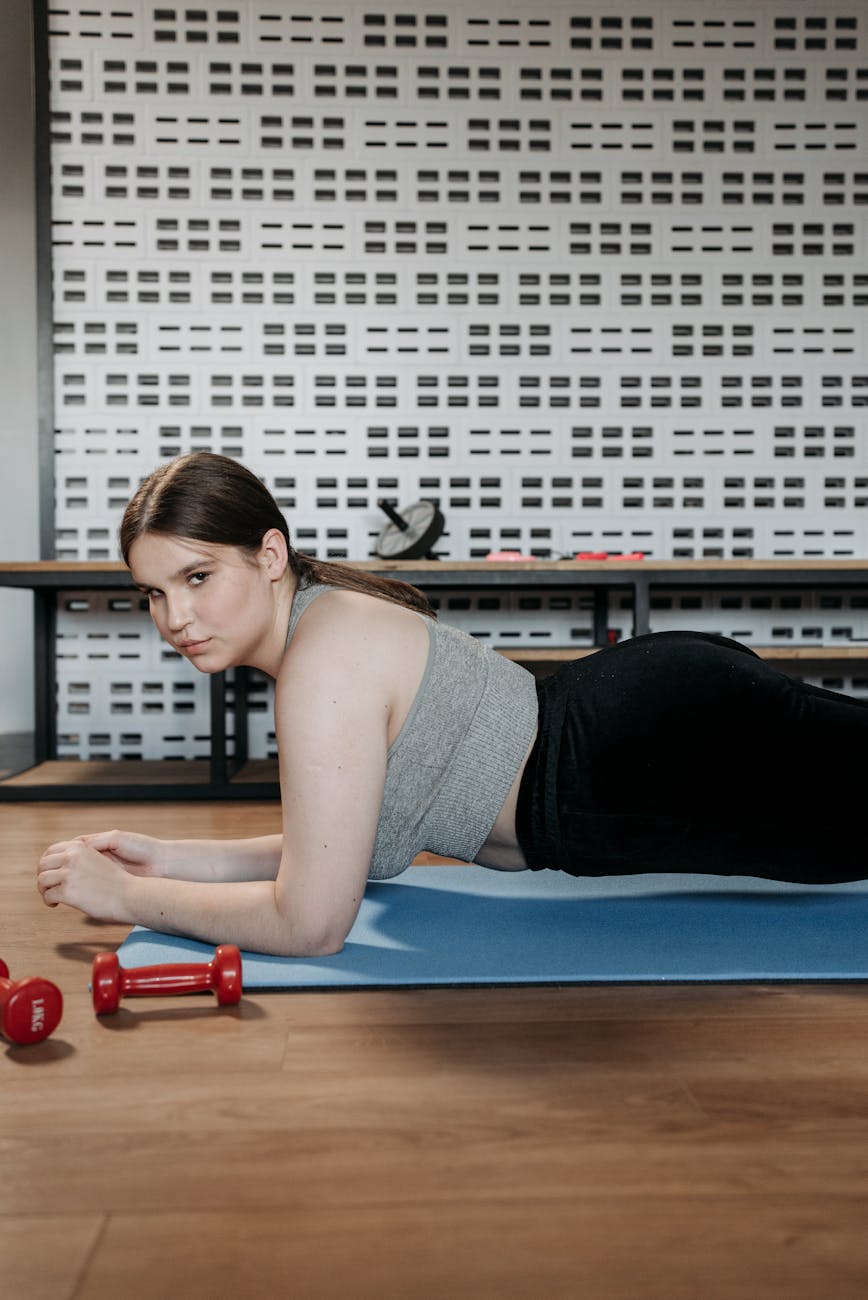
A Dynamic Core Connection Exercise
The Up/Down Plank is an engaging and effective variation of the traditional plank that emphasizes core stability while also integrating upper body strength. This exercise is not only beneficial for athletes but can be adapted for individuals at various fitness levels. Here’s an in-depth look at how it works and why you should incorporate it into your workout routine.
What is the Up/Down Plank?
The Up/Down Plank, also known as the Plank to Push-Up or Plank Up, involves transitioning between a forearm plank position and a high plank (push-up position). This dynamic movement not only challenges the core but also engages the shoulders, chest, and triceps.
Benefits of the Up/Down Plank
- Core Strength: The Up/Down Plank primarily targets the abdominal muscles, enhancing core stability and strength. A strong core is essential for overall athletic performance and daily activities.
- Upper Body Engagement: Transitioning from the forearm plank to the high plank effectively works the shoulders, arms, and chest, providing a balanced strength training session.
- Improved Stability: This exercise trains your body to maintain balance and stability through dynamic movements, which is beneficial for other physical activities.
How to Perform the Up/Down Plank
Step-by-Step Instructions
- Starting Position: Begin in a forearm plank position, with your elbows directly beneath your shoulders, body in a straight line from head to heels.
- Transition to High Plank:
- Press into your right hand and rotate your body, bringing your right arm straight to lift into a high plank.
- Follow with your left hand, coming into the high plank position where your hands are shoulder-width apart.
- Return to Forearm Plank:
- Place your right forearm back down on the ground, followed by your left arm, returning to the starting position.
- Repeat: Continue alternating sides for a number of repetitions or for a designated time.
Tips for Effective Execution
- Maintain Alignment: Keep your body in a straight line throughout the movement to avoid straining your back.
- Engage Your Core: Focus on engaging your abdominal muscles as you transition between positions.
- Controlled Movements: Perform the transitions slowly and with control to maximize the effectiveness of the exercise and minimize the risk of injury.
Modifications and Variations
- Knee Support: If you’re a beginner, perform the Up/Down Plank from your knees to reduce difficulty while still working the core.
- Weighted Plank: For an added challenge, you can place a weight on your back while performing the exercise.
- Side Plank Variation: After completing the Up/Down Plank, incorporate side planks to further challenge your obliques.
Conclusion
The Up/Down Plank is an excellent addition to any workout routine, offering numerous benefits that enhance both core and upper body strength. This exercise not only promotes physical fitness but also helps in developing balance and coordination. Whether you’re an experienced athlete or just starting your fitness journey, the Up/Down Plank can provide a valuable workout experience. Consider incorporating it into your routine to enjoy the full benefits it has to offer.


great exercise
LikeLike