Understanding the Plate
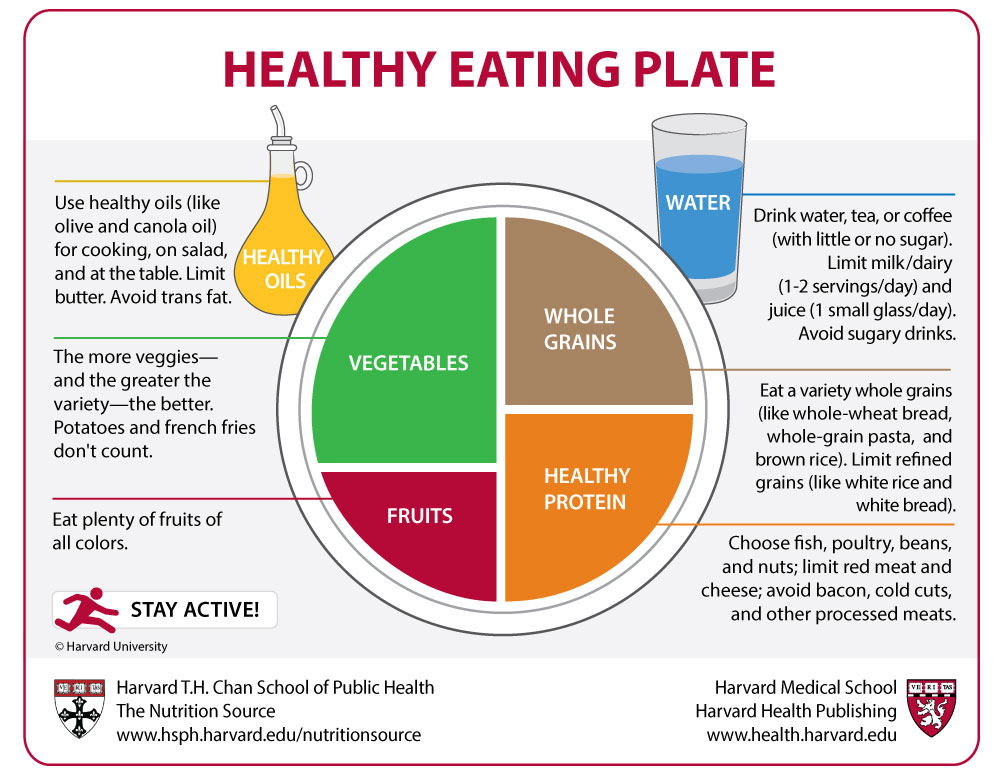
In today’s fast-paced world, making healthy eating choices can sometimes feel overwhelming. The Harvard Healthy Eating Plate serves as a straightforward guide to help individuals plan balanced meals. Developed by nutrition experts at Harvard University, this plate emphasizes the importance of creating a diet rich in nutrients while also being mindful of portion sizes. Here’s a breakdown of what the Harvard Healthy Eating Plate includes.
The Components of the Harvard Healthy Eating Plate
1. Vegetables: 50% of Your Plate
Vegetables should take up half of your plate. Aim for a variety of colors and types to ensure you’re getting a broad spectrum of nutrients. Leafy greens, cruciferous vegetables, and brightly colored options like bell peppers and carrots are all excellent choices.
2. Whole Grains: 1/4 of Your Plate
The next quarter of your plate should consist of whole grains. Opt for options such as brown rice, quinoa, barley, or whole-grain pasta. Whole grains provide essential fiber, which supports digestion and contributes to a feeling of fullness.
3. Protein: 1/4 of Your Plate
Incorporate a lean protein source to fill the remaining quarter of your plate. This can include options like fish, poultry, beans, legumes, or nuts. By choosing lean meats and plant-based proteins, you can lower your intake of saturated fats while ensuring adequate protein consumption.
4. Healthy Fats
Healthy fats are crucial in a balanced diet. Sources such as olive oil, avocados, and nuts should be included in moderation to support heart health and keep you satiated.
5. Fruits
Consider incorporating fruits into your meals and snacks. Choose a variety of fruits for dessert or as part of your main dishes, and remember to enjoy them fresh, frozen, or dried without added sugars.
6. Water: The Drink of Choice
Water should be your primary beverage. Avoid sugary drinks like soda and juice. If you’re looking for flavor, consider infusing your water with fresh fruits or herbs for a refreshing twist.
Tips for Implementing the Harvard Healthy Eating Plate
- Plan Ahead: Meal prepping can make it easier to stick to healthy eating habits. Prepare balanced meals in advance to avoid making impulsive, less healthy choices.
- Mind Your Portions: When serving your meals, pay attention to portion sizes. Use smaller plates to help control portions and encourage the balance outlined in the Healthy Eating Plate.
- Listen to Your Body: Learn to recognize hunger and fullness cues. Eating mindfully (slowly) can lead to a more satisfying dining experience.
- Get Creative: Explore new recipes that incorporate a diverse range of vegetables, grains, and proteins. This will keep your meals exciting and nutritious.
By following the principles outlined in the Harvard Healthy Eating Plate, you can create meals that are not only healthy but also enjoyable. Embracing this balanced approach to nutrition can significantly impact your overall well-being and energy levels. Start making these informed choices today for a healthier tomorrow!