

The Mystery of Tight Sternocleidomastoids and Your Health
Do you suffer from mysterious migraine and sinus headaches? Does your jaw hurt or do you have a mysterious sore throat? Do you have droopy eyelids or tend to shallow breath when you’re stressed? If you find yourself nodding in response to these questions, tight sternocleidomastoids (SCM) may be to blame.
Understanding the SCM Muscles
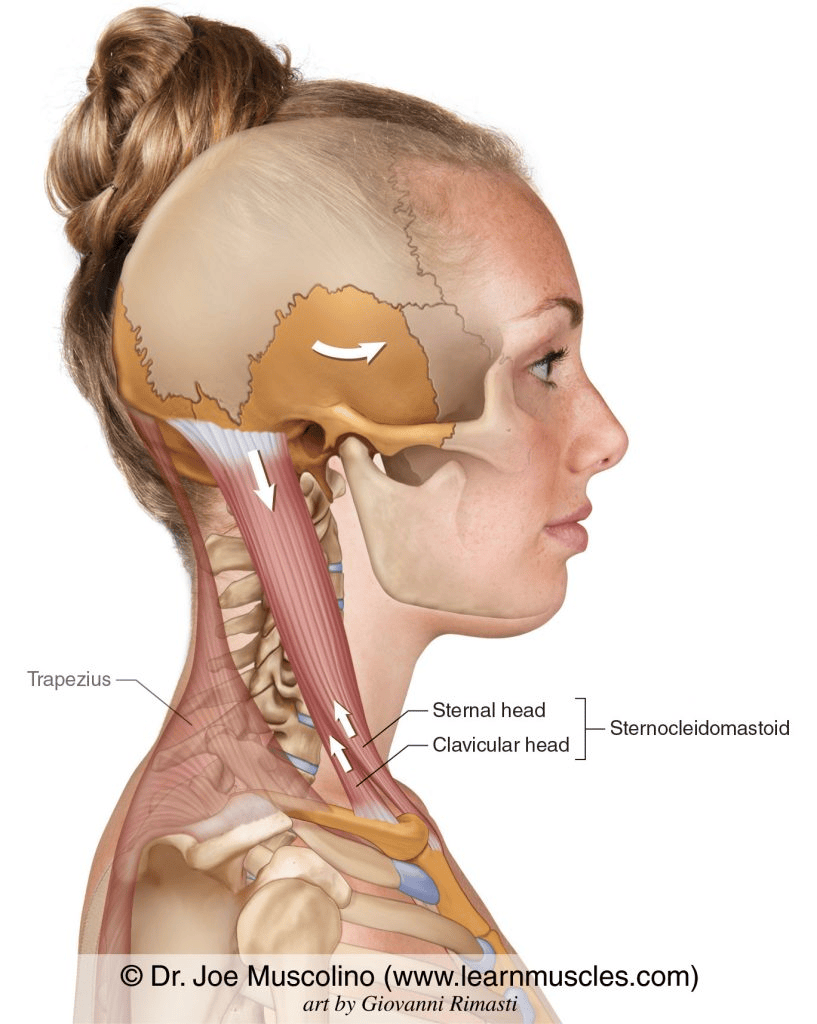
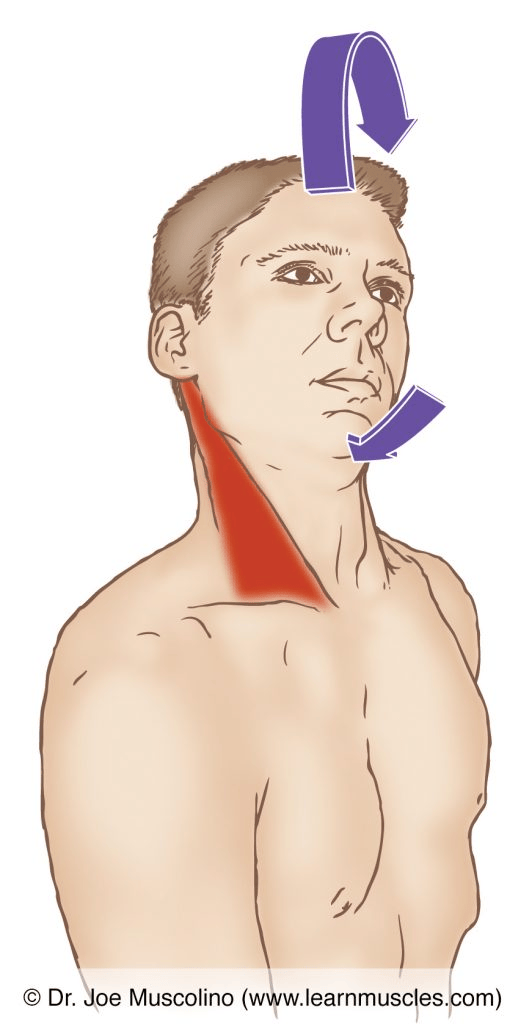
The sternocleidomastoid muscles are essential for head rotation and flexion, running from the collarbone and sternum to the base of the skull behind the ear. When these muscles become tight, they can lead to a wide array of symptoms, often causing confusion about their true cause.
The Role of Forward Head Posture
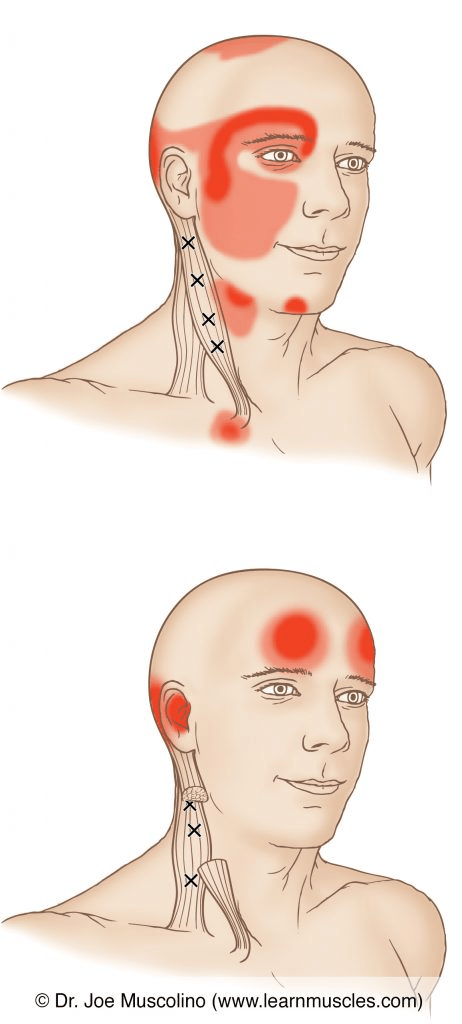
One of the primary conditions leading to tight SCM is forward head posture. This occurs when the lower neck is flexed and the upper head and neck are extended—common postures for those who spend long hours at desks or on their devices. Forward head posture places undue stress on the SCM, leading to trigger points that can refer pain to various areas of the body, including:
- Head: Tight SCM can cause tension headaches and exacerbate migraines, leaving you to wonder about their origin.
- Jaw: This tension may contribute to temporomandibular joint (TMJ) dysfunction, resulting in jaw pain and discomfort.
- Throat: The sensation of a sore throat due to SCM tightness.
- Eyes: In some cases, tight SCM can lead to droopy eyelids or visual disturbances, further complicating your symptoms.
How Lifestyle Contributes to SCM Tightness
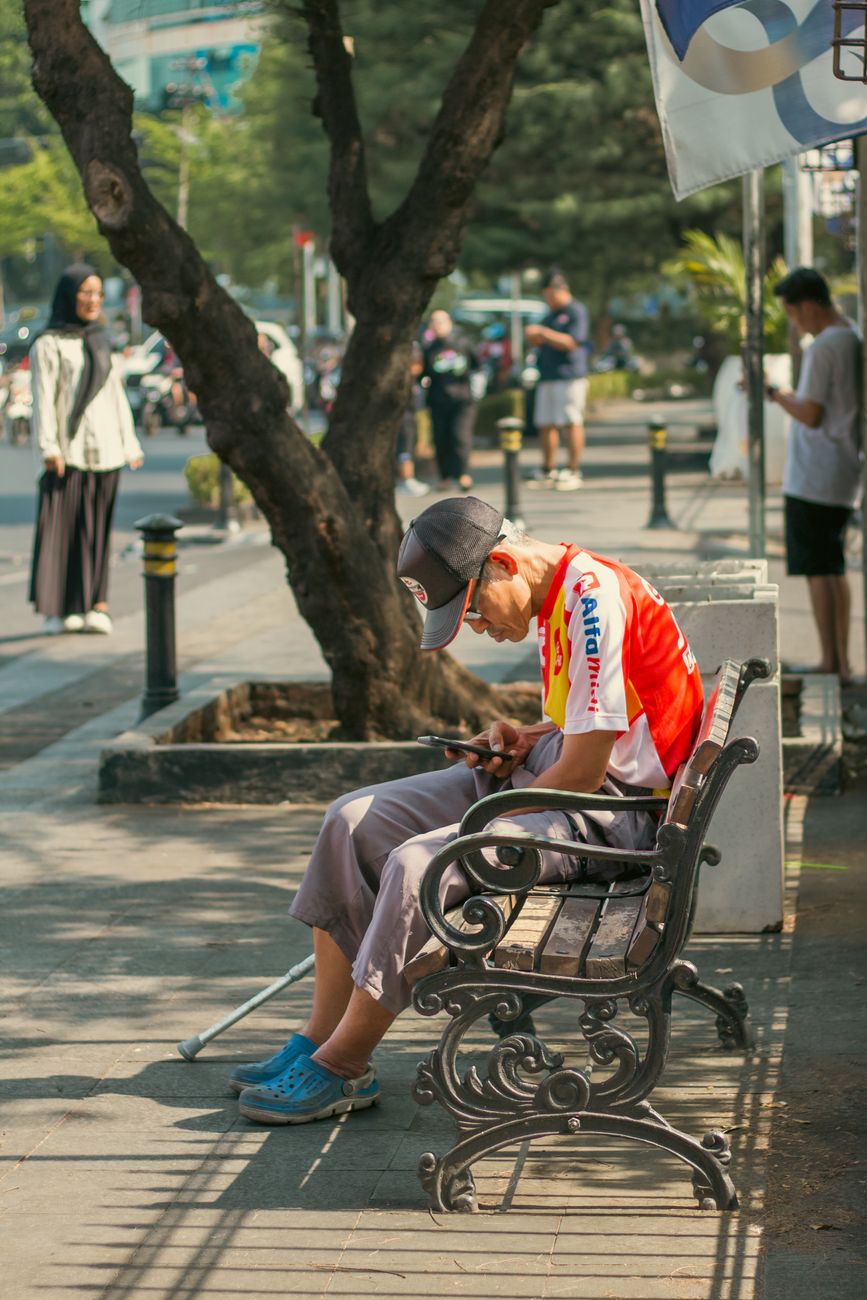
Your daily activities significantly impact the health of your SCM muscles. Many people are unaware that the way they sit, work at computer screens, or hold their phones can contribute to the tightness of these muscles. Poor posture, combined with prolonged periods, can exacerbate existing symptoms.
Strategies for Relief

- Improve Ergonomics: Assess your workspace. Ensure your computer screen is at eye level and that your chair provides adequate support for your lower back to help maintain a neutral posture.
- Be Mindful of Posture: Regularly check in with your posture throughout the day. Keeping your head aligned with your spine can alleviate unnecessary strain on the SCM.
- Incorporate Regular Breaks: Set a timer to remind yourself to take breaks. Stand up, stretch, and reset your posture every 30 minutes to combat the effects of sitting.
- Practice Neck Stretches: Gentle stretching exercises can help release tension in the SCM. Try tilting your head to one side and holding the stretch for 15–30 seconds, then repeat on the other side.
- Focus on Deep Breathing: Shallow breathing is common when we are stressed. Practice diaphragmatic breathing to relax, which can also help alleviate tension in the neck.
- Consult a Professional: If your symptoms persist, consider visiting a healthcare provider, such as a physical therapist or chiropractor. They can diagnose underlying issues and provide customized treatment options.
Conclusion
Recognizing the connection between tight sternocleidomastoids and the various symptoms you experience is important for regaining your health. By making small yet impactful changes to your posture and daily routines, you can reduce tension and discomfort associated with tight SCM. Empower yourself with knowledge and proactive strategies to lead a healthier, more comfortable life.
- 6 Month Program
- Bibliography
- Contact/Inquiry
- LEARN
- Privacy Policy
- Reviews
- Terms and Agreements
- Ramat
- Your Local Trainer a Living Room Away
- Thank You


