

Causes, Warning Signs, and Why Early Treatment Matters
Rhabdomyolysis is a serious medical condition that occurs when skeletal muscle breaks down rapidly. When muscle fibers are damaged, they release substances such as creatine kinase, myoglobin, potassium, and phosphate into the bloodstream. In mild cases, the body may recover without lasting harm. In severe cases, however, rhabdomyolysis can cause acute kidney injury, dangerous heart rhythms, compartment syndrome, shock, and multiple-organ failure.
Although the condition is commonly associated with crush injuries, it can develop for many reasons—including intense exercise, heatstroke, infections, medications, seizures, prolonged immobilization, substance intoxication, and inherited muscle disorders.
What Happens in Rhabdomyolysis?
Healthy muscle cells depend on intact membranes, adequate energy, and balanced calcium levels. When muscle tissue is injured, the cell membrane can become leaky or rupture. Calcium then enters the cell, triggering destructive enzymes and worsening energy failure.
The damaged muscle releases several substances into the bloodstream:
- Creatine kinase: A blood marker that reflects muscle injury.
- Myoglobin: A muscle protein that can damage the kidneys.
- Potassium: Excess potassium can cause life-threatening heart rhythm abnormalities.
- Phosphate: Elevated phosphate may contribute to calcium and metabolic disturbances.
- Organic acids and purines: These can increase metabolic stress and worsen kidney injury.
The kidneys are particularly vulnerable when muscle breakdown occurs alongside dehydration, shock, acidosis, infection, or inflammation. Myoglobin may obstruct kidney tubules and contribute to direct oxidative damage. Reduced blood flow to the kidneys can intensify the problem.
Common Causes
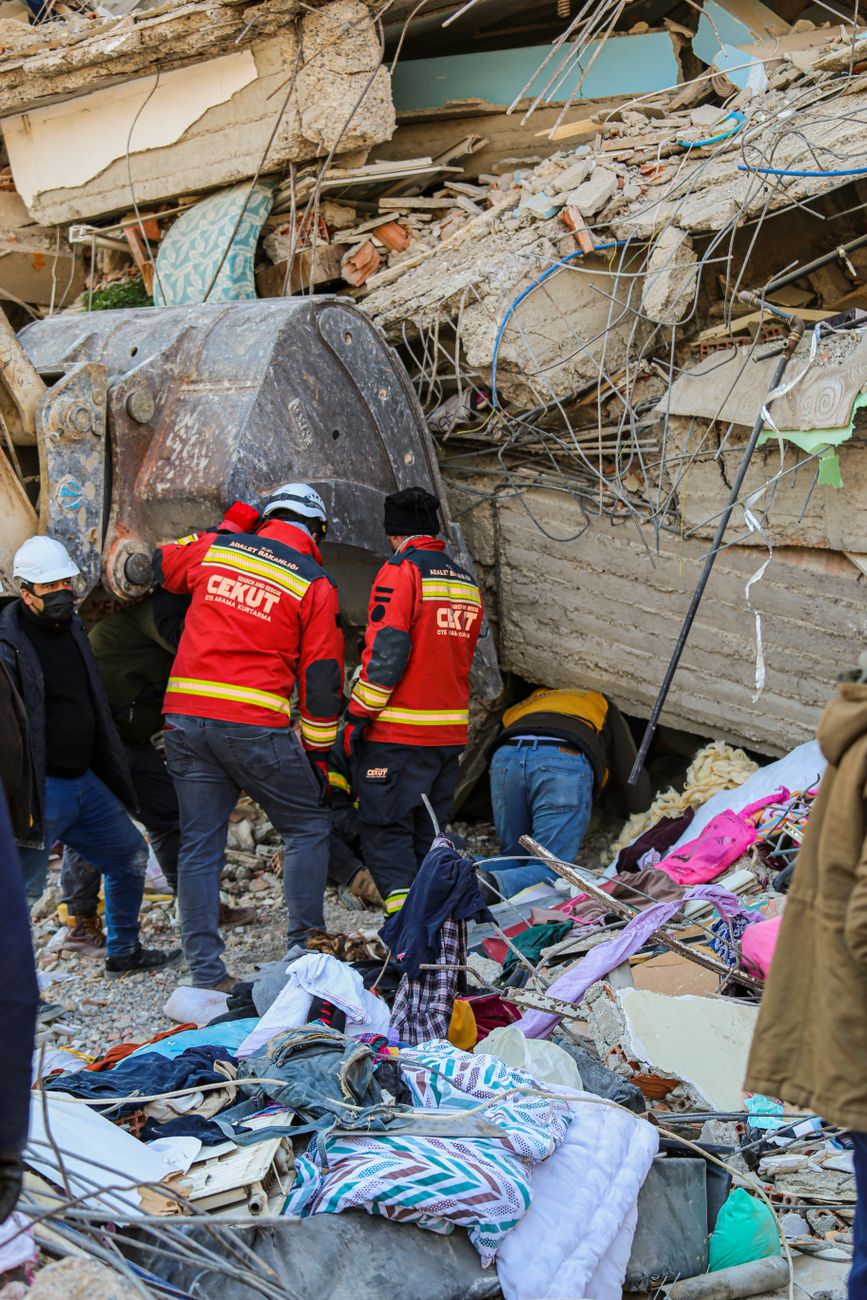
Crush Injuries and Prolonged Pressure
Rhabdomyolysis was first clearly linked to kidney failure through observations of people trapped beneath collapsed buildings. During the London Blitz in 1941, physicians Bywaters and Beall described patients who developed kidney failure after severe muscle compression. This helped establish the condition now known as crush syndrome.
Similar patterns have been observed after earthquakes, industrial accidents, and other disasters. A person may appear stable immediately after being rescued, then deteriorate as damaged muscle releases potassium, acids, and myoglobin into the bloodstream.
Crush-related muscle injury can also occur without a disaster. Prolonged unconsciousness, physical restraint, immobility, or pressure on a limb can restrict circulation and damage muscle.
Strenuous or Unfamiliar Exercise
Intense exercise is another well-known cause. Rhabdomyolysis is more likely when someone suddenly increases training intensity, exercises in extreme heat, becomes dehydrated, or continues exercising despite severe muscle pain or weakness.
It has been reported after marathon running, military training, high-intensity workouts, and endurance events. Gradually increasing exercise and allowing adequate recovery can reduce the risk.
Heatstroke and Severe Illness

Heatstroke can cause widespread muscle injury along with kidney failure, clotting problems, and organ dysfunction. Severe overheating places enormous stress on muscle cells and the body’s circulation.
Serious infections, including sepsis, may also trigger rhabdomyolysis through inflammation, poor tissue perfusion, toxins, and metabolic disturbances. Critically ill patients may have several risks at once, such as immobility, shock, medications, and prolonged pressure.
Medications and Substances

Several medications have been associated with rhabdomyolysis. Statins are among the most recognized, although most people who take them do not develop severe muscle injury. Risk may increase with high doses, medication interactions, kidney disease, older age, or other medical conditions.
Other possible medication-related causes include certain anticonvulsants, antipsychotics, anesthetic agents, and drugs associated with seizures or prolonged immobility.
Alcohol, cocaine, opioids, and other psychoactive substances may also contribute. The mechanism can involve direct toxicity, seizures, overheating, agitation, vascular complications, withdrawal, or lying immobile for an extended period.
Other Causes
Additional causes include:
- Electrical injuries and severe burns
- Seizures
- Snake envenomation
- Certain contaminated or unusual foods, including rare cases of Haff disease (Seafood)
- Severe electrolyte abnormalities
- Inherited metabolic or neuromuscular disorders
- Inflammatory muscle diseases
- Sickle Cell Trait: Due to high exertion, hot or humid conditions, without adequate hydration.

Recurrent episodes—especially after relatively minor triggers—may suggest an underlying genetic or metabolic condition and require specialist evaluation.
Recognizing the Warning Signs
The classic triad of rhabdomyolysis is:
- Muscle pain
- Muscle weakness
- Dark or tea-colored urine
However, this triad appears in only a minority of patients. Some people have little or no muscle pain. Others first develop reduced urine output, confusion, nausea, heart palpitations, or symptoms related to the original cause.
Possible warning signs include:
- Severe muscle tenderness, swelling, or weakness
- Difficulty walking or moving a limb
- Dark urine or noticeably reduced urination
- Unusual fatigue, nausea, or vomiting
- Fever or altered mental status
- A rapid or irregular heartbeat
- Severe limb pain, tightness, numbness, or weakness
Dark urine is not required for diagnosis. Myoglobin can leave the body quickly, so urine may appear normal even when significant muscle injury has occurred.

How Rhabdomyolysis Is Diagnosed

The primary blood test is creatine kinase, commonly called CK. CK levels rise after muscle injury and may continue increasing for several days. A level more than five times the laboratory’s upper limit of normal is often consistent with rhabdomyolysis in the right clinical setting.
However, the CK level does not tell the whole story. Doctors also assess kidney function, urine output, electrolyte levels, the underlying cause, and the patient’s overall condition. A very high CK level does not always lead to severe complications, while a lower level can still be dangerous in someone who is dehydrated, septic, or already has kidney disease.
Urinalysis may show a positive “blood” result despite few or no red blood cells under a microscope. This may suggest myoglobin in the urine, although hemoglobin can produce a similar result.
Additional testing may include:
- Repeat CK measurements
- Creatinine and other kidney-function tests
- Potassium, calcium, phosphate, and bicarbonate
- Electrocardiography to identify effects of high potassium
- Monitoring of urine output
- Tests for infection, trauma, toxins, seizures, or inherited disease
Serious Complications

Acute Kidney Injury
Acute kidney injury is one of the most important complications. It may result from reduced blood flow, tubular blockage by myoglobin, direct toxicity, inflammation, and blood-vessel constriction.
The risk increases with dehydration, shock, acidosis, sepsis, extensive muscle injury, and preexisting kidney disease.
Dangerous Electrolyte Changes

Damaged muscle can release large amounts of potassium. Hyperkalemia may cause abnormal heart rhythms or cardiac arrest, sometimes before kidney failure is obvious.
Other possible abnormalities include high phosphate, early low calcium, metabolic acidosis, high uric acid, and later rebound high calcium during recovery. Repeated blood tests are often necessary.
Compartment Syndrome

Severe swelling inside a confined muscle compartment can reduce blood flow and damage nerves. Severe, worsening pain; pain when the limb is stretched; tense swelling; numbness; or weakness requires urgent medical assessment.
Multisystem Failure

In severe cases—particularly those involving heatstroke, sepsis, major trauma, or burns—rhabdomyolysis may occur alongside shock, respiratory failure, clotting abnormalities, liver injury, and other organ complications.
Treatment Principles

Treatment focuses on stopping the muscle damage, protecting the kidneys, and correcting dangerous complications.
Address the Underlying Cause
Care may include treating infection, controlling seizures, managing heat illness, treating intoxication or withdrawal, relieving external pressure, addressing trauma, or evaluating for compartment syndrome.
If a medication is suspected, it should be reviewed promptly by a healthcare professional rather than permanently stopped without medical guidance.
Fluids and Monitoring
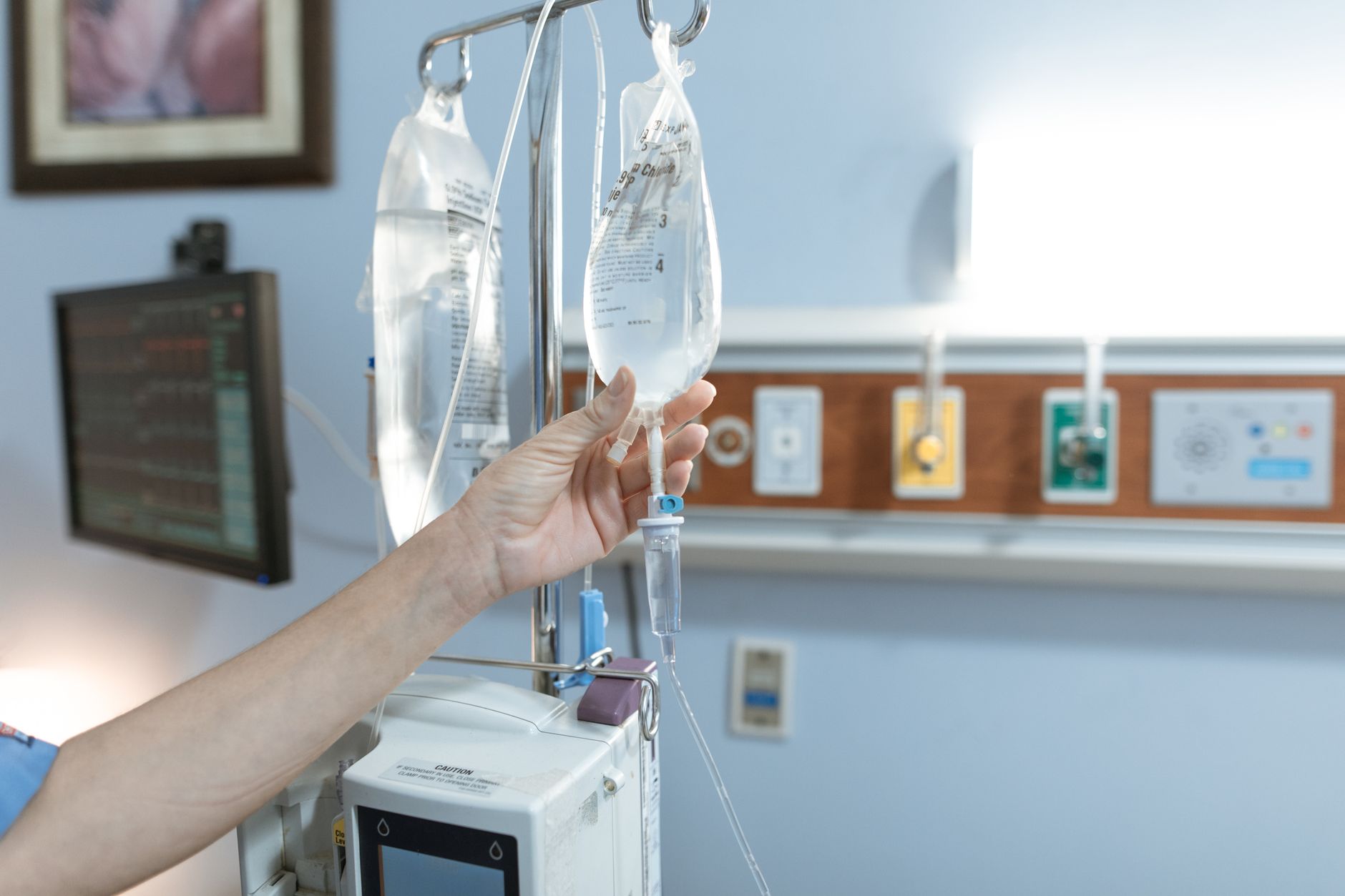
Intravenous fluids are often used to restore circulation and support urine production. This can help reduce the concentration of harmful substances in the kidney tubules.
Fluid treatment must be individualized. Too much fluid can cause breathing problems or pulmonary edema, particularly in people with heart failure, kidney failure, or severe lung disease. Doctors monitor urine output, blood pressure, lung findings, kidney function, and electrolytes.
Managing Electrolytes
Severe hyperkalemia or abnormal heart rhythms require immediate treatment. Low calcium is often monitored unless it causes symptoms, seizures, or cardiac complications.
Dialysis may be needed for standard reasons such as persistent high potassium, severe acidosis, fluid overload, uremic complications, or severe kidney failure. It is not routinely used simply to remove myoglobin in every case.
Prevention and When to Seek Help

Many cases can be prevented or recognized early:
- Increase exercise intensity gradually.
- Stay appropriately hydrated during strenuous activity.
- Avoid intense exercise in extreme heat.
- Stop exercising if severe muscle pain, weakness, confusion, or unusual fatigue develops.
- Review medication risks and potential drug interactions.
- Seek prompt care after heatstroke, seizures, trauma, prolonged immobilization, or intoxication.
- Do not ignore dark urine or a major decrease in urination.
Anyone experiencing severe muscle pain or weakness after intense exercise, heat exposure, trauma, prolonged immobility, or medication changes should seek medical evaluation. Rhabdomyolysis can progress quickly, and early treatment may reduce the risk of kidney damage and dangerous electrolyte abnormalities.
The Bottom Line

Rhabdomyolysis is not a single disease, but a syndrome caused by skeletal muscle breakdown. Its triggers range from crush injuries and intense exercise to heatstroke, medications, infections, toxins, electrical injuries, sickle cell trait, and inherited muscle disorders.
The condition can be difficult to recognize because the classic combination of muscle pain, weakness, and dark urine is uncommon. Early testing, kidney monitoring, careful fluid management, and prompt treatment of electrolyte abnormalities are essential.
With timely medical care, many people recover fully. However, severe or delayed cases can lead to acute kidney injury, heart rhythm disturbances, compartment syndrome, and multisystem failure. Awareness of the warning signs is therefore one of the most important steps in preventing serious complications.
This article is for educational purposes only and does not replace professional medical advice. Suspected rhabdomyolysis requires urgent clinical assessment.
References
- Aleckovic-Halilovic M, et al. From quail to earthquakes and human conflict: a historical perspective of rhabdomyolysis. Clinical Kidney Journal. 2021;14(4):1088–1096.
- Mokhtari AK, et al. Rhabdomyolysis in severe COVID-19: male sex, high body mass index, and prone positioning confer high risk. Journal of Surgical Research. 2021;266:35–43.
- Młynarska E, et al. Rhabdomyolysis-induced AKI, including the role of COVID-19. International Journal of Molecular Sciences. 2022;23(15).
- Bywaters EG, Beall D. Crush injuries with impairment of renal function. British Medical Journal. 1941;1(4185):427–432.
- Vanholder R, Sever MS, Erek E, Lameire N. Rhabdomyolysis. Journal of the American Society of Nephrology. 2000;11(8):1553–1561.
- Nance JR, Mammen AL. Diagnostic evaluation of rhabdomyolysis. Muscle & Nerve. 2015;51(6):793–810.
- Huerta-Alardín AL, Varon J, Marik PE. Bench-to-bedside review: rhabdomyolysis—an overview for clinicians. Critical Care. 2005;9(2):158–169.
- Kodadek L, et al. Rhabdomyolysis: an American Association for the Surgery of Trauma Critical Care Committee clinical consensus document. Trauma Surgery & Acute Care Open. 2022;7(1):e000836.
- Melli G, Chaudhry V, Cornblath DR. Rhabdomyolysis: an evaluation of 475 hospitalized patients. Medicine. 2005;84(6):377–385.
- Sever MS, Vanholder R. Recommendations for the management of crush victims in mass disasters. Nephrology Dialysis Transplantation. 2012;27(Suppl 1):i1–i67.


