
Bicep Brachii Trigger Points

Understanding Trigger Points in the Biceps Brachii and Their Impact on Shoulder Pain

Trigger points are hyperirritable spots in skeletal muscle that are associated with palpable nodules in taut bands of muscle fibers. These points can refer pain to other areas, leading to discomfort and complications. One such area involves trigger points in the biceps brachii, a muscle located in the upper arm.

Anatomy of the Biceps Brachii

The biceps brachii consists of two heads: the long head and the short head. The biceps brachii is primarily responsible for elbow flexion and supination of the forearm. Its origin at the scapula and insertion at the radius (short head) allows it to have a significant role not only in arm movement but also in stabilizing (long head) the shoulder joint.

Trigger Points in the Biceps Brachii

When trigger points develop in the biceps brachii, they can evoke pain not only in the muscle itself but also in surrounding areas. Common causes of trigger points include:

  • Overuse during activities such as weightlifting or repetitive overhead movements
  • Poor posture that places undue stress on the shoulder girdle
  • Trauma or direct injury to the arm or shoulder area

Referral Patterns

Image courtesy of Travell, Janet; Simons, David. Travell and Simons’ Trigger Point Flip Charts (p. 8). LWW. Kindle Edition.

One of the key characteristics of trigger points is their referral pattern. When trigger points form in the biceps brachii, they can refer pain to:

  • The shoulder region
  • The elbow region

Referral in the shoulder can lead to discomfort that may feel like it originates from within the shoulder joint.

How Bicep Trigger Points Cause Pain Near the Scapula and Humerus

The scaption (scapular plane elevation) during shoulder movements engages the biceps brachii and can aggravate any existing trigger points, leading to pain in these areas. The pain may manifest as:

  • Sharp pain in the shoulder
  • Difficulty with overhead movements

As the muscles around the shoulder region tighten in an attempt to compensate for the pain, this can further aggravate the discomfort and limit range of motion.

Management and Treatment

Effective management of trigger points in the biceps brachii often includes a combination of:

  1. Rest and Recovery: Allowing time for the muscle to heal and reducing activities that exacerbate pain.
  2. Physical Therapy: Engaging a professional can help in utilizing specific exercises and stretches to release tension.
  3. Manual Therapy: Techniques such as deep tissue massage can directly target trigger points, helping to alleviate pain and restore function.
  4. Posture Correction: Adjusting posture during daily activities can prevent the recurrence of trigger points.
  5. Use of Heat or Ice: Applying heat can promote blood flow to the muscle, while ice can reduce inflammation during acute flare-ups.

Conclusion

Understanding the relationship between trigger points in the biceps brachii and shoulder pain is an option for effective treatment. By recognizing the symptoms and employing appropriate therapeutic strategies, individuals can significantly reduce discomfort and improve their shoulder mobility. Early intervention and a proactive approach to stretching and strengthening exercises can help prevent the formation of new trigger points, promoting long-term shoulder health.

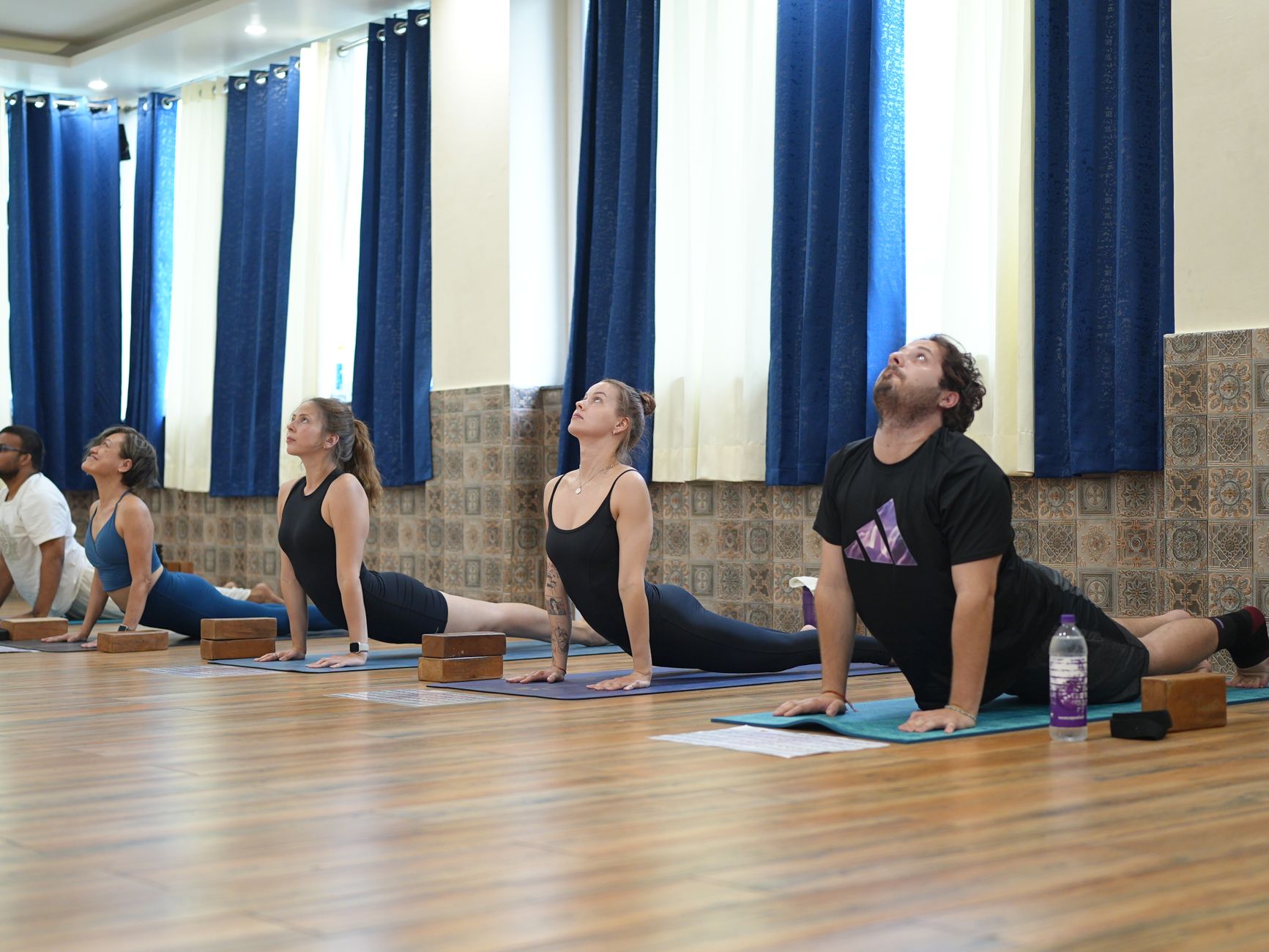
Photo by Andrea Piacquadio on Pexels.com

The Up/Down Plank

A Dynamic Core Connection Exercise

The Up/Down Plank is an engaging and effective variation of the traditional plank that emphasizes core stability while also integrating upper body strength. This exercise is not only beneficial for athletes but can be adapted for individuals at various fitness levels. Here’s an in-depth look at how it works and why you should incorporate it into your workout routine.

What is the Up/Down Plank?

The Up/Down Plank, also known as the Plank to Push-Up or Plank Up, involves transitioning between a forearm plank position and a high plank (push-up position). This dynamic movement not only challenges the core but also engages the shoulders, chest, and triceps.

Benefits of the Up/Down Plank

  1. Core Strength: The Up/Down Plank primarily targets the abdominal muscles, enhancing core stability and strength. A strong core is essential for overall athletic performance and daily activities.
  2. Upper Body Engagement: Transitioning from the forearm plank to the high plank effectively works the shoulders, arms, and chest, providing a balanced strength training session.
  3. Improved Stability: This exercise trains your body to maintain balance and stability through dynamic movements, which is beneficial for other physical activities.

How to Perform the Up/Down Plank

Step-by-Step Instructions

  1. Starting Position: Begin in a forearm plank position, with your elbows directly beneath your shoulders, body in a straight line from head to heels.
  2. Transition to High Plank:
    • Press into your right hand and rotate your body, bringing your right arm straight to lift into a high plank.
    • Follow with your left hand, coming into the high plank position where your hands are shoulder-width apart.
  3. Return to Forearm Plank:
    • Place your right forearm back down on the ground, followed by your left arm, returning to the starting position.
  4. Repeat: Continue alternating sides for a number of repetitions or for a designated time.

Tips for Effective Execution

  • Maintain Alignment: Keep your body in a straight line throughout the movement to avoid straining your back.
  • Engage Your Core: Focus on engaging your abdominal muscles as you transition between positions.
  • Controlled Movements: Perform the transitions slowly and with control to maximize the effectiveness of the exercise and minimize the risk of injury.

Modifications and Variations

  • Knee Support: If you’re a beginner, perform the Up/Down Plank from your knees to reduce difficulty while still working the core.
  • Weighted Plank: For an added challenge, you can place a weight on your back while performing the exercise.
  • Side Plank Variation: After completing the Up/Down Plank, incorporate side planks to further challenge your obliques.

Conclusion

The Up/Down Plank is an excellent addition to any workout routine, offering numerous benefits that enhance both core and upper body strength. This exercise not only promotes physical fitness but also helps in developing balance and coordination. Whether you’re an experienced athlete or just starting your fitness journey, the Up/Down Plank can provide a valuable workout experience. Consider incorporating it into your routine to enjoy the full benefits it has to offer.

The Mediterranean Diet

The Mediterranean Diet is not just a diet but a lifestyle choice that promotes a healthy way of eating inspired by the traditional cuisines of countries bordering the Mediterranean Sea, such as Greece, Italy, and Spain. This dietary pattern emphasizes the consumption of fresh, wholesome foods and is recognized for its health benefits, particularly in promoting heart health and preventing chronic diseases.

Key Components of the Mediterranean Diet

  1. Fruits and Vegetables: The diet is rich in fruits and vegetables, which provide essential vitamins, minerals, and antioxidants. Aim for a vibrant variety in colors and types to maximize nutrient intake.
  2. Whole Grains: Whole grain products, like brown rice, whole wheat bread, and quinoa, are staples of the Mediterranean Diet. They serve as a primary source of carbohydrates and fiber, promoting digestive health.
  3. Healthy Fats: Olive oil is the principal source of fat in this diet, celebrated for its heart-healthy monounsaturated fats. It is often used in cooking, dressings, and dips. Nuts and seeds are also encouraged, providing healthy fats and protein.
  4. Lean Proteins: The Mediterranean Diet emphasizes fish and seafood as primary protein sources, promoting fish consumption at least twice a week. Poultry, eggs, and dairy (mainly yogurt and cheese) are consumed in moderation, while red meats are limited.
  5. Herbs and Spices: Flavor is enhanced through the use of herbs and spices instead of salt. Commonly used herbs include basil, oregano, and rosemary, which also offer additional health benefits.
  6. Wine in Moderation: While not essential, moderate consumption of red wine (1 glass) during a meal is common in Mediterranean cultures. If alcohol is consumed, it should be done mindfully and in moderation.
  7. Physical Activity: Alongside dietary components, the Mediterranean lifestyle encourages regular physical activity, promoting overall health and well-being.

Health Benefits of the Mediterranean Diet

Research has shown a multitude of benefits associated with the Mediterranean Diet, including:

  • Heart Health: The diet is linked to lower risks of heart disease. Its emphasis on healthy fats, whole grains, and nutrients-rich foods contributes to better cardiovascular health.
  • Weight Management: Due to its focus on whole foods and balanced meals, the Mediterranean Diet can aid in weight management and may help with obesity prevention.
  • Reduced Risk of Chronic Diseases: Studies indicate that following this diet may lower the risk of conditions such as type 2 diabetes, Alzheimer’s disease, and certain cancers.
  • Improved Brain Function: The abundance of antioxidants and healthy fats supports cognitive health and may lower the risk of neurodegenerative diseases.

Getting Started with the Mediterranean Diet

To adopt the Mediterranean Diet, consider these tips:

  • Start Small: Incorporate more fruits, vegetables, and whole grains into your meals gradually.
  • Cook With Olive Oil: Replace butter and other fats with olive oil for cooking and dressings.
  • Explore Seafood: Include fish and seafood in your weekly meal plan, aiming for at least two servings a week.
  • Limit Processed Foods: Reduce the intake of processed foods and sugar-laden snacks. Focus on cooking with fresh, whole ingredients.
  • Stay Hydrated: Drink plenty of water throughout the day and consider moderate wine consumption (1 glass) with a meal if desired.

Conclusion

The Mediterranean Diet is a sustainable and enjoyable approach to eating that celebrates rich flavors and promotes health. By focusing on whole foods, healthy fats, and a balanced lifestyle, it offers a roadmap to not just a diet, but a way of living that nurtures both the body and the spirit. Whether you’re looking to improve your health or simply expand your culinary horizons, the Mediterranean Diet offers delicious and nutritious options that can make a meaningful difference in your life.

Photo by Pavel Danilyuk on Pexels.com

The Levator Scapulae

Understanding the Levator Scapulae Muscle

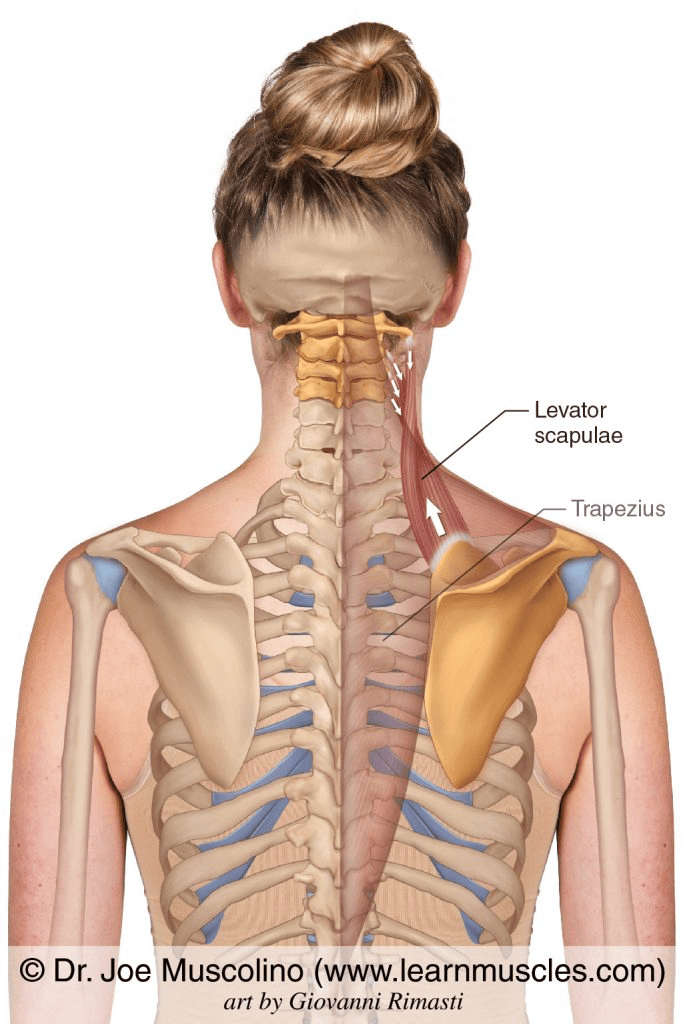
The levator scapulae is a significant muscle located in the posterior neck region, and connects from the neck to the shoulder, playing a vital role in movement and posture. Understanding its anatomy, function, and common issues can help in maintaining good health and preventing injuries.

Anatomy of the Levator Scapulae

The levator scapulae is a thin, strap-like muscle that stretches from the cervical vertebrae to the scapula. Here are its key features:

  • Origin: The muscle originates from the transverse processes of the first four cervical vertebrae (C1 to C4).
  • Insertion: It inserts into the medial border of the scapula, specifically the superior angle and the upper portion of the medial border.

Function of the Levator Scapulae

The primary functions of the levator scapulae include:

  1. Shoulder Movement: The levator scapulae elevates the scapula, allowing for shoulder shrugging and facilitating movements above shoulder level.
  2. Neck Flexion: This muscle assists in the lateral flexion of the neck, allowing for side bending.
  3. Rotation of the Neck: It can also aid in the rotation of the neck towards the same side.
  4. Postural Stability: The levator scapulae contributes to maintaining proper posture and alignment of the cervical spine.

Common Issues and Injuries

Due to its location and function, the levator scapulae can be subject to several issues:

  • Tension and Strain: Prolonged poor posture, such as slouching or craning the neck forward, can lead to tightness and strain in the levator scapulae. This results in discomfort or pain in the neck and shoulders.
  • Trigger Points: These are tight bands of muscle fibers that can develop within the levator scapulae, causing referred pain in the neck, head, or even upper back.
  • Injury: Acute injuries during physical activities or accidents can compromise the levator scapulae’s function, leading to pain and restricted movement.

Management and Treatment

To maintain the levator scapulae’s health and address potential issues, consider the following methods:

  • Stretching and Strengthening: Incorporating stretches behind the neck and strength exercises for the front of the neck can improve flexibility and reduce tightness.
  • Postural Awareness: Focus on maintaining good posture, especially during prolonged sitting or standing. Ergonomic adjustments to your workspace can also be beneficial.
  • Physical Therapy: If pain or dysfunction persists, consulting a physical therapist can provide targeted treatments and exercises tailored to your needs.
  • Massage Therapy: Light massage gun to the lamina groove of c1-c4 and its insertion at the scapula can relieve tension in the levator scapulae and surrounding muscles, promoting relaxation and better blood flow.

Conclusion

The levator scapulae muscle plays an essential role in shoulder and neck movement, as well as in maintaining proper posture. By understanding its anatomy and function, individuals can take proactive steps to prevent strain and improve their overall musculoskeletal health. If you experience persistent pain or discomfort in this area, consider seeking professional guidance for a tailored treatment plan.

Photo by Andrea Piacquadio on Pexels.com

Donkey Calf Raise

Benefits of Donkey Calf Raise

The donkey calf raise is a highly effective exercise for targeting the calf muscles. Here are some key benefits:

  1. Targeted Muscle Engagement

    The primary focus of the donkey calf raise is the gastrocnemius and soleus muscles, providing a comprehensive workout for the calves.
  2. Increased Muscle Size and Strength

    By incorporating this exercise into your routine, you can promote hypertrophy, leading to larger and stronger calf muscles over time.
  3. Full Range of Motion

    This exercise allows for a full range of motion, encouraging better muscle activation and development compared to other calf raise variations.
  4. Improved Stability and Balance

    Strengthening the calf muscles contributes to improved overall stability and balance, especially in the knees, which can positively affect performance in various physical activities, including sports.
  5. Enhanced Aesthetic Appearance

    Well-developed calves can enhance the overall look of your legs, contributing to a more balanced and proportionate physique.
  6. Reduced Risk of Injury

    Strong calf muscles help support the ankle joint, potentially reducing the risk of injuries related to ankle sprains, Achilles tendonitis, and medial knee pain.

Incorporating donkey calf raises into your workout regimen can yield significant benefits for your lower body strength and overall athletic performance.

Harvard Healthy Eating Plate

Understanding the Plate

In today’s fast-paced world, making healthy eating choices can sometimes feel overwhelming. The Harvard Healthy Eating Plate serves as a straightforward guide to help individuals plan balanced meals. Developed by nutrition experts at Harvard University, this plate emphasizes the importance of creating a diet rich in nutrients while also being mindful of portion sizes. Here’s a breakdown of what the Harvard Healthy Eating Plate includes.

The Components of the Harvard Healthy Eating Plate

1. Vegetables: 50% of Your Plate

Vegetables should take up half of your plate. Aim for a variety of colors and types to ensure you’re getting a broad spectrum of nutrients. Leafy greens, cruciferous vegetables, and brightly colored options like bell peppers and carrots are all excellent choices.

2. Whole Grains: 1/4 of Your Plate

The next quarter of your plate should consist of whole grains. Opt for options such as brown rice, quinoa, barley, or whole-grain pasta. Whole grains provide essential fiber, which supports digestion and contributes to a feeling of fullness.

3. Protein: 1/4 of Your Plate

Incorporate a lean protein source to fill the remaining quarter of your plate. This can include options like fish, poultry, beans, legumes, or nuts. By choosing lean meats and plant-based proteins, you can lower your intake of saturated fats while ensuring adequate protein consumption.

4. Healthy Fats

Healthy fats are crucial in a balanced diet. Sources such as olive oil, avocados, and nuts should be included in moderation to support heart health and keep you satiated.

5. Fruits

Consider incorporating fruits into your meals and snacks. Choose a variety of fruits for dessert or as part of your main dishes, and remember to enjoy them fresh, frozen, or dried without added sugars.

6. Water: The Drink of Choice

Water should be your primary beverage. Avoid sugary drinks like soda and juice. If you’re looking for flavor, consider infusing your water with fresh fruits or herbs for a refreshing twist.

Tips for Implementing the Harvard Healthy Eating Plate

  • Plan Ahead: Meal prepping can make it easier to stick to healthy eating habits. Prepare balanced meals in advance to avoid making impulsive, less healthy choices.
  • Mind Your Portions: When serving your meals, pay attention to portion sizes. Use smaller plates to help control portions and encourage the balance outlined in the Healthy Eating Plate.
  • Listen to Your Body: Learn to recognize hunger and fullness cues. Eating mindfully (slowly) can lead to a more satisfying dining experience.
  • Get Creative: Explore new recipes that incorporate a diverse range of vegetables, grains, and proteins. This will keep your meals exciting and nutritious.

By following the principles outlined in the Harvard Healthy Eating Plate, you can create meals that are not only healthy but also enjoyable. Embracing this balanced approach to nutrition can significantly impact your overall well-being and energy levels. Start making these informed choices today for a healthier tomorrow!

Neck hurts? Maybe it’s your Abdominals

If you’re experiencing persistent neck pain, you might be surprised to learn that the culprit could be your abdominals. Many people believe that neck discomfort is solely related to stress, poor posture, or improper ergonomics. However, the connection between your core and neck health is often overlooked.

The abdominals play a crucial role in stabilizing your entire body, including your neck. Weak or imbalanced abdominal muscles can lead to compensatory mechanics, placing undue strain on the cervical spine. When your core isn’t adequately supporting your movements, your neck may take the brunt of the stress.

Incorporating core-strengthening exercises into your routine can help alleviate neck pain. Focus on movements that engage the entire abdominal area, such as planks, bridges, and pelvic tilts. By enhancing your core strength, you not only support your posture but also reduce the likelihood of neck strain.

So, next time you feel discomfort in your neck, consider assessing your abdominal strength. Strengthening your core might just provide the relief you need.

The Superman Exercise

Strengthening Your Core and Back

The Superman exercise is a fantastic bodyweight movement designed to enhance your core stability and strengthen the muscles of your lower back. Named for its resemblance to the iconic superhero flying through the air, this exercise can be a valuable addition to any fitness routine.

Benefits of the Superman Exercise

  1. Core Strength: The Superman exercise primarily supports your core muscles, helping to improve overall stability and protect your lower back.
  2. Back Strength: This movement engages the muscles of the lower back, which is crucial for maintaining good posture and preventing injuries.
  3. Improved Posture: By strengthening your back, the Superman exercise can help correct postural imbalances, especially for those who spend long hours sitting.
  4. Increased Flexibility: The stretching involved in this exercise can help improve flexibility in your spine and hips.

How to Perform the Superman Exercise

Follow these simple steps to perform the Superman exercise correctly:

  1. Starting Position: Lie face down on a comfortable mat with your arms extended in front of you and your legs straight. Your body should be in a straight line.
  2. Lift Off: Simultaneously lift your arms, chest, and legs off the ground. Aim to lift them as high as comfortable while keeping your neck in a neutral position.
  3. Hold the Position: Stay in this position for 2-5 seconds, focusing on engaging your core and lower back muscles.
  4. Lower Down: Slowly lower your arms, chest, and legs back to the starting position.
  5. Repetitions: Aim for 10-15 repetitions for 2-3 sets, allowing for brief rests between each set.

Tips for Success

  • Breathe: Remember to breathe throughout the exercise. Inhale as you lift and exhale as you lower.
  • Don’t Overdo It: If you’re new to this exercise, start slowly and gradually increase the duration and number of repetitions.
  • Modify as Needed: If lifting both arms and legs feels too challenging, try lifting one arm and the opposite leg at a time.

Conclusion

Incorporating the Superman exercise into your routine can significantly aid in building core and back strength. Whether you’re an athlete looking to enhance your performance or someone seeking to improve health and mobility, this simple yet effective exercise is well worth including. Give it a try and feel like a superhero in your fitness journey!

Illness-Wellness Continuum

The Travis Illness-Wellness Continuum

The Travis Illness-Wellness Continuum is a valuable framework for understanding the complex nature of health and wellness. Developed by Dr. John Travis in the 1970s, this model emphasizes that health is not merely the absence of illness but a dynamic state that exists along a continuum.

Understanding the Continuum

The continuum is often represented visually as a line with two endpoints: one representing severe illness and the other representing high-level wellness. Here’s a breakdown of the key components:

1. Illness End of the Spectrum

At the far left end lies the illness aspect, which includes various states of health challenges, ranging from mild to severe conditions. This side focuses on physical, emotional, and mental aspects of diseases or disorders. Here, individuals may experience:

  • Acute illness (e.g., common cold, flu)
  • Chronic conditions (e.g., diabetes, heart disease)
  • Mental health struggles (e.g., depression, anxiety)

2. Neutral Zone

The middle of the continuum represents a neutral state where individuals may not experience significant illness but are not fully thriving either. This zone is a transitional area where one can recognize that while health is adequate, there is room for improvement.

3. Wellness End of the Spectrum

At the far right end is the wellness aspect, which emphasizes optimal health and quality of life. Individuals in this zone actively engage in health-enhancing behaviors, including:

  • Regular physical activity
  • Balanced nutrition
  • Mental and emotional well-being practices
  • Social connections and community involvement

This side of the continuum reflects a proactive approach to maintaining and enhancing health.

The Importance of the Continuum

The Travis Illness-Wellness Continuum encourages individuals to view health as a fluctuating spectrum rather than a fixed state. This perspective allows for more personalized health strategies, with emphasis on:

  • Recognizing individual needs and circumstances
  • Adopting preventative measures
  • Taking control of one’s health through informed choices

By visualizing health in this way, individuals can identify where they currently stand on the continuum and create actionable steps to move toward better wellness.

Conclusion

The Travis Illness-Wellness Continuum is a powerful tool that shifts the focus from merely treating illness to actively pursuing wellness. Understanding this continuum can lead to more comprehensive health approaches, empowering individuals to take charge of their health and enhance their overall well-being. As we navigate our health journeys, let’s strive to move closer to the wellness end of this continuum and embrace the opportunities for growth and vitality.

Tennis Elbow

Understanding Tennis Elbow: Causes and Remedies

Tennis elbow, medically known as lateral epicondylitis, is a common condition that affects many individuals, not just athletes. It occurs when the tendons in the elbow become inflamed due to repeated strain or overuse, leading to pain and discomfort on the outer part of the elbow.

Causes of Tennis Elbow

Despite its name, tennis elbow can arise from various activities that involve repetitive gripping or wrist extension. Some common causes include:

  • Racquet Sports: Inadequate technique or using the wrong equipment can lead to strain.
  • Occupational Activities: Jobs that require repetitive arm and wrist movements, such as painting or typing, can contribute to the onset of this condition.
  • Leisure Activities: Even hobbies like gardening or knitting can cause inflammation over time.

Symptoms

The primary symptom of tennis elbow is pain on the outer elbow that may radiate down the forearm. Other signs include stiffness and weakened grip strength.

Remedies

If you’re experiencing symptoms of tennis elbow, consider the following remedies:

  • Rest: Allowing time for the elbow to heal is crucial.
  • Ice Therapy: Applying ice can reduce swelling and alleviate pain.
  • Physical Therapy: A specialized program can strengthen the elbow and improve flexibility.
  • Bracing: An elbow brace can help reduce strain on the affected tendons.
  • Myofascial Release: Using a massage gun, gently massage the chronically inflamed muscle allowing more blood to flow and reduce the inflammation.

Understanding tennis elbow is essential for prevention and treatment. If discomfort persists, it’s advisable to consult a healthcare professional for personalized advice.