
Understanding the Paraspinals: Anatomy and Function

The paraspinal muscles play a crucial role in the human body’s structure and function. Located alongside the vertebral column, these muscles are essential for maintaining posture, supporting spinal movement, and facilitating overall mobility. This article explores the anatomy, function, and importance of the paraspinal muscles.

Anatomy of the Paraspinal Muscles

The paraspinals consist of several muscle groups that extend along the length of the spine. These muscles include:

  1. Erector Spinae: This is the primary group of muscles that helps in the extension and lateral flexion of the spine. It can be further divided into three sections:
    • Iliocostalis: The most lateral group, it originates from the pelvis and attaches to the ribs.
    • Longissimus: Situated in the middle, it runs from the lumbar region to the cervical spine.
    • Spinalis: The most medial, these muscles connect the spinous processes of adjacent vertebrae.
  2. Transversospinalis: This group lies deeper than the erector spinae muscles and includes muscles such as the multifidus and rotatores. These muscles aid in stabilizing the spine and facilitating rotational movements.
  3. Interspinales and Intertransversarii: These smaller muscles assist with stabilizing the spine and generating subtle movements between adjacent vertebrae.

Photo by ShotPot on Pexels.com

Function of the Paraspinal Muscles

The main functions of the paraspinal muscles include:

  • Stabilization: The paraspinal muscles stabilize the spine during various movements, preventing excessive motion that can lead to injury.
  • Movement: These muscles are responsible for the bending and twisting motions of the back. When engaged, they enable movements such as rotation, lateral flexion, and extension of the back.
  • Postural Control: Paraspinal muscles work continuously to maintain an upright posture and proper alignment of the spine, especially during static activities like sitting or standing.

Photo by Loren Castillo on Pexels.com

Importance of Paraspinal Muscle Health

Healthy paraspinal muscles are vital for overall spinal health and function. Weakness, tightness, or imbalances in these muscles can lead to a variety of issues, including:

  • Lower Back Pain: Insufficient strength or flexibility in the paraspinals can contribute to chronic lower back pain.
  • Poor Posture: Weak paraspinal muscles can result in slumped positions or misalignments, leading to further complications.
  • Injury: Disruption in the function of these muscles increases the risk of injuries during physical activities, particularly in sports or heavy lifting.

Photo by Loren Castillo on Pexels.com

Maintaining Paraspinal Health

Photo by Loren Castillo on Pexels.com

To keep the paraspinal muscles healthy, consider the following tips:

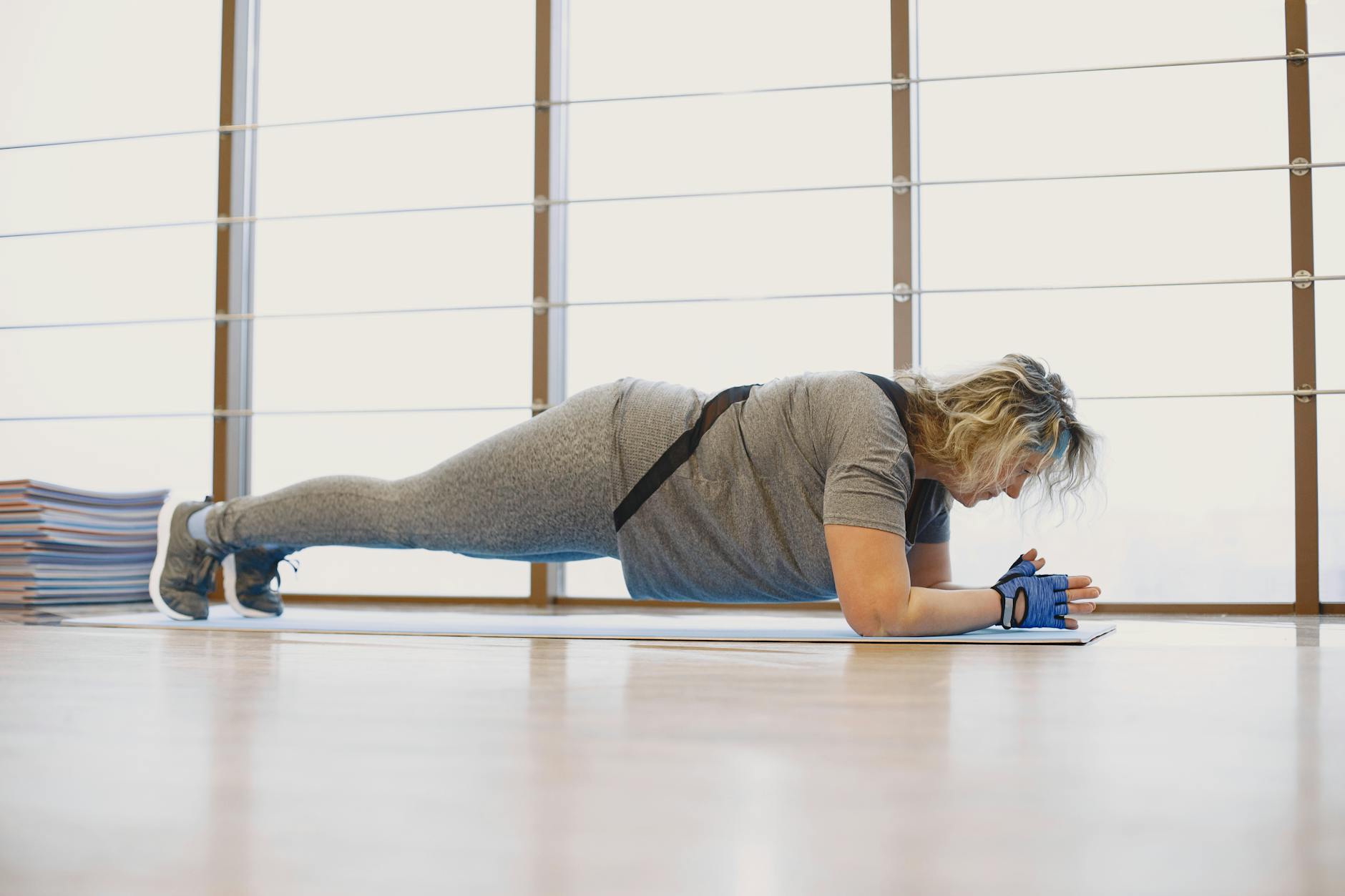
  • Regular Exercise: Engage in activities that strengthen the core and back muscles, such as glute bridges, A/ W/ T/ Y/I fly’s, plank and side planks, bear crawls, farmers walks, deadlifts, rows, pull ups, Olympic lifts, and simply walking every day.
  • Stretching: Incorporate stretching into your routine to maintain flexibility and alleviate tension in the paraspinals.
  • Posture Awareness: Be mindful of your posture while sitting, standing, and moving. Ergonomic furniture can also help support proper alignment.

Photo by Loren Castillo on Pexels.com

Conclusion

The paraspinal muscles are essential for a healthy spine, enabling movement and maintaining posture. By understanding their anatomy and functions, individuals can take proactive steps to strengthen and preserve the health of these important muscles, ultimately supporting overall well-being and functionality.

Photo by Loren Castillo on Pexels.com

Push-Ups in the Morning

A Powerful Way to Wake the Heart

Starting your day with a set of push-ups can be a great way to energize your body and invigorate your mind. This classic exercise not only helps in building strength but also offers numerous cardiovascular benefits. Here’s a closer look at how doing push-ups in the morning can help wake your heart and set a positive tone for your day.

What Are Push-Ups?

Push-ups are a bodyweight exercise that primarily target the chest, shoulders, triceps, and core. They involve lowering and raising the body using the arms while maintaining a straight line from head to heels. This fundamental movement improves muscular endurance and strength.

Benefits of Doing Push-Ups in the Morning

1. Cardiovascular Engagement

While often regarded as a strength training exercise, push-ups can also elevate your heart rate. Performing a set of push-ups can stimulate blood circulation, thereby waking up your heart and preparing your body for the day ahead.

2. Enhanced Metabolism

Doing push-ups first thing in the morning can boost your metabolism, helping you burn calories more effectively throughout the day. This metabolic increase can make it easier to manage weight and maintain energy levels.

3. Improved Muscle Tone

Regularly incorporating push-ups into your morning routine can lead to improved muscle tone, particularly in the upper body. This development not only contributes to a more defined appearance but also enhances functional strength.

4. Mental Clarity and Focus

Exercise, including push-ups, releases endorphins, which are natural mood boosters. Starting your day with physical activity can enhance mental clarity, focus, and overall mood, making it easier to tackle daily tasks.

5. Establishing a Routine

Engaging in push-ups every morning can help establish a solid fitness routine. Consistency is key to any workout regimen, and making push-ups a part of your morning ritual can promote discipline and commitment to your health.

How to Perform a Proper Push-Up

To maximize the benefits of push-ups and avoid injury, it’s essential to maintain proper form:

  1. Start Position: Begin in a plank position with your hands placed slightly wider than shoulder-width apart.
  2. Lowering Phase: Engage your core and slowly lower your body toward the floor, keeping your elbows at a 45-degree angle.
  3. Pushing Up: Push through your palms to raise your body back up to the starting position, maintaining a straight line from your head to your heels.
  4. Repetitions: Aim for 3 sets of 8-12 repetitions, gradually increasing the number as your strength improves.

Tips for a Great Morning Workout

  • Warm-Up First: Always warm up to prevent injury. A few minutes of light cardio or dynamic stretches can prepare your muscles for exercise.
  • Listen to Your Body: If you’re new to push-ups, you might start with modified versions (knee push-ups) and work your way up to traditional push-ups.
  • Stay Hydrated: Drink a glass of water before your workout to stay hydrated and support optimal performance.
  • Combine with Other Exercises: For a more comprehensive morning workout, consider pairing push-ups with other exercises like squats or planks.

Conclusion

Incorporating push-ups into your morning routine can serve as a simple yet effective way to wake your heart and boost your overall health. By fostering strength, enhancing cardiovascular health, and improving mental clarity, push-ups can set a positive and energetic tone for your day. Whether you’re a fitness enthusiast or just starting your journey, this exercise can easily fit into any routine, making it an excellent option for starting the day right.

Trouble Concentrating?

Hypertension: Its Impact on Mind, Body, and Soul

Hypertension, commonly known as high blood pressure, is a prevalent health condition that affects millions of people worldwide. According to the CDC nearly half the adults (48%, 119.9 million) of US citizens have high blood pressure. While it is often referred to as a “silent killer” due to its lack of obvious symptoms, its effects can be profound, extending beyond physical health to impact mental and spiritual well-being. This article delves into how hypertension affects the mind, body, and soul.

Mind: The Cognitive Effects of Hypertension

  1. Cognitive Decline: Research links hypertension to an increased risk of cognitive decline and dementia. The brain requires a healthy blood flow to function optimally. High blood pressure can damage blood vessels, leading to reduced oxygen and nutrient supply, negatively impacting cognitive functions such as memory, attention, and decision-making.
  2. Mental Health Issues: People with hypertension often experience higher levels of stress, anxiety, and depression. The constant worry about health, coupled with physical symptoms, can contribute to a cycle of mental health challenges that further complicate the management of hypertension.
  3. Sleep Disturbances: Hypertension is associated with sleep apnea and other sleep disorders, which can significantly affect mental health. Poor sleep quality can exacerbate cognitive impairment and increase the risk of developing mood disorders.
Photo by cottonbro studio on Pexels.com

Body: The Physical Consequences of Hypertension

  1. Cardiovascular Health: High blood pressure is a primary risk factor for heart disease and stroke. Over time, it can cause damage to the heart and blood vessels, leading to conditions such as heart failure or heart attacks.
  2. Kidney Damage: The kidneys play a crucial role in regulating blood pressure. Hypertension can lead to kidney damage or chronic kidney disease, which can create a cycle of worsening hypertension and further health complications.
  3. Metabolic Syndrome: Hypertension often unfolds alongside other conditions like obesity and diabetes, collectively known as metabolic syndrome. This syndrome increases the risk for severe cardiovascular diseases and other health issues.
Photo by Liliana Drew on Pexels.com

Soul: The Spiritual and Emotional Implications

  1. Stress and Lifestyle: Living with hypertension can lead to increased stress levels, which can stifle one’s emotional and spiritual growth. Chronic stress may lead to feelings of helplessness or hopelessness, making it challenging to engage in activities that nourish the soul.
  2. Lifestyle Changes: The journey of managing hypertension often involves lifestyle adjustments such as dietary changes and increased physical activity. While these changes can be beneficial, they may also require individuals to confront their relationship with food, exercise, and self-care, prompting a deeper examination of personal values and well-being.
  3. Community and Support: Feelings of hopelessness, might impair your judgement, causing you to withdraw from family, friends, and your community.
Photo by Tima Miroshnichenko on Pexels.com

What Helps

  • Stress Reduction Techniques: Consider practices such as yoga, meditation, and deep breathing exercises to help manage stress levels, which can adversely affect blood pressure.
  • Find Relaxation: Engage in hobbies, spend time with loved ones, or participate in activities that bring joy and relaxation.
  • Lifestyle Changes: The Dietary Approaches to Stop Hypertension (DASH) diet emphasizes fruits, vegetables, whole grains, and lean proteins while limiting processed foods, sodium, and added sugars.
  • Community and Support: According to your faith, the impact of hypertension can foster a sense of community as individuals seek support from healthcare professionals, family, friends, and church community. This sense of connection can serve as a source of strength, promoting emotional healing and resilience.
Photo by Kundalini Yoga Ashram on Pexels.com

Conclusion

Hypertension is more than just a physical health issue; it profoundly affects the mind, body, and soul. Understanding these interconnected effects encourages a holistic approach to managing hypertension, emphasizing the importance of addressing mental health, physical well-being, and spiritual nourishment. By recognizing and treating all aspects of this condition, individuals can work towards a more balanced and fulfilling life.

Photo by Monstera Production on Pexels.com

The Spine: A Critical Stabilizer of Movement

The spine, a complex structure composed of vertebrae, discs, ligaments, and muscles, plays a vital role in the stabilization of movement in the human body. This article delves into the anatomy of the spine, its functions, and how it contributes to the stability required for both everyday activities and athletic performance.

Anatomy of the Spine

The human spine consists of 33 vertebrae segmented into five regions:

  1. Cervical Spine (7 vertebrae): Located in the neck, it supports the head and allows for mobility.
  2. Thoracic Spine (12 vertebrae): Attached to the ribs, it forms the upper back and provides stability and protection to the organs.
  3. Lumbar Spine (5 vertebrae): The lower back region designed to bear weight and facilitate (stabilize) movement.
  4. Sacrum (5 fused vertebrae): Connects the spine to the pelvis and supports the weight of the upper body.
  5. Coccyx (4 fused vertebrae): Commonly known as the tailbone, it provides attachment for ligaments and muscles.
Photo by Tima Miroshnichenko on Pexels.com

Between each vertebra are intervertebral discs, which act as shock absorbers, allowing flexibility while protecting the vertebrae from impact.

Functions of the Spine in Movement Stabilization

1. Structural Support

The spine provides the primary framework for the body’s structure. By maintaining an upright posture and aligning the body’s center of gravity, it helps to stabilize the body during movement. Strong spinal alignment reduces the risk of injuries during physical exertion.

2. Load Distribution

The discs in the spine help distribute loads evenly across the vertebrae, reducing stress on any single part. This load distribution is crucial during activities like lifting or running, where the body experiences high impacts.

3. Facilitating Movement

The spine allows for a range of movements including hip hinging, hip rotation, and squatting. This mobility is essential for daily activities, from basic actions like walking to more complex movements in sports. The spine’s design ensures that while range of motion is achieved, stability remains intact.

4. Muscle Attachment

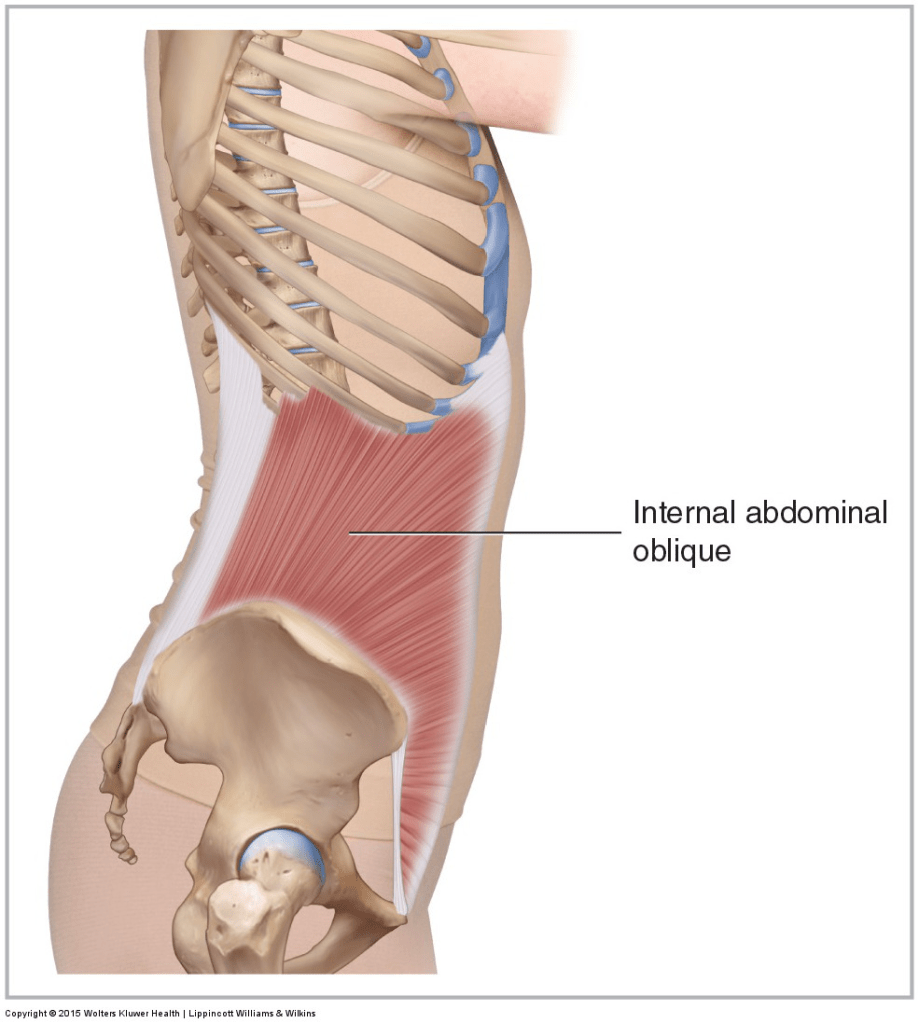
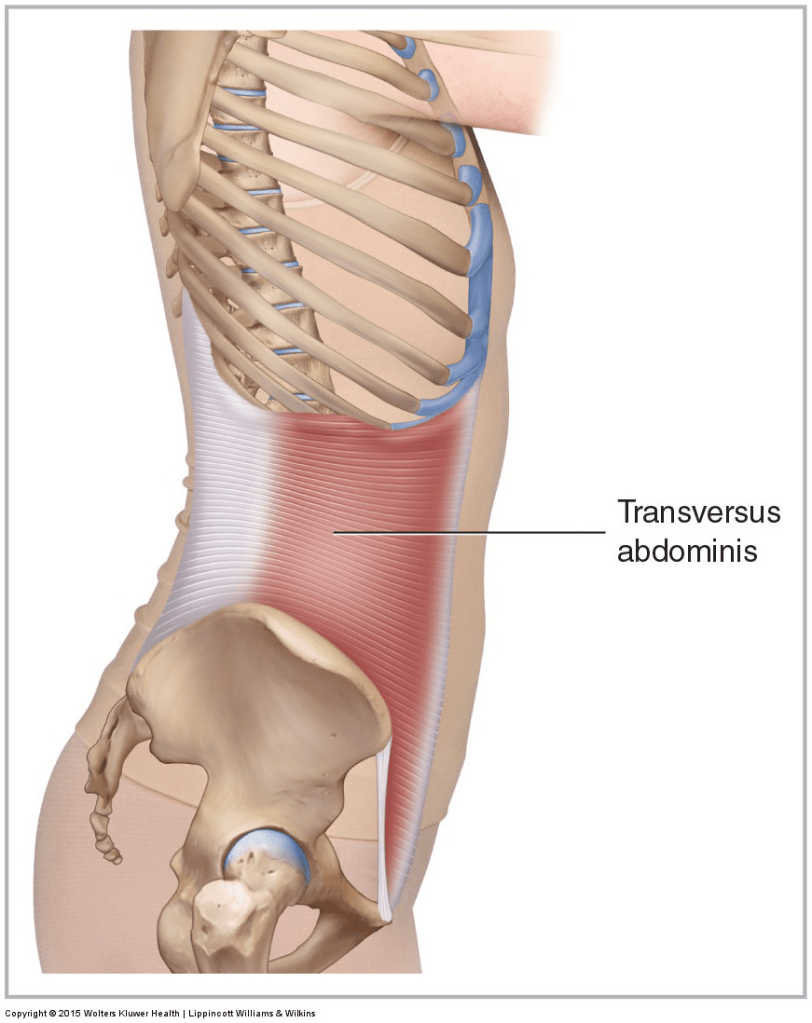
Various muscles attach to the spine, including the erector spinae, multifidus, and abdominal muscles (Yes!). These muscles work in concert to stabilize the spine during movement, preventing excessive motion that could lead to injury. A strong core, working alongside the spinal structure, enhances overall stability.

Figure 26. Lateral view of the right internal abdominal oblique. Courtesy Joseph E. Muscolino. Manual Therapy for the Low Back and Pelvis – A Clinical Orthopedic Approach (2015).

Figure 27. Lateral view of the right transversus abdominis. Courtesy Joseph E. Muscolino. Manual Therapy for the Low Back and Pelvis – A Clinical Orthopedic Approach (2015).

5. Proprioception and Balance

The spine contributes to proprioception—the body’s ability to sense its position and movement in space. Spinal nerves provide feedback to the central nervous system, allowing for better balance and coordination while moving. This is particularly important in dynamic activities such as sports, dance, and even everyday tasks like walking on uneven surfaces.

Photo by Greta Hoffman on Pexels.com

Conclusion

The spine is essential for maintaining stability while allowing for a wide range of movements. Through its structural components, load distribution capabilities, and muscle attachments, it not only supports overall body function but also plays a crucial role in protecting against injury during movement. Understanding the spine’s role can help individuals take better care of their back health and enhance their physical performance. By supporting spinal health through proper posture, strength training, and core exercises, one can ensure a stable and active lifestyle.

Photo by Gustavo Fring on Pexels.com

A Step-by-Step Tutorial on How to Train the Heart

Training the heart is essential for overall cardiovascular health. Here’s a step-by-step guide to effectively train your heart through cardiovascular exercises:

Step 1: Set Clear Goals

  • Determine your fitness objectives, such as improving endurance, losing or maintaining weight, or preparing for a specific event. Having clear goals will help you stay motivated.

Step 2: Choose Suitable Cardiovascular Activities

  • Select exercises that you enjoy and can sustain over time. Here are some effective options:
    • Running, jogging, or jogging in place
    • Cycling
    • Swimming
    • Jump rope
    • Dancing
    • Rowing
    • Brisk Walking
    • Bear Crawls
    • Burpees
    • Water Aerobics
    • Martial Arts
    • Cutting the Lawn
    • You Name It!

Step 3: Start Slowly

  • If you’re new to exercise, begin with 10-15 minutes of light activity. Gradually increase the duration and intensity to prevent injury. Your muscles, tendons, ligaments, even joints, arteries and nerves have to play catch up. Give yourself about 3 months for your body to gradually adjust.

Step 4: Create a Weekly Schedule

  • Aim for at least 150 minutes of moderate-intensity or 75 minutes of high-intensity cardiovascular exercise each week. Example of a cross-training schedule:
    • Monday: 30 minutes of jogging
    • Tuesday: 25 minutes of rowing
    • Wednesday: 30 minutes of cycling
    • Friday: 20 minutes of swimming
    • Saturday: 45 minutes of hiking

Step 5: Monitor Your Heart Rate

  • Use a heart rate monitor or fitness tracker to ensure you’re exercising within the recommended heart rate zones. Aim for 50-85% of your maximum heart rate. You don’t need to max out your heart rate for effective blood transport.

Step 6: Prioritize Consistency

  • Stay consistent with your cardio workouts by sticking to your schedule. Make adjustments as needed but try to maintain a regular routine. This is key. It’s not a routine it’s a lifestyle change. If you’re not ready to do it on your own, ask a fitness professional. Do you have 3 months to commit?

Step 7: Combine with Strength Training

  • Incorporate strength-training exercises at least two times a week. Building muscle can enhance your heart’s efficiency.

Step 8: Stay Hydrated and Eat Well

  • Proper nutrition and hydration support your heart training. Focus on a balanced diet rich in fruits, vegetables, whole grains, and lean proteins.

Step 9: Track Your Progress

  • Keep a journal or use an app to log your workouts, heart rate, and any changes in your fitness level. Celebrate milestones to stay motivated.

Step 10: Consult with a Professional

  • If you’re unsure where to start or have existing health concerns, consult with a fitness professional or healthcare provider for personalized guidance.

By following these steps, you’ll effectively train your heart, enhancing its performance and your overall fitness level.

What Exactly is Metabolic Syndrome?

Metabolic syndrome is a complex cluster of conditions that increase the risk of heart disease, stroke, and type 2 diabetes. It involves various metabolic factors and is a significant public health concern.

The Syndrome

Metabolic syndrome is diagnosed when an individual has a combination of at least three of the following risk factors:

  1. Abdominal Obesity: This is often measured by waist circumference. A waist measurement of 40 inches or more in men and 35 inches or more in women is considered a risk factor.
  2. High Blood Pressure (on the arterial wall): Blood pressure readings of 130/85 mmHg or higher are considered as part of the syndrome.
  3. Increased Blood Sugar (Glucose) Levels: A fasting blood sugar level of 100 mg/dL or higher indicates insulin resistance or pre-diabetes.
  4. High Triglyceride (Energy Source) Levels: Triglyceride levels of 150 mg/dL or higher are associated with metabolic syndrome.
  5. Low HDL (Good) Cholesterol Levels: A reading of less than 40 mg/dL in men and less than 50 mg/dL in women is considered a risk.

Causes of Metabolic Syndrome

Several factors contribute to the development of metabolic syndrome, including:

  • Obesity: Especially central obesity, where fat accumulates around the abdomen.
  • Insulin Resistance: The body’s cells become less responsive to insulin, leading to higher blood sugar levels.
  • Physical Inactivity: A sedentary lifestyle contributes to weight gain and associated health risks.
  • Genetics: Family history can play a role in the development of metabolic syndrome.
  • Aging: Risk increases as people get older, particularly after the age of 40.

Symptoms

Metabolic syndrome typically does not present clear symptoms. However, the following may be observed:

  • Excess fat around the waist
  • Fatigue
  • Dark patches of skin (acanthosis nigricans), commonly found in folds of skin
  • Elevated blood pressure and glucose levels may be detected during routine medical examinations

Health Risks

Individuals with metabolic syndrome are at a higher risk for:

  • Cardiovascular Diseases: The cluster of conditions raises the likelihood of heart attacks and strokes.
  • Type 2 Diabetes: Insulin resistance often leads to elevated blood sugar levels and diabetes.
  • Fatty Liver Disease: Excess fat can accumulate in the liver, leading to liver diseases.
  • Kidney Disease: The added strain on the kidneys can lead to chronic kidney disease.

Management and Prevention

Managing and preventing metabolic syndrome includes lifestyle modifications such as:

  • Healthy Diet: Emphasizing fruits, vegetables, whole grains, lean protein, and healthy fats while reducing processed foods and sugars.
  • Regular Exercise: Aiming for at least 150 minutes of moderate intensity exercise each week. For example, a 15-minute walk in the morning and a 15-minute walk in the evening 5 days a week.
  • Weight Loss: Even a modest weight loss of 5-10% can significantly reduce risk factors.
  • Regular Health Checkups: Monitoring blood pressure, cholesterol, and glucose levels can help in early detection and management.

Conclusion

Metabolic syndrome is a critical health issue that can lead to severe complications if not addressed. Understanding the risk factors and committing to a healthier lifestyle are essential steps in managing this condition and reducing the associated health risks. Regular check-ups with healthcare professionals ensure that one can take proactive measures towards a healthier future.

Photo by Dean Ha on Pexels.com

Baby steps…

The Pectoralis Major

The pectoralis major is a large, fan-shaped muscle situated at the front of the chest. This vital muscle plays a key role in various upper body movements and is essential for both strength training and everyday activities.

Anatomy of the Pectoralis Major

The pectoralis major has two primary components: the clavicular head and the sternal head.

  • Clavicular Head: Originating from the medial half of the clavicle, this part is responsible for flexing the humerus (the upper arm bone) and moving the arm forward.
  • Sternal Head: This portion arises from the sternum and the first six ribs. It plays a crucial role in adducting (bringing the arm toward the body) and internally rotating the shoulder.

Both heads insert at the greater tubercle of the humerus, making them effective in controlling arm movements.

Function of the Pectoralis Major

The pectoralis major is instrumental in several movements of the shoulder joint:

  1. Adduction of the Arm: It allows the arms to move closer to the body.
  2. Flexion of the Arm: It helps in raising the arm forward.
  3. Internal Rotation of the Arm: This enables the arm to turn inward.

These functions are commonly utilized in various activities such as pushing, throwing, and lifting.

Importance in Exercise and Strength Training

The pectoralis major is heavily targeted in strength training exercises. Some popular exercises aimed at strengthening this muscle include:

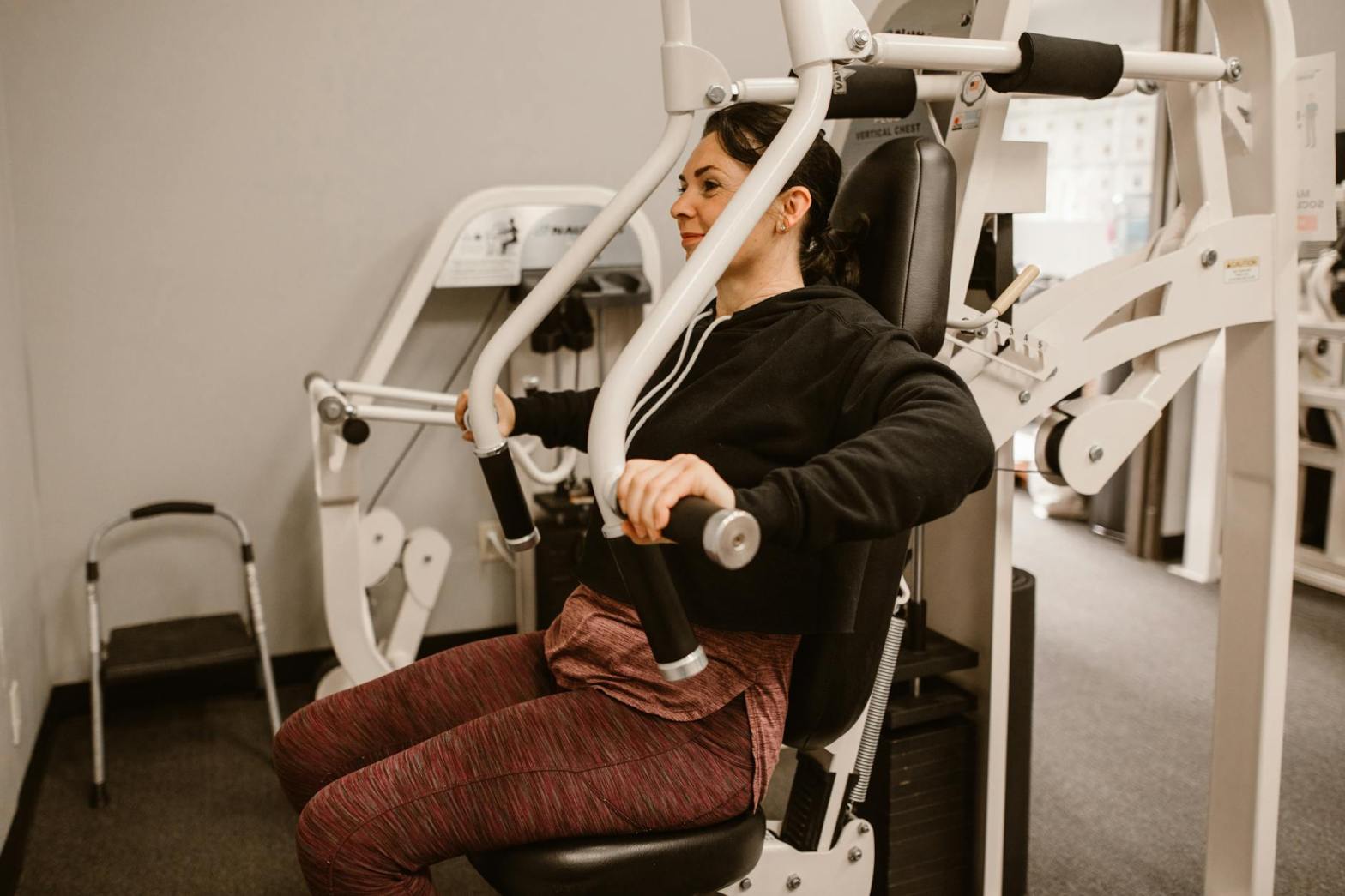
  • Bench Press: Engages both heads of the pectoralis major and is a fundamental exercise for building chest strength.
  • Push-Ups: A bodyweight exercise that works the chest, shoulders, and triceps.
  • Chest Flys: Focuses on isolating the pectoralis major, allowing for a greater range of motion.

Regularly strengthening the pectoralis major contributes to better performance in sports and physical fitness, strengthens the heart, promotes muscular balance, and helps prevent injuries.

Common Injuries

Like any muscle group, the pectoralis major can be susceptible to injuries, particularly through overuse or improper technique during exercise. Common injuries may include strains or tears, which can happen when lifting heavy weights without adequate warm-up or when performing repetitive overhead activities without proper form.

Conclusion

The pectoralis major is a fundamental muscle in the upper body, crucial for numerous physical activities and exercises. Understanding its role, anatomy, and function can help individuals optimize their workouts, enhance upper body strength, and reduce the risk of injuries. Whether you’re a fitness enthusiast or simply looking to improve your overall health, giving attention to this muscle is beneficial for achieving your physical goals.

Foam Roll Plank Saw

The foam roll plank saw is an exercise that effectively bridges the gap between core stability and upper body strength. This dynamic movement not only targets the core but also actively engages the arms, through the serratus anterior muscles, enhancing overall muscular coordination.

How It Works

  1. Starting Position: Begin in a low plank position with your forearms placed on a foam roller. Ensure your body forms a straight line from head to heels, engaging your core throughout this position.
  2. Plank Mechanics: While maintaining the plank, shoulders externally rotated, forearms pushing down into the foam roll. Squeeze your legs together, squeeze your abs, squeeze your glutes and quads to become very stable. This setup engages the serratus anterior, external rotators of the shoulders, and core which are crucial for maintaining stability in an overhead press.
  3. The Saw Motion: As you perform the saw motion, gently roll the foam roller forward and backward. This action requires control and precision, further engaging the arms. The pushing and pulling motion not only strengthens the upper body but also challenges the stability of the core.
  4. Core Engagement: The primary goal of the foam roll plank saw is to keep the core stable, while the arms are moving. As you roll, your serratus anterior, abdominals and obliques must work hard to support the movement, allowing the arms to seamlessly contribute to maintaining alignment.
  5. Muscular Synergy: This exercise exemplifies the synergy between the core and upper body. As the arms push and pull the foam roller, they help in transferring the strength needed to keep the torso stable, effectively linking upper body strength to core stability.

Benefits

  • Increased Core Stability: The demanding nature of the foam roll plank saw enhances core strength, crucial for all athletic movements.
  • Arm Activation: By involving the arms in the plank, this exercise broadens the scope of the plank drill, leading to improved strength and endurance.
  • Enhanced Coordination: Performing the saw movement requires coordination and balance, making it perfect for functional training.

Incorporating the foam roll plank saw into your fitness routine not only adds variety but also offers a comprehensive approach to strengthening both the core and upper body simultaneously.

Do not attempt if you have a shoulder injury!

Feeling the Pressure?

The Silent Killer

Monitoring blood pressure is essential for maintaining heart health and overall well-being. There are often no warning signs before a heart attack caused by high blood pressure. So, here’s a comprehensive guide on understanding and measuring blood pressure effectively.

Learn the Basics of Blood Pressure

  • Definition: Blood pressure is the force of blood against the walls of your arteries as your heart pumps it around your body.
  • Components: Blood pressure readings consist of two numbers:
    • Systolic Pressure: The higher number, measures the pressure in your arteries when your heart beats.
    • Diastolic Pressure: The lower number, measures the pressure in your arteries when your heart rests between beats.

Know the Blood Pressure Categories

Understanding the categories of blood pressure can help identify health risks:

  • Normal: Less than 120/80 mmHg
  • Elevated: Systolic between 120-129 and diastolic less than 80
  • Hypertension Stage 1: Systolic between 130-139 or diastolic between 80-89
  • Hypertension Stage 2: Systolic of 140 or higher or diastolic of 90 or higher
  • Hypertensive Crisis: Systolic over 180 and/or diastolic over 120 (immediate medical attention required)

Gather Necessary Equipment

To measure blood pressure, you will need:

  • A blood pressure monitor (manual or automatic)
  • A comfortable and quiet space

Prepare for the Measurement

  1. Rest: Sit quietly for at least 5 minutes before measuring.
  2. Posture: Sit in a chair with your back supported, feet flat on the ground, and arm at heart level.
  3. Avoid: Don’t drink caffeine, smoke, or exercise 30 minutes prior to the measurement.

Measuring Blood Pressure

Using an Automatic Blood Pressure Monitor

  1. Wrap the cuff around your upper arm, about an inch above the elbow.
  2. Press the start button.
  3. Wait for the machine to display your readings.
Photo by cottonbro studio on Pexels.com

Using a Manual Blood Pressure Monitor

  1. Wrap the cuff around your arm, ensuring it’s snug but not too tight.
  2. Place the stethoscope over the brachial artery (inner elbow).
  3. Inflate the cuff by pumping the bulb until the pressure is about 30 mmHg above your expected systolic.
  4. Slowly release the air from the cuff while listening through the stethoscope:
    • The first sound you hear is the systolic pressure.
    • The last sound you hear is the diastolic pressure.
  5. Record your reading.
Photo by Lagos Food Bank Initiative on Pexels.com

Keep a Record

Maintain a log of your blood pressure readings over time to track changes and share with your healthcare provider. Note the date, time, and any relevant activities that may affect your readings.

Understand When to Consult a Doctor

If you consistently record high readings (especially above 130/80 mmHg), or experience symptoms such as headaches, dizziness, or shortness of breath, consult a healthcare professional for further evaluation.

Conclusion

If you’re feeling pressure in the chest don’t ignore it. Regularly monitoring your blood pressure is vital for your health. Understanding how to measure it accurately allows you to take proactive steps toward managing your cardiovascular health effectively. Always consult with a healthcare professional for tailored advice and recommendations.

Photo by Puwadon Sang-ngern on Pexels.com

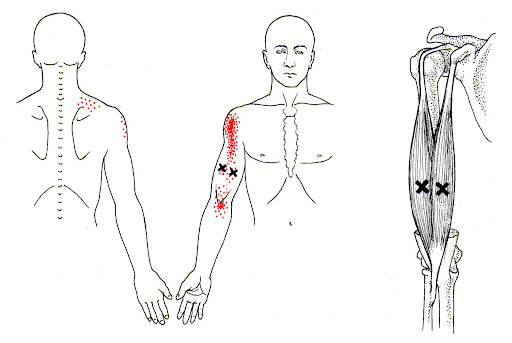
Bicep Brachii Trigger Points

Understanding Trigger Points in the Biceps Brachii and Their Impact on Shoulder Pain

Trigger points are hyperirritable spots in skeletal muscle that are associated with palpable nodules in taut bands of muscle fibers. These points can refer pain to other areas, leading to discomfort and complications. One such area involves trigger points in the biceps brachii, a muscle located in the upper arm.

Anatomy of the Biceps Brachii

The biceps brachii consists of two heads: the long head and the short head. The biceps brachii is primarily responsible for elbow flexion and supination of the forearm. Its origin at the scapula and insertion at the radius (short head) allows it to have a significant role not only in arm movement but also in stabilizing (long head) the shoulder joint.

Trigger Points in the Biceps Brachii

When trigger points develop in the biceps brachii, they can evoke pain not only in the muscle itself but also in surrounding areas. Common causes of trigger points include:

  • Overuse during activities such as weightlifting or repetitive overhead movements
  • Poor posture that places undue stress on the shoulder girdle
  • Trauma or direct injury to the arm or shoulder area

Referral Patterns

Image courtesy of Travell, Janet; Simons, David. Travell and Simons’ Trigger Point Flip Charts (p. 8). LWW. Kindle Edition.

One of the key characteristics of trigger points is their referral pattern. When trigger points form in the biceps brachii, they can refer pain to:

  • The shoulder region
  • The elbow region

Referral in the shoulder can lead to discomfort that may feel like it originates from within the shoulder joint.

How Bicep Trigger Points Cause Pain Near the Scapula and Humerus

The scaption (scapular plane elevation) during shoulder movements engages the biceps brachii and can aggravate any existing trigger points, leading to pain in these areas. The pain may manifest as:

  • Sharp pain in the shoulder
  • Difficulty with overhead movements

As the muscles around the shoulder region tighten in an attempt to compensate for the pain, this can further aggravate the discomfort and limit range of motion.

Management and Treatment

Effective management of trigger points in the biceps brachii often includes a combination of:

  1. Rest and Recovery: Allowing time for the muscle to heal and reducing activities that exacerbate pain.
  2. Physical Therapy: Engaging a professional can help in utilizing specific exercises and stretches to release tension.
  3. Manual Therapy: Techniques such as deep tissue massage can directly target trigger points, helping to alleviate pain and restore function.
  4. Posture Correction: Adjusting posture during daily activities can prevent the recurrence of trigger points.
  5. Use of Heat or Ice: Applying heat can promote blood flow to the muscle, while ice can reduce inflammation during acute flare-ups.

Conclusion

Understanding the relationship between trigger points in the biceps brachii and shoulder pain is an option for effective treatment. By recognizing the symptoms and employing appropriate therapeutic strategies, individuals can significantly reduce discomfort and improve their shoulder mobility. Early intervention and a proactive approach to stretching and strengthening exercises can help prevent the formation of new trigger points, promoting long-term shoulder health.

Photo by Andrea Piacquadio on Pexels.com