
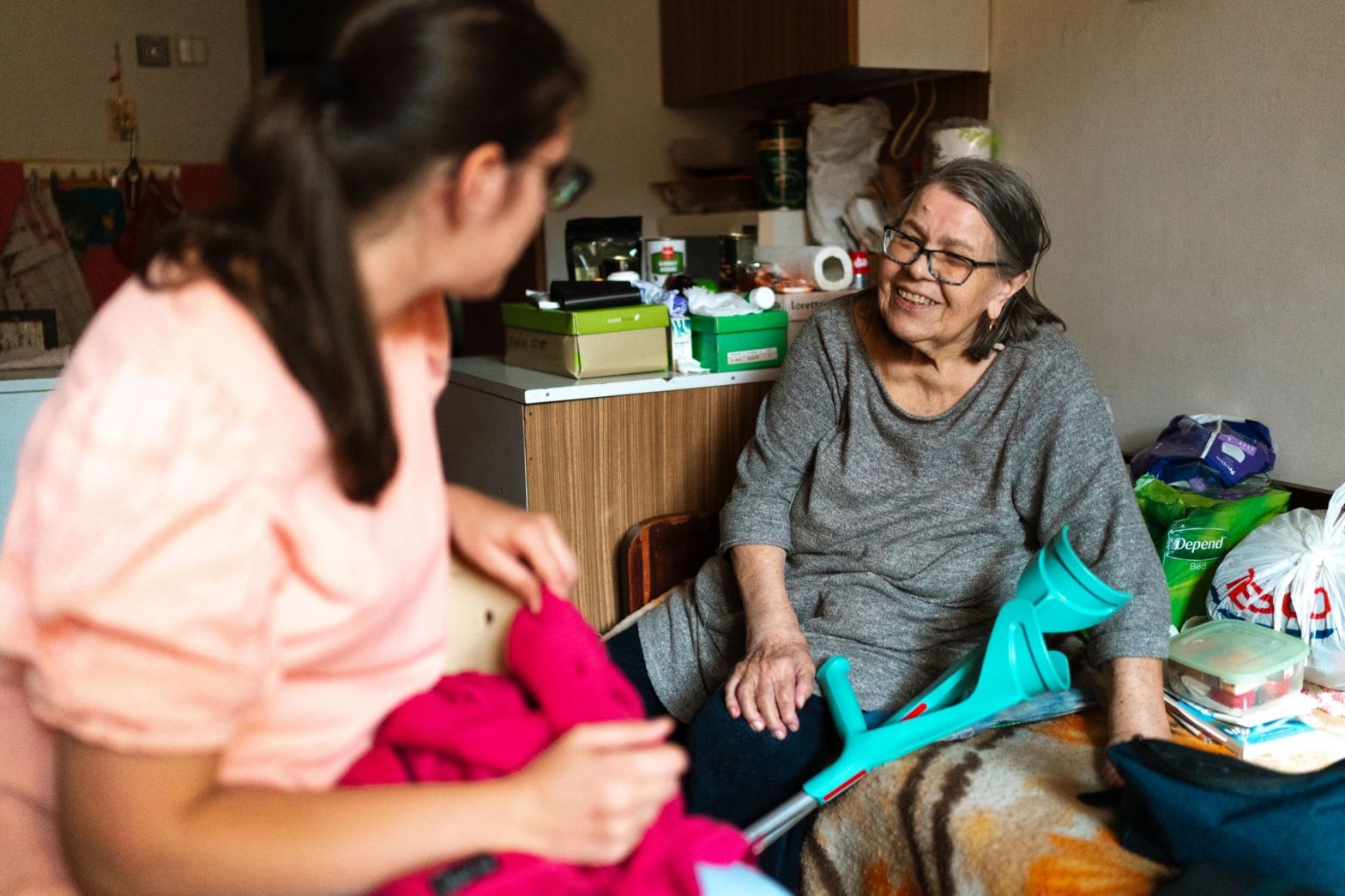
Do you Care?
“There are only four kinds of people in the world: those who have been caregivers, those who are currently caregivers, those who will be caregivers, and those who will need caregivers.” Rosalynn Carter
“1 in 4 people are caregivers and many do not know it”.
“Nearly 3 in 10 family caregivers are caring for both an aging parent and a child below the age of 18”.
Who is a Caregiver?

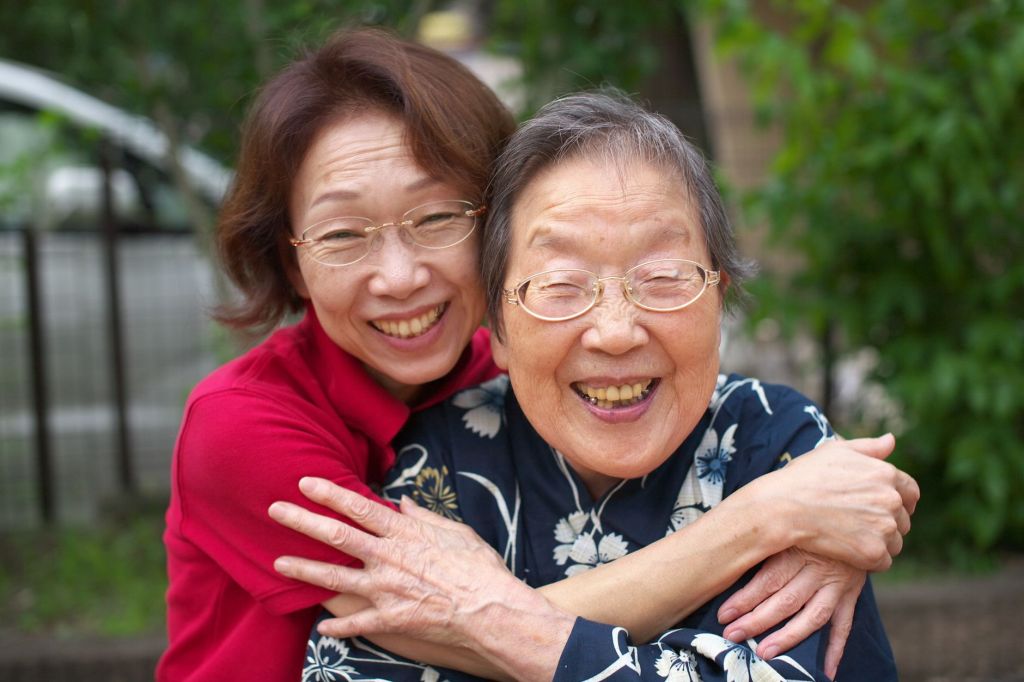
A caregiver is someone who provides regular assistance, support, or supervision to a person who needs help because of age, illness, disability, injury, or another life circumstance. For example,
- Parent
- Guardian
- Foster parent
- Stepparent
- Grandparent
- Grandchild
- Sibling
- Spouse
- Partner
- Adult child
- Relative
- Friend
- Neighbor
- Nanny
- Babysitter
- Au pair
- Home health aide
- Personal care aide
- Nursing assistant
- Nurse
- Doctor
- Therapist
- Case manager
- Respite worker
- Hospice worker
- Live-in caregiver
- Professional caregiver
- Family caregiver
- Primary caregiver
- Secondary caregiver
- Unpaid caregiver
- Paid caregiver
Caregivers may be family members, friends, neighbors, or paid professionals. Many caregivers do not immediately recognize themselves as caregivers because they are simply helping someone they love.
What does a Caregiver do?
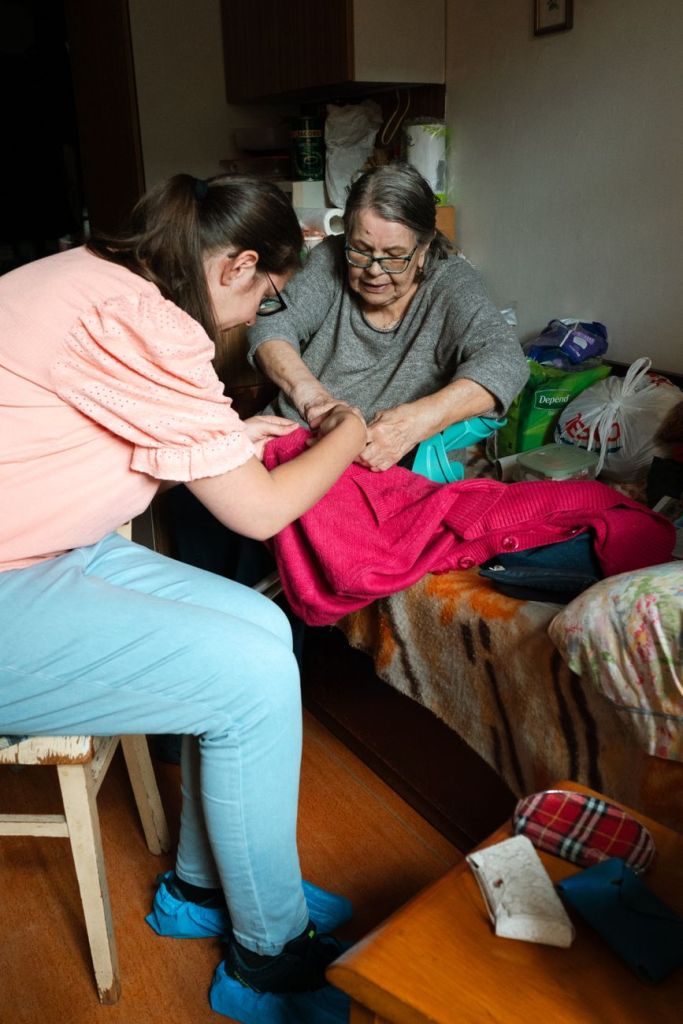
Caregivers support people by:
- Helping with bathing, dressing, grooming, and toileting
- Preparing meals and assisting with eating
- Managing medications and medical appointments
- Providing transportation
- Helping with shopping, cleaning, and other household tasks
- Offering companionship and emotional support
- Monitoring changes in health or behavior
- Advocating for the person’s needs with healthcare providers and service organizations
- Assisting with finances, paperwork, or daily planning
- Providing supervision to help keep the person safe
Why Does it Matter?
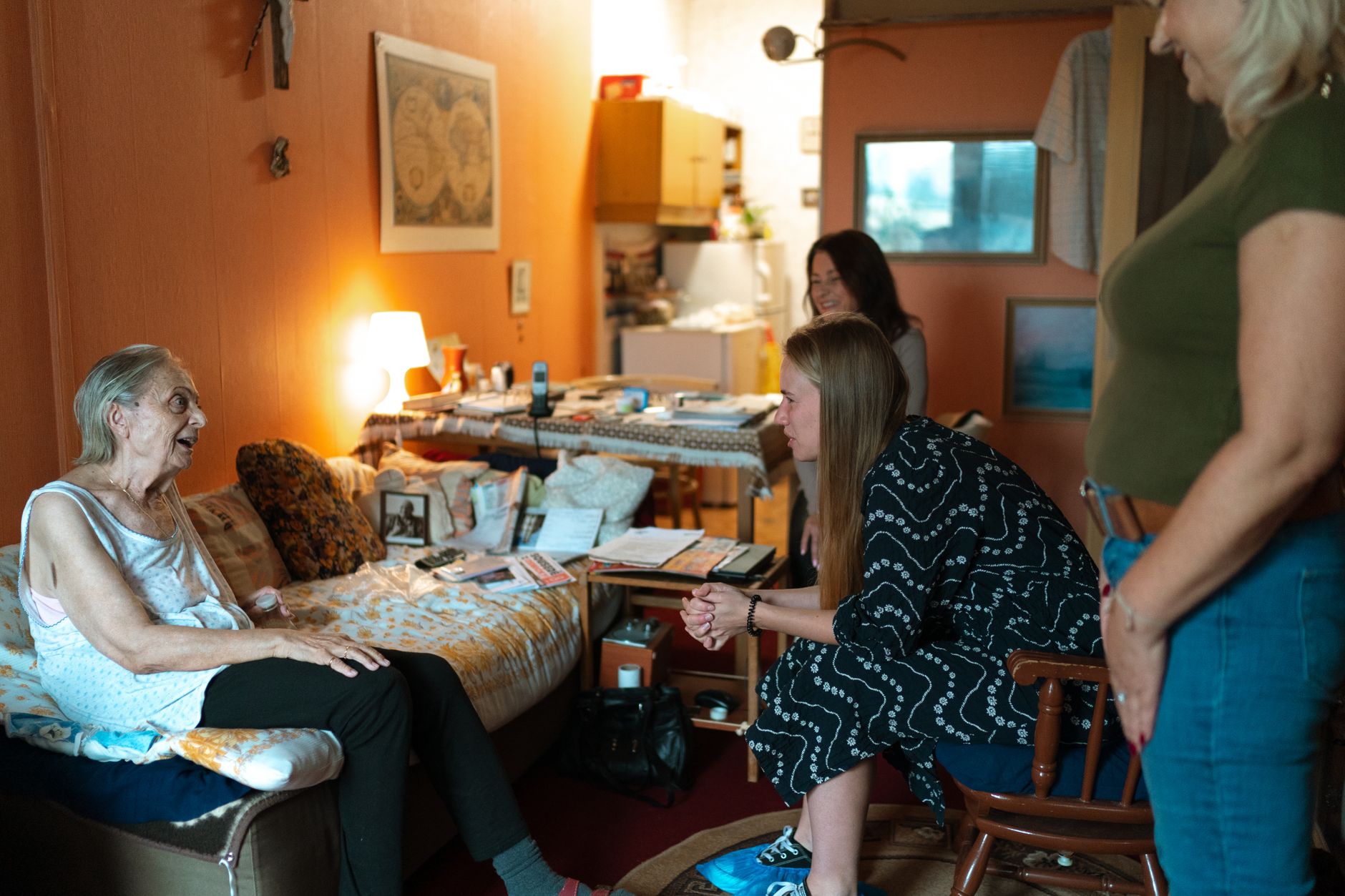
Caregiving is not simply a private family responsibility. It is essential social infrastructure. Every meal prepared, appointment attended, medication managed, and moment of companionship helps create a healthier, safer, and more compassionate society.
Caregivers:
- Protect health and safety by helping with medications, appointments, meals, mobility, and daily routines.
- Support independence by assisting people in doing what they can while providing help where it is needed.
- Preserve dignity by offering respectful support with personal care and other vulnerable tasks.
- Strengthen families and communities by helping older adults, children, people with disabilities, and those recovering from illness remain connected and involved.
- Reduce pressure on healthcare systems by providing essential support that may prevent accidents, complications, or unnecessary hospital visits.
- Offer emotional support through companionship, patience, advocacy, and reassurance.
- Make work and family life possible for millions of people balancing employment, parenting, and caregiving responsibilities.
Many people will eventually provide care, receive care, or need support themselves. Recognizing and supporting caregivers—through respite, practical assistance, fair wages, healthcare resources, and understanding—is therefore an investment in the well-being of the entire community.
What can a I do?

Caregivers often focus so much on another person’s needs that they neglect their own. However, self-care is not selfish—it helps you remain healthy, patient, and able to provide safe, compassionate support.
Recognize Your Own Needs
Pay attention to warning signs such as:
- Constant fatigue or difficulty sleeping
- Feeling anxious, depressed, angry, or hopeless
- Frequent headaches or other unexplained physical symptoms
- Changes in appetite or weight
- Resentment toward the person you care for
- Withdrawing from friends and activities
- Feeling unable to cope or keep going
These signs may indicate caregiver stress or burnout. Speak with a healthcare professional if they persist or interfere with daily life.
Ask for Help
You do not have to do everything alone. Ask family members, friends, neighbors, faith communities, or community organizations for specific assistance, such as:
- Preparing meals
- Providing transportation
- Staying with the person you care for
- Running errands
- Helping with household tasks
- Accompanying you to appointments
Create a list of tasks and let others choose how they can help.
Schedule Regular Breaks
Take short breaks throughout the day, even if you can spare only a few minutes. When possible, arrange respite care so you can rest, attend appointments, exercise, or spend time away from caregiving responsibilities.
Protect Your Health
Make your own health a priority by:
- Keeping medical and dental appointments
- Taking medications as prescribed
- Eating regular, nourishing meals
- Drinking enough water
- Getting adequate sleep
- Moving your body in ways that feel manageable
- Limiting alcohol and avoiding tobacco or other harmful substances
Stay Connected
Maintain relationships and activities that support your emotional well-being. Talk regularly with trusted friends, relatives, a support group, therapist, or counselor. Sharing your experiences can reduce isolation and help you find practical solutions.
Set Boundaries
It is acceptable to say no to requests that exceed your time, energy, finances, or abilities. Set realistic expectations and identify which responsibilities truly require your involvement.
Learn About Available Resources
Contact local aging, disability, public health, or social-service organizations to ask about:
- Respite services
- Support groups
- Transportation assistance
- Home-care programs
- Meal delivery
- Financial or legal guidance
- Counseling
- Caregiver training
Create an Emergency Plan
Keep important contacts, medications, medical information, and care instructions organized. Identify someone who can step in if you become ill or need urgent help.
Seek Immediate Support When Needed
If you feel out of control, fear that you may harm yourself or someone else, or are experiencing a mental-health emergency, step away if it is safe to do so and contact emergency services or a crisis-support line immediately.
Remember: You cannot pour from an empty cup. Taking care of yourself is an essential part of taking care of someone else.
- 6 Month Program
- Bibliography
- Contact/Inquiry
- LEARN
- Privacy Policy
- Reviews
- Terms and Agreements
- Ramat
- Your Local Trainer a Living Room Away
- Thank You


