

Did you know that as we age the brain’s neuroplasticity declines. That can be said about almost anything as it ages, but there is hope. According to Optimal Exercise for Improved Cognitive Function by Terrence Moriarty MA, PhD, moderate intensity exercise helps to increase blood flow to the brain. Therefore, improved blood flow to the brain equals better cognitive function.
The Bell Curve Effect

Moriarty found that there was a sweet spot for exercise intensity. Low intensity exercise did not produce the best cognition, but it was better than nothing. The high intensity exercise did not improve cognition either, due to blood flow being concentrated in the motor control area of the brain. The sweet spot for exercise intensity was moderate exercise intensity. This type of exercise intensity was not too easy and not too hard. So working at about 64% to 76% of age predicted maximal heart rate (HRmax= 220-age) will put you into that zone. For example, being able to speak a sentence but not have a conversation.
Why Exercise Matters for the Aging Brain

As we grow older the body ages and the brain is not spared. Someone in their 40’s with impaired cognition will have trouble learning, remembering, or concentrating. For example, this person may make poor decisions that lower their work performance and reduce their quality of life. Given enough time, it may predict psychiatric disorders like Parkinson and Alzheimer’s disease, and treatment adherence like missing therapy sessions. When the two predictions are combined, it creates a negative feedback loop that makes cognitive decline far worse.
How Exercise May Benefit the Brain
Brain-Derived Neurotrophic Factor
Brain-derived neurotrophic factor, or BDNF, is a protein involved in the growth, maintenance, and communication of brain cells. Exercise may increase BDNF availability, supporting neuroplasticity and the formation of neural connections.
This may be one reason physical activity is associated with improved learning and memory. The brain is not a fixed structure; it continually adapts to the demands placed upon it. Exercise provides a physiological signal that encourages this adaptability.
Cerebral Blood Flow
Moderate exercise increases circulation throughout the body, including blood flow to the brain. Improved cerebral blood flow may help deliver oxygen and nutrients while supporting the brain’s ability to perform cognitive tasks.
This helps explain why a short walk can sometimes improve alertness and concentration. Exercise may be particularly valuable for individuals whose daily routines involve prolonged sitting or limited movement.
Reduced Neuroinflammation
Chronic inflammation may negatively affect brain function. Regular physical activity can help regulate inflammatory processes and support healthier immune function.
The relationship is influenced by exercise dose. Moderate, well-managed exercise may be beneficial, while excessive training without adequate recovery can place additional stress on the body. Rest, nutrition, hydration, and sleep are therefore essential parts of an exercise program designed to support cognition.
Practical Strategies for Different Populations
Exercise recommendations should be adapted to the individual.
For Older Adults
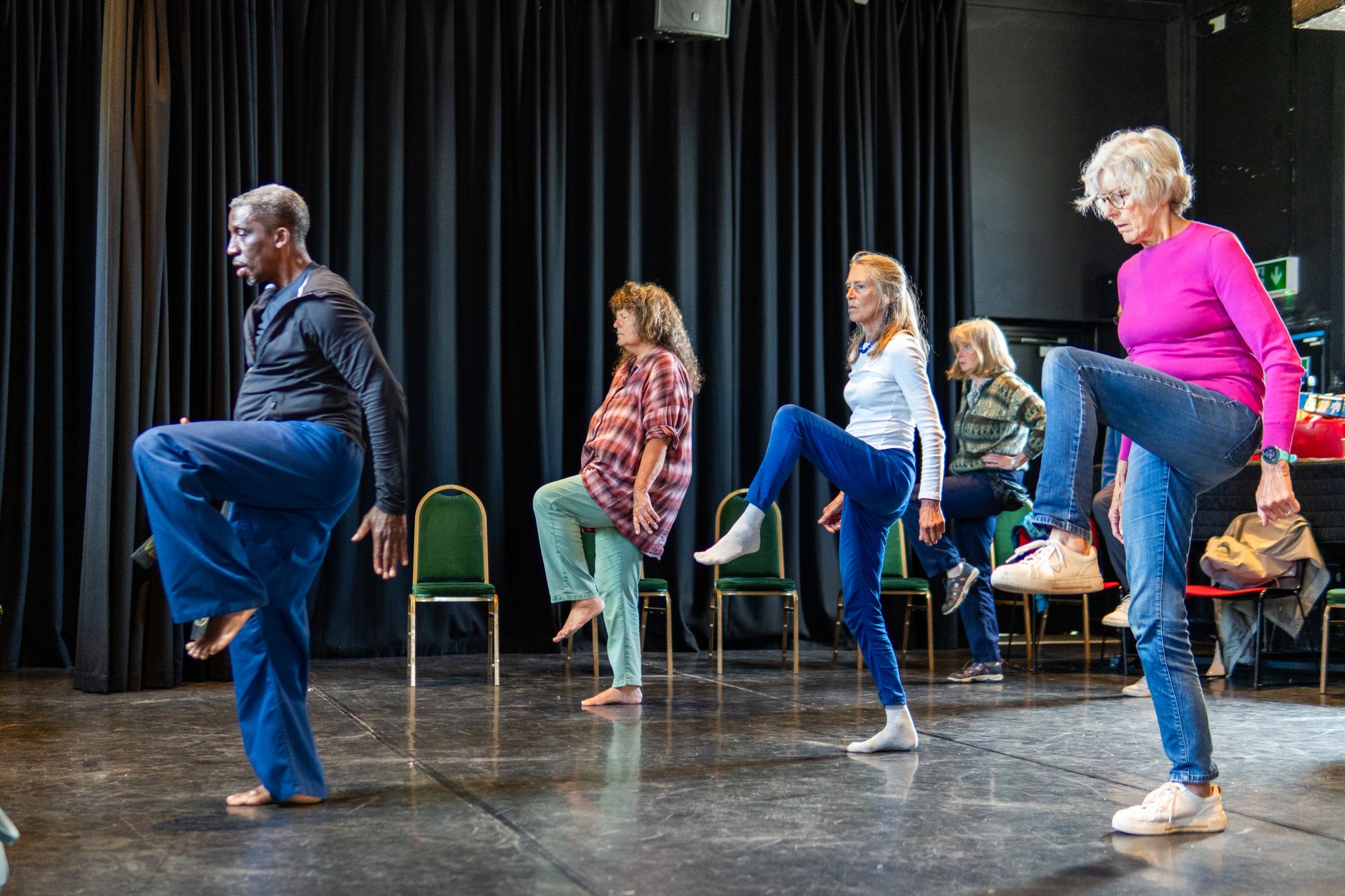
Older adults may benefit from combining moderate aerobic activity, strength training, balance exercises, and mobility work. Incorporate cognitive training like counting backwards by 7 while balancing increases cognitive benefits. A weekly routine might include:
- Several short walks
- Two strength-training sessions
- Balance exercises near a stable support
- Gentle stretching or tai chi
Starting with manageable sessions can build confidence and reduce the risk of injury. Medical guidance may be appropriate for individuals with chronic conditions, significant mobility limitations, or recent health changes.
For Athletes

Athletes already complete substantial physical training, but cognitive benefits may depend on recovery and exercise variety. Adding coordination drills, tactical decision-making (catching a thrown ball with either left or right hand while squatting), mobility work, and carefully timed moderate-intensity sessions may support both performance and mental sharpness.
Athletes should also avoid assuming that more intensity is always better. Excessive training stress, inadequate sleep, and insufficient recovery can undermine both physical and cognitive performance.
For the General Population

For most people, the best program is one that is realistic and enjoyable. Walking, cycling, recreational sports, home workouts, dancing, and active transportation can all contribute to brain health.
Useful strategies include:
- Scheduling movement breaks during the workday
- Taking a short walk after meals
- Using stairs when practical
- Exercising with a friend
- Pairing movement with music or podcasts
- Keeping equipment visible and accessible
- Setting process goals rather than perfection-based goals
Even brief bouts of activity can be meaningful when they are repeated consistently. As your body adapts, you might find yourself (slowly) losing weight in 2 weeks by walking 30 minutes a day…
- 6 Month Program
- Bibliography
- Contact/Inquiry
- LEARN
- Privacy Policy
- Reviews
- Terms and Agreements
- Ramat
- Your Local Trainer a Living Room Away
- Thank You


