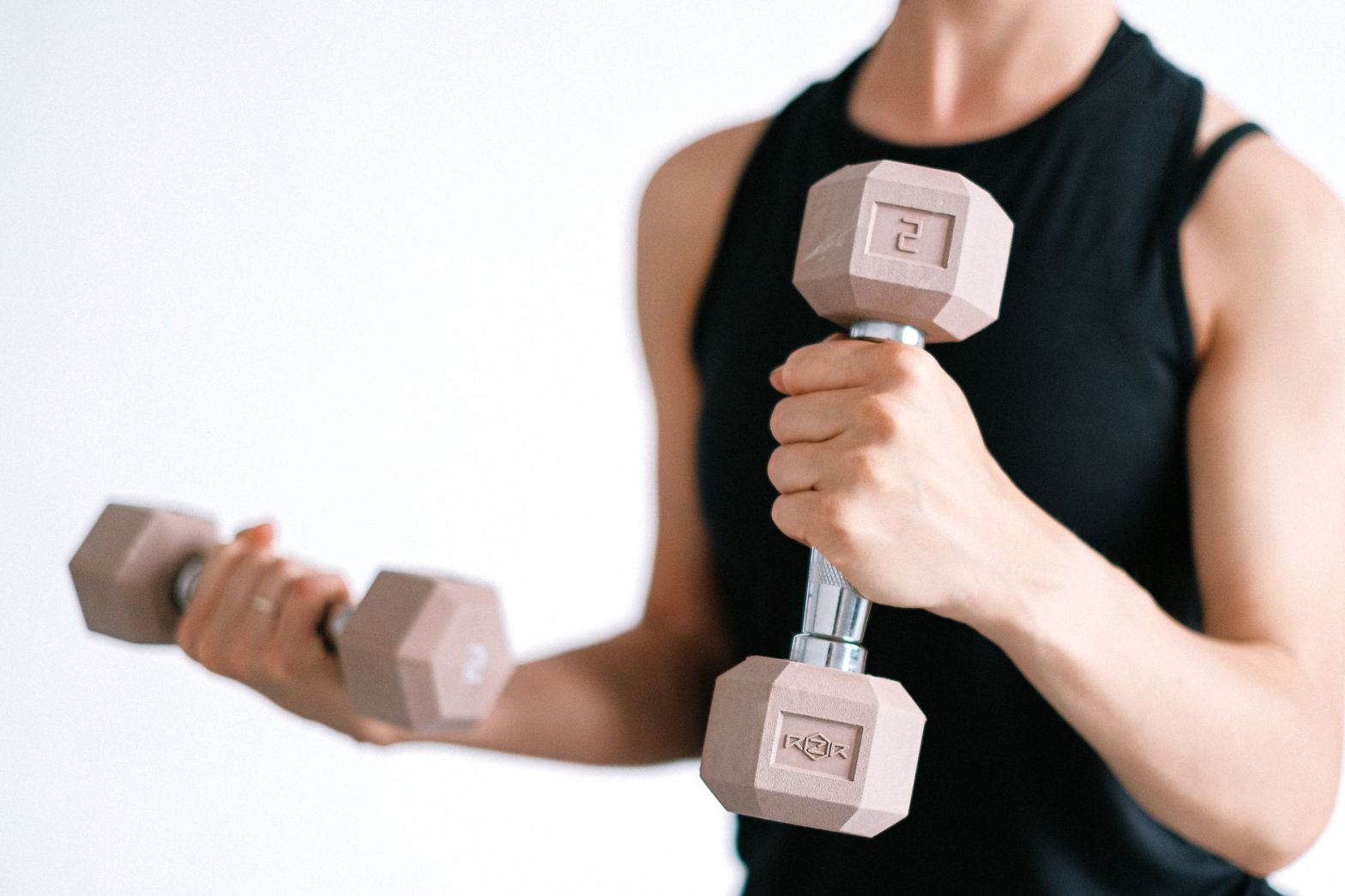
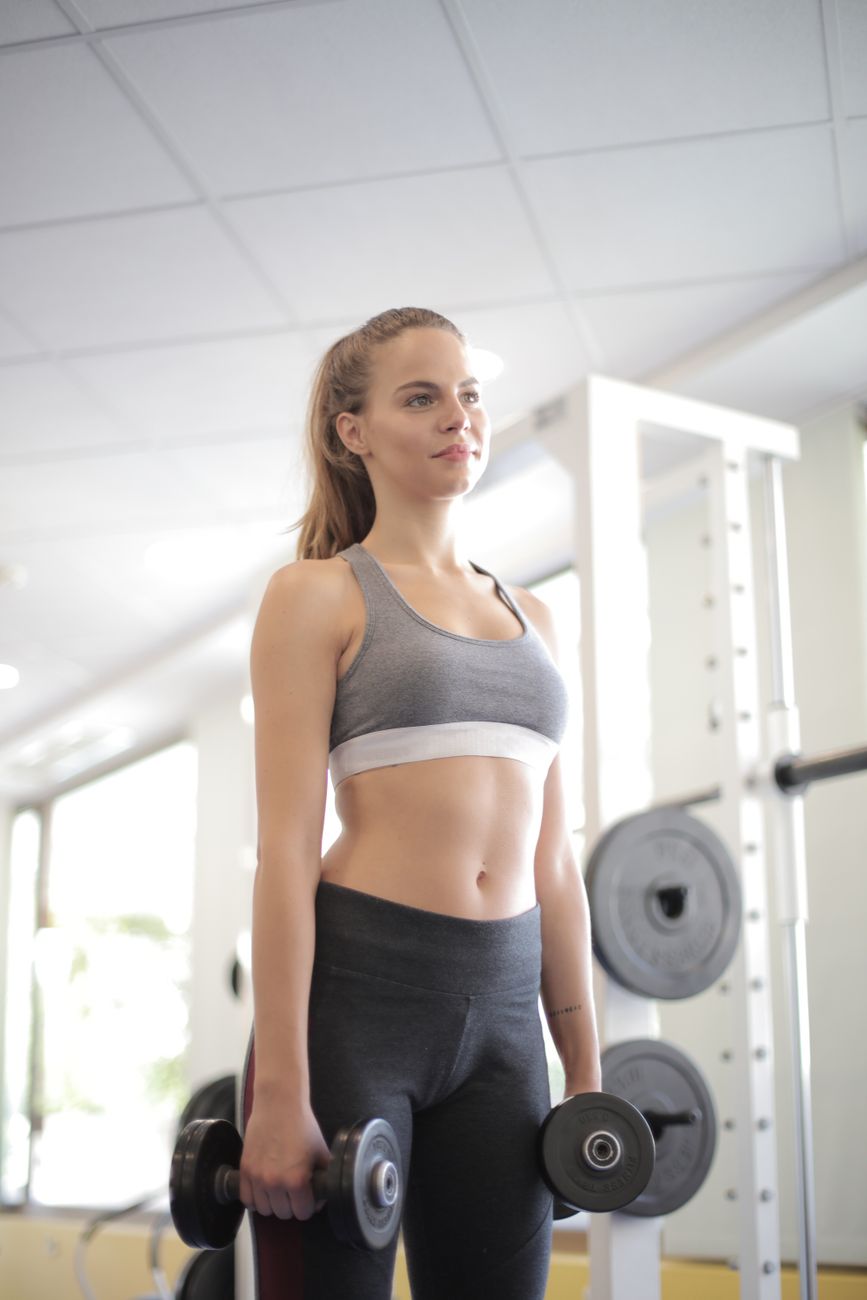
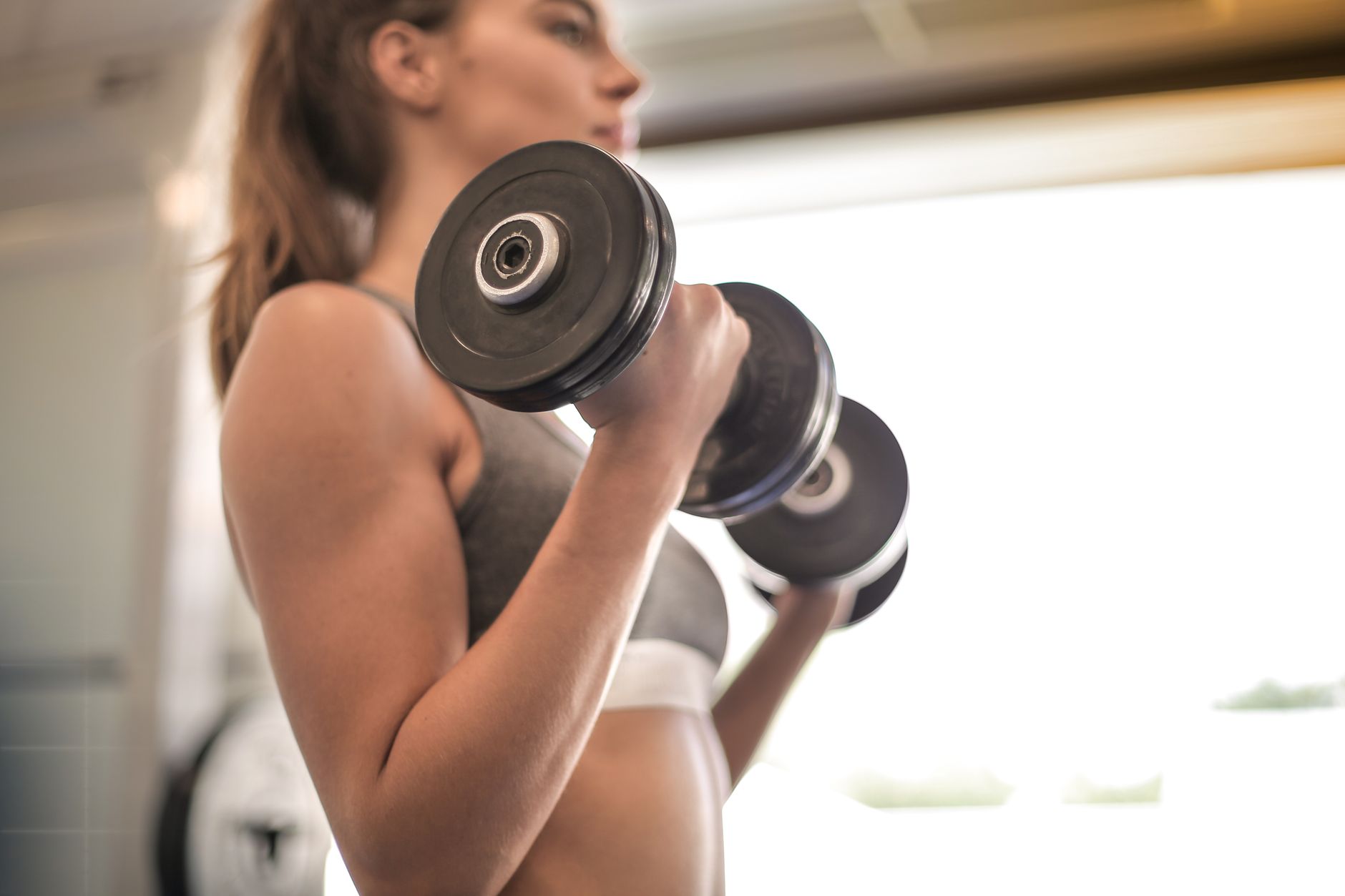
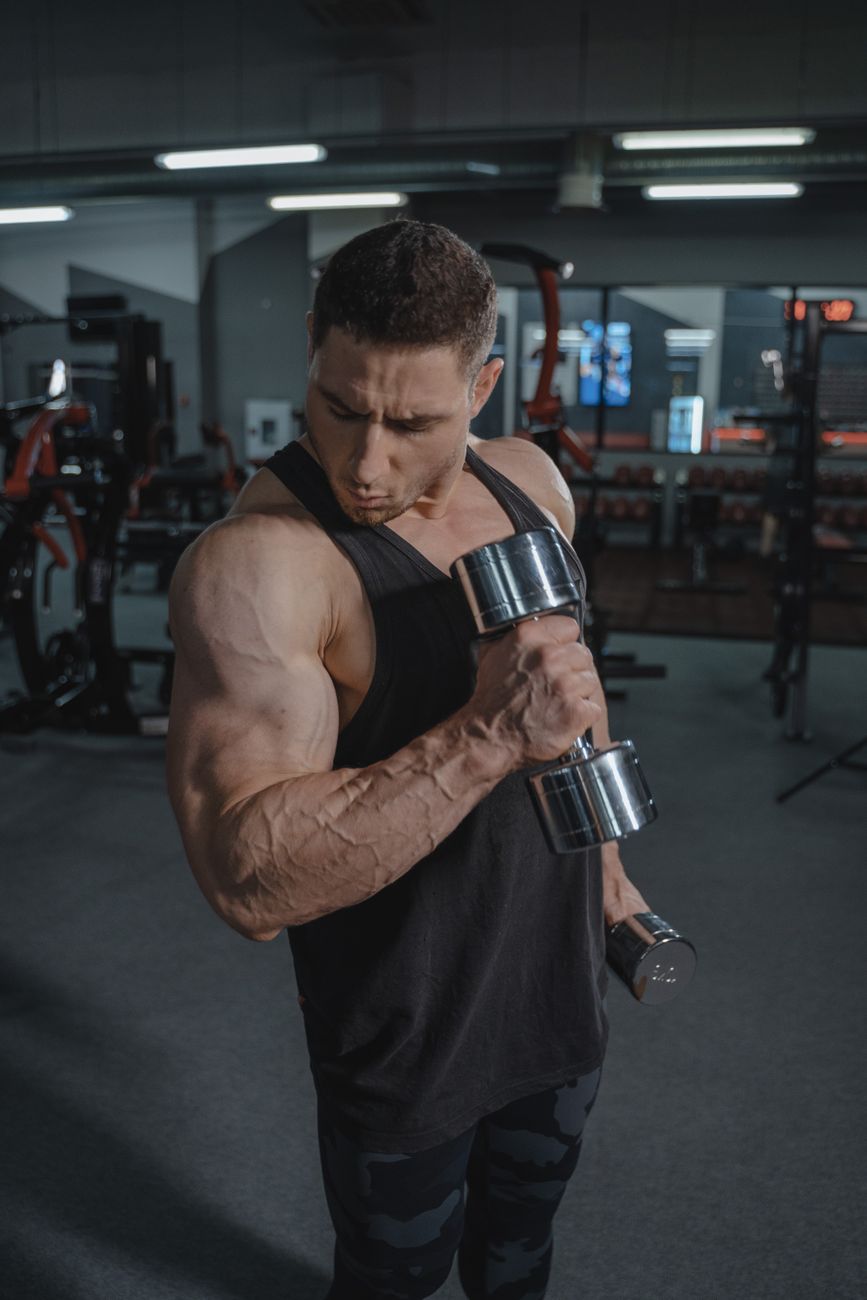
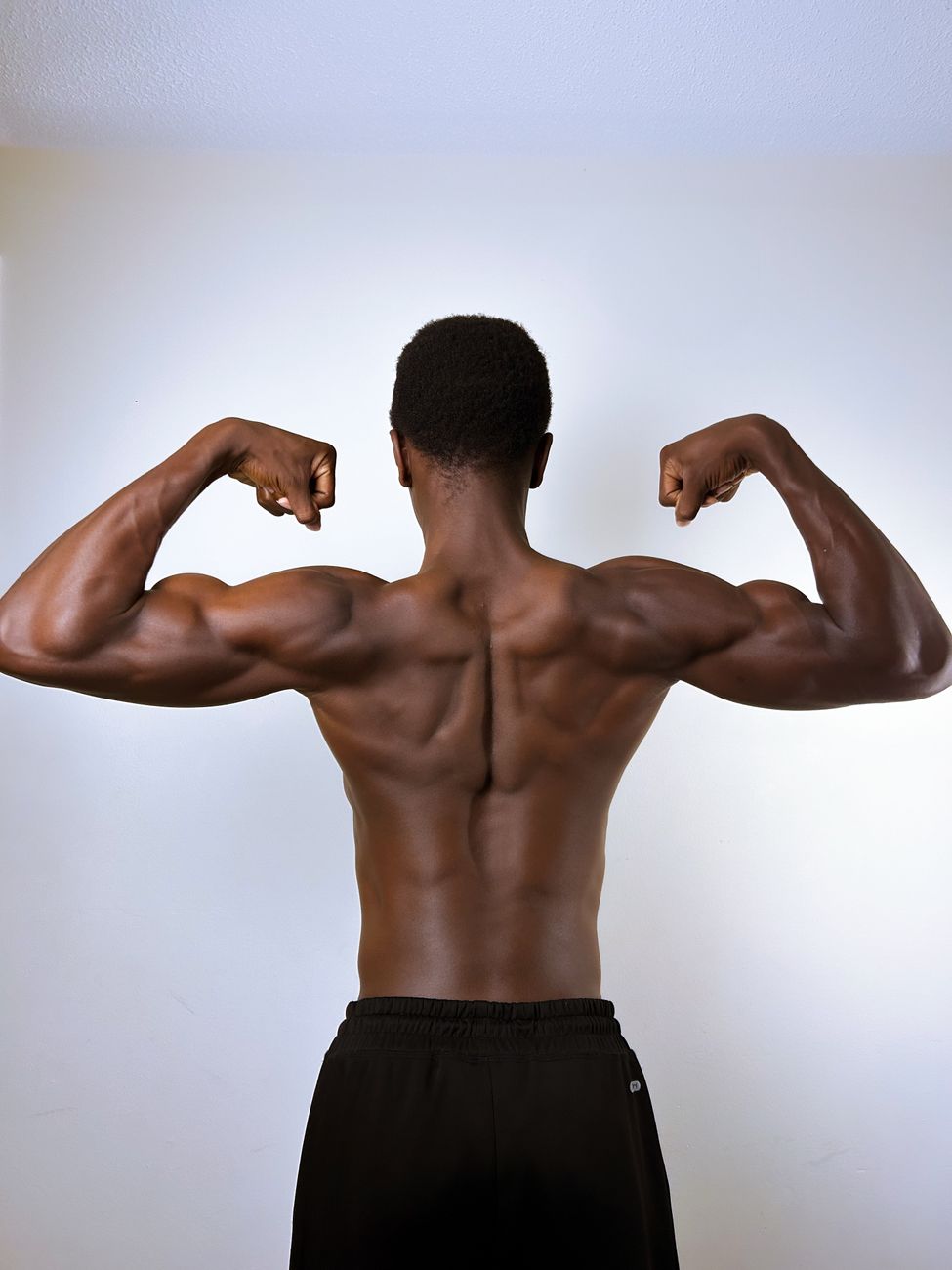
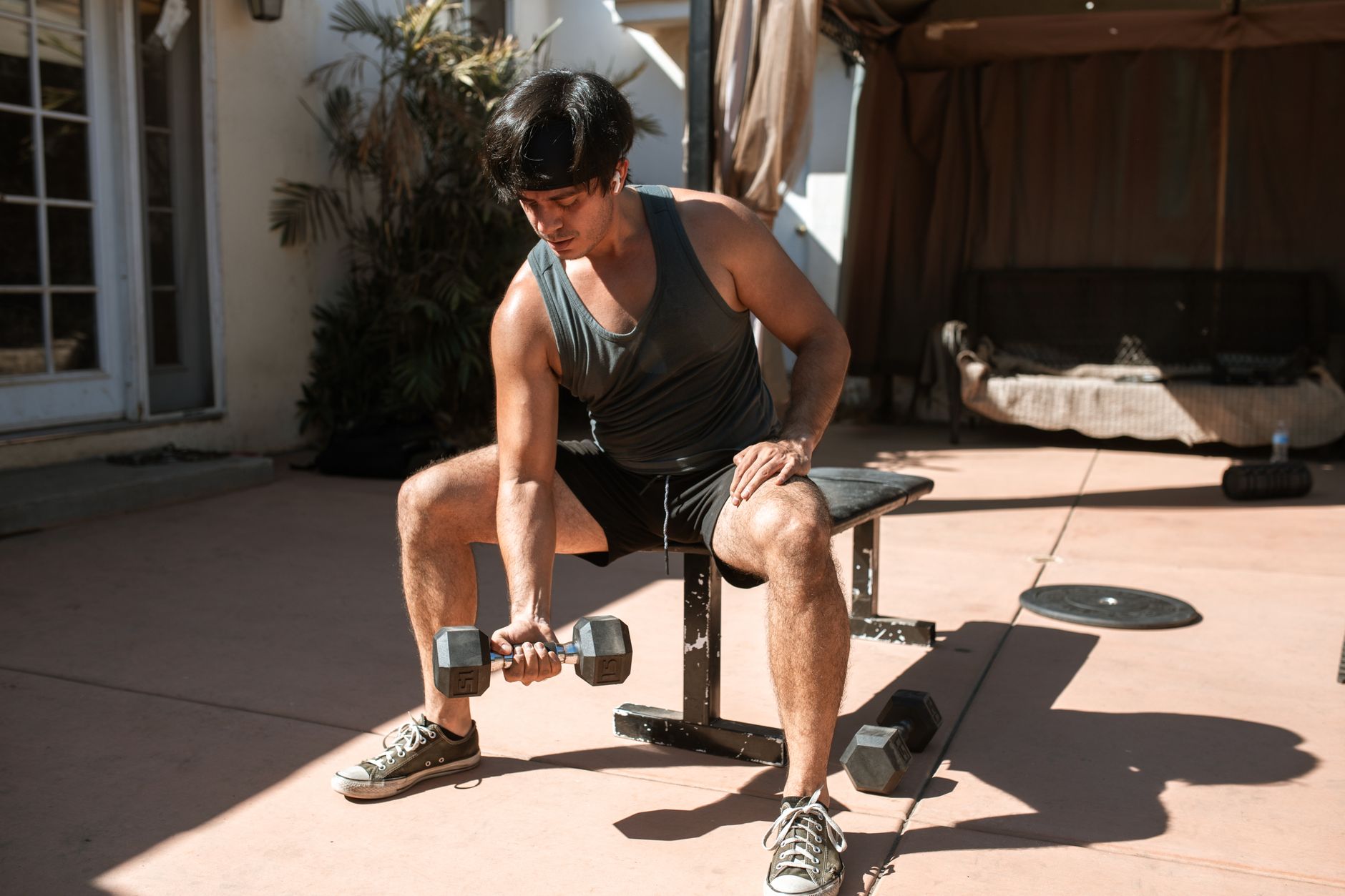
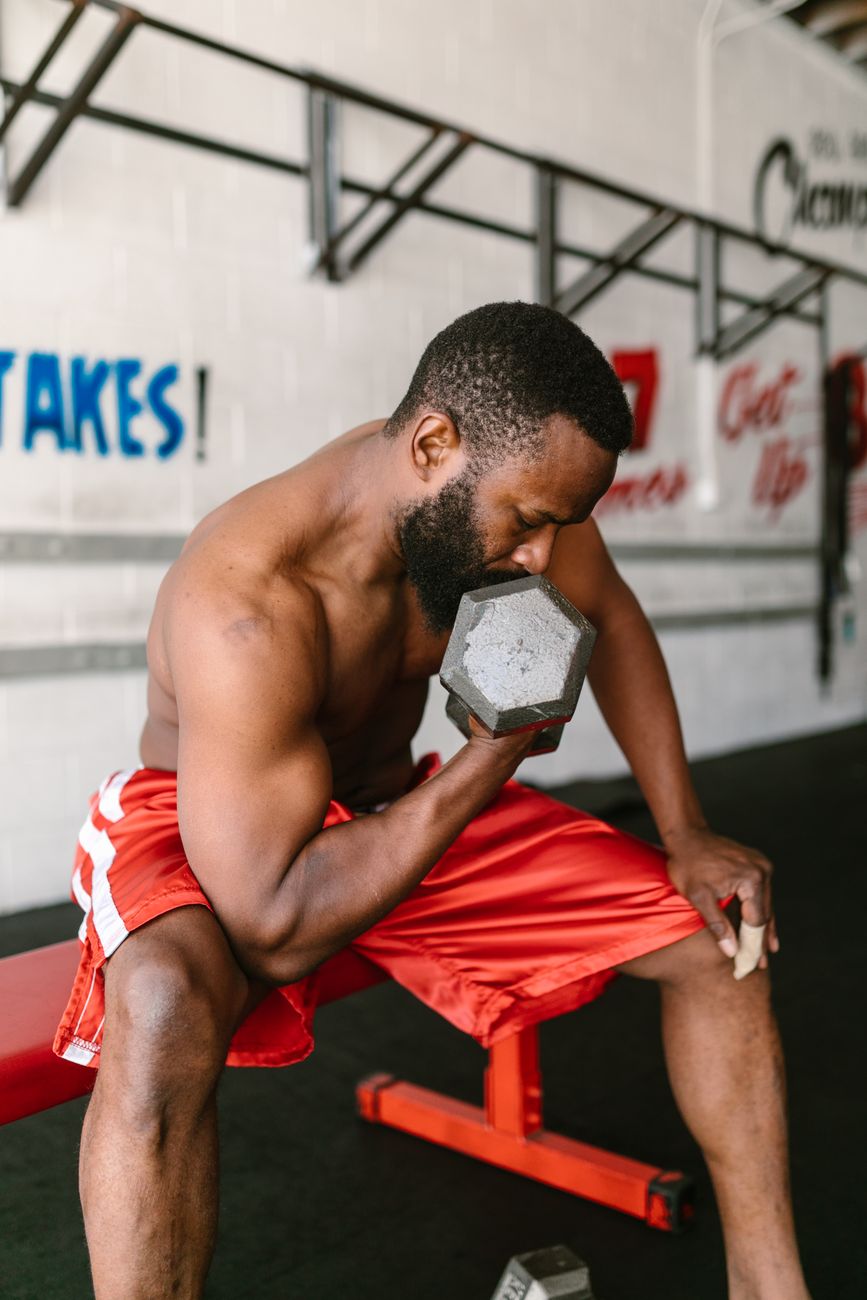
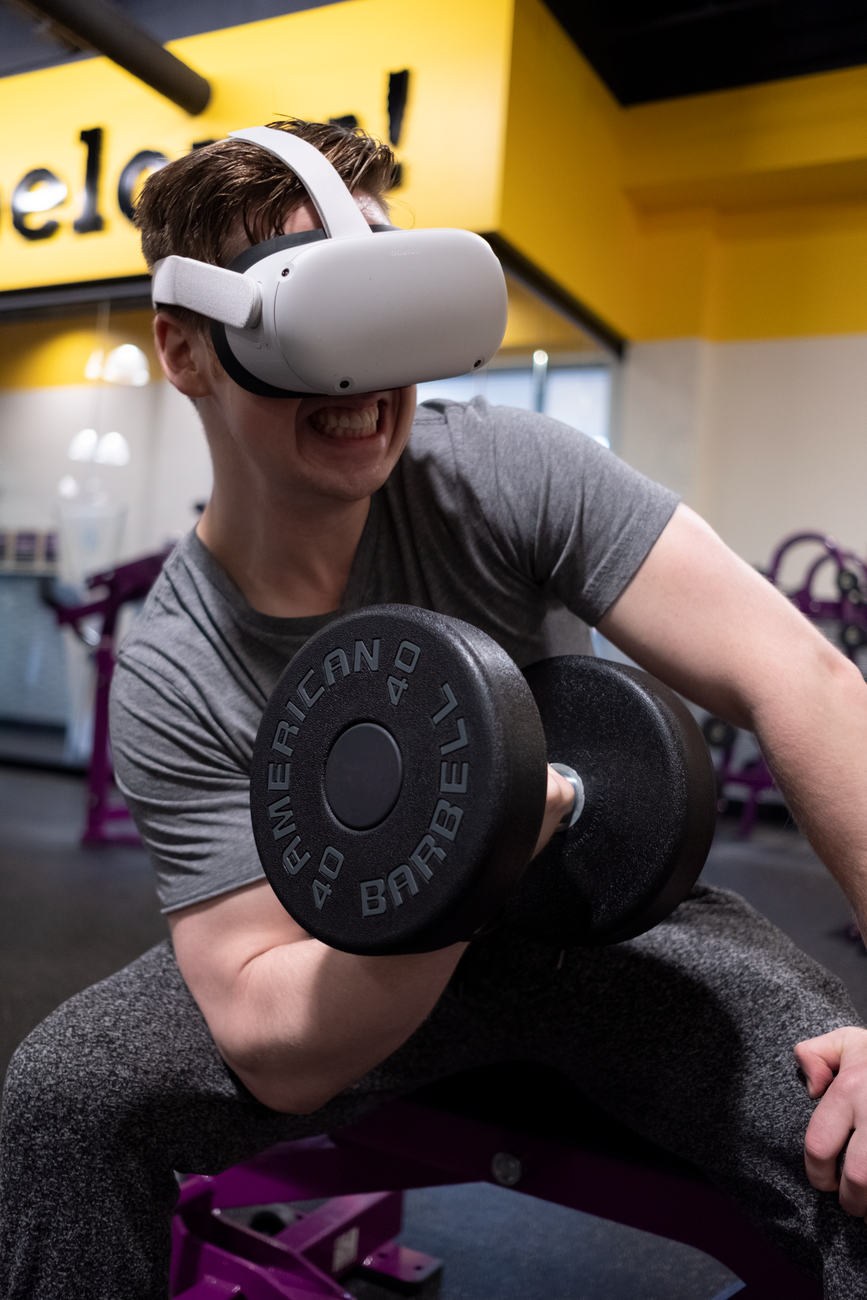
The standing supinating bicep curl is a staple exercise for building arm strength and size. Incorporate it into your routine, and ensure to balance it with other exercises for comprehensive upper body development.
Interpersonal relationships are often nuanced and complex, filled with challenges that can lead to misunderstandings and conflict. Understanding these dynamics can be facilitated through psychological models that categorize the roles individuals assume during interactions. Three such frameworks are the Drama Triangle by Stephen Karpman, the Winners Triangle by Acey Choy, and The Empowerment Dynamic by David Emerald. While the Drama Triangle delineates dysfunctional roles that stifle communication and growth, the Winners Triangle and The Empowerment Dynamic provide constructive alternatives that emphasize empowerment, accountability, and healthy engagement. This post discusses the key elements of these three models, highlighting their differences and implications for fostering healthier interpersonal relationships.
The Drama Triangle, developed by Stephen Karpman in 1968, outlines three primary roles that individuals often adopt in dysfunctional interactions: the Victim, the Persecutor, and the Rescuer.
Victim: This role is characterized by feelings of powerlessness and helplessness. Individuals in the Victim role often seek sympathy or support from others, feeling trapped by their circumstances and relying on external solutions to their problems.
Persecutor: The Persecutor represents a controlling dynamic, often engaging in blame, criticism, or aggression. This role embodies a mindset of domination, where the Persecutor may feel justified in their behavior, perpetuating conflict within relationships.
Rescuer: The Rescuer assumes a nurturing position, often stepping in to help the Victim. While this action may stem from genuine compassion, it can reinforce the Victim’s dependency and negatively impact both parties’ growth.
The Drama Triangle illustrates the cyclical nature of these roles, revealing how individuals can shift between them, leading to ongoing dysfunction and unresolved conflict.
In contrast to the Drama Triangle, the Winners Triangle developed by Acey Choy in 1990 reframes the roles within interpersonal dynamics into more positive and constructive categories: Vulnerable, Assertive, and Caring.
Vulnerable: This role acknowledges their feelings and emotions, encouraging individuals to express their concerns honestly. Vulnerability involves recognizing one’s limits and the genuine need for support without succumbing to a victim mentality.
Assertive: Replacing the Persecutor role, the Assertive participant engages in respectful and open communication. Assertiveness empowers individuals to express their needs and opinions confidently without infringing on others’ rights or employing aggression.
Caring: The Caring role surpasses the Rescuer, by listening to the victim, and not reacting. This role emphasizes showing concern, while not taking on the responsibility of the victim.
The Winners Triangle highlights the importance of emotional honesty, boundary setting, and empathy, fostering more productive and healthier interactions.
David Emerald’s book, “The Power of TED: The Empowerment Dynamic” (2009), builds upon the concepts introduced in the Drama Triangle and the Winners Triangle. Emerald presents three roles: the Creator, the Challenger, and the Coach, which parallel the previous frameworks, while placing a strong emphasis on empowerment, and proactive engagement in the work environment.
Creator: Mirroring the Vulnerable role, the Creator embraces personal responsibility and recognizes the ability to shape their reality. Individuals in this role actively seek solutions and view challenges as opportunities for growth.
Challenger: Similar to the Assertive role, the Challenger encourages accountability and open dialogue. This role advocates for questioning assumptions and addressing issues constructively, promoting honest communication without blame.
Coach: Reflecting the Caring role, the Coach fosters independence and growth by supporting individuals in discovering their solutions. Rather than rescuing, the Coach guides others, enabling them to develop their strengths and capabilities.
The Empowerment Dynamic emphasizes the transformational potential of these roles, encouraging a shift from conflict and dysfunction to empowerment and proactive engagement.
Conclusion
The Drama Triangle by Stephen Karpman, the Winners Triangle by Acey Choy, and The Empowerment Dynamic by David Emerald each provide valuable insights into the complexities of interpersonal relationships. While the Karpman model underscores patterns of dysfunction rooted in victimhood, blame, and rescuing behaviors, the Winners Triangle and Empowerment Dynamic offer empowering alternatives that encourage personal responsibility, assertiveness, and collaborative engagement. Recognizing these roles and consciously choosing to engage in more constructive patterns can lead to healthier, more fulfilling relationships. Ultimately, embracing the principles of vulnerability, assertiveness, and caring promotes an environment of growth, connection, and resilience in interpersonal dynamics.
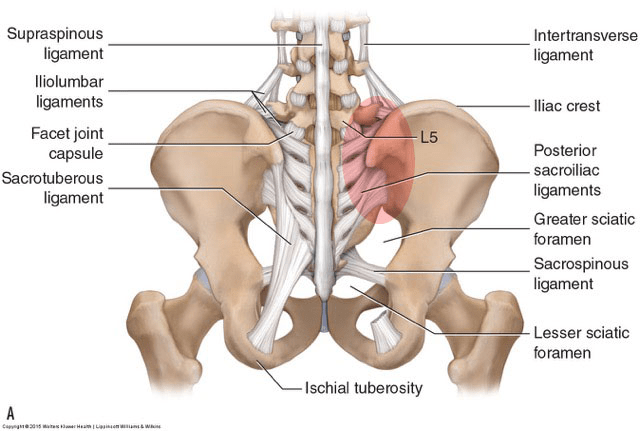
The dimples on the left and right sides of your low back correspond to the posterior superior iliac spines (PSIS). Just beneath them are the sacroiliac joints (SIJ), which are crucial as they mark the junction where the spine meets the pelvis. Dysfunction in these joints can lead to significant discomfort and hinder your ability to perform daily activities such as walking, bending, or sitting.
Causes of Dysfunction
The sacroiliac joint is a common area for dysfunction. Permission: Joseph E. Muscolino. Manual Therapy for the Low Back and Pelvis (2015).
The core issue behind sacroiliac joint dysfunction often lies in either hypomobility or hypermobility of the SIJs.
Hypomobility: This refers to restricted movement in a joint, leading to stiffness and pain.
Hypermobility: This condition means the joint moves excessively, which creates instability and pain.
To better understand the dynamics at play here, it’s essential to grasp the concept of femoro-pelvic rhythm. This term describes the relationship between your femur (thigh bone) and your pelvis during movement.
When you flex your right leg, like taking a step forward, the right side of the pelvis tilts backward.
Simultaneously, the left leg moves backward, causing the left side of your pelvis to tilt forward.
This rhythm is vital during activities like walking, jogging, or running. Generally, individuals with a tight (hypomobile) left SIJ may have a looser (hypermobile) right SIJ, leading to an asymmetry that can worsen over time and cause pain in either the right or left SIJ.
Effective treatment for SIJ dysfunction can include:
Chiropractic Care
Physical Therapy
Massage Therapy
For massage therapy, the recommended approach is:
Start with heat application to the hypomobile joint.
Perform soft tissue manipulation.
Implement stretching exercises.
Conclude with grade IV joint mobilization.
Prevention Strategies
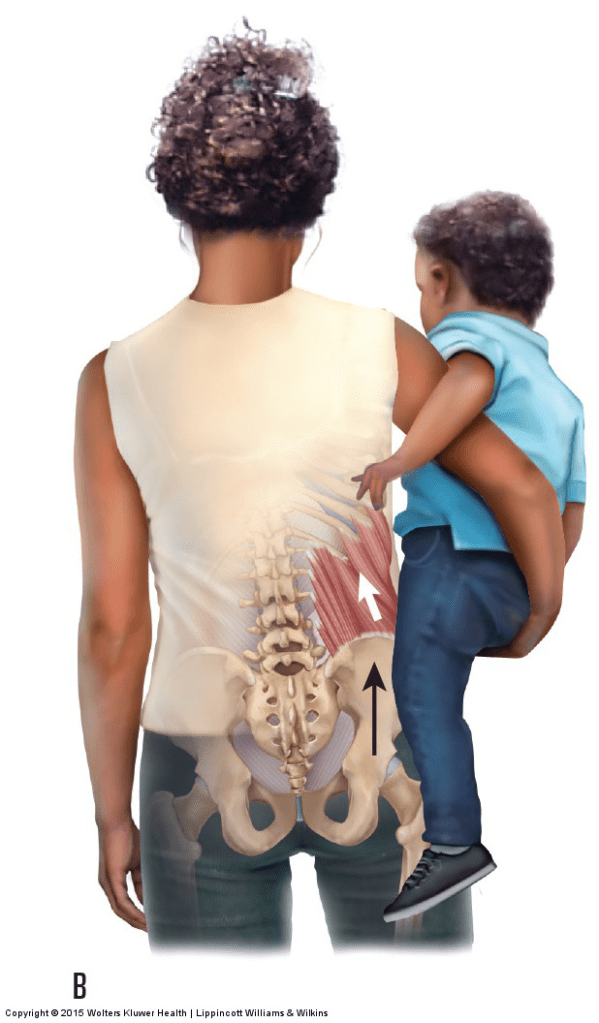
Many postures and activities can cause sacroiliac joint dysfunction and pain. Permission: Joseph E. Muscolino. Manual Therapy for the Low Back and Pelvis (2015).
To help prevent SIJ dysfunction, consider the following actions:
Maintain awareness of your posture throughout the day.
Start a strength training program at your local gym.
Incorporate daily walks in the morning and evening sun.
Conclusion
By understanding these components, you can take proactive measures to prevent pain and maintain a healthier pelvic and spinal alignment.
How to Do a Concentration Curl: A Step-by-Step Tutorial
The concentration curl is an effective exercise that primarily targets the biceps. This guide will take you through the steps to perform this exercise correctly for maximum effectiveness.
Keep your core engaged: This helps with stability and prevents back strain.
Avoid swinging the dumbbell: Ensure you’re using your bicep to lift the weight rather than momentum.
Breathe: Exhale as you lift and inhale as you lower the weight.
Tips for Success
Choose the right weight: Start with a lighter weight until you get the form right, then gradually increase.
Focus on the muscle: Concentrate on the squeeze in the biceps, which enhances the workout intensity.
Frequency: Incorporate concentration curls into your workout routine 2-3 times a week for best results.
By following these steps, you can effectively incorporate concentration curls into your strength training regimen, leading to stronger and more defined biceps. Happy lifting!
The Impact of Positive Relationships on Health and Well-Being
In the realm of integrative health and wellness coaching, the significance of fostering positive relationships within one’s life and community cannot be overstated. These nurturing connections play a pivotal role in enhancing mental and emotional well-being while simultaneously promoting physical activity and life balance. This article delves into how positive relationships can reduce stress, improve overall well-being, increase physical exercise, and contribute to a fulfilling life.
Positive relationships serve as a fundamental buffer against stress. The support derived from friends, family, and community members creates a safety net that individuals can rely on during challenging times. Emotional support allows individuals to express their feelings and thoughts, reducing feelings of isolation. Studies have shown that social support lowers cortisol levels, the hormone associated with stress. When a person feels understood and supported, they can cope with life’s challenges more effectively, thus leading to a significant reduction in stress levels.
Enhancing Mental and Emotional Well-Being
Positive social interactions can greatly enhance mental health. Engaging with others fosters feelings of belonging and acceptance, which are essential for emotional well-being. Participation in community activities or group settings reinforces one’s sense of identity and purpose. Furthermore, sharing experiences, joys, and challenges with others can mitigate feelings of anxiety and depression. Regular interactions with positive individuals can cultivate an optimistic mindset, leading to improved self-esteem and emotional resilience.
Increasing Physical Activity through Social Engagement
Relationships can motivate individuals to engage in physical exercise. Partnering with friends or family for activities such as walking, jogging, or participating in fitness classes not only makes exercise more enjoyable but also helps in maintaining accountability. The social aspect of exercising with others can transform a mundane task into a shared experience, fostering commitment and consistency. Moreover, community-related events such as group sports or charity runs encourage individuals to be more active, thereby addressing both physical health and social connection.
Promoting Life Balance and Satisfaction
A balanced life often hinges on the quality of one’s relationships. Healthy interactions foster a sense of harmony between various life domains—work, family, and personal interests. When relationships flourish, individuals are more likely to prioritize self-care, allowing time for relaxation and leisure, which are essential for maintaining balance. Quality relationships often lead to greater life satisfaction; those who report strong social ties also report higher levels of happiness and fulfillment. Integrating social activities into daily routines provides individuals with a structured yet flexible approach to managing their time and commitments effectively.
In conclusion, the influence of positive relationships on health and well-being is profound. As an essential component of integrative health and wellness coaching, nurturing these connections can effectively reduce stress, enhance mental and emotional health, promote physical activity, and contribute to overall life satisfaction and balance. By encouraging individuals to cultivate and maintain meaningful relationships, coaches can help them lead healthier, more fulfilling lives. The interconnectedness of relationships and well-being highlights the need for a supportive community where individuals thrive together.
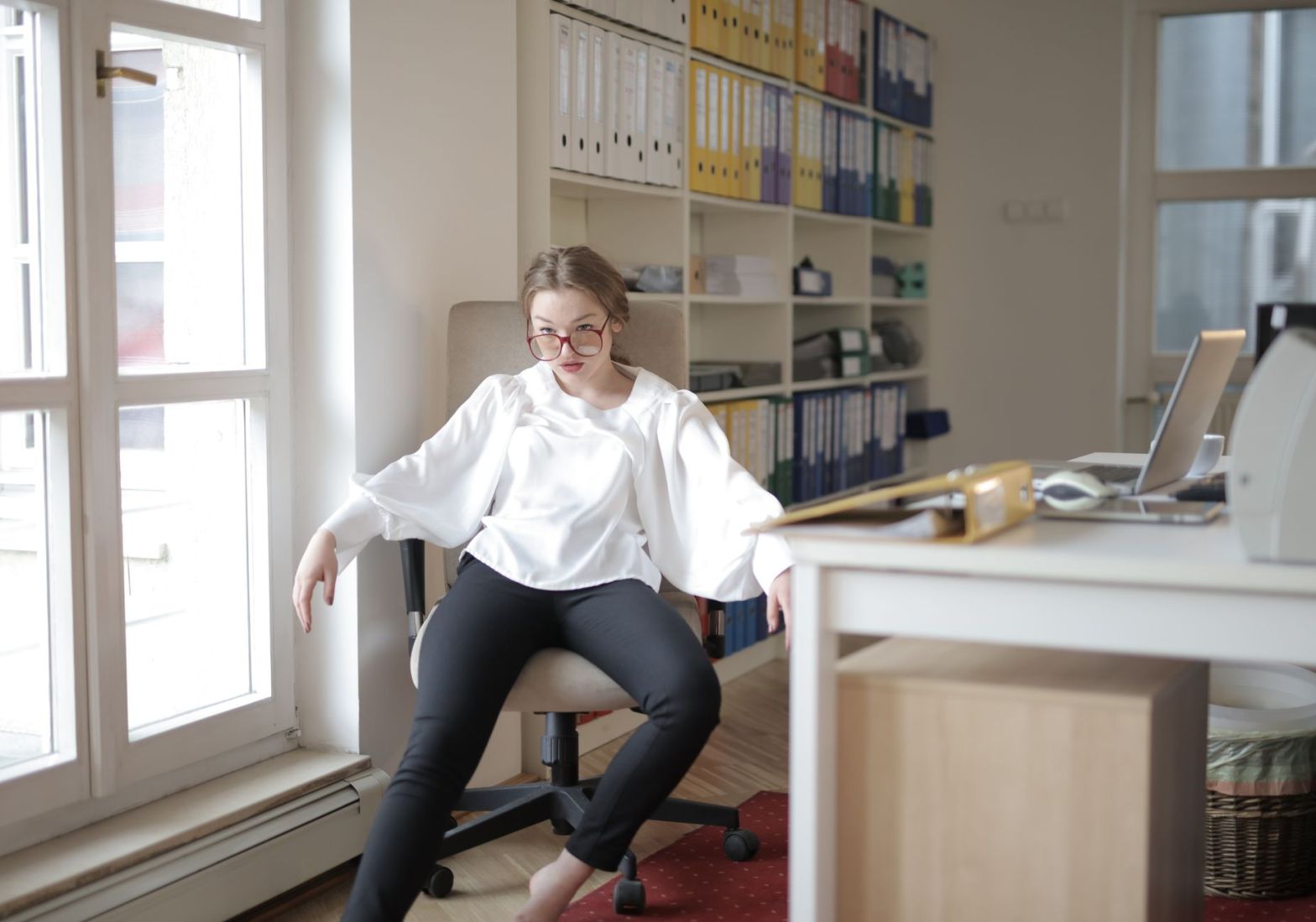
In today’s fast-paced, technology-driven society, prolonged sitting has become commonplace, whether at work, during commutes, or while engaging in leisure activities. This sedentary lifestyle has significant implications for musculoskeletal health, particularly in the hip region. One of the most affected areas is the hip flexors, a group of muscles essential for movement and posture. Prolonged sitting can induce muscle spindle reflex mechanisms that contribute to an abnormal increase of muscle tone, leading to tight hip flexors and various physical issues. This essay delves into the relationship between prolonged sitting, muscle spindle reflex activity, and the resulting tightness in hip flexors.
The Role of Hip Flexors
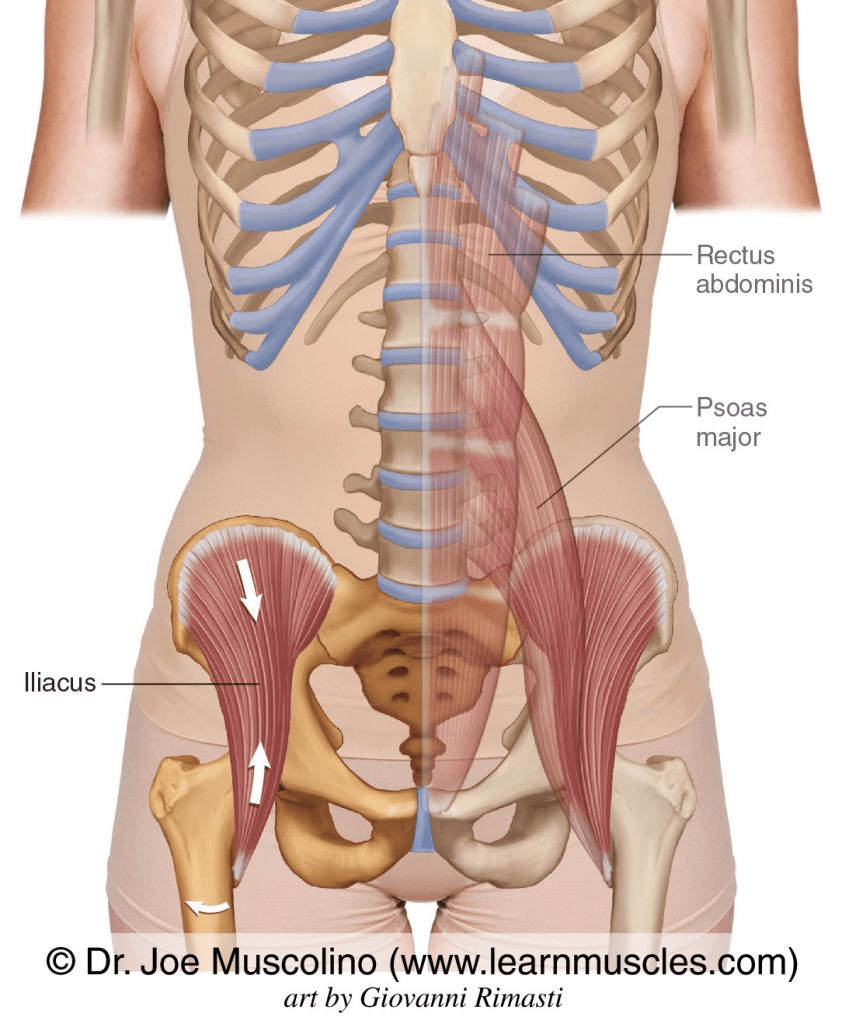
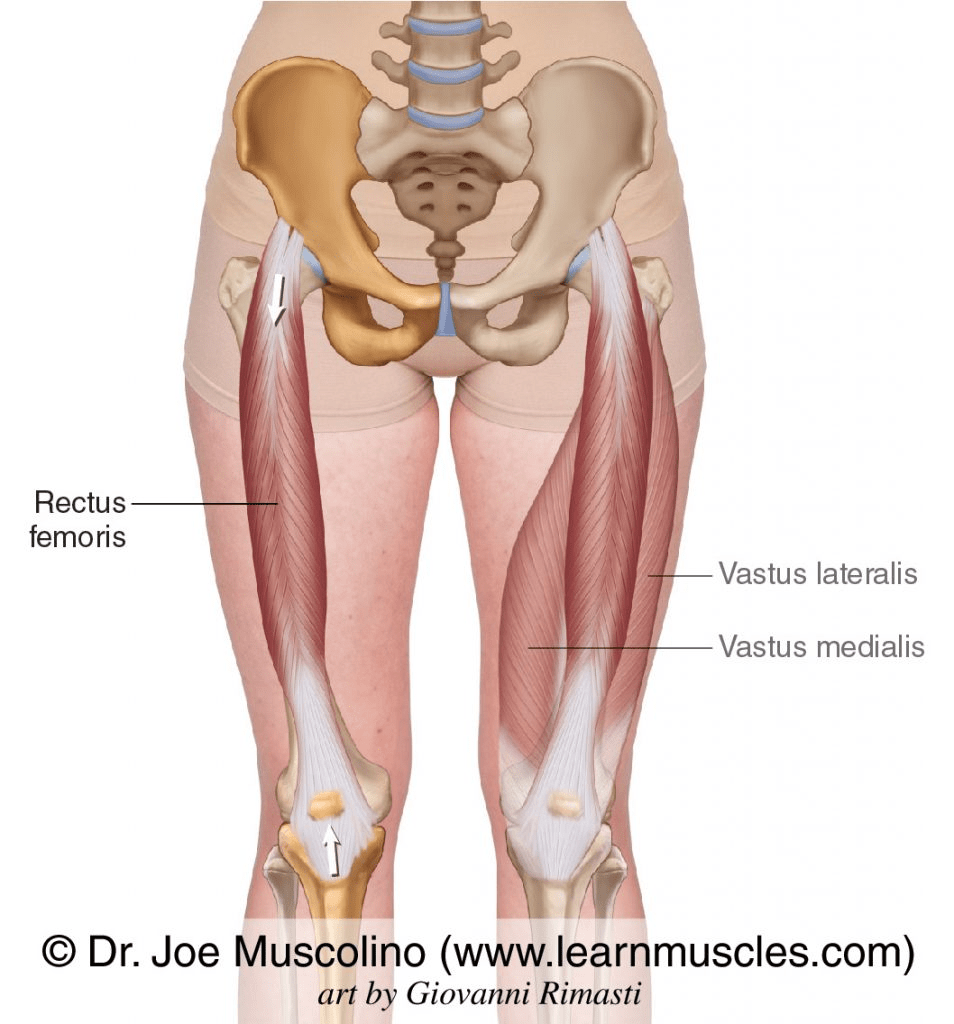
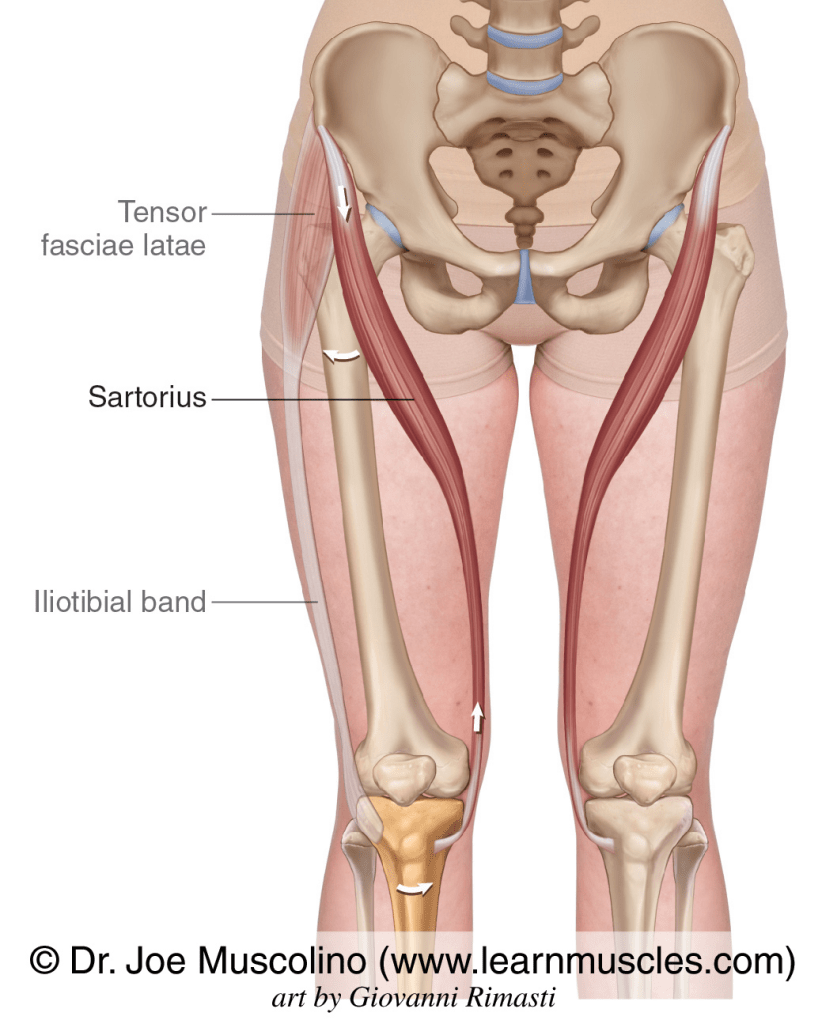
The hip flexors, primarily composed of the iliopsoas, rectus femoris, and sartorius, play crucial roles in bending the hip and stabilizing the pelvis. When these muscles are functioning optimally, they allow for efficient movement and support proper posture. However, when subjected to prolonged periods of sitting, they can become overly short and tight, leading to compensatory movement patterns and discomfort.
The Consequences of Prolonged Sitting
Prolonged sitting puts the hip flexors in a shortened position as the knees are bent, and the hips are flexed for extended periods. This passive position encourages muscle adaptation over time, leading to musculoskeletal imbalances. Such adaptations include alterations in muscle length and tension, ultimately resulting in tight hip flexors.
Muscle Spindle Reflex and Its Mechanisms
Muscle spindles are sensory receptors within muscle tissues that detect changes in muscle length and the rate of that length change. By responding to these changes, muscle spindles play a critical role in regulating normal muscle tone and facilitating movement. When a muscle is stretched, the muscle spindles send signals to the central nervous system, triggering a reflex response—known as the stretch reflex—that helps maintain muscle tone and protects the muscle from injury.
During prolonged sitting, the hip flexors experience a chronic shortening. As a result, the muscle spindles receive less stimulation from stretching and are constantly in a state of adaptation to this shortened position. This lack of stretch creates a situation where the muscle spindles might become less responsive to normal ranges of motion, leading to an abnormal increase in muscle tone when the hip flexors are finally stretched. Consequently, when you try to stretch, the reflexive response may become overly sensitive, contributing to increased tension in the hip flexors, further complicating the problem. This does not happen in one sitting, but takes 3 to 6 months, without stretching or exercise, to finally set in.
Attempting 90/90 Photo by Kampus Production on Pexels.com
The Cycle of Tightness!
The interplay between prolonged sitting and muscle spindle reflex activity creates a cycle of tightness.
Adaptation to Shortened Muscles: As individuals sit for extended periods, their hip flexors adapt to the shortened position.
Reduced Muscle Spindle Responsiveness: Muscle spindles become less effective at detecting stretching stimuli due to the prolonged flexed state. As a result, the reflexive protective mechanism compensates by maintaining increased muscle tone, even at rest.
Increased Muscle Tone Leads to Tightness: The cycle continues as the hip flexors begin to tighten further, limiting the range of motion and resulting in discomfort. Individuals may experience lower back pain or hip discomfort due to the altered biomechanics caused by tight hip flexors.
Reinforced Sedentary Habits: This cycle can perpetuate itself; as individuals experience tightness and discomfort, they may avoid physical activity, leading to even more prolonged sitting and further muscle spindle adaptation!
Addressing the Issue
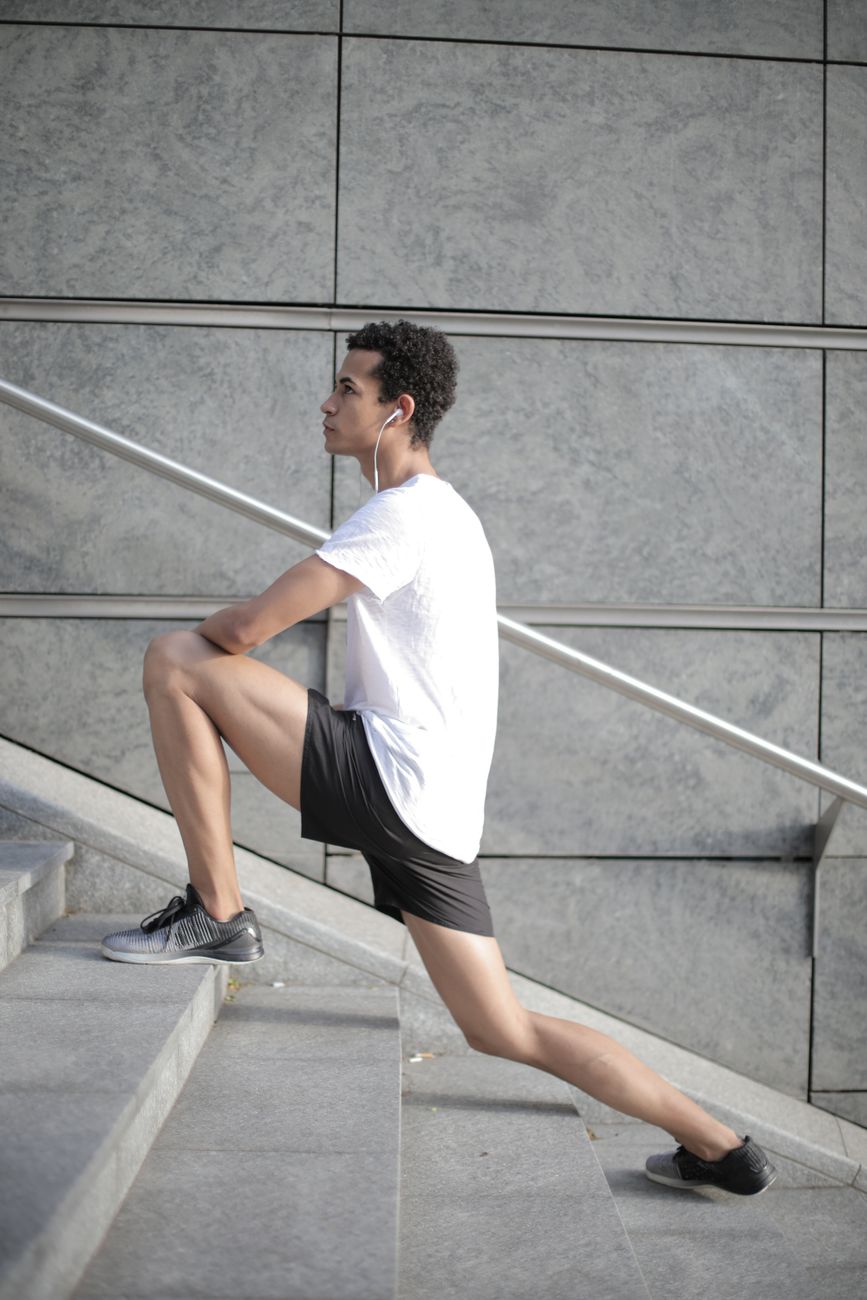
Climbing Stairs Photo by Andrea Piacquadio on Pexels.com
To counteract the negative effects of prolonged sitting and the resulting hip flexor tightness, individuals can adopt several strategies. Regular movement breaks throughout the day, incorporating stretches that target the hip flexors, and practicing good ergonomic habits can be beneficial. Engaging in strength training and mobility exercises can also help restore balance to the hip region and improve overall muscle function.
Furthermore, awareness of sitting posture and integrating standing or dynamic workstations can play a significant role in reducing the incidence of tight hip flexors. Additionally, techniques such as foam rolling, deep tissue massage, or physical therapy can alleviate tension and promote proper muscle length.
Prolonged sitting has profound implications for muscle health, particularly in the hip flexors, through its effect on muscle spindle reflex activity. The resulting cycle of muscle shortening and heightened muscle tone can lead to tight hip flexors and associated discomfort. By understanding these mechanisms, individuals can take proactive steps to alleviate the impact of sedentary lifestyles and foster better musculoskeletal health. Recognizing the importance of movement and muscle balance is vital for maintaining overall well-being in a modern, increasingly sedentary world.
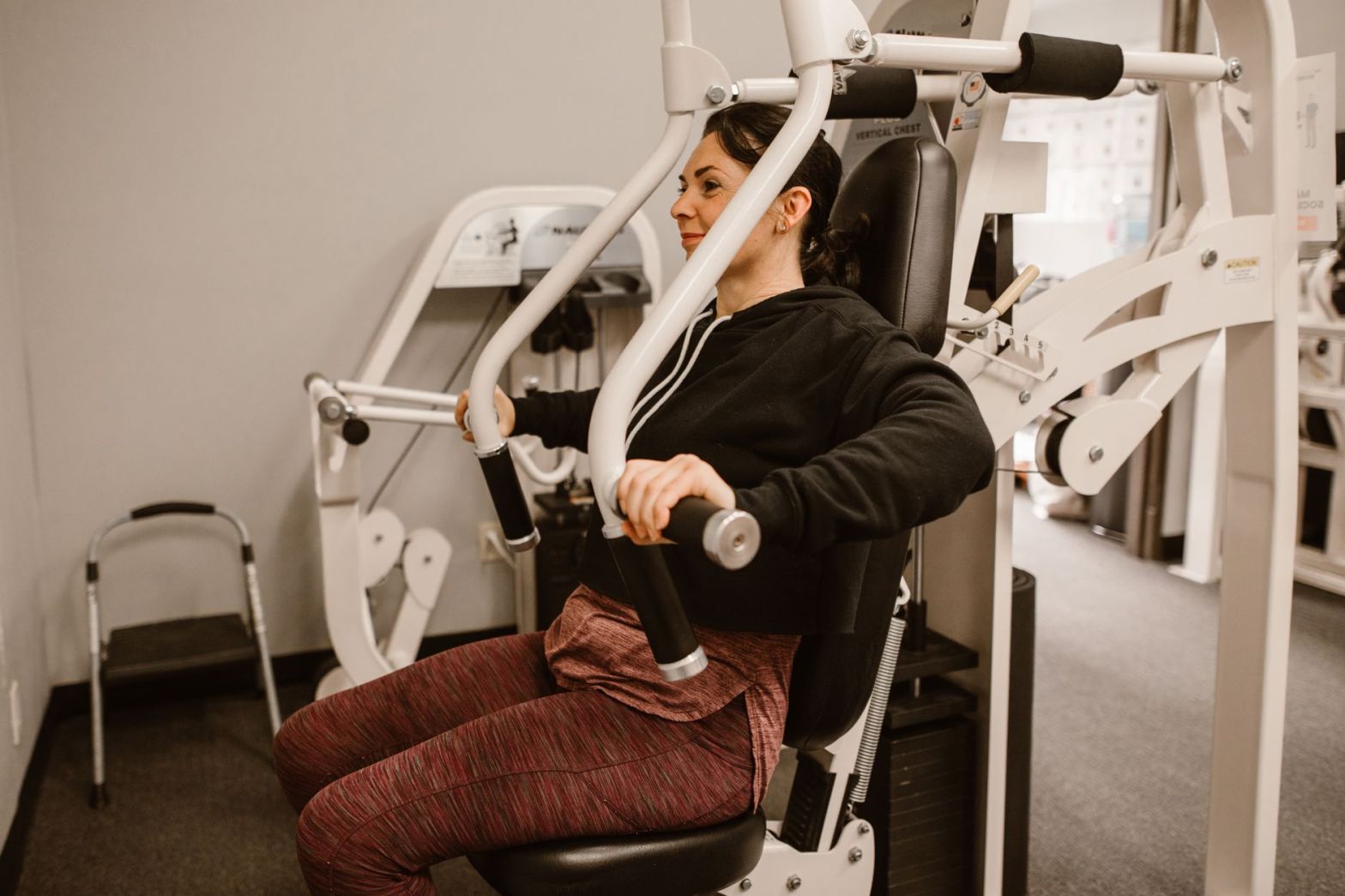
The seated chest press is a fantastic strength training exercise that primarily targets the chest muscles, shoulders, and triceps. Here’s how to perform it correctly:
Equipment Needed
Seated chest press machine
Steps to Perform Seated Chest Press
Step 1: Adjust the Equipment
Set the Seat Height: Adjust the seat height so that your shoulders are aligned with the handles of the machine when seated.
Select Weight: Choose a light weight to warm up your muscles and practice your form.
Step 2: Position Yourself
Sit Down: Take a seat and make sure your back is pressed against the backrest.
Feet Placement: Place your feet flat on the floor, slightly wider than shoulder-width apart.
Grip the Handles: Grab the handles of the machine (or weights) with an overhand grip, ensuring your hands are positioned slightly wider than shoulder-width.
Step 3: Starting Position
Elbows: Keep your elbows at a 45-degree angle to your body. This angle targets your lower chest.
Engage Core: Inhale and squeeze your glutes and pelvic floor to stabilize your body during the press.
Step 4: Pressing Movement
Push the Handles: Push the handles forward until your arms are fully extended but not locked at the elbows.
Control the Motion: Make sure to control the movement throughout, avoiding any momentum.
Step 5: Return to Starting Position
Lower the Handles: Exhale and slowly return the handles back to the starting position, maintaining tension in your muscles and control over the weight.
Step 6: Repeat
Perform Sets: Complete one warm up set of 20 repetitions with light weight. Then 3-4 sets of 8-12 repetitions with medium heavy weight, resting for 30-60 seconds between sets or training a different muscle group.
Tips for Proper Form
Keep Back Flat: Always keep your lower back flat (abs engaged) against the backrest to prevent strain.
Avoid Locking Elbows: Do not lock your elbows at the top of the movement to protect your joints.
Focus on Slow Movements: Perform the exercise slowly to maximize muscle engagement and minimize the risk of injury.
Conclusion
The seated chest press is an effective way to build upper body strength. Remember to listen to your body and adjust weights as necessary. Proper form is key to preventing injury and getting the most out of this exercise!
Understanding Ketoacidosis: Causes, Symptoms, and Management
Ketoacidosis is a serious metabolic derangement characterized by the excessive production of ketone bodies, leading to a state of acidosis in the body. This condition is most commonly associated with uncontrolled diabetes mellitus, particularly type 1 diabetes, but can also occur in type 2 diabetes and other situations that promote increased ketone production.
The Biochemical Mechanism
Ketoacidosis primarily occurs when the body is unable to utilize glucose effectively due to insufficient insulin. In the absence of insulin, cells fail to absorb glucose, leading to hyperglycemia. As a compensatory mechanism, the body starts to break down fat stores for energy, which results in the production of ketone bodies such as acetoacetate, beta-hydroxybutyrate, and acetone. While ketones can serve as an alternative energy source, their accumulation in the bloodstream results in a lowered pH, causing metabolic acidosis (tiredness).
Diabetes Mellitus: It is the most common cause, particularly in individuals with type 1 diabetes who may experience a complete lack of insulin.
Infection or Illness: Physiological stress from infections, trauma, or surgery can increase insulin resistance and trigger ketoacidosis.
Insulin Omission: Skipping insulin doses, often due to illness or mismanagement, can lead to rapid onset of ketoacidosis.
Alcoholism: Chronic alcohol consumption can result in a similar metabolic state, although this is less common than diabetic ketoacidosis.
Starvation or Fasting: Extended periods without food can push the body to utilize fat for energy excessively, albeit to a lesser extent than in diabetes.
Symptoms of Ketoacidosis
Ketoacidosis can present with a variety of symptoms that may escalate rapidly. Key indicators include:
Frequent urination and extreme thirst, resulting from high blood sugar levels.
Nausea and vomiting, as well as abdominal pain.
Weakness and fatigue.
Sweet, fruity-smelling breath due to the presence of acetone.
Rapid breathing or shortness of breath as the body attempts to compensate for acidosis.
Confusion or altered mental status in severe cases.
Diagnosis and Management
Diagnosis of ketoacidosis is made through clinical assessment and laboratory tests, which typically reveal high blood glucose levels, elevated ketones in urine or blood, and acidosis indicated by a low arterial pH.
Management involves immediate medical intervention. The primary treatment modalities include:
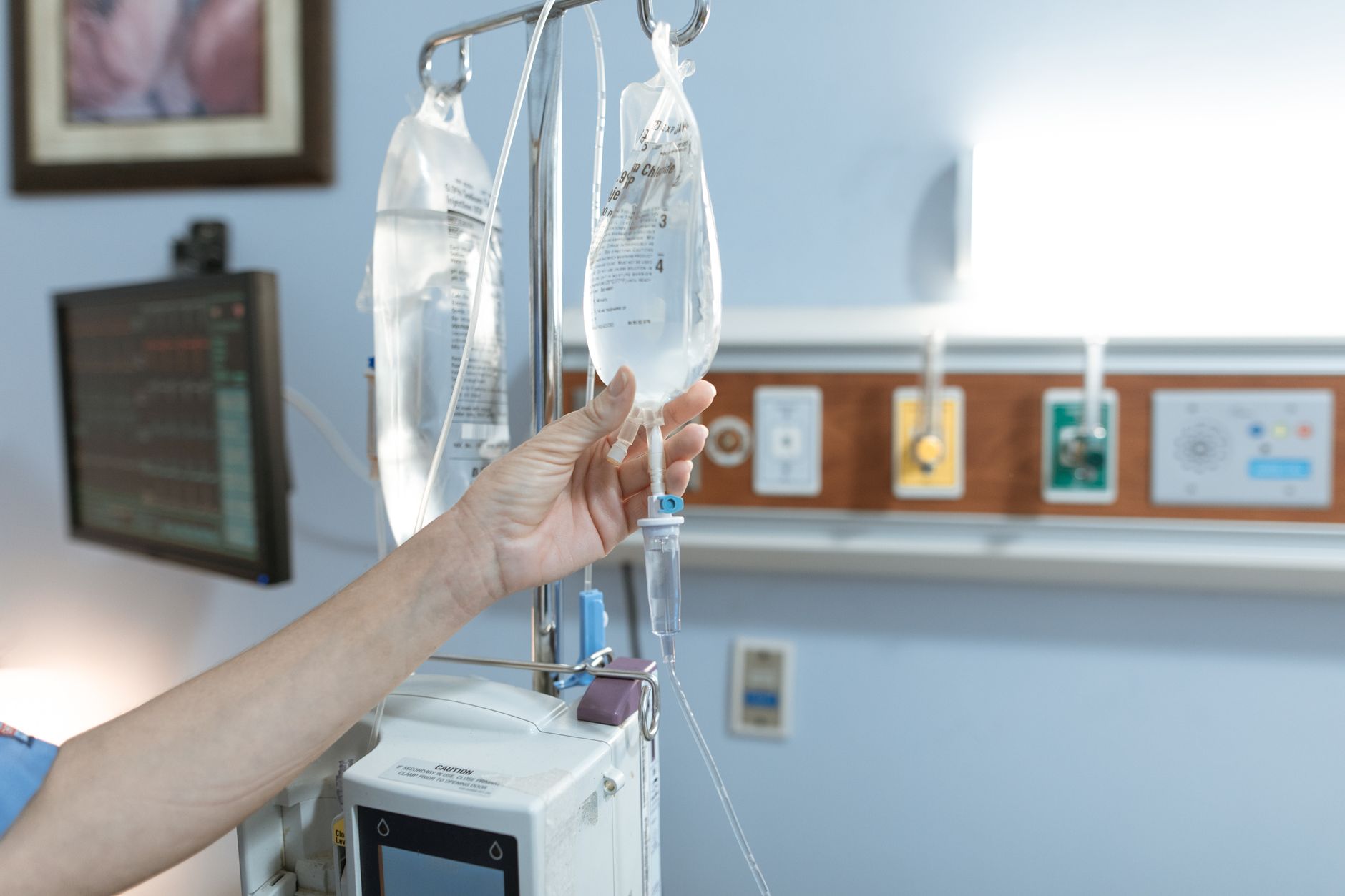
Fluid Replacement: Rehydrating the patient with intravenous fluids to address dehydration caused by excessive urination.
Insulin Therapy: Administering insulin to help lower blood glucose levels and halt further ketone production.
Electrolyte Management: Closely monitoring and replacing electrolytes, particularly potassium, which can become imbalanced during the treatment process.
Ketoacidosis is a potentially life-threatening condition that warrants prompt recognition and treatment. Understanding its causes, symptoms, and management strategies is vital for both healthcare providers and individuals at risk. With appropriate intervention, the prognosis can be favorable, helping to prevent complications and ensure successful recovery. Public education on diabetes management is crucial to reduce the incidence of ketoacidosis and improve overall health outcomes.
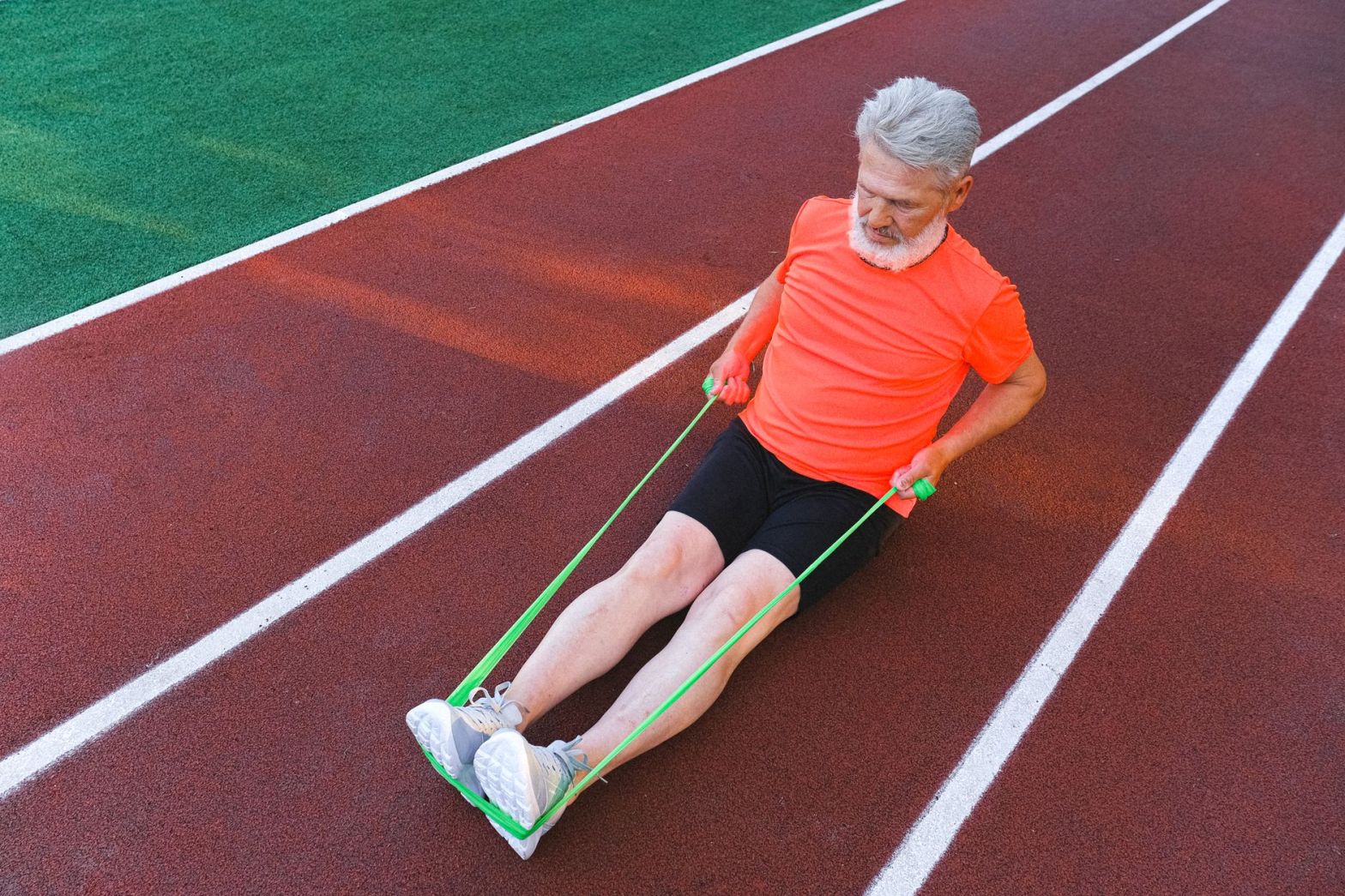
The Seated Superband Band row is an excellent exercise for engaging your back, shoulders, and arms. This version utilizes your feet to anchor the band, which allows for a different resistance angle and enhanced stability. Follow these steps to perform the exercise correctly.
Equipment Needed:
Superband
A flat, stable surface to sit on
Steps:
Choose Your Band:
Select a band that suits your fitness or intensity level. Ensure it is in good condition with no tears or damage.
Anchor the Band:
Sit on the floor with your legs extended in front of you. Place the center of the band around the middle of your feet, holding the ends of the band with both hands.
Position Your Feet:
With toes pointing up, place them firmly against the band. This will anchor the band in place as you perform the exercise.
Sit Up Straight:
Sit tall on the floor with your back straight and your shoulders relaxed. Engage your core muscles by pulling your pelvic floor towards your spine.
Grip the Band:
Grab the ends of the band with both hands, ensuring your palms are facing each other. Your arms should be fully extended in front of you, ready to initiate the row.
Begin the Row:
Pull your elbows towards your torso. Keep your elbows close to your body and focus on squeezing your shoulder blades down, back and together as you pull.
Pause at the Top:
Once your hands reach your torso, hold the position for a brief moment. Focus on the contraction in your upper back and latissimus dorsi.
Control the Return:
Slowly extend your arms back to the starting position while maintaining control. Avoid letting the band snap back quickly; ensure a steady motion.
Complete Repetitions:
Perform 10-15 repetitions for 2-3 sets, allowing 30-60 seconds of rest between each set.
Tips for Proper Form:
Maintain a neutral spine throughout the exercise; avoid leaning back or rounding your shoulders.
Keep your neck in a neutral position and your shoulders relaxed.
Modify the resistance by using a thicker or thinner band as needed.
Conclusion
The Seated Superband Row is a fantastic way to strengthen the upper body and improve posture. Incorporate this exercise into your fitness routine for an effective and engaging workout. Enjoy your training!
Photo by Christopher Welsch Leveroni on Pexels.com
Have you found yourself feeling angry when stuck in traffic, overwhelmed by work demands, or during family disagreements? Anger is a common emotion that colors our daily lives in unexpected ways, often creeping in during routine situations without us even realizing it. Understanding anger and its effects can empower us to manage this powerful emotion more effectively.
Anger doesn’t just affect your mood; it has physical and psychological repercussions. Here are some common experiences that highlight how anger manifests in our lives:
Stress from Work: With many people putting in 72-hour work weeks, the stress can lead to irritability and frustration. When your day consists of 12 hours at work with just a few hours left for personal time, it’s easy to feel overwhelmed.
Family Interactions: Whether it’s a disagreement with a partner or handling the stress of parenting, anger can surface even in moments meant for connection.
Everyday Frustrations: From delays at the grocery store to a colleague’s thoughtless comments, these small incidents can build up and exacerbate feelings of anger.
Anger serves a purpose; it’s a survival instinct. When properly channeled, it can motivate us to take action, set boundaries, or speak our minds. However, when it overwhelms us:
You might experience brain fog, making it difficult to think clearly.
Physical symptoms, like high blood pressure, can occur when chronic anger is not addressed.
Emotional responses can lead to harsh judgments about yourself and others, such as blaming or overgeneralizing.
Recognizing anger is the first step; managing it requires actionable techniques. Here are several strategies to help you navigate this emotion:
Practice Mindfulness: Take a moment to check in with yourself throughout the day. When you feel anger rising, pause and ask, “What’s the real issue here?” This can help you identify underlying thoughts or feelings.
Engage in Physical Activity: Exercise is a powerful outlet for anger. A brisk walk, a workout session, or a dance break can significantly boost your mood and diffuse tension.
Journaling: Writing down your feelings can provide insight into what triggers your anger. Reflecting on these moments can help you understand patterns and address root causes.
Develop Problem-Solving Skills: When anger arises from a specific issue, think about potential solutions instead of dwelling on the problem. Set Specific Measurable Actionable Realistic and Time Bound (SMART) goals to resolve these stressors.
Seek Professional Help: If anger feels overwhelming, talking to a therapist can offer strategies tailored to your needs. They can provide tools for better emotional regulation.
Conclusion: Reflect on Your Relationship with Anger
Anger is a natural human emotion, but how we respond to it can shape our lives and relationships. As you reflect on your experiences with anger, consider how you can implement one or more of these strategies in your daily routine. Share your thoughts (social media) or stories about your journey with anger; you might inspire others who are facing similar challenges. Embrace the opportunity to transform anger from a disruptive force into a tool for personal growth and connection.