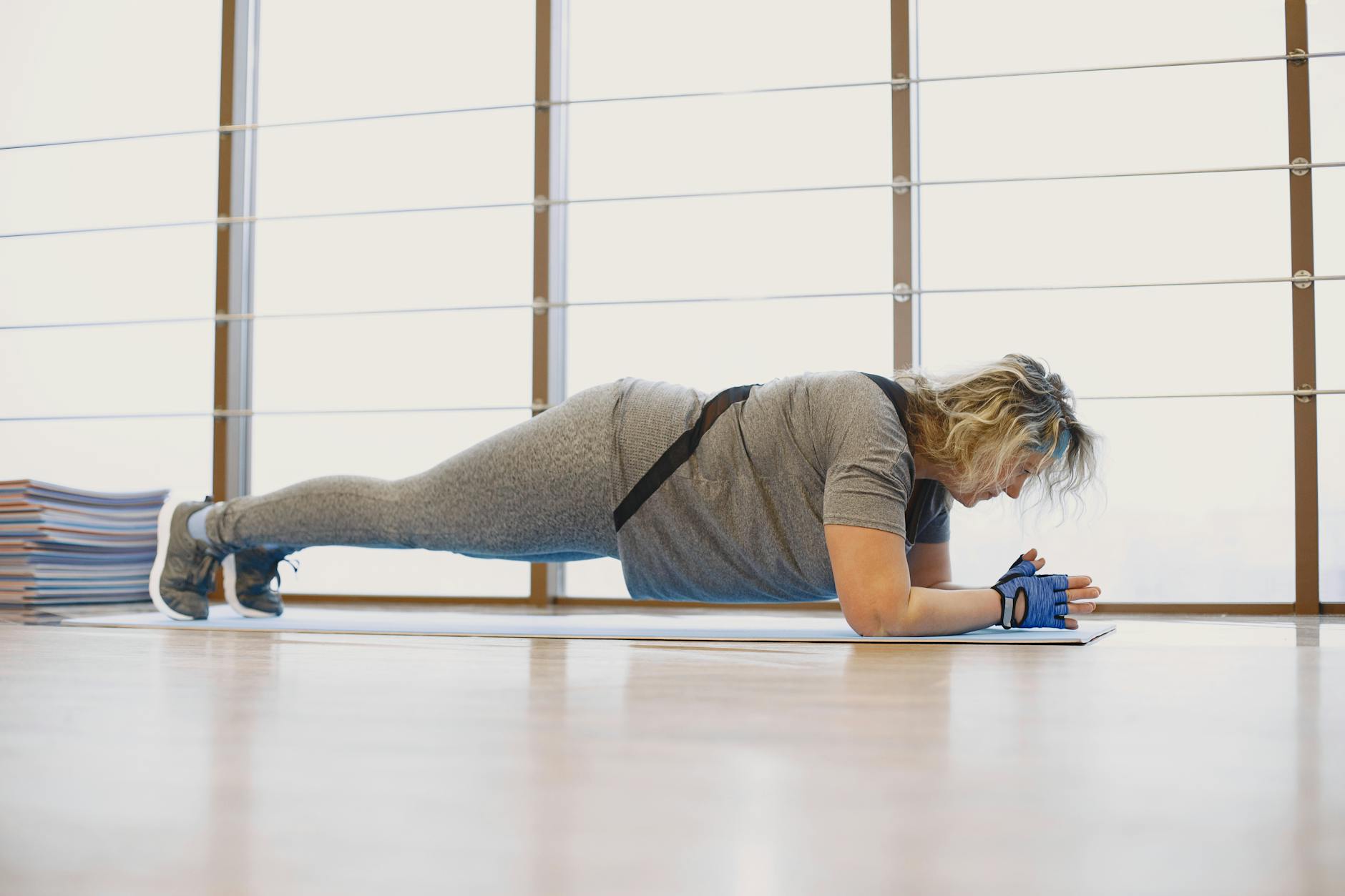

The spine, a complex structure composed of vertebrae, discs, ligaments, and muscles, plays a vital role in the stabilization of movement in the human body. This article delves into the anatomy of the spine, its functions, and how it contributes to the stability required for both everyday activities and athletic performance.
Anatomy of the Spine
The human spine consists of 33 vertebrae segmented into five regions:
- Cervical Spine (7 vertebrae): Located in the neck, it supports the head and allows for mobility.
- Thoracic Spine (12 vertebrae): Attached to the ribs, it forms the upper back and provides stability and protection to the organs.
- Lumbar Spine (5 vertebrae): The lower back region designed to bear weight and facilitate (stabilize) movement.
- Sacrum (5 fused vertebrae): Connects the spine to the pelvis and supports the weight of the upper body.
- Coccyx (4 fused vertebrae): Commonly known as the tailbone, it provides attachment for ligaments and muscles.
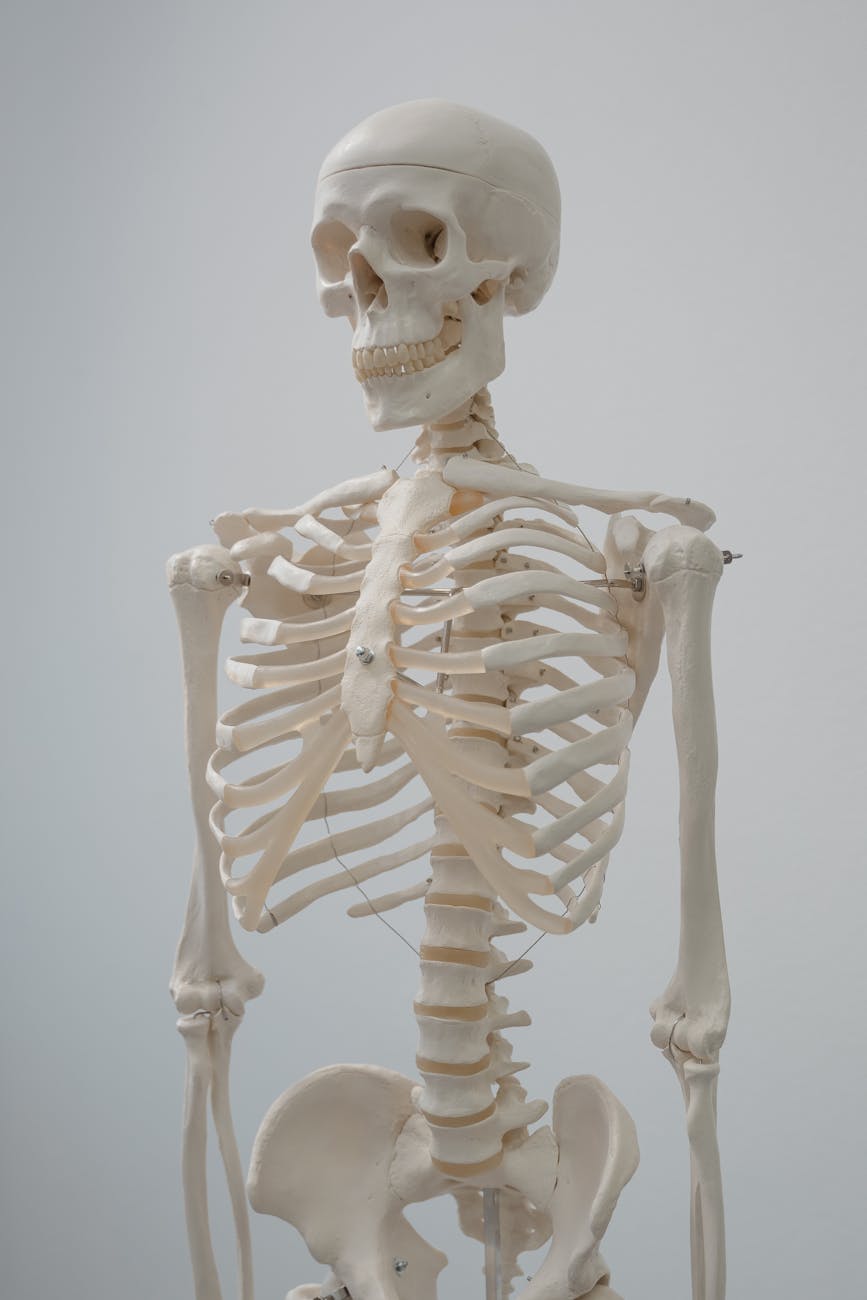
Between each vertebra are intervertebral discs, which act as shock absorbers, allowing flexibility while protecting the vertebrae from impact.
Functions of the Spine in Movement Stabilization
1. Structural Support
The spine provides the primary framework for the body’s structure. By maintaining an upright posture and aligning the body’s center of gravity, it helps to stabilize the body during movement. Strong spinal alignment reduces the risk of injuries during physical exertion.
2. Load Distribution
The discs in the spine help distribute loads evenly across the vertebrae, reducing stress on any single part. This load distribution is crucial during activities like lifting or running, where the body experiences high impacts.
3. Facilitating Movement
The spine allows for a range of movements including hip hinging, hip rotation, and squatting. This mobility is essential for daily activities, from basic actions like walking to more complex movements in sports. The spine’s design ensures that while range of motion is achieved, stability remains intact.
4. Muscle Attachment
Various muscles attach to the spine, including the erector spinae, multifidus, and abdominal muscles (Yes!). These muscles work in concert to stabilize the spine during movement, preventing excessive motion that could lead to injury. A strong core, working alongside the spinal structure, enhances overall stability.
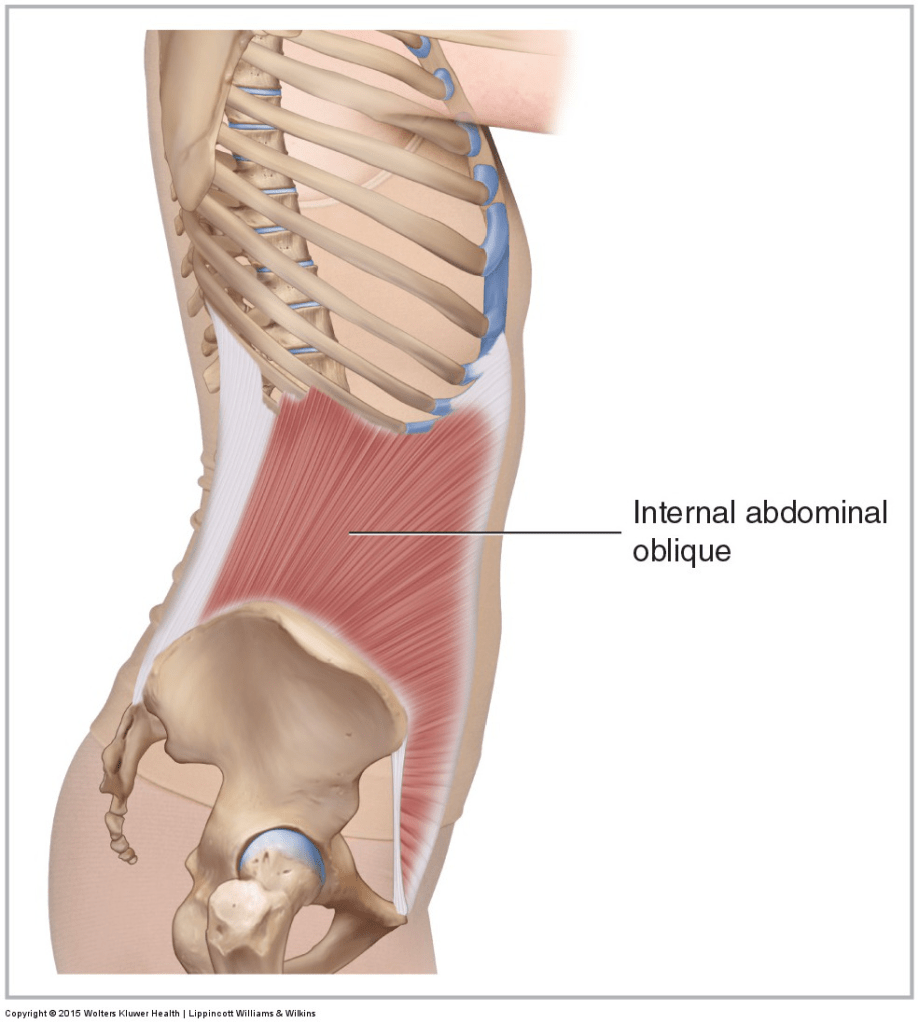
Figure 26. Lateral view of the right internal abdominal oblique. Courtesy Joseph E. Muscolino. Manual Therapy for the Low Back and Pelvis – A Clinical Orthopedic Approach (2015).
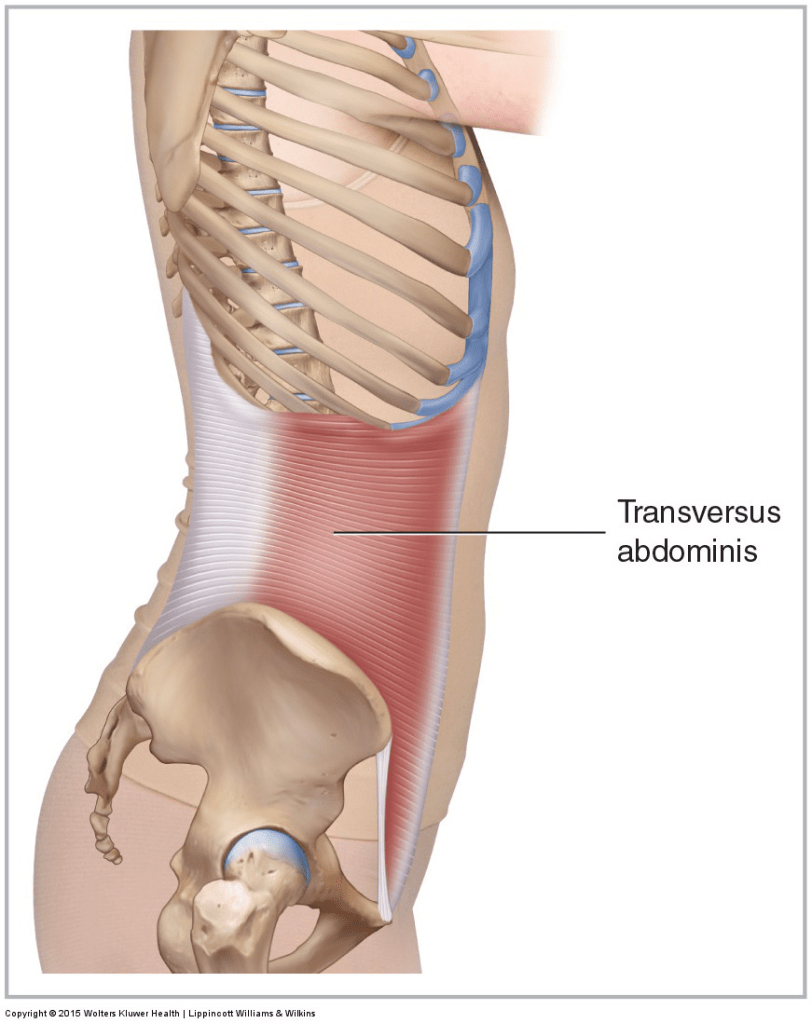
Figure 27. Lateral view of the right transversus abdominis. Courtesy Joseph E. Muscolino. Manual Therapy for the Low Back and Pelvis – A Clinical Orthopedic Approach (2015).
5. Proprioception and Balance
The spine contributes to proprioception—the body’s ability to sense its position and movement in space. Spinal nerves provide feedback to the central nervous system, allowing for better balance and coordination while moving. This is particularly important in dynamic activities such as sports, dance, and even everyday tasks like walking on uneven surfaces.

Conclusion
The spine is essential for maintaining stability while allowing for a wide range of movements. Through its structural components, load distribution capabilities, and muscle attachments, it not only supports overall body function but also plays a crucial role in protecting against injury during movement. Understanding the spine’s role can help individuals take better care of their back health and enhance their physical performance. By supporting spinal health through proper posture, strength training, and core exercises, one can ensure a stable and active lifestyle.