
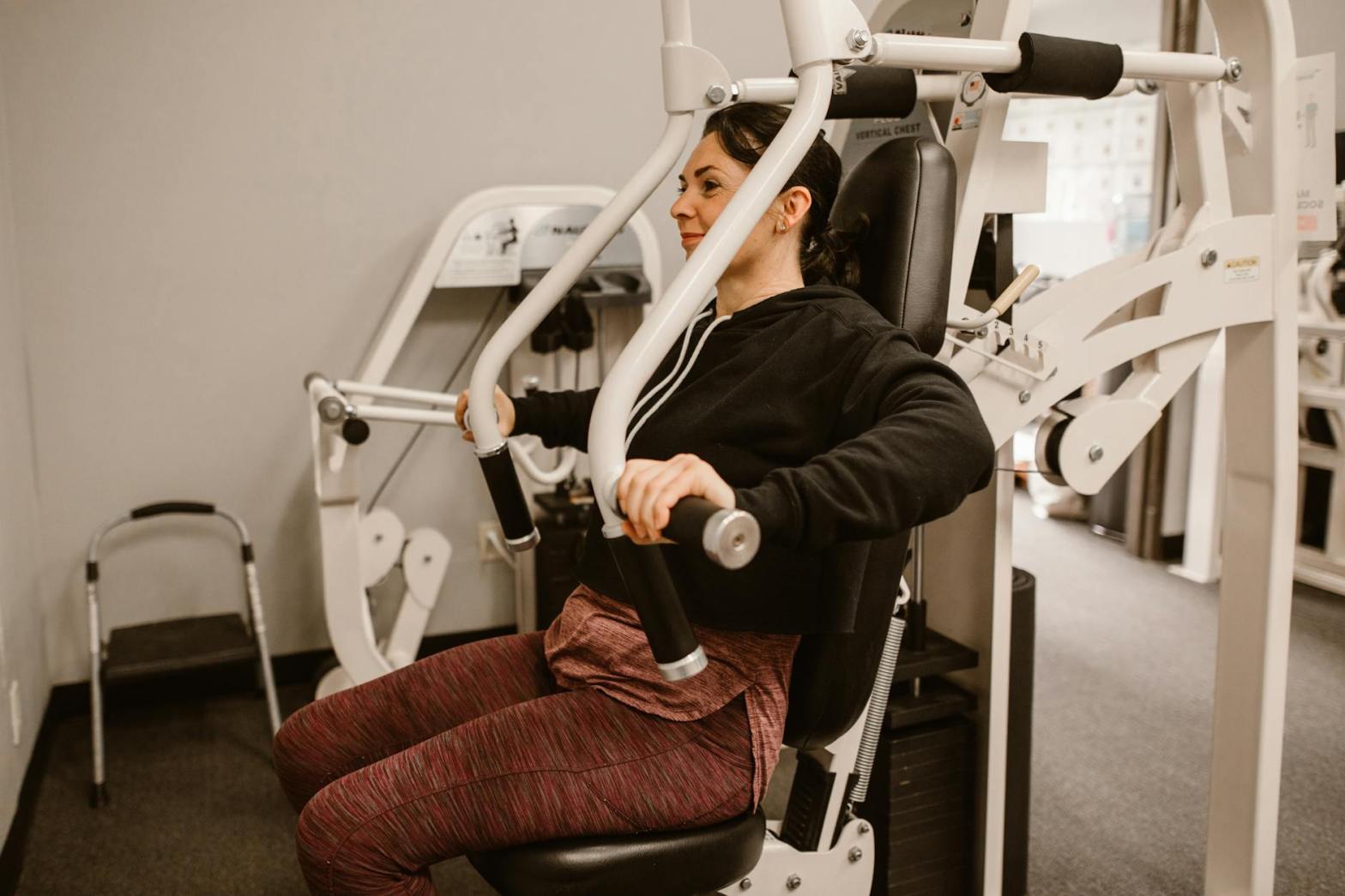
The pectoralis major is a large, fan-shaped muscle situated at the front of the chest. This vital muscle plays a key role in various upper body movements and is essential for both strength training and everyday activities.
Anatomy of the Pectoralis Major
The pectoralis major has two primary components: the clavicular head and the sternal head.
- Clavicular Head: Originating from the medial half of the clavicle, this part is responsible for flexing the humerus (the upper arm bone) and moving the arm forward.
- Sternal Head: This portion arises from the sternum and the first six ribs. It plays a crucial role in adducting (bringing the arm toward the body) and internally rotating the shoulder.
Both heads insert at the greater tubercle of the humerus, making them effective in controlling arm movements.
Function of the Pectoralis Major
The pectoralis major is instrumental in several movements of the shoulder joint:
- Adduction of the Arm: It allows the arms to move closer to the body.
- Flexion of the Arm: It helps in raising the arm forward.
- Internal Rotation of the Arm: This enables the arm to turn inward.
These functions are commonly utilized in various activities such as pushing, throwing, and lifting.
Importance in Exercise and Strength Training
The pectoralis major is heavily targeted in strength training exercises. Some popular exercises aimed at strengthening this muscle include:
- Bench Press: Engages both heads of the pectoralis major and is a fundamental exercise for building chest strength.
- Push-Ups: A bodyweight exercise that works the chest, shoulders, and triceps.
- Chest Flys: Focuses on isolating the pectoralis major, allowing for a greater range of motion.
Regularly strengthening the pectoralis major contributes to better performance in sports and physical fitness, strengthens the heart, promotes muscular balance, and helps prevent injuries.
Common Injuries
Like any muscle group, the pectoralis major can be susceptible to injuries, particularly through overuse or improper technique during exercise. Common injuries may include strains or tears, which can happen when lifting heavy weights without adequate warm-up or when performing repetitive overhead activities without proper form.
Conclusion
The pectoralis major is a fundamental muscle in the upper body, crucial for numerous physical activities and exercises. Understanding its role, anatomy, and function can help individuals optimize their workouts, enhance upper body strength, and reduce the risk of injuries. Whether you’re a fitness enthusiast or simply looking to improve your overall health, giving attention to this muscle is beneficial for achieving your physical goals.


