

Is it the Pectoralis Minor Causing your Shoulder Asymmetry?
The human shoulder complex is a marvel of anatomical engineering, enabling a wide range of movements. However, muscle imbalances can lead to postural issues and asymmetries, one of which can be attributed to the pectoralis minor muscle.
What is the Pectoralis Minor?
The pectoralis minor is a small, triangular muscle located beneath the larger pectoralis major in the chest. It originates from the third through fifth ribs and inserts into the coracoid process of the scapula (shoulder blade). Key functions of the pectoralis minor include downward rotation or stabilizing the scapula and assisting in movements such as arm elevation.
Mechanisms Leading to Uneven Shoulders

While the pectoralis minor plays a role in shoulder mechanics, its dysfunction can lead to uneven shoulder presentation. Here are several ways how this can occur:
1. Muscle Tightness
If the pectoralis minor becomes tight due to factors like poor posture (such as hunching or prolonged sitting), it may exert uneven tension on the scapula. This can cause one shoulder to elevate higher than the other.
2. Weakness or Imbalance
Weakness in the pectoralis minor can also lead to uneven shoulders. If one side of the muscle is weaker than its counterpart, it may fail to perform its stabilizing role effectively. This imbalance leads to compensatory movement patterns, where other muscles (trapezius) overwork to maintain shoulder elevation, exacerbating asymmetry.
3. Postural Implications
Long-term poor posture can reinforce imbalances in the pectoralis minor and other shoulder muscles. Slouching or rounding the shoulders forwards can lead to contraction and shortening of the pectoralis minor, causing it to pull the scapula out of its intended position. This creates a cascading effect – not only impacting the pec minor but affecting the entire shoulder girdle and leading to pronounced unevenness in shoulder appearance.
Addressing Uneven Shoulders Due to Pectoralis Minor Dysfunction
1. Massage and Stretching
Incorporating targeted massage and stretch for the pectoralis minor can help alleviate tightness and improve shoulder and neck alignment:
- Hot Water Bag: Place a filled hot water bag on the shoulder and chest area of the elevated shoulder for 20 minutes to an hour; the longer the better. Wrap a towel around the bag to prevent burning of the skin.
- Massage Gun: Place a massage gun at the coracoid process and massage down/up to the third, then fourth, and fifth rib.
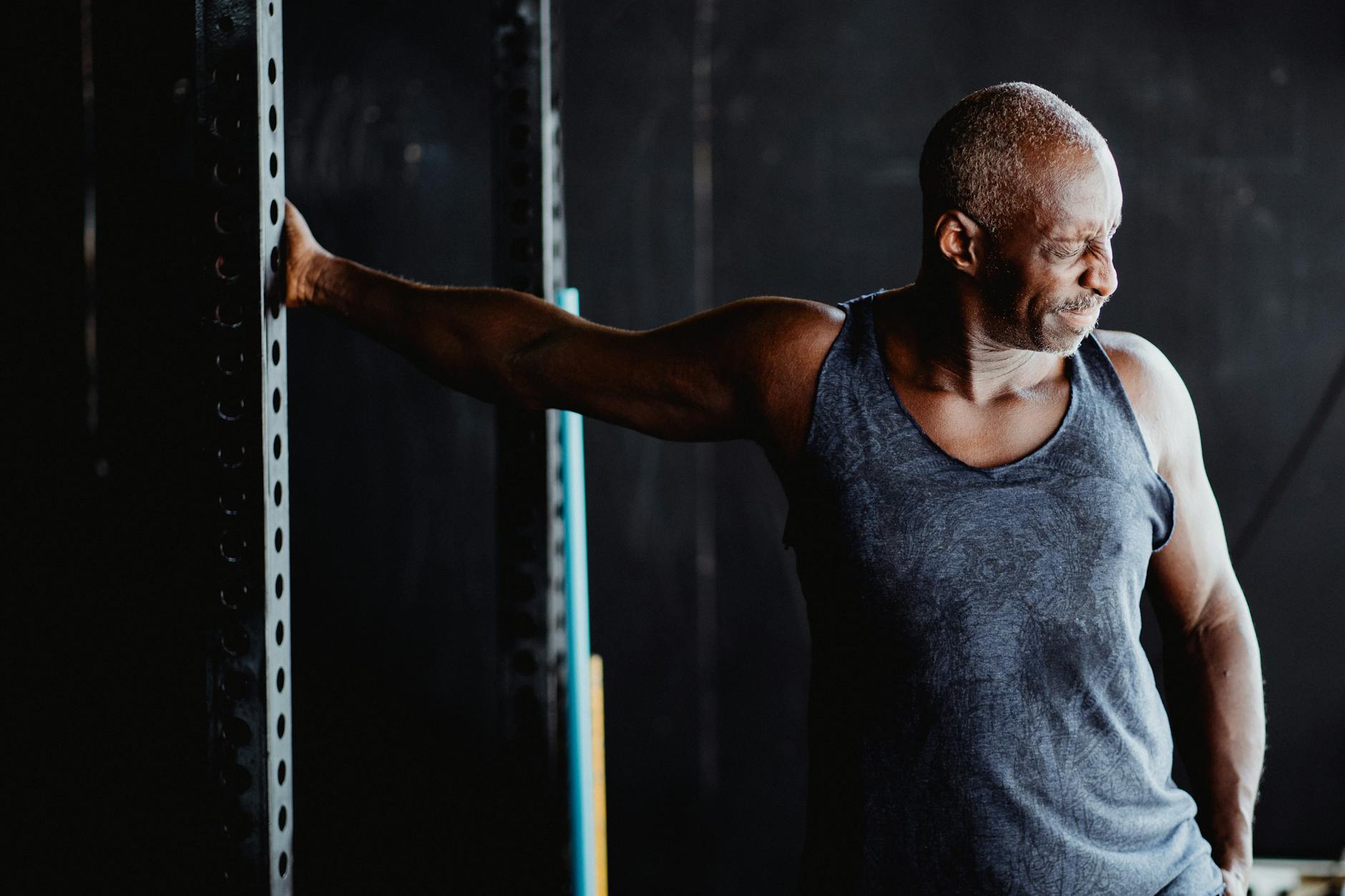
- Stretch: Stand at the edge of a wall and place your bent elbow (approximately 90 degrees) a little higher than shoulder height on the wall. Then step the same side leg forward into a lunge and feel a stretch in your pec minor.
2. Strengthening Exercises
Additionally, strengthening the pectoralis minor, rhomboids and middle trapezius can create balance:
- Chest Flys: Using light dumbbells or resistance bands, perform chest flys to engage the pectoralis minor while promoting balanced activation, because weak muscles do not stretch.
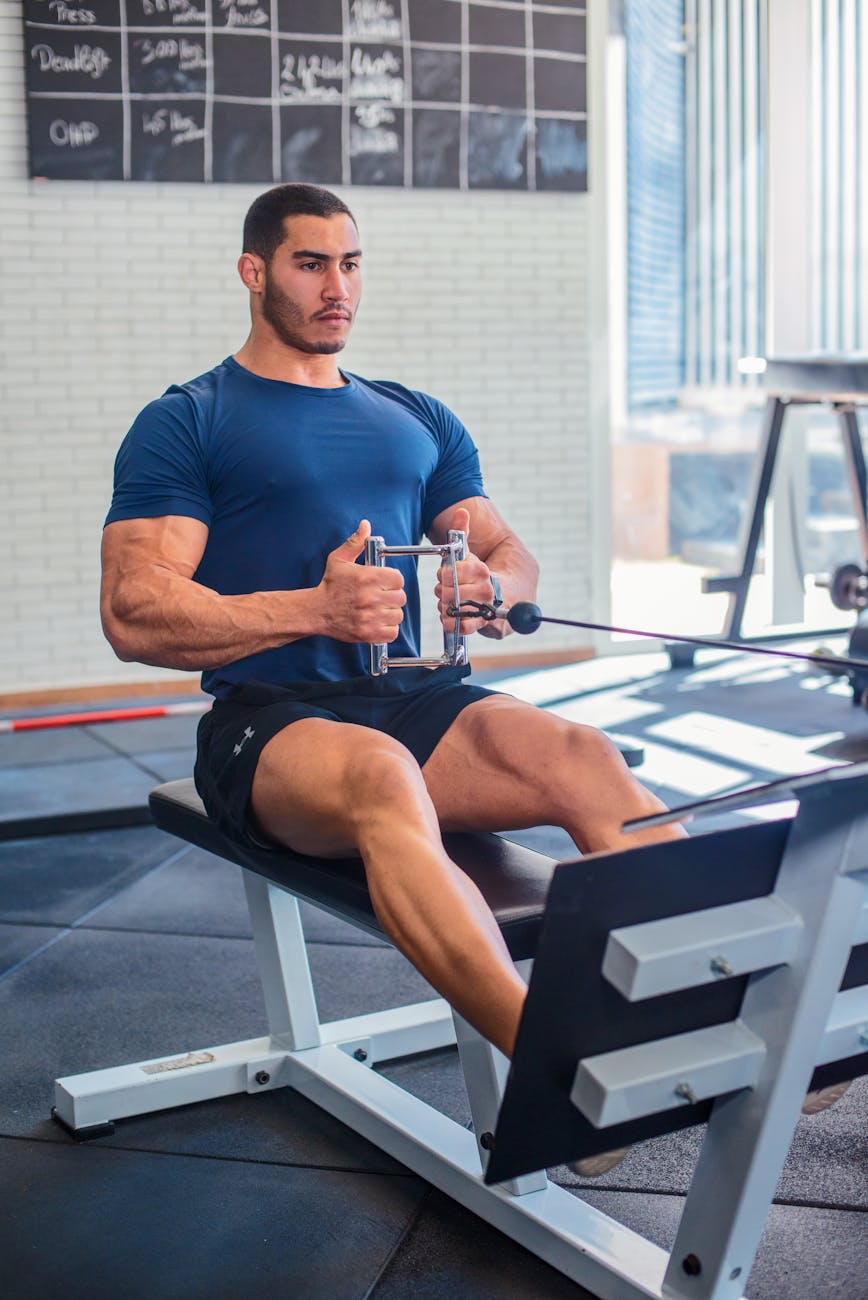
- Scapular Retraction: Utilizing exercises like seated rows can help strengthen the muscles that support proper scapular positioning and counterbalance the pectoralis minor. These muscles would be the rhomboids and the middle trapezius.
3. Postural Awareness
Being mindful of posture during daily activities is vital. Practicing good ergonomics and incorporating regular movement breaks can prevent tightness in the pectoralis minor and limit compensatory behaviors that lead to uneven shoulders.

Conclusion
The pectoralis minor, while a small muscle, holds significant influence over shoulder symmetry and function. Dysfunction in this muscle can lead to uneven shoulders due to tightness, weakness, or poor scapular control. By understanding these dynamics and implementing stretching, strengthening, and posture correction strategies, individuals can work towards a more balanced and functional shoulder presentation, ultimately enhancing their overall musculoskeletal health.
- 6 Month Program
- Bibliography
- Contact/Inquiry
- LEARN
- Privacy Policy
- Reviews
- Terms and Agreements
- Ramat
- Your Local Trainer a Living Room Away
- Thank You


