

Muscle Spindle Reflex and Hip Flexor Tightness In today’s fast-paced, technology-driven society, prolonged sitting has become commonplace, whether at work, during commutes, or while engaging in leisure activities. This sedentary lifestyle has significant implications for musculoskeletal health, particularly in the hip region. One of the most affected areas is the hip flexors, a group ofContinue reading “The Impact of Prolonged Sitting”
Category Archives: Bodywork
Levator Scapulae Trigger Points

The levator scapulae are a pair of muscles located in the back of the neck. They originate from the transverse processes of the first four cervical vertebrae (C1-C4) and insert onto the superior angle and medial border of the scapula (shoulder blade). Functions of the Levator Scapulae: Elevation of the Scapula: They help lift theContinue reading “Levator Scapulae Trigger Points”
Is it your Piriformis or Quadratus Femoris Muscle?

The Piriformis Muscle The piriformis is a small, pear-shaped muscle located in the posterior pelvic region. It is significant for its role in the movement and stabilization of the hip joint. Origin and Insertion Origin: The piriformis originates from the anterior surface of the sacrum. Insertion: It inserts onto the greater trochanter of the femur,Continue reading “Is it your Piriformis or Quadratus Femoris Muscle?”
Gluteus Maximus!

The Importance of Strong Glutes: Supporting the Spine and Enhancing Mobility The human body is an intricate system that relies on various muscle groups for support, movement, and overall health. Among these muscle groups, the gluteus muscles, commonly referred to as the glutes, play a critical role in maintaining stability, facilitating movement, and supporting theContinue reading “Gluteus Maximus!”
Pelvic Asymmetry in the Frontal Plane
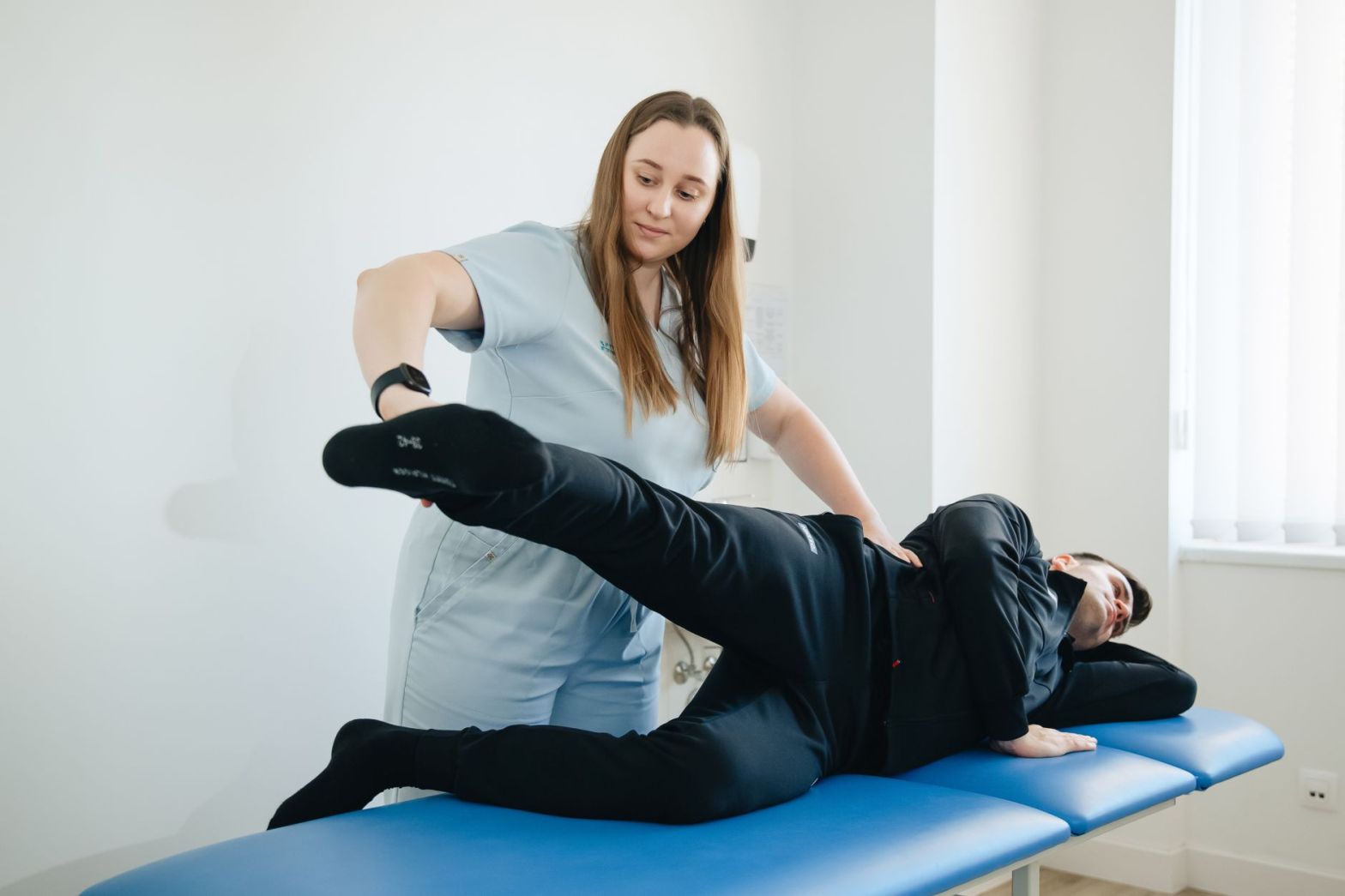
Pelvic asymmetry in the frontal plane refers to an imbalance or misalignment of the pelvis that can lead to various functional and structural issues in the body. This condition is significant as it can affect posture, biomechanics, and overall movement patterns. Causes Several factors can contribute to pelvic asymmetry in the frontal plane, including: MuscleContinue reading “Pelvic Asymmetry in the Frontal Plane”

