
The iliotibial band, commonly called the IT band, is often blamed when pain develops along the outside of the hip or knee. However, the IT band may not be the original source of the problem. In many cases, the underlying issue is poor pelvic and hip control caused by weak or inhibited pelvic girdle muscles.
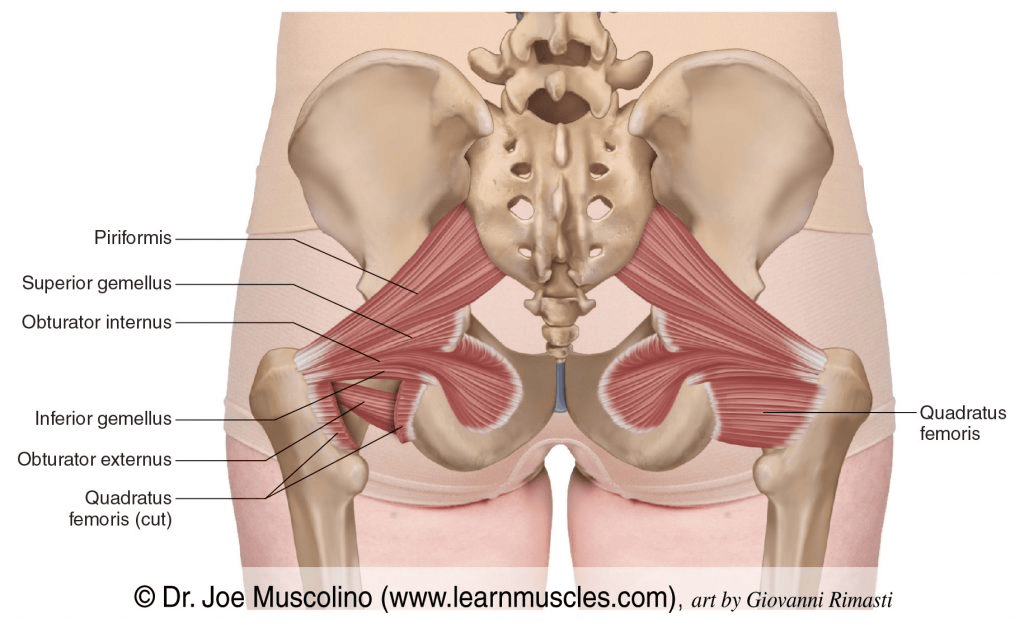
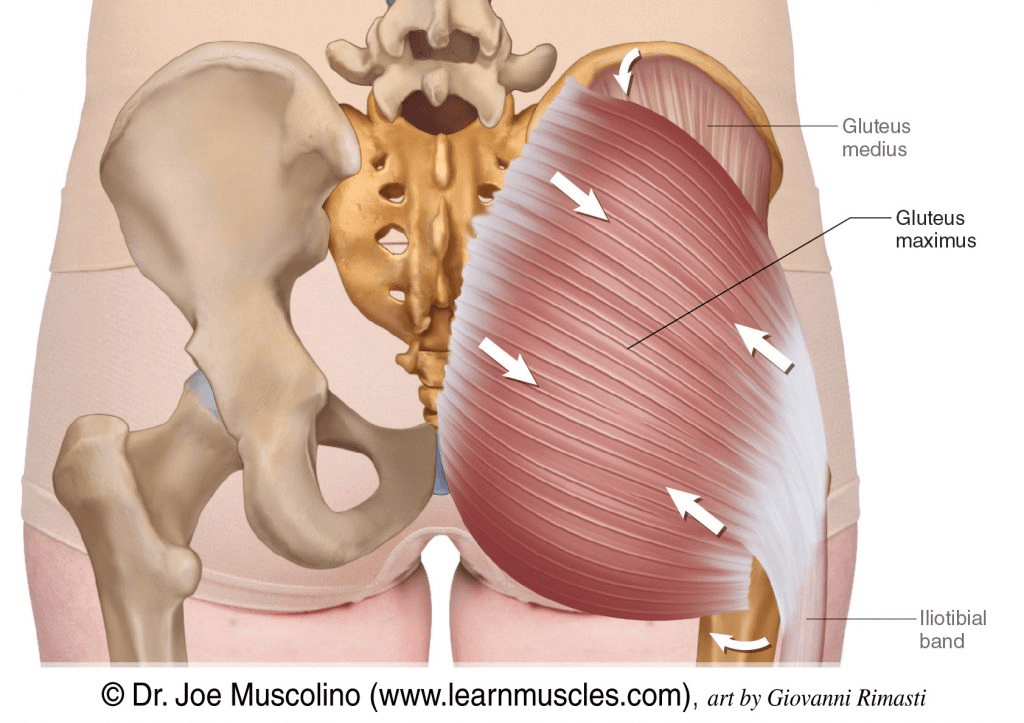
The deep 6 lateral rotators- piriformis, gemellus superior, obturator internus, gemellus inferior, obturator externus, quadratus femoris- gluteus medius, gluteus minimus, and gluteus maximus—help keep the pelvis aligned and control the movement of the thigh. When these muscles become weak, poorly coordinated, or effectively “shut down,” other tissues must compensate. One of the structures placed under increased demand is the IT band.
The Pelvic Girdle Muscles and Pelvic Stability
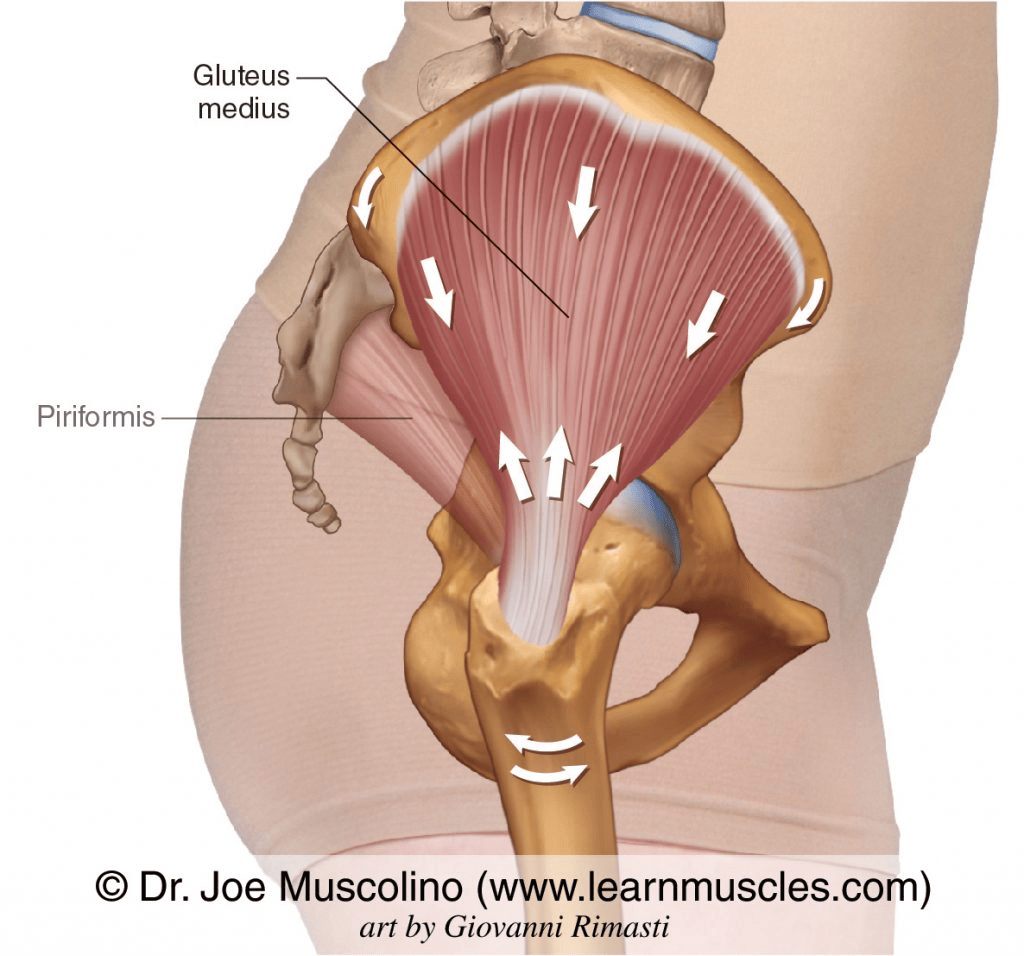
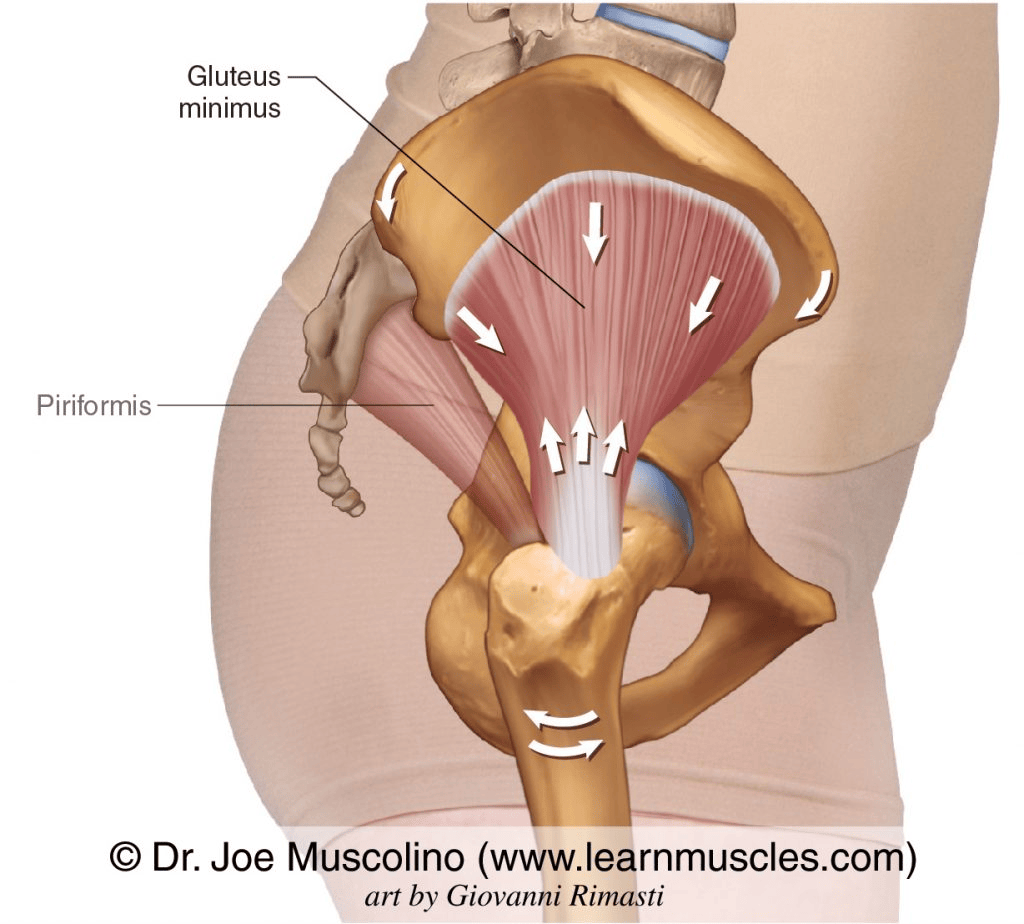
The pelvic girdle stabilizers— (including but not limited to) the deep six lateral rotators (piriformis, superior gemellus, obturator internus, inferior gemellus, obturator externus, and quadratus femoris), as well as the gluteus medius, gluteus minimus, and gluteus maximus—work together to maintain pelvic stability and control thigh movement. The deep six lateral rotators help keep the head of the femur centered in the hip socket while controlling rotation of the thigh. The gluteus medius and gluteus minimus stabilize the pelvis during standing and single-leg activities by preventing the opposite side from dropping, while the gluteus maximus supports the hip through extension and external rotation. Together, these muscles maintain proper alignment of the pelvis, hip, and lower limb, allowing efficient and controlled movement during walking, running, and other activities.
The IT Band Cannot Contract on Its Own

The IT band is a thick, relatively non-elastic strip of connective tissue that runs along the outer thigh. It is not a muscle, so it cannot actively contract, relax, or stretch by itself.
Instead, the IT band responds to the forces created by the muscles and joints around it. Changes in pelvic alignment, hip mechanics, muscle tone, and movement patterns can all alter the amount of tension and compression placed on the band.
When the pelvic girdle muscles are not doing their stabilizing work, the IT band may become taut and subjected to excessive mechanical stress. This does not necessarily mean the band itself is damaged. Rather, it may be reacting to an imbalance in the surrounding muscular system.
The TFL Takes Over
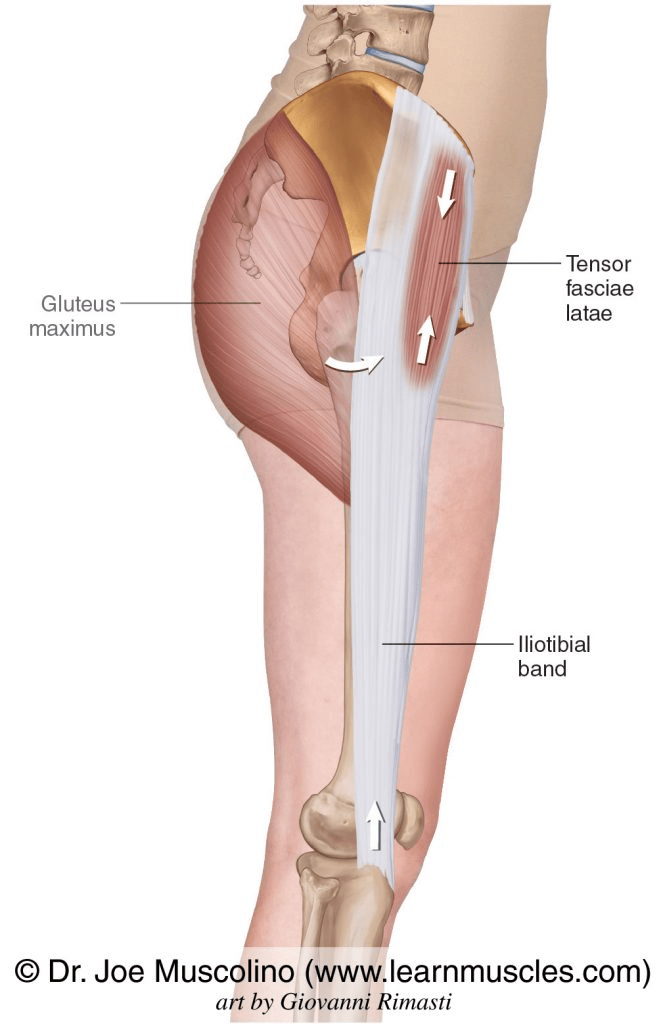
One of the most important compensating muscles is the tensor fasciae latae, or TFL. Located at the front and outer portion of the hip, the TFL blends directly into the upper part of the IT band.
The TFL assists with hip flexion, abduction, and internal rotation. It also contributes to pelvic and knee stability. When the deep 6, gluteus medius, gluteus minimus, and gluteus maximus are not firing properly, the TFL may attempt to take over some of their responsibilities.
Because it is relatively small compared with the gluteal muscles, the TFL can become overworked when it is repeatedly asked to stabilize the hip and pelvis. Over time, this may contribute to increased muscle tone, tenderness, and restricted movement around the outer hip.
Increased Upward Pull on the IT Band
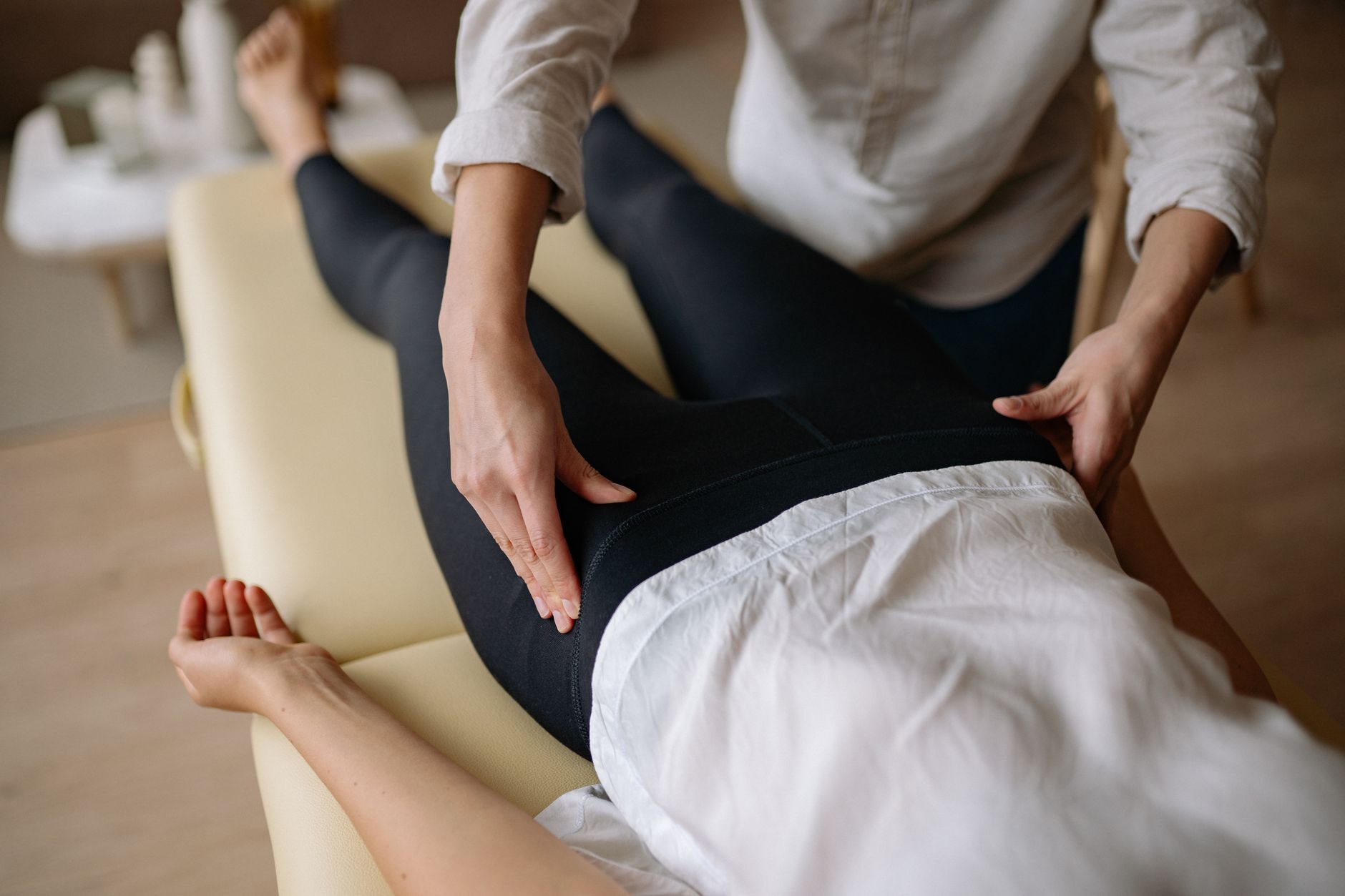
As the TFL becomes chronically tight or hypertonic, it can exert a constant upward pull on the IT band. Since the TFL attaches directly into this connective tissue, persistent activity in the muscle can increase baseline tension throughout the outer thigh.
This tension may be especially noticeable during activities such as:
- Walking or running
- Climbing stairs
- Standing on one leg
- Squatting
- Cycling
- Repeated hip and knee flexion
The increased pull from the TFL can also affect how forces are transmitted toward the outer knee. When combined with poor pelvic control and inward movement of the thigh, this may increase compression and irritation in tissues near/in the hip or knee.
A Chain Reaction Through the Lower Limb

Weak or inhibited gluteal muscles can create a chain reaction:
- The pelvis becomes less stable.
- The thigh moves with less control.
- The TFL works harder to assist with stabilization.
- The TFL increases tension through the IT band.
- The outer hip and knee experience greater mechanical stress.
This pattern may be worsened by prolonged sitting, sudden increases in training volume, poor movement mechanics, inadequate recovery, or repetitive activities that repeatedly challenge hip stability.
Why Stretching the IT Band May Not Be Enough
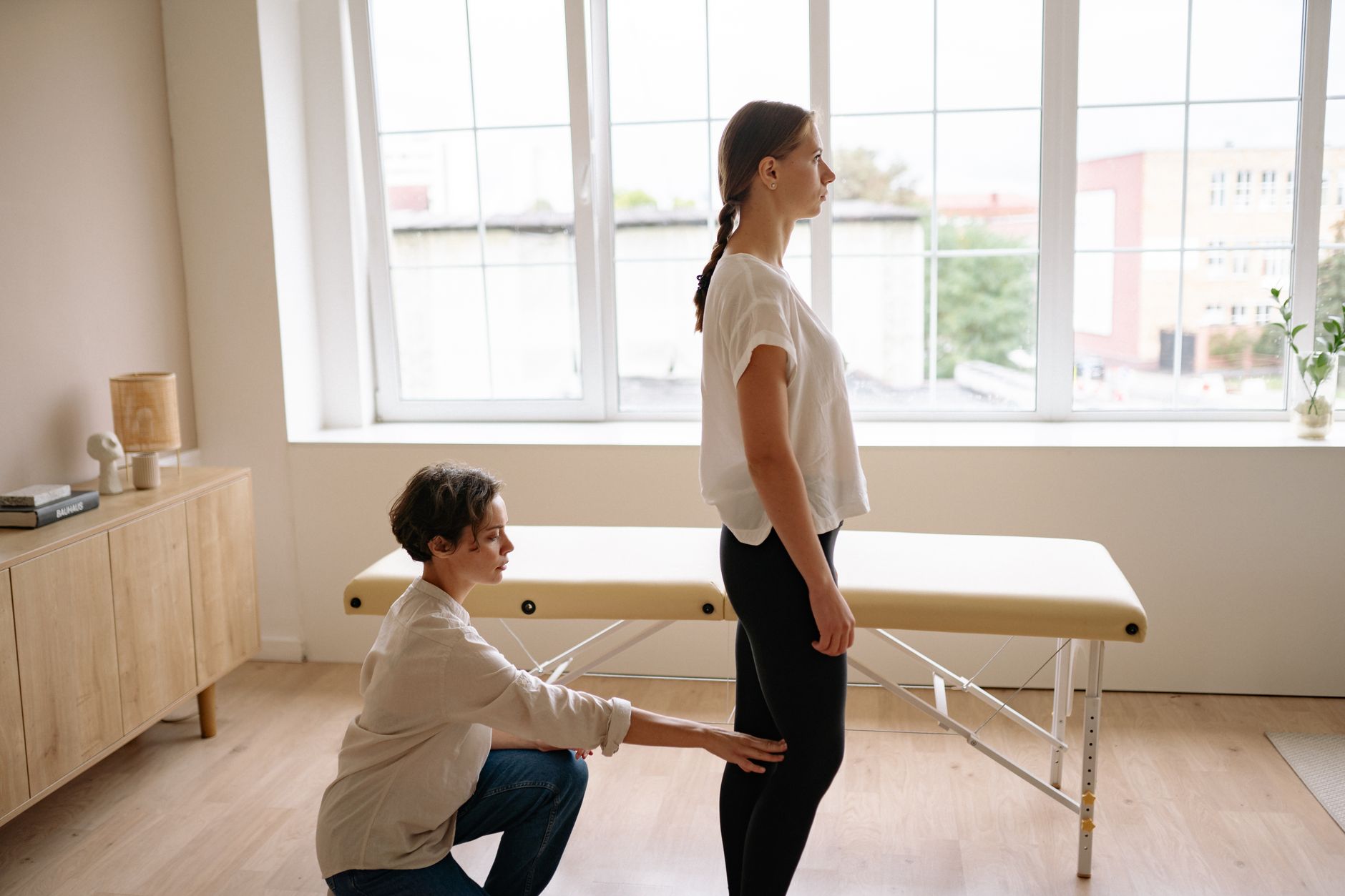
Because the IT band is dense connective tissue, aggressively stretching it may not address the underlying problem. The more important goal is often to improve the function of the muscles controlling the pelvis and hip.
A well-rounded approach may include:
- Strengthening the deep 6, gluteus medius and gluteus minimus
- Improving gluteus maximus activation
- Restoring hip mobility where needed (Shin Box)
- Reducing excessive TFL activity with massage and stretching
- Practicing controlled single-leg movements
- Gradually… increasing activity levels
- Assessing running, walking, or lifting mechanics
Exercises such as dynamic neuromuscular stability (DNS) Star, side-lying hip abduction, controlled step-downs, bridges, hip hikes, and lateral movements (Side Lunge) may be useful when performed with proper alignment and progression. However, exercises should be selected according to the individual’s symptoms, strength, mobility, and movement patterns.
The Bigger Picture

IT band tension is often the result of a larger movement-system imbalance rather than an isolated problem with the band itself. When the pelvic girdle muscles are unable to stabilize the pelvis effectively, the TFL may become overactive and place additional tension through the IT band.
Understanding this relationship can shift the focus from simply trying to “loosen” the IT band to improving the strength, coordination, and endurance of the muscles that should be supporting the hip.
If outer-hip or outer-knee pain persists, worsens, or interferes with daily activities, a qualified clinical healthcare professional can help identify the contributing factors and develop an appropriate treatment plan.
- 6 Month Program
- Bibliography
- Contact/Inquiry
- LEARN
- Privacy Policy
- Reviews
- Terms and Agreements
- Ramat
- Your Local Trainer a Living Room Away
- Thank You


