Muscle Spindle Reflex and Hip Flexor Tightness
In today’s fast-paced, technology-driven society, prolonged sitting has become commonplace, whether at work, during commutes, or while engaging in leisure activities. This sedentary lifestyle has significant implications for musculoskeletal health, particularly in the hip region. One of the most affected areas is the hip flexors, a group of muscles essential for movement and posture. Prolonged sitting can induce muscle spindle reflex mechanisms that contribute to an abnormal increase of muscle tone, leading to tight hip flexors and various physical issues. This essay delves into the relationship between prolonged sitting, muscle spindle reflex activity, and the resulting tightness in hip flexors.
The Role of Hip Flexors
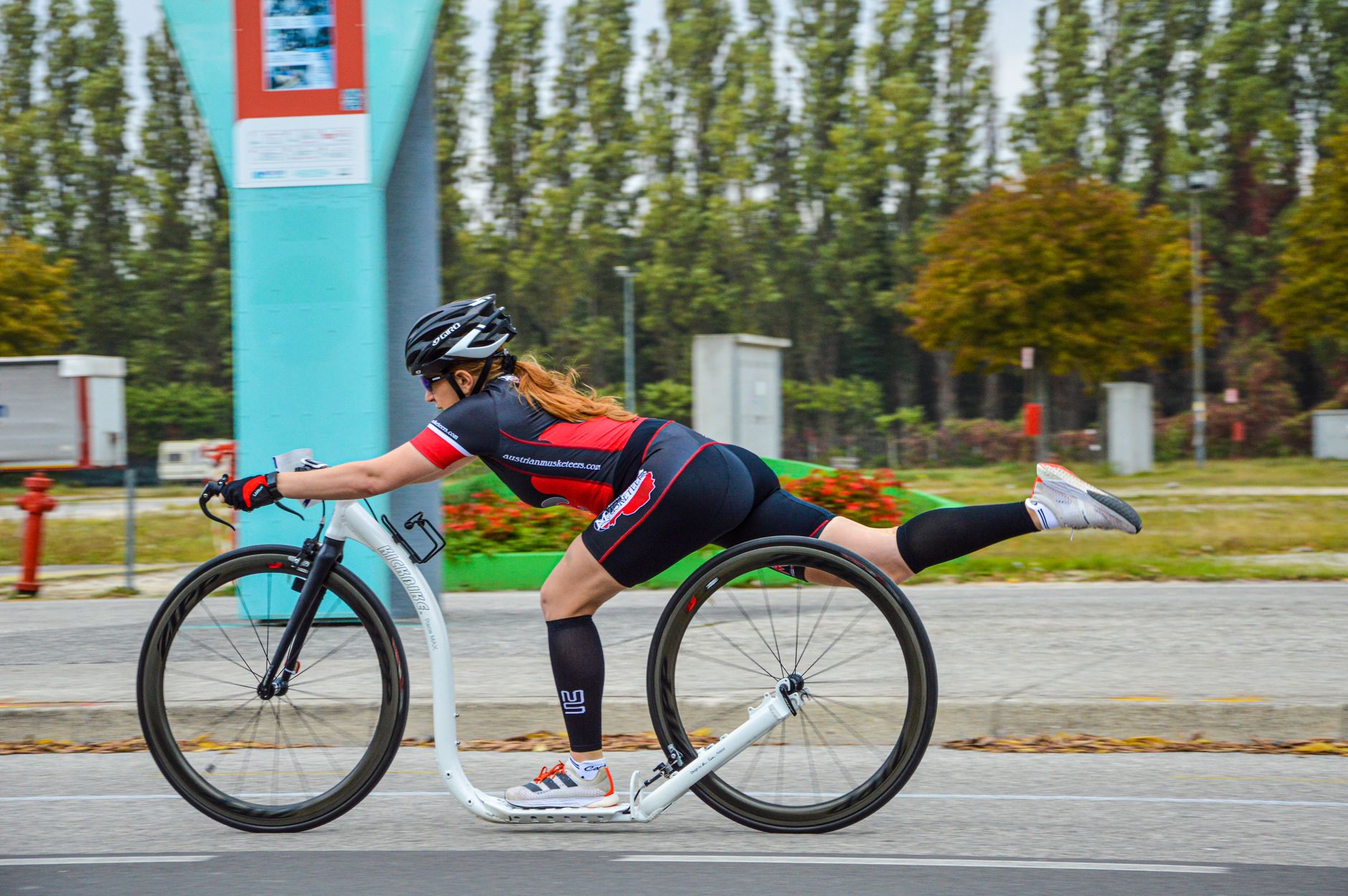
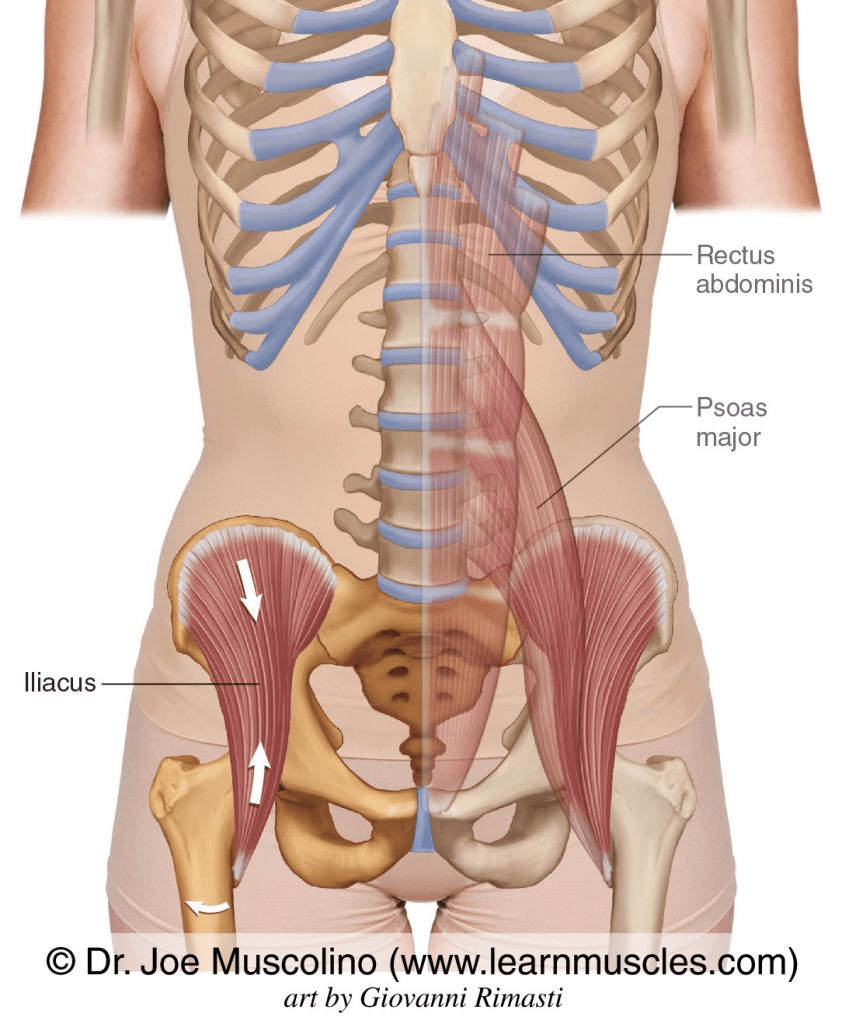
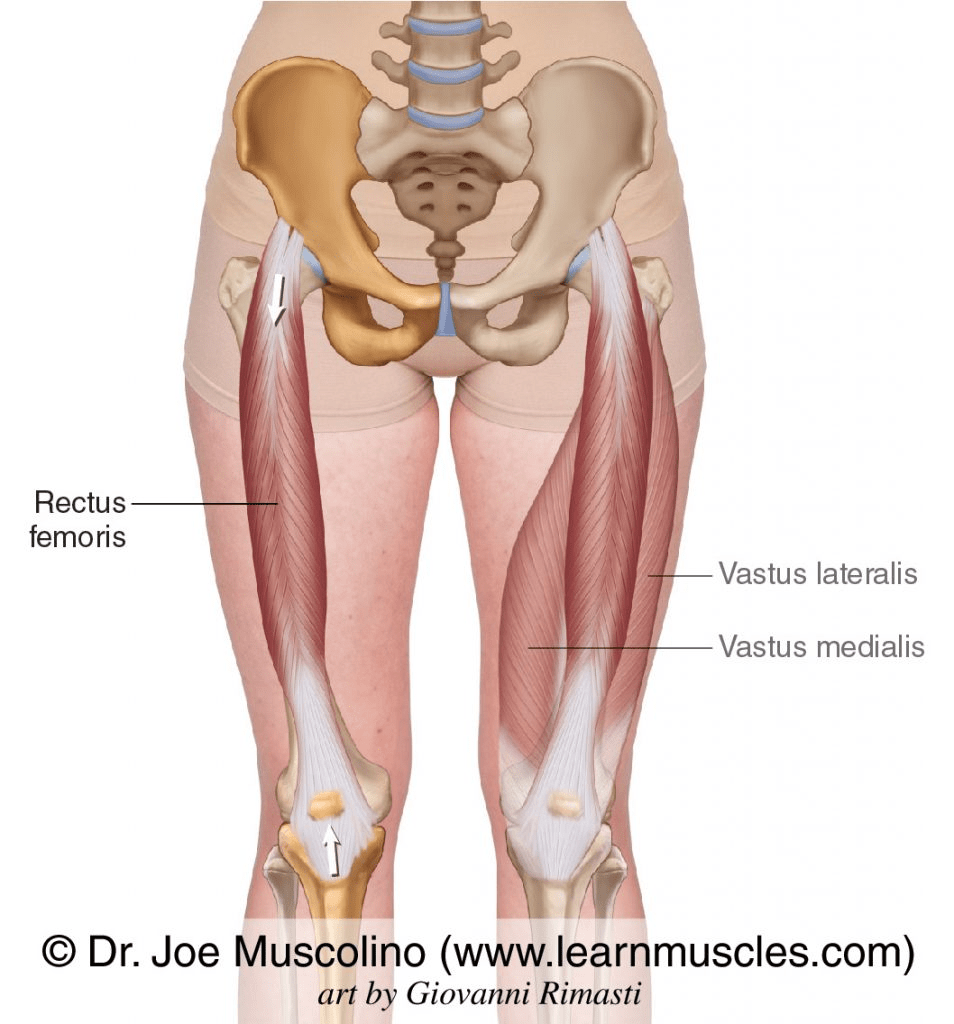
The hip flexors, primarily composed of the iliopsoas, rectus femoris, and sartorius, play crucial roles in bending the hip and stabilizing the pelvis. When these muscles are functioning optimally, they allow for efficient movement and support proper posture. However, when subjected to prolonged periods of sitting, they can become overly short and tight, leading to compensatory movement patterns and discomfort.
The Consequences of Prolonged Sitting
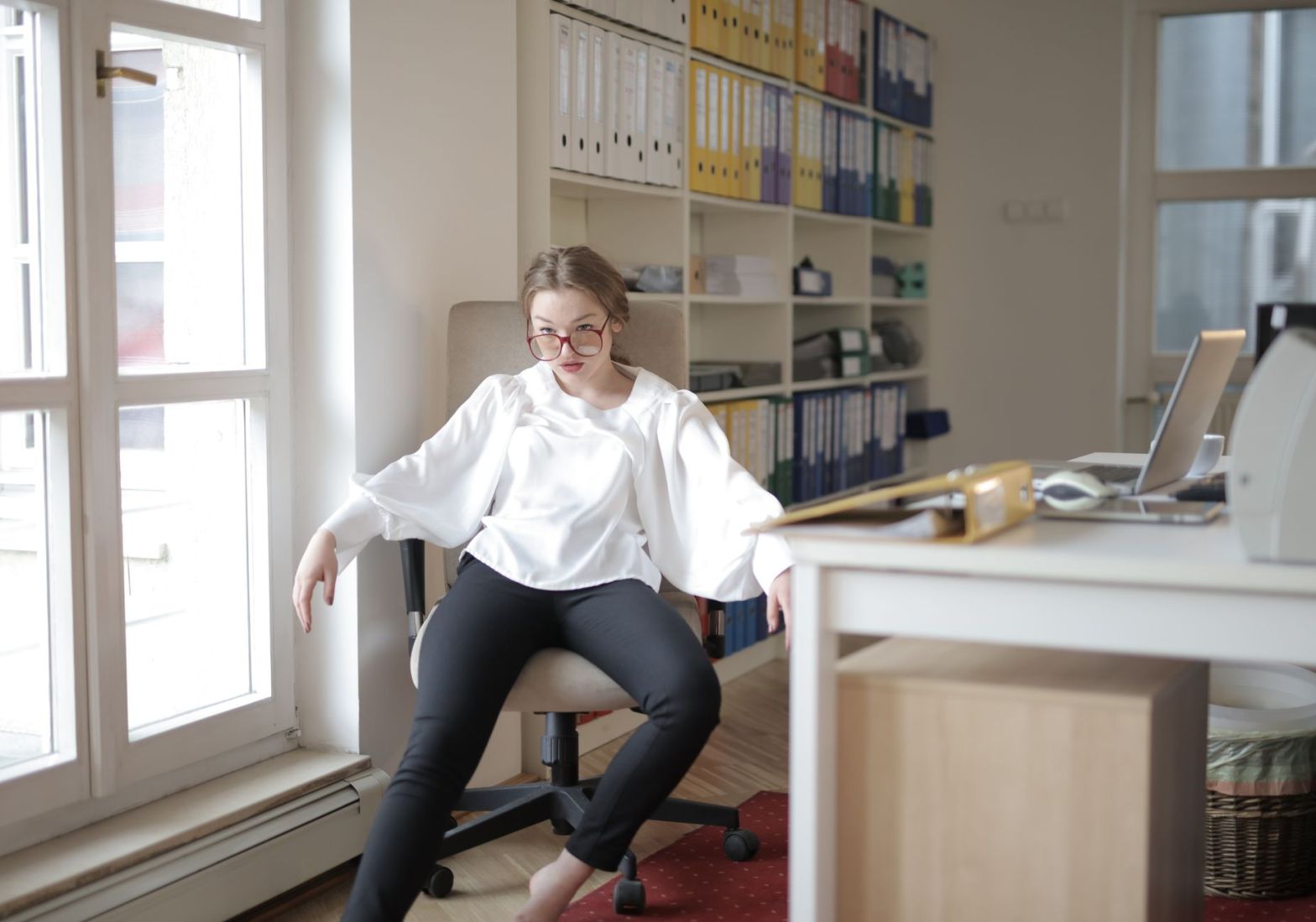
Prolonged sitting puts the hip flexors in a shortened position as the knees are bent, and the hips are flexed for extended periods. This passive position encourages muscle adaptation over time, leading to musculoskeletal imbalances. Such adaptations include alterations in muscle length and tension, ultimately resulting in tight hip flexors.
Muscle Spindle Reflex and Its Mechanisms
Muscle spindles are sensory receptors within muscle tissues that detect changes in muscle length and the rate of that length change. By responding to these changes, muscle spindles play a critical role in regulating normal muscle tone and facilitating movement. When a muscle is stretched, the muscle spindles send signals to the central nervous system, triggering a reflex response—known as the stretch reflex—that helps maintain muscle tone and protects the muscle from injury.
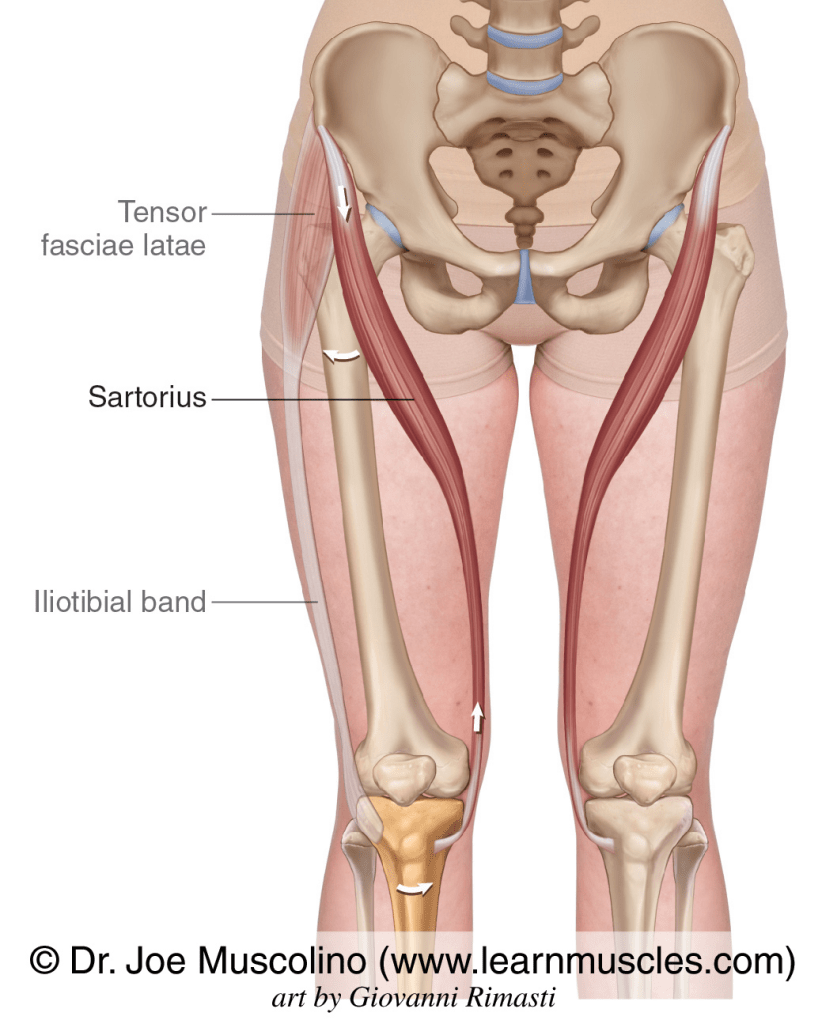
During prolonged sitting, the hip flexors experience a chronic shortening. As a result, the muscle spindles receive less stimulation from stretching and are constantly in a state of adaptation to this shortened position. This lack of stretch creates a situation where the muscle spindles might become less responsive to normal ranges of motion, leading to an abnormal increase in muscle tone when the hip flexors are finally stretched. Consequently, when you try to stretch, the reflexive response may become overly sensitive, contributing to increased tension in the hip flexors, further complicating the problem. This does not happen in one sitting, but takes 3 to 6 months, without stretching or exercise, to finally set in.

The Cycle of Tightness!
The interplay between prolonged sitting and muscle spindle reflex activity creates a cycle of tightness.
- Adaptation to Shortened Muscles: As individuals sit for extended periods, their hip flexors adapt to the shortened position.
- Reduced Muscle Spindle Responsiveness: Muscle spindles become less effective at detecting stretching stimuli due to the prolonged flexed state. As a result, the reflexive protective mechanism compensates by maintaining increased muscle tone, even at rest.
- Increased Muscle Tone Leads to Tightness: The cycle continues as the hip flexors begin to tighten further, limiting the range of motion and resulting in discomfort. Individuals may experience lower back pain or hip discomfort due to the altered biomechanics caused by tight hip flexors.
- Reinforced Sedentary Habits: This cycle can perpetuate itself; as individuals experience tightness and discomfort, they may avoid physical activity, leading to even more prolonged sitting and further muscle spindle adaptation!
Addressing the Issue
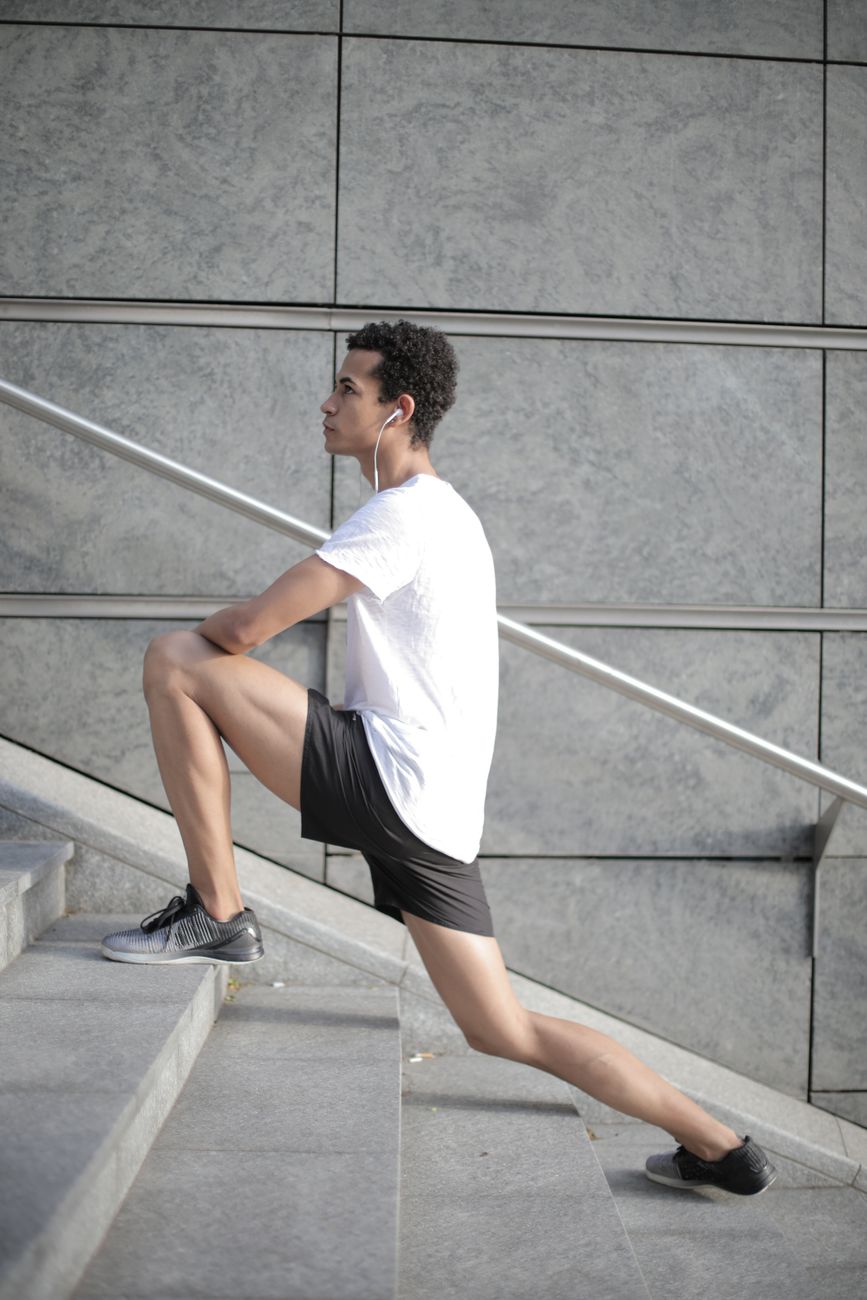
To counteract the negative effects of prolonged sitting and the resulting hip flexor tightness, individuals can adopt several strategies. Regular movement breaks throughout the day, incorporating stretches that target the hip flexors, and practicing good ergonomic habits can be beneficial. Engaging in strength training and mobility exercises can also help restore balance to the hip region and improve overall muscle function.

Furthermore, awareness of sitting posture and integrating standing or dynamic workstations can play a significant role in reducing the incidence of tight hip flexors. Additionally, techniques such as foam rolling, deep tissue massage, or physical therapy can alleviate tension and promote proper muscle length.
Conclusion
Prolonged sitting has profound implications for muscle health, particularly in the hip flexors, through its effect on muscle spindle reflex activity. The resulting cycle of muscle shortening and heightened muscle tone can lead to tight hip flexors and associated discomfort. By understanding these mechanisms, individuals can take proactive steps to alleviate the impact of sedentary lifestyles and foster better musculoskeletal health. Recognizing the importance of movement and muscle balance is vital for maintaining overall well-being in a modern, increasingly sedentary world.
- 6 Month Program
- Bibliography
- Contact/Inquiry
- LEARN
- Privacy Policy
- Reviews
- Terms and Agreements
- Ramat
- Your Local Trainer a Living Room Away
- Thank You