

The dimples on the left and right sides of your low back correspond to the posterior superior iliac spines (PSIS). Just beneath them are the sacroiliac joints (SIJ), which are crucial as they mark the junction where the spine meets the pelvis. Dysfunction in these joints can lead to significant discomfort and hinder your ability to perform daily activities such as walking, bending, or sitting.
Causes of Dysfunction
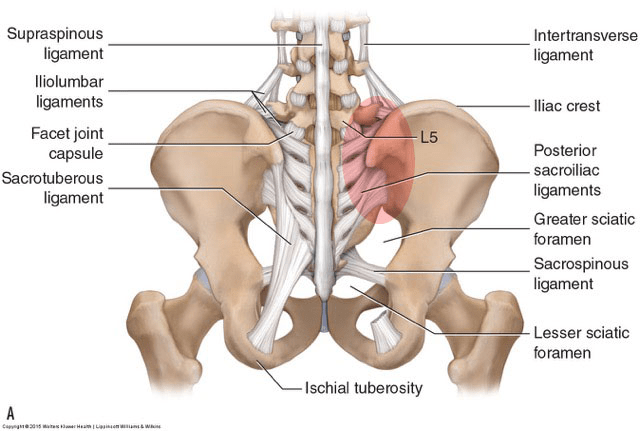
The sacroiliac joint is a common area for dysfunction. Permission: Joseph E. Muscolino. Manual Therapy for the Low Back and Pelvis (2015).
The core issue behind sacroiliac joint dysfunction often lies in either hypomobility or hypermobility of the SIJs.
- Hypomobility: This refers to restricted movement in a joint, leading to stiffness and pain.
- Hypermobility: This condition means the joint moves excessively, which creates instability and pain.
Femoro-Pelvic Rhythm

To better understand the dynamics at play here, it’s essential to grasp the concept of femoro-pelvic rhythm. This term describes the relationship between your femur (thigh bone) and your pelvis during movement.
- When you flex your right leg, like taking a step forward, the right side of the pelvis tilts backward.
- Simultaneously, the left leg moves backward, causing the left side of your pelvis to tilt forward.
This rhythm is vital during activities like walking, jogging, or running. Generally, individuals with a tight (hypomobile) left SIJ may have a looser (hypermobile) right SIJ, leading to an asymmetry that can worsen over time and cause pain in either the right or left SIJ.
Treatment Methods
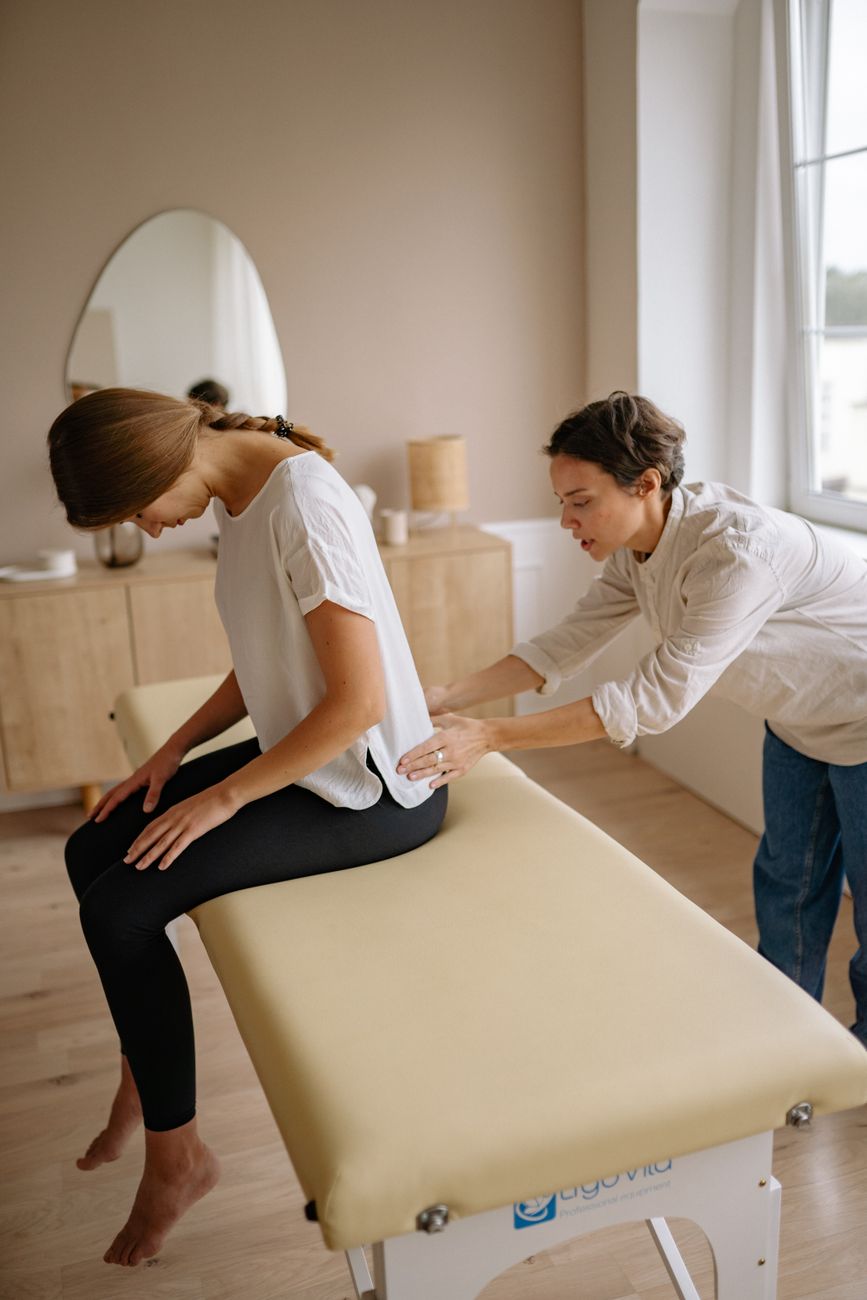
Effective treatment for SIJ dysfunction can include:
- Chiropractic Care
- Physical Therapy
- Massage Therapy
For massage therapy, the recommended approach is:
- Start with heat application to the hypomobile joint.
- Perform soft tissue manipulation.
- Implement stretching exercises.
- Conclude with grade IV joint mobilization.
Prevention Strategies
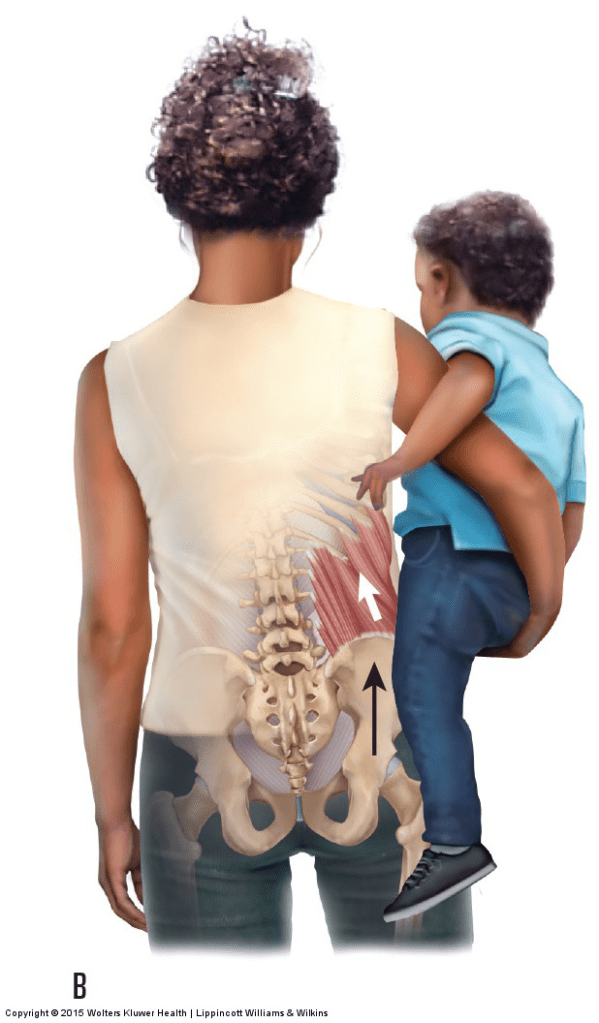
Many postures and activities can cause sacroiliac joint dysfunction and pain. Permission: Joseph E. Muscolino. Manual Therapy for the Low Back and Pelvis (2015).
To help prevent SIJ dysfunction, consider the following actions:
- Maintain awareness of your posture throughout the day.
- Start a strength training program at your local gym.
- Incorporate daily walks in the morning and evening sun.
Conclusion
By understanding these components, you can take proactive measures to prevent pain and maintain a healthier pelvic and spinal alignment.
- 6 Month Program
- Bibliography
- Contact/Inquiry
- LEARN
- Privacy Policy
- Reviews
- Terms and Agreements
- Ramat
- Your Local Trainer a Living Room Away
- Thank You


