

The shoulder girdle, often referred to as the pectoral girdle, plays an important role in the overall functionality and mobility of the upper body. This complex structure connects the arms to the torso and provides a wide range of movements for arm and shoulder function. To truly appreciate the shoulder girdle, it’s important to understandContinue reading “Shoulder Girdle!”
Category Archives: Bodywork
Shin Splints
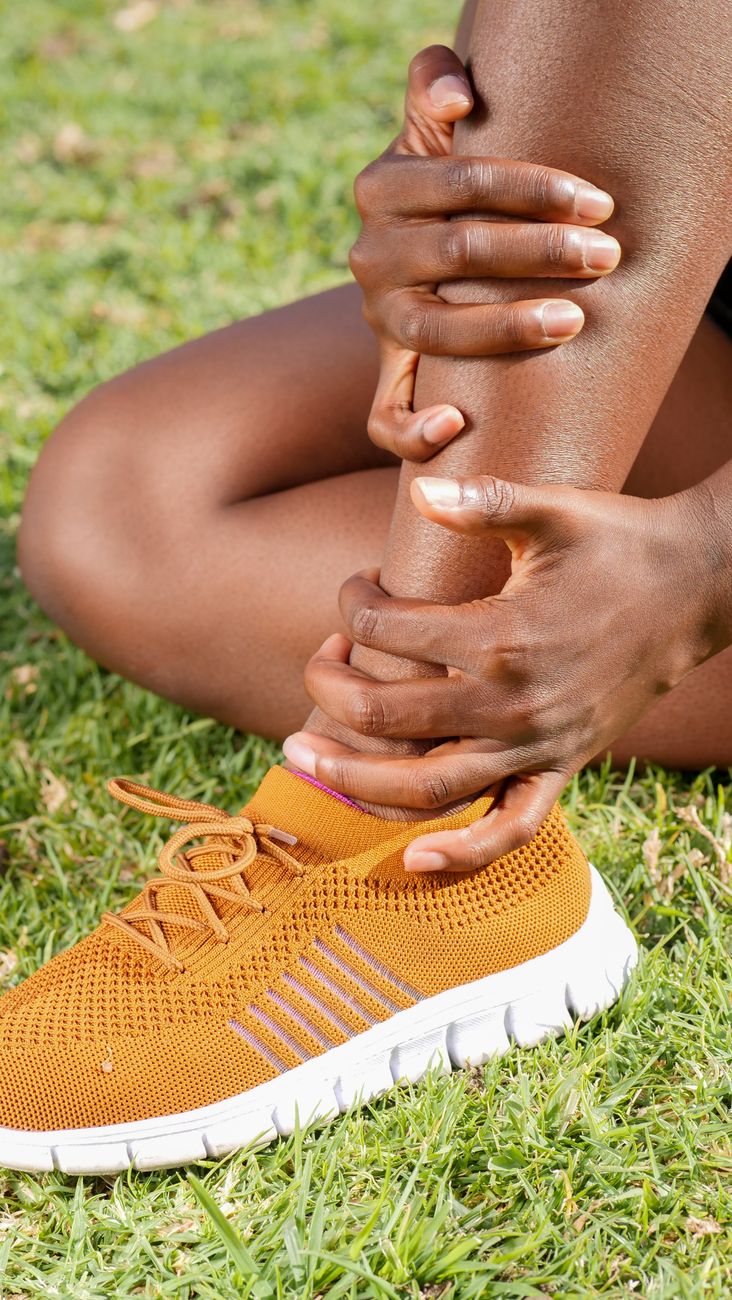
What is Anterior Tibial Periostitis? Anterior tibial periostitis is an inflammatory condition affecting the periosteum, the connective tissue enveloping the bone, particularly along the anterior (front) aspect of the tibia (shinbone). Often referred to as “shin splints,” this condition is common among athletes, especially runners and those involved in high-impact sports. Causes The primary causesContinue reading “Shin Splints”
Headache?

The 4 Major Muscles of Mastication Mastication, or the process of chewing, is essential not only for breaking down food but also for aiding in digestion and oral health. This process is powered by a group of muscles known as the muscles of mastication. Understanding these muscles can provide insight into their function and importanceContinue reading “Headache?”
Scalene Triangle
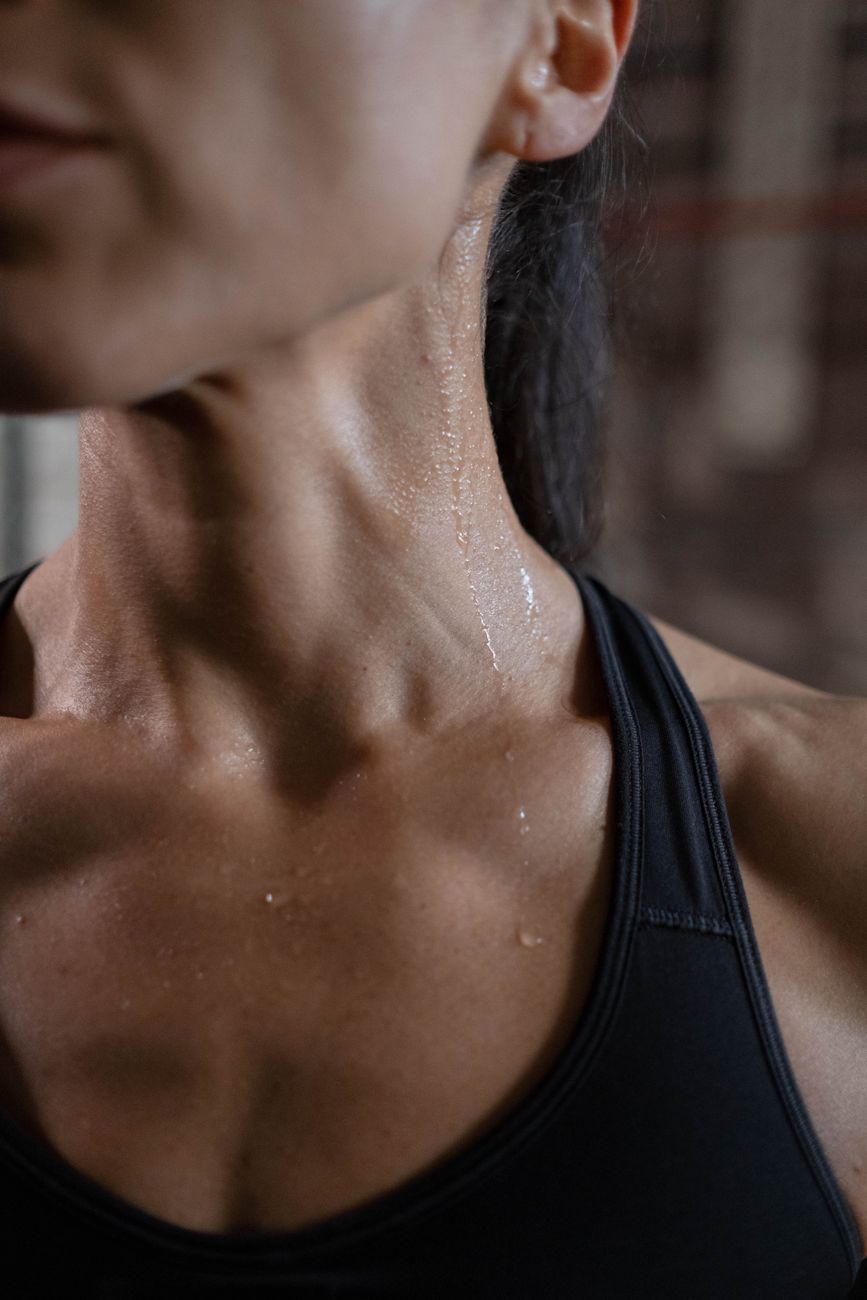
Understanding the Scalene Triangle and Its Importance in Thoracic Outlet Syndrome “The human body is a marvel of engineering, featuring intricate structures that interact in complex ways. One such area of interest is the scalene triangle, a space that plays a critical role in the anatomy of the neck. This triangular region is formed byContinue reading “Scalene Triangle”
Nagging Hip Flexor

Understanding Unilateral Hip Flexor Pain If you have been dealing with a nagging, dull ache in the front of one hip, your first instinct is probably to stretch it out. You drop into a deep lunge, feel that intense pull, and hope for relief, only for the tightness and pain to return a few hoursContinue reading “Nagging Hip Flexor”
-itis vs. -osis in Tennis Elbow

Understanding Inflammation and Degeneration Tennis elbow, also known as lateral epicondylitis, is a common condition that affects the tendons and ligaments of the elbow. It arises from overuse, leading to pain and discomfort on the outer part of the elbow. Understanding the differences between the inflammatory condition commonly associated with tennis elbow, indicated by theContinue reading “-itis vs. -osis in Tennis Elbow”
Sacroiliac Joint Dysfunction

The dimples on the left and right sides of your low back correspond to the posterior superior iliac spines (PSIS). Just beneath them are the sacroiliac joints (SIJ), which are crucial as they mark the junction where the spine meets the pelvis. Dysfunction in these joints can lead to significant discomfort and hinder your abilityContinue reading “Sacroiliac Joint Dysfunction”
The Impact of Prolonged Sitting

Muscle Spindle Reflex and Hip Flexor Tightness In today’s fast-paced, technology-driven society, prolonged sitting has become commonplace, whether at work, during commutes, or while engaging in leisure activities. This sedentary lifestyle has significant implications for musculoskeletal health, particularly in the hip region. One of the most affected areas is the hip flexors, a group ofContinue reading “The Impact of Prolonged Sitting”
Levator Scapulae Trigger Points
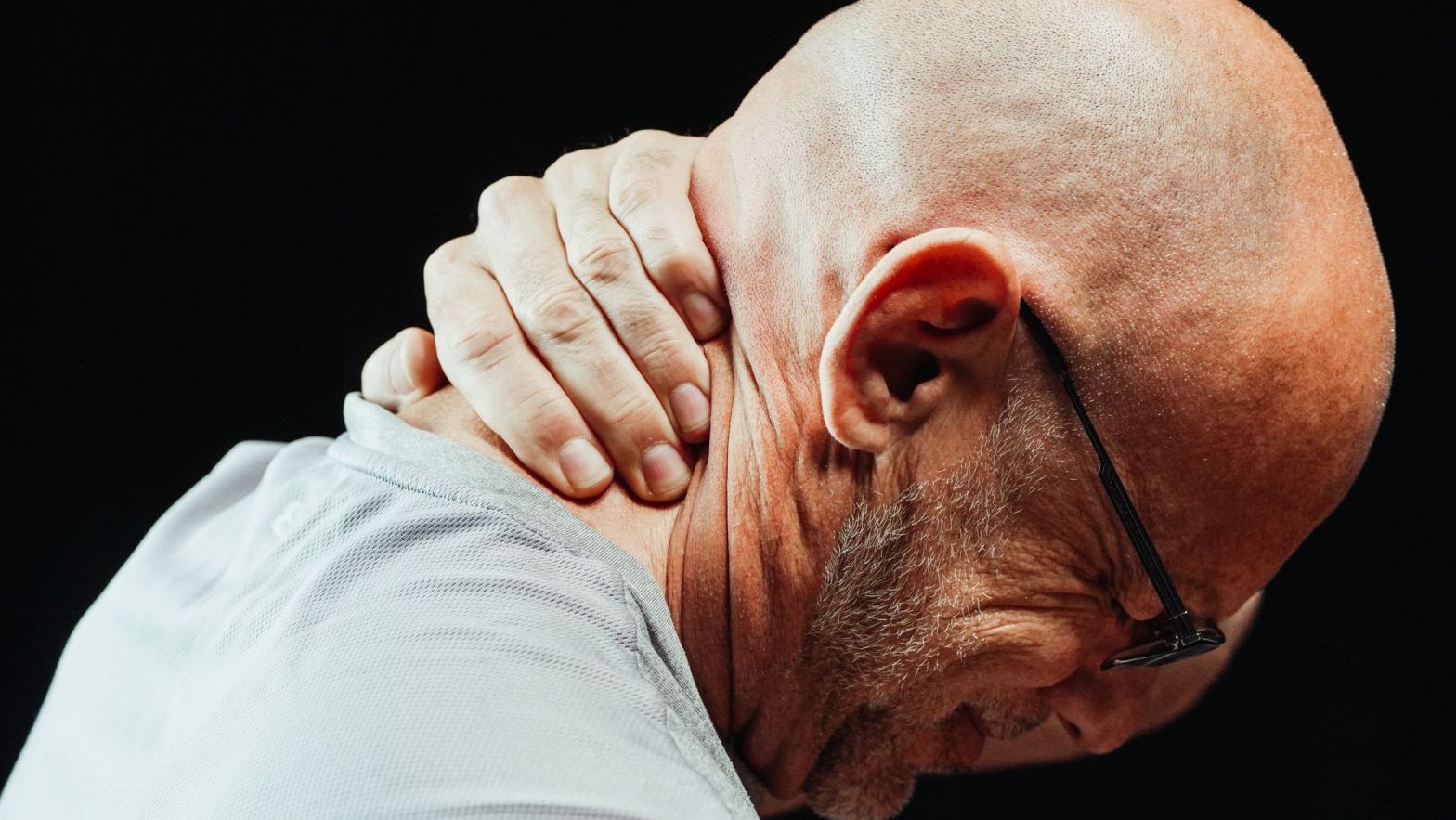
The levator scapulae are a pair of muscles located in the back of the neck. They originate from the transverse processes of the first four cervical vertebrae (C1-C4) and insert onto the superior angle and medial border of the scapula (shoulder blade). Functions of the Levator Scapulae: Elevation of the Scapula: They help lift theContinue reading “Levator Scapulae Trigger Points”
Is it your Piriformis or Quadratus Femoris Muscle?

The Piriformis Muscle The piriformis is a small, pear-shaped muscle located in the posterior pelvic region. It is significant for its role in the movement and stabilization of the hip joint. Origin and Insertion Origin: The piriformis originates from the anterior surface of the sacrum. Insertion: It inserts onto the greater trochanter of the femur,Continue reading “Is it your Piriformis or Quadratus Femoris Muscle?”

