
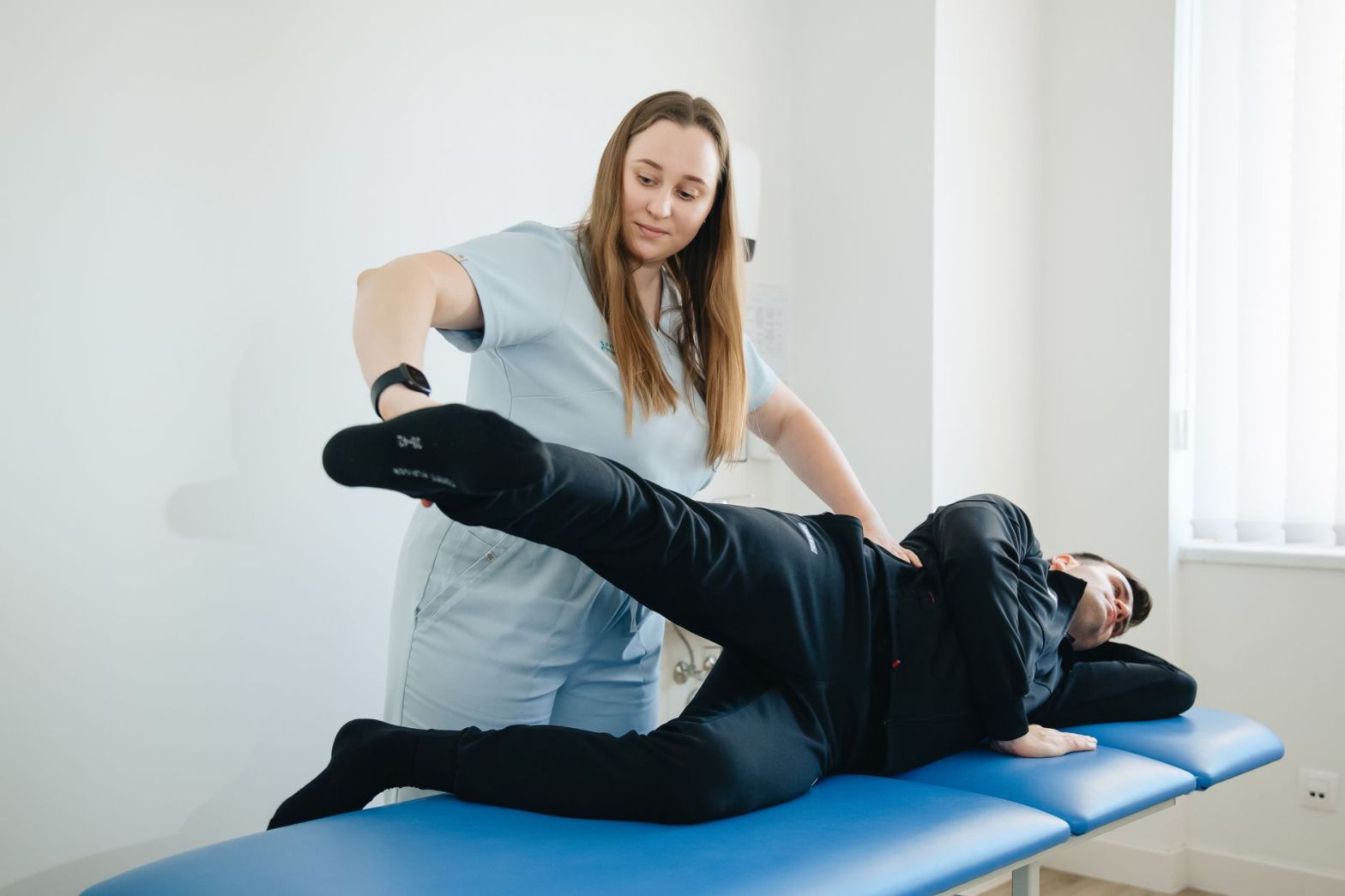
Pelvic asymmetry in the frontal plane refers to an imbalance or misalignment of the pelvis that can lead to various functional and structural issues in the body. This condition is significant as it can affect posture, biomechanics, and overall movement patterns.
Causes

Several factors can contribute to pelvic asymmetry in the frontal plane, including:
- Muscle Imbalances: Imbalances between the hip abductors and adductors can lead to an uneven pelvis, resulting in compensatory movements and postural deviations.
- Structural Anomalies: Anatomical differences in the pelvis, such as leg length discrepancies, can cause asymmetry.
- Injuries: Previous injuries to the pelvis, hips, or lower back may result in compensatory patterns that favor one side of the body over the other.
- Poor Posture: Prolonged periods of sitting, standing, or other activities performed with poor posture can also lead to pelvic misalignment.
- Repetitive Movements: Athletic activities or occupational tasks that involve repetitive motions may exacerbate or lead to the development of asymmetries.
Symptoms

The symptoms of pelvic asymmetry may vary from person to person but can include:
- Lower Back Pain: Often a result of compensatory movements due to asymmetry.
- Hip or Knee Pain: Imbalances can lead to increased stress on the joints and cause discomfort.
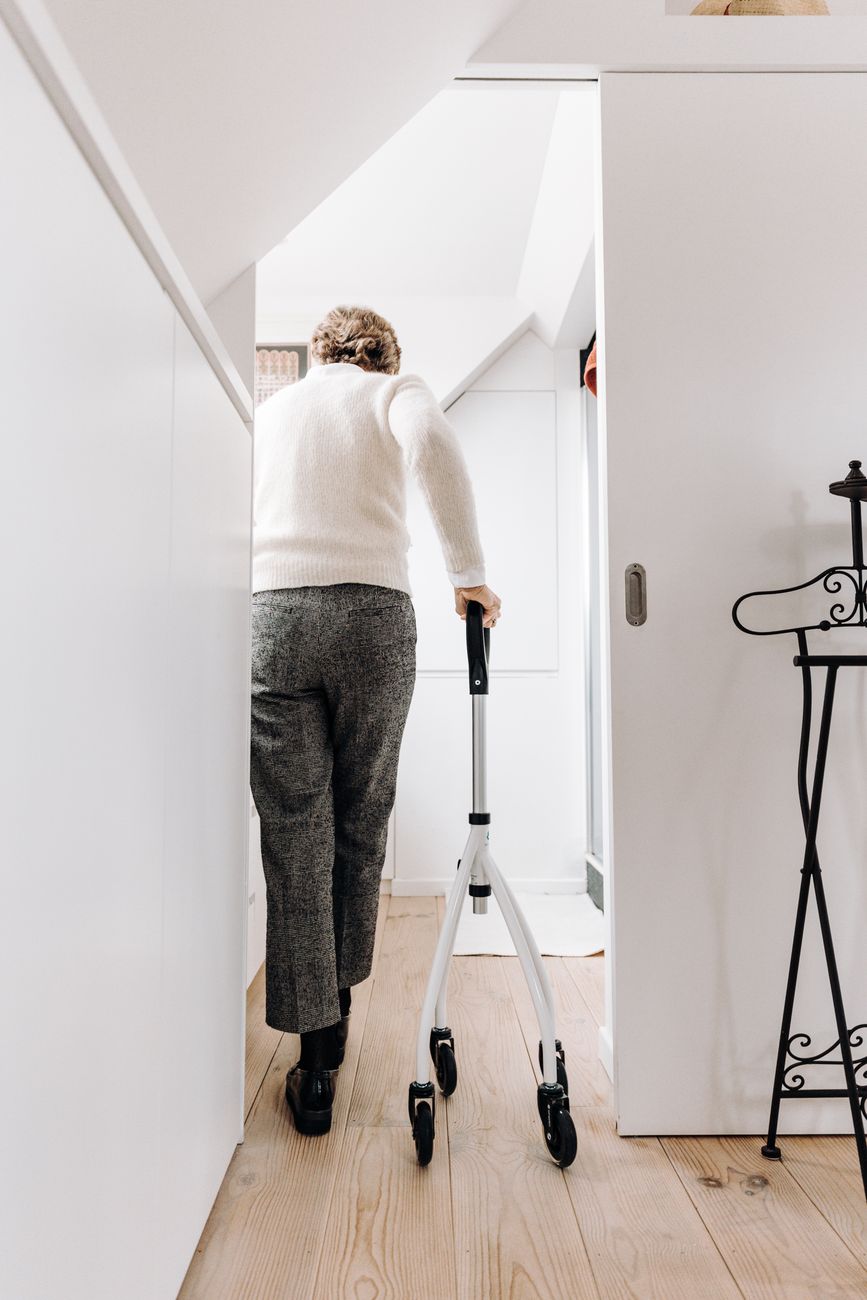
- Altered Gait: Individuals may notice a difference in their walking pattern or experience instability.
- Muscle Tightness: Tightness in one side of the pelvis or hip may be experienced, leading to discomfort.
- Postural Changes: Visual asymmetries in the posture, which may be noticeable in everyday activities.
Myofascial Release Techniques

Myofascial release can be an effective approach to help alleviate symptoms associated with pelvic asymmetry. Here are some techniques to consider:
- Self-Myofascial Release (SMR): Use tools like foam rollers or balls to target tight muscles in the hips, glutes, and lower back. Focus on tender areas for about 30-60 seconds to release tension.
- Trigger Point Release: Identify trigger points in the gluteal muscles or hip flexors and apply sustained pressure until the muscle releases. This can help restore normal length and function.
- Hip Stretching: Incorporate stretches that focus on the hip abductors and adductors to promote balance. For example, side-lying leg stretches and frog stretches can be beneficial.
- Pelvic Tilts: Engage in pelvic tilting exercises to improve awareness and muscle control, which can help in restoring symmetry.
- Professional Intervention: Seeking help from a qualified therapist trained in myofascial release can provide tailored techniques that address individual needs.

Conclusion
Understanding pelvic asymmetry in the frontal plane is crucial for maintaining proper biomechanics and overall health. By recognizing its causes and symptoms, and implementing appropriate myofascial release techniques, individuals can work towards correcting imbalances and improving their quality of movement/life. Movement is an expression of life. Movement is life!
- 6 Month Program
- Bibliography
- Contact/Inquiry
- LEARN
- Privacy Policy
- Reviews
- Terms and Agreements
- Ramat
- Your Local Trainer a Living Room Away
- Thank You


