
The Invisible Ecosystem Within Us: The Human Microbiome
Every single one of us is home to a fascinating ecosystem filled with trillions of tiny living organisms. These microscopic inhabitants range from bacteria and fungi to viruses and archaea, with the most significant concentration residing in our digestive tract.
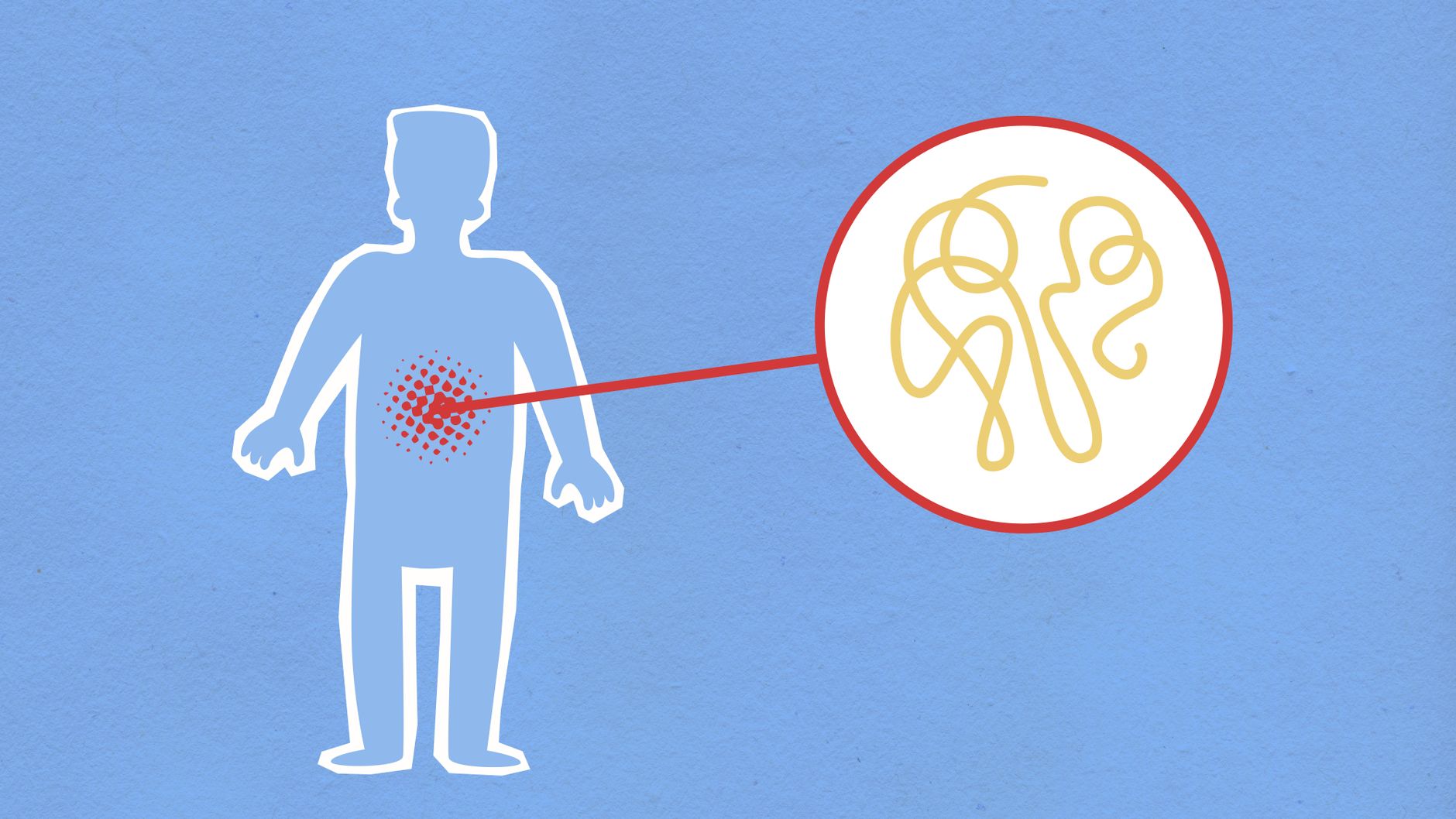
These tiny organisms play an essential role in maintaining our health. They break down tough dietary fibers into beneficial short-chain fatty acids, produce vital vitamins like B and K, and serve as a natural defense system against harmful pathogens. It’s interesting to note that no two people share the exact same combination of microbes. Our early childhood experiences—like the method of birth, whether we were breastfed, our everyday diet, and the environment we grew up in—permanently shape our unique microbial fingerprint. When this delicate balance is disrupted, a condition called dysbiosis occurs. Researchers often link dysbiosis to various health issues, including inflammatory bowel disease, obesity, allergies, and different metabolic disorders.

Despite the significant progress scientists have made, there are still considerable gaps in our understanding. For instance, we lack a clear consensus on what constitutes a healthy baseline microbiome across diverse populations, age groups, and regions. A large portion of this microbial world remains a mystery. Approximately 20% of bacterial gene sequences and up to 40% of all predicted bacterial genes in the gut are still completely uncharacterized.

Moreover, scientists encounter a classic chicken-and-egg problem in understanding disease. It’s challenging to determine whether changes in the microbiome lead to specific chronic illnesses or if the illnesses themselves alter the body’s internal environment, subsequently affecting the microbes. Additionally, standard sequencing tools often struggle to track eukaryotic microbes, bacteriophages, and subtle genetic changes between different strains. We are truly just beginning to scratch the surface of this intricate internal world.
- 6 Month Program
- Bibliography
- Contact/Inquiry
- LEARN
- Privacy Policy
- Reviews
- Terms and Agreements
- Ramat
- Your Local Trainer a Living Room Away
- Thank You


