

Understanding the Difference:
When people talk about training the “core,” they often mean exercises designed to strengthen the abdominal muscles. However, core stability and spinal stability are related—but they are not exactly the same.
According to Brian Richey, BS, MES, MEPD, the distinction comes down to how the body creates and controls stability. The core can create movement, generate pressure, and stabilize the trunk around the lumbar spine. Spinal stability, on the other hand, is the ability to maintain the integrity and alignment of the spine during movement or under load.
A simple way to think about it is this:
“The spine stabilizes from the inside out, while the core stabilizes from the outside in” (Brian Richey).
Spinal Stability: Inside Out
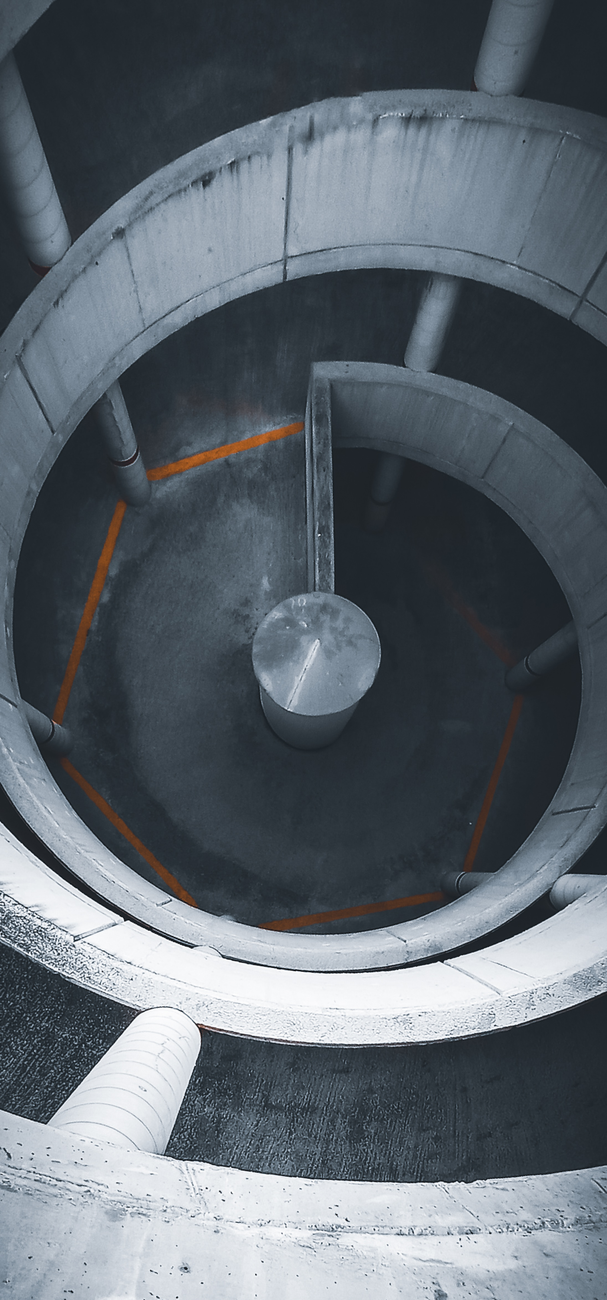
Spinal stability begins with deep spinal stabilizers and the inner core muscles that control the spinal column itself. Spinal stability displaces motion. The body must maintain the integrity of the vertebral column.
This control is influenced by:
- Spinal alignment
- Deep stabilizing muscles
- Proprioception
- Nervous system coordination
- Breathing and pressure management
- The ability to control movement under load
Core Stability: Outside In
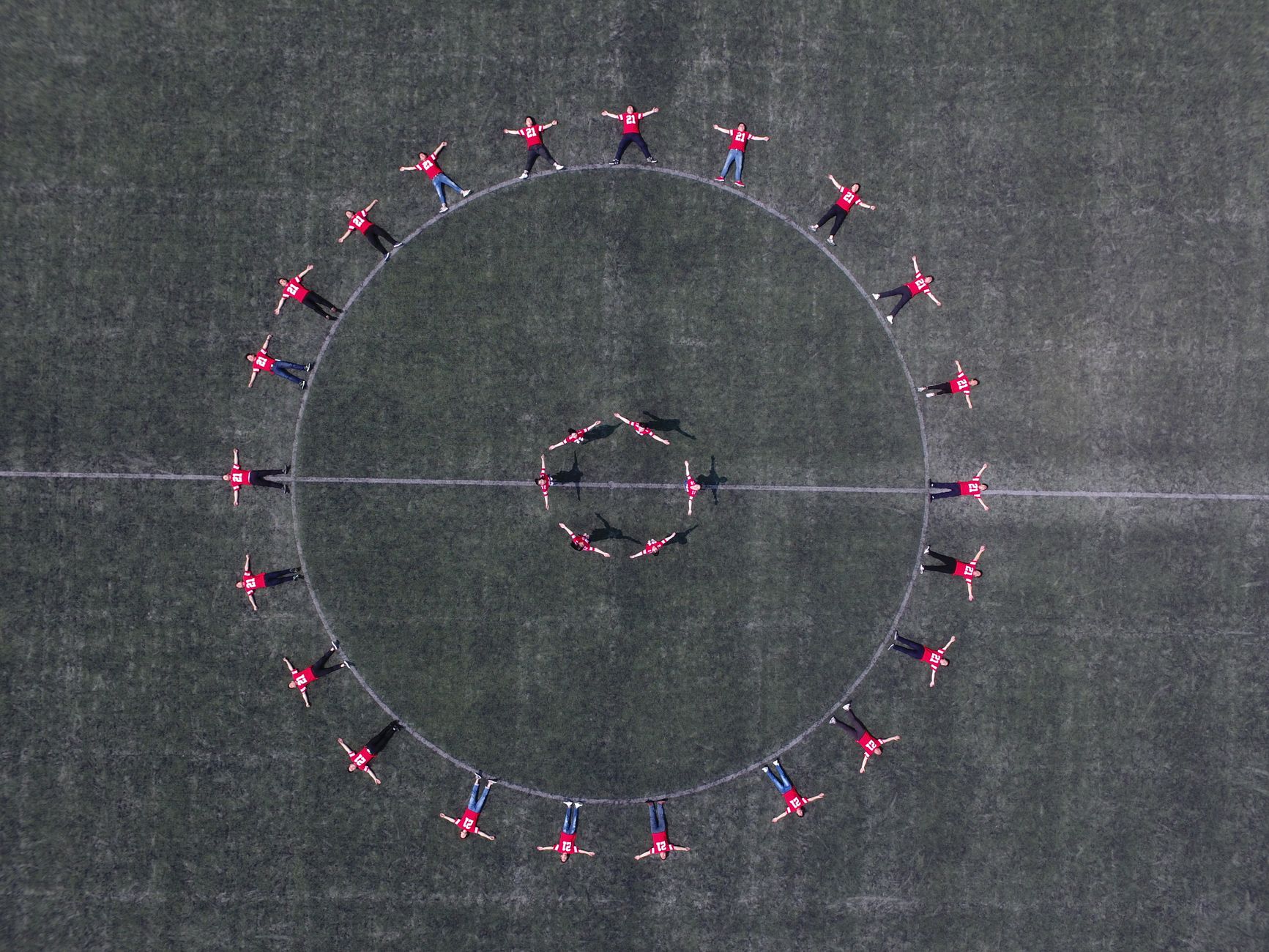
Core stability begins with the abdominals, erector spinae, core influencers, and fascia that are around the spine. Core stability supports spinal stability as a second buffer.
The core works with the hips, shoulders, pelvis, and rib cage to create a stable platform for movement. It may stabilize the trunk while the arms and legs produce force, or it may generate movement itself.
Both systems are connected. Effective training should address the control of the spine as well as the ability of the surrounding core muscles to produce and resist movement.
Training the Core and Spine Together

A well-rounded program should include exercises that challenge stability in different ways. Rather than focusing only on traditional abdominal exercises, consider movements that require the body to control position while handling external forces.
Examples include:
- Carries
- Dead-shift exercises
- Deadlift variations
- Plank variations
- Bird dogs
- Pallof presses
- Offset-loaded exercises
- Controlled rotational movements
- Single-arm or single-leg exercises
A dead-shift exercise is one example of a movement that challenges both core and spinal control. The basic task is to move a dead weight from one place to another using equipment such as a kettlebell, sandbag, ViPR, or another training object.
Because the load does not move on its own, the body must organize itself around the object. The hips, legs, trunk, and shoulders must work together to create force while maintaining control of the spine.
Practical Takeaway

Core stability and spinal stability are related but they are not exactly the same. Core stability describes how the muscles surrounding the trunk create movement, pressure, and control. Spinal stability describes how the body maintains the integrity of the spine during movement and loading.
Both are essential for athletic performance, strength training, and everyday movement.
The most effective approach is to train the body to:
- Maintain spinal control
- Resist unwanted movement
- Create force efficiently
- Transfer force between the upper and lower body
- Respond to external challenges
- Move while maintaining appropriate alignment
For example, a basketball player may need to absorb contact while landing from a rebound. The player’s trunk must remain controlled while an outside force attempts to push or pull the body out of position. This requires the core to respond quickly and maintain control.
Understanding the difference between core stability and spinal stability can lead to more purposeful exercise selection and better movement quality. Instead of simply asking whether an exercise “works the core,” consider what the exercise is asking the spine and trunk to control.
- 6 Month Program
- Bibliography
- Contact/Inquiry
- LEARN
- Privacy Policy
- Reviews
- Terms and Agreements
- Ramat
- Your Local Trainer a Living Room Away
- Thank You


