

The rectus femoris is one of the four muscles that make up the quadriceps femoris, located in the front of the thigh. This muscle plays a crucial role in both movement and stability of the knee and hip joints.
Anatomy of the Rectus Femoris
The rectus femoris originates from two points: the anterior inferior iliac spine (AIIS) and the superior part of the acetabulum (the socket of the hip). From these origins, the muscle runs down the thigh and attaches to the patellar tendon, which then inserts into the tibial tuberosity. This unique dual origin allows the rectus femoris to cross both the hip and knee joints, making it an essential muscle for various activities.
Functions of the Rectus Femoris
- Knee Extension: The primary function of the rectus femoris is to extend the knee. This action is vital for activities such as walking, running, and jumping.
- Hip Flexion: The rectus femoris also contributes to hip flexion. This action is important in movements like kicking a ball or climbing stairs.
Importance in Human Movement
The rectus femoris is essential for athletic performance. It aids in explosive movements and is activated during squats, lunges, and sprinting. Proper functioning of this muscle helps prevent injuries and supports overall leg strength.
Common Injuries and Conditions
Due to its location and function, the rectus femoris can be susceptible to injuries, particularly in athletes. Common issues include:
- Strains: Overstretching or overloading can cause strains in the muscle, leading to pain and reduced range of motion.
- Tendinitis: Inflammation of the patellar tendon, often due to repetitive stress, can cause discomfort.
Strengthening and Rehabilitation
Maintaining the strength and flexibility of the rectus femoris is crucial for avoiding injuries. Some effective exercises include:
- Squats: These help build overall leg strength.
- Leg Raises: Target the rectus femoris to enhance flexibility and strength.
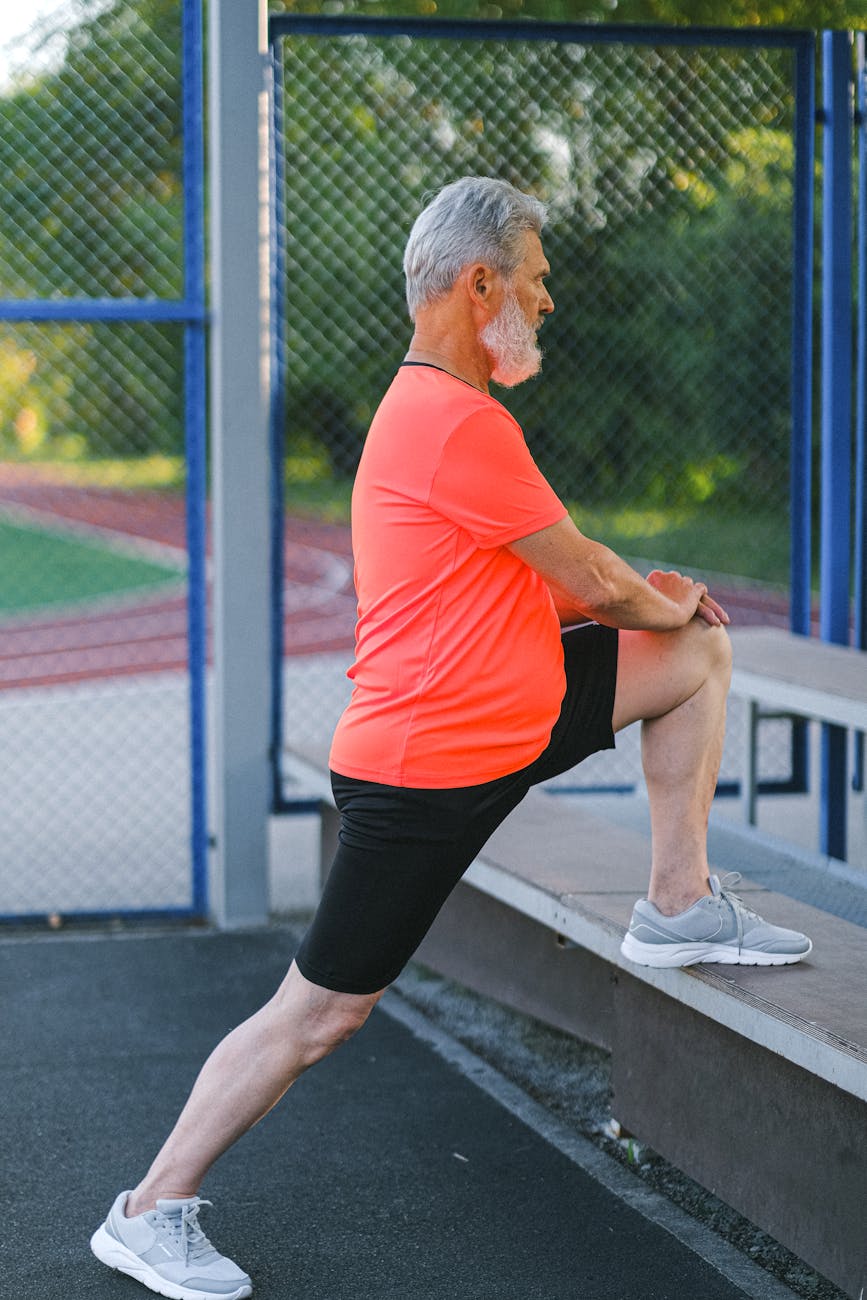
- Stretching: Regular stretching can help improve flexibility and prevent tightening of the muscle.
Conclusion
The rectus femoris muscle is vital for a range of movements involving the hip and knee. Understanding its anatomy and functions can aid in improving athletic performance and preventing injuries. Regular strengthening and flexibility exercises can help maintain its function and support overall leg health.
- 6 Month Program
- Bibliography
- Contact/Inquiry
- LEARN
- Privacy Policy
- Reviews
- Terms and Agreements
- Ramat
- Your Local Trainer a Living Room Away
- Thank You


