

Rethinking Self-Esteem
The world often equates self-esteem with happiness, success, and fulfillment. We’re frequently told that boosting our self-esteem is the secret to feeling good about ourselves. However, Kristin Neff, in her insightful work on self-compassion, invites us to reconsider this perspective. By examining her understanding of self-esteem, we can uncover a deeper, more sustainable approach to self-worth.
What is Self-Esteem?
Self-esteem typically refers to how we perceive and value ourselves. It often fluctuates based on our achievements, social comparisons, and the feedback we receive from others. The more we succeed or receive compliments, the higher our self-esteem; conversely, failures and criticism can lead to a plummet in how we view ourselves.
This reliance on external validation can create an emotional rollercoaster, leaving us vulnerable to the ups and downs of life. When we base our worth on achievements or societal approval, we can easily fall into a cycle of competition, comparison, and self-doubt.
A Perspective on Self-Esteem
Neff emphasizes that while self-esteem can provide temporary boosts, it is often a shaky foundation for self-worth. The constant need to compare ourselves to others can lead to negative feelings and a perpetual state of anxiety. Instead of fostering genuine self-love, high self-esteem can hinge on feeling superior to others, which is not a sustainable or healthy approach.
Embracing Self-Compassion in Daily Life
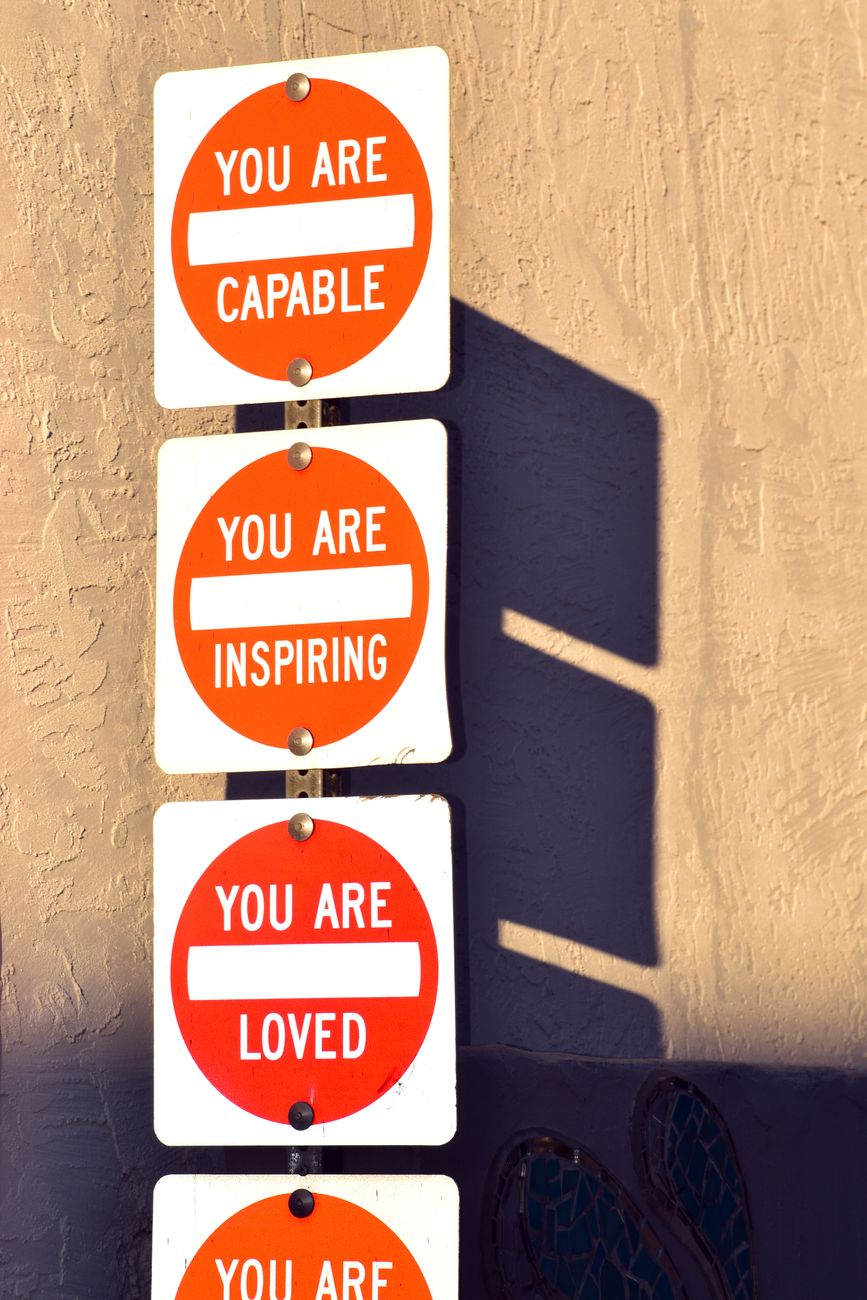
If you’re ready to embrace self-compassion, here are some practical steps to get started:
- Pause and Reflect: When you notice self-critical thoughts, take a moment to pause. Acknowledge those feelings and remind yourself that everyone experiences struggles.
- Practice Positive Self-Talk: Replace harsh judgments with affirmations of kindness. Speak to yourself as you would to a friend facing a difficulty.
- Cultivate Community: Share your experiences with friends or seek support in nurturing environments that promote compassion and connection.
- Engage in Mindfulness: Incorporate mindfulness practices into your routine to help you stay grounded and aware of your emotions without judgment.
Conclusion
In conclusion, self-esteem is not the best marker of success. It is better to suffer with ourselves and thereby love ourselves, instead of beating ourselves over the head using the carrot and stick method. Let us embrace this journey towards self-compassion and witness the positive transformation in our lives and relationships.
- 6 Month Program
- Bibliography
- Contact/Inquiry
- LEARN
- Privacy Policy
- Reviews
- Terms and Agreements
- Ramat
- Your Local Trainer a Living Room Away
- Thank You


