
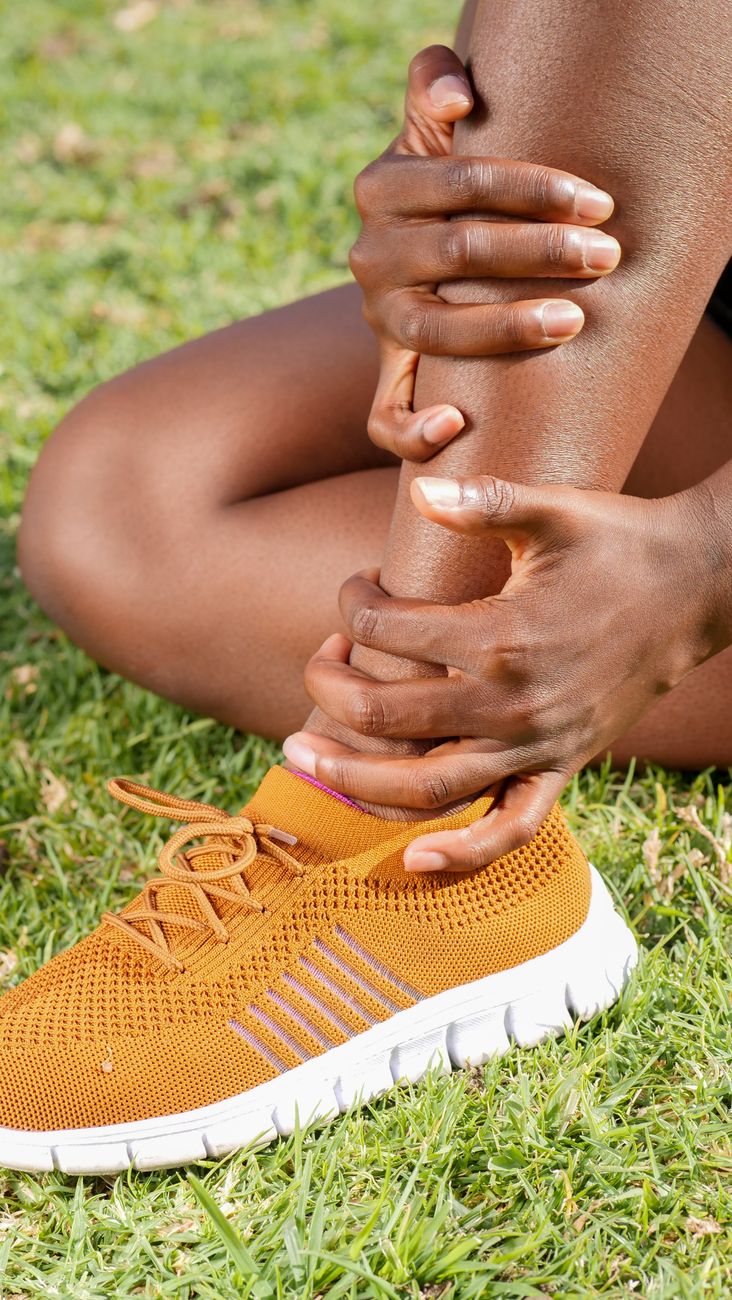
What is Anterior Tibial Periostitis?
Anterior tibial periostitis is an inflammatory condition affecting the periosteum, the connective tissue enveloping the bone, particularly along the anterior (front) aspect of the tibia (shinbone). Often referred to as “shin splints,” this condition is common among athletes, especially runners and those involved in high-impact sports.
Causes

The primary causes of anterior tibial periostitis include:
- Overuse: Increased physical activity without adequate conditioning can lead to stress on the tibia.
- Improper Footwear: Shoes that lack proper support can exacerbate the condition.
- Biomechanical Issues: Flat feet or high arches can contribute to uneven distribution of stress along the tibia.
- Hard Surfaces: Running on hard surfaces can increase impact and stress, leading to inflammation.
Symptoms
Individuals suffering from anterior tibial periostitis may experience:
- Pain along the front of the lower leg, which may worsen during physical activities.
- Tenderness and soreness in the affected area.
- Swelling in the region where the pain occurs.
- Discomfort that may decrease with rest.
Diagnosis
A physical examination conducted by a healthcare professional is typically sufficient for diagnosis. They may assess the area for tenderness, swelling, and pain during movement. In some cases, imaging tests such as X-rays or MRIs may be ordered to rule out other conditions.
Treatment
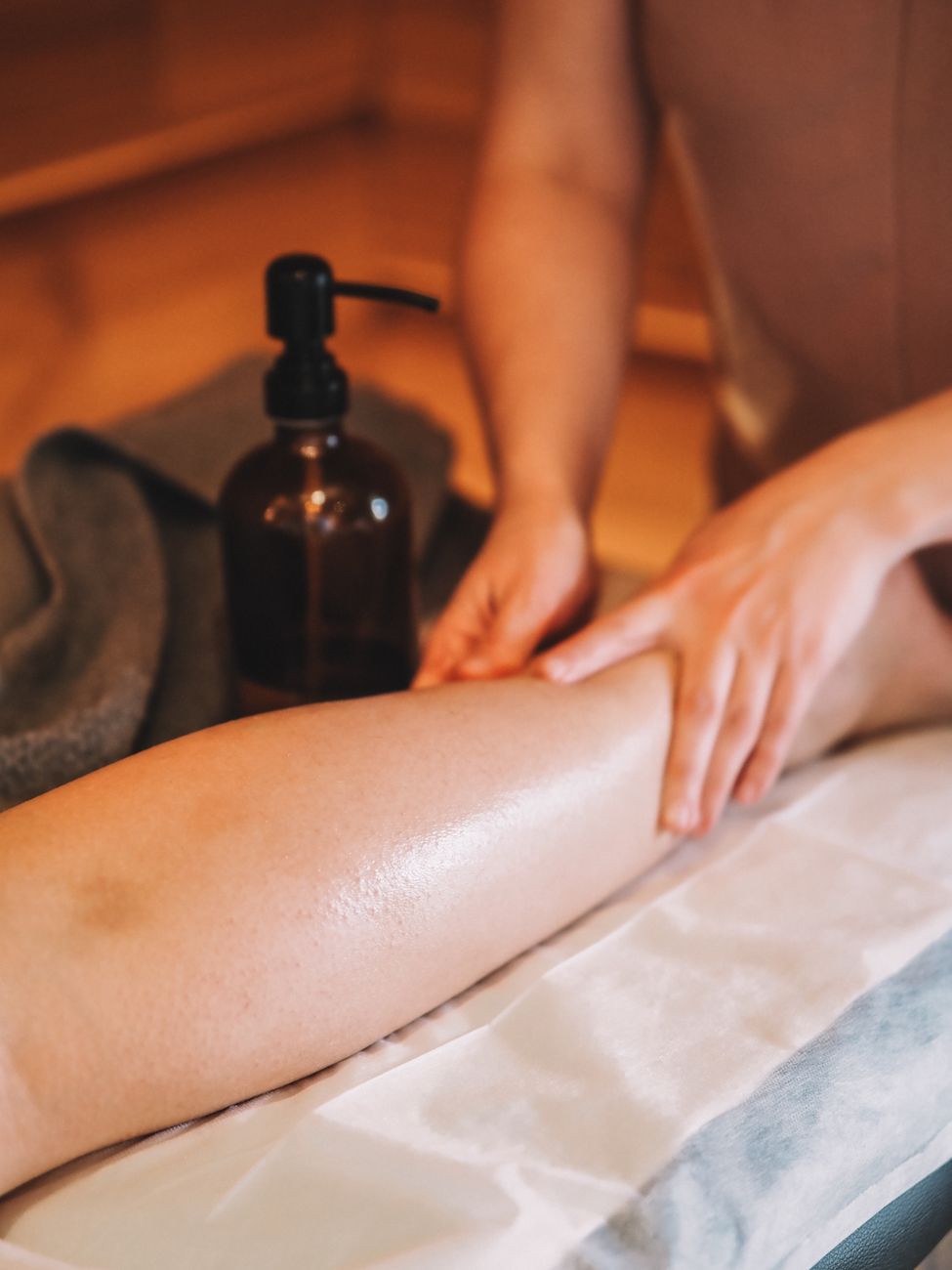
Treatment for anterior tibial periostitis focuses on relieving pain and reducing inflammation. Options may include:
- Rest: Avoiding activities that exacerbate the condition is crucial for recovery.
- Ice Therapy: Applying ice packs to the affected area can help reduce swelling and pain.
- Massage: Gentle massage to the tibialis anterior and posterior!
- Physical Therapy: A structured physical therapy program may assist in strengthening the muscles around the tibia and improving biomechanics.
- Orthotics: Custom shoe inserts can address biomechanical issues and provide additional support.
- Anti-inflammatory Medications: Over-the-counter medications, such as ibuprofen, can help manage pain and inflammation.
Prevention

Preventing anterior tibial periostitis involves several strategies:
- Gradual Increase in Activity: Slowly increasing activity levels can help the body adjust to stress.
- Proper Footwear: Investing in supportive shoes designed for your specific activity can help mitigate risk.
- Strengthening Exercises: Engaging in exercises that strengthen the lower leg muscles can provide better support to the tibia.
- Stretching: Regular stretching of the calf and Achilles tendon can improve flexibility and reduce tension on the tibia.
Conclusion
Anterior tibial periostitis can be a frustrating condition for athletes and active individuals. However, with proper diagnosis, treatment, and preventive measures, it is possible to manage symptoms and return to normal activities. If you suspect you may have this condition, consulting a healthcare professional is advisable for a proper evaluation and personalized treatment plan. By taking the right steps, you can safeguard your physical health and enjoy an active lifestyle without the pain of shin splints.
- 6 Month Program
- Bibliography
- Contact/Inquiry
- LEARN
- Privacy Policy
- Reviews
- Terms and Agreements
- Ramat
- Your Local Trainer a Living Room Away
- Thank You


