
The 4 Major Muscles of Mastication
Mastication, or the process of chewing, is essential not only for breaking down food but also for aiding in digestion and oral health. This process is powered by a group of muscles known as the muscles of mastication. Understanding these muscles can provide insight into their function and importance in everyday activities. Here are the four major muscles involved in mastication:
1. Masseter
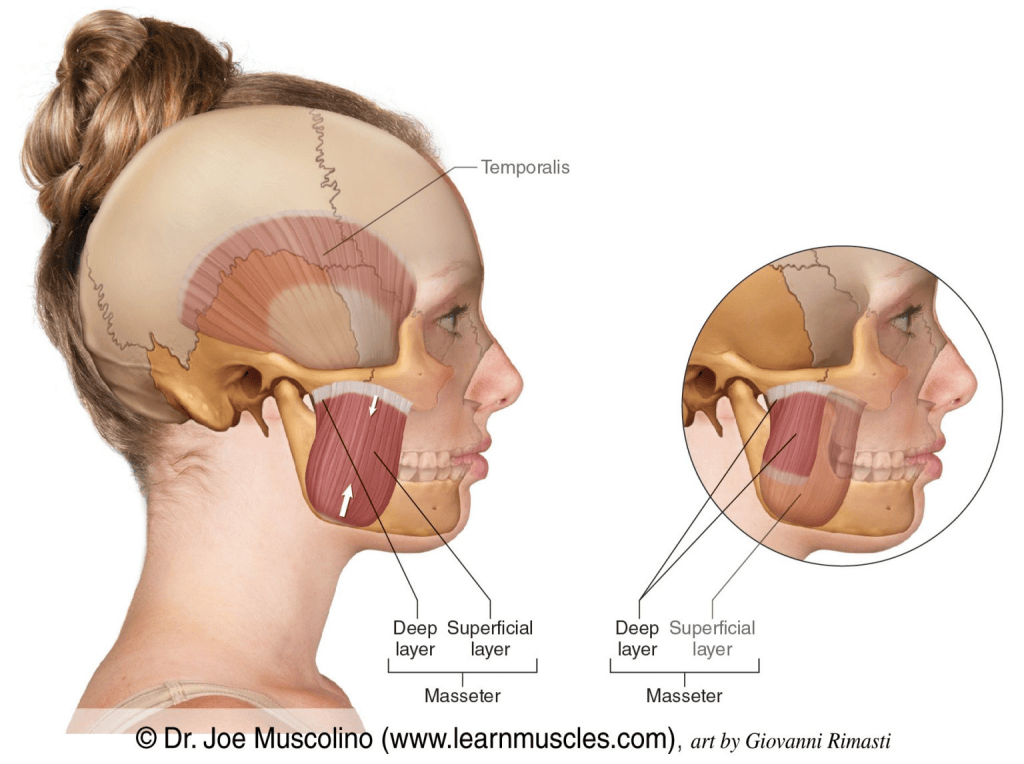
The masseter is one of the strongest muscles in the human body relative to its size. It is a thick, rectangular muscle located at the back of the jaw. Its primary function is to elevate the mandible (lower jaw) to close the mouth, which is crucial when chewing food. The masseter has both a superficial and deep layer, each contributing to the muscle’s overall strength and function.
Key Functions:
- Elevation of the mandible
- Assists in the grinding of food
2. Temporalis
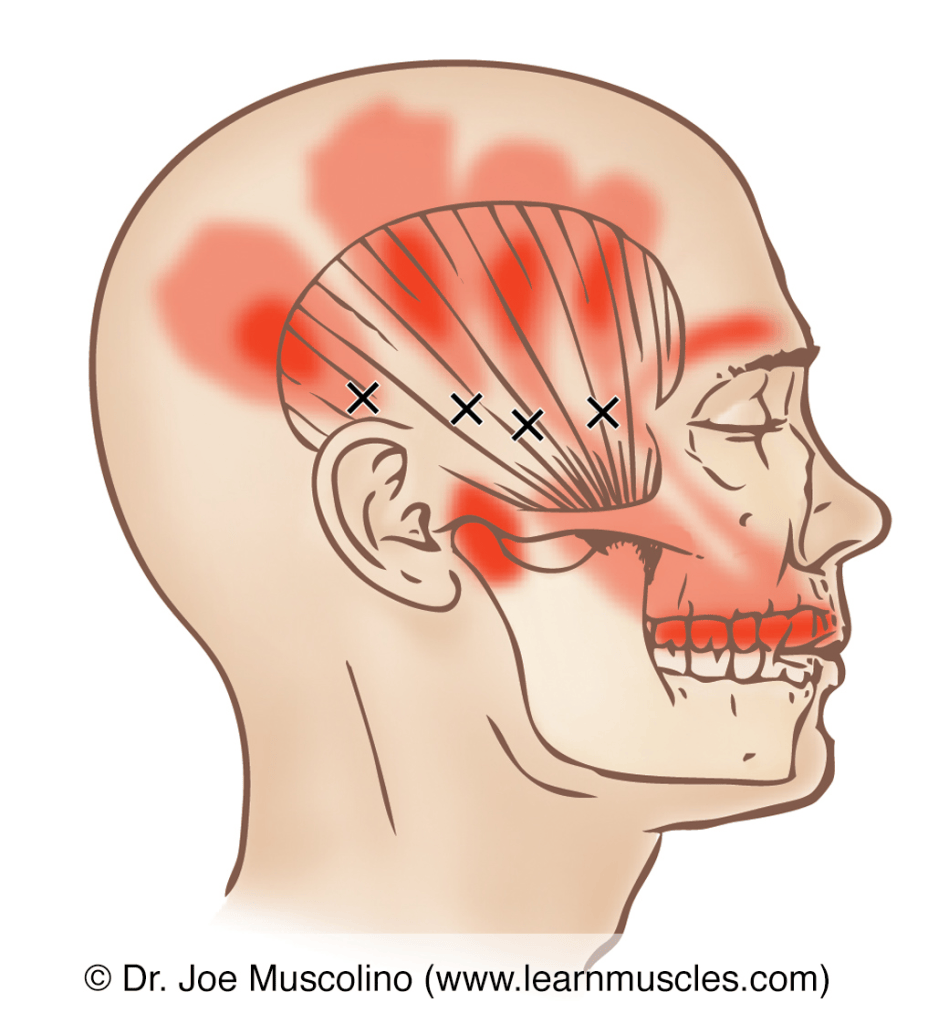
The temporalis muscle is a fan-shaped muscle located on the side of the head, above the ear. It plays a vital role in closing the jaw and retracting the mandible. The temporalis muscle allows for rapid movements during chewing, making it essential for effective food processing.
Key Functions:
- Elevation and retraction of the mandible
- Provides powerful, sharp biting actions
3. Medial Pterygoid
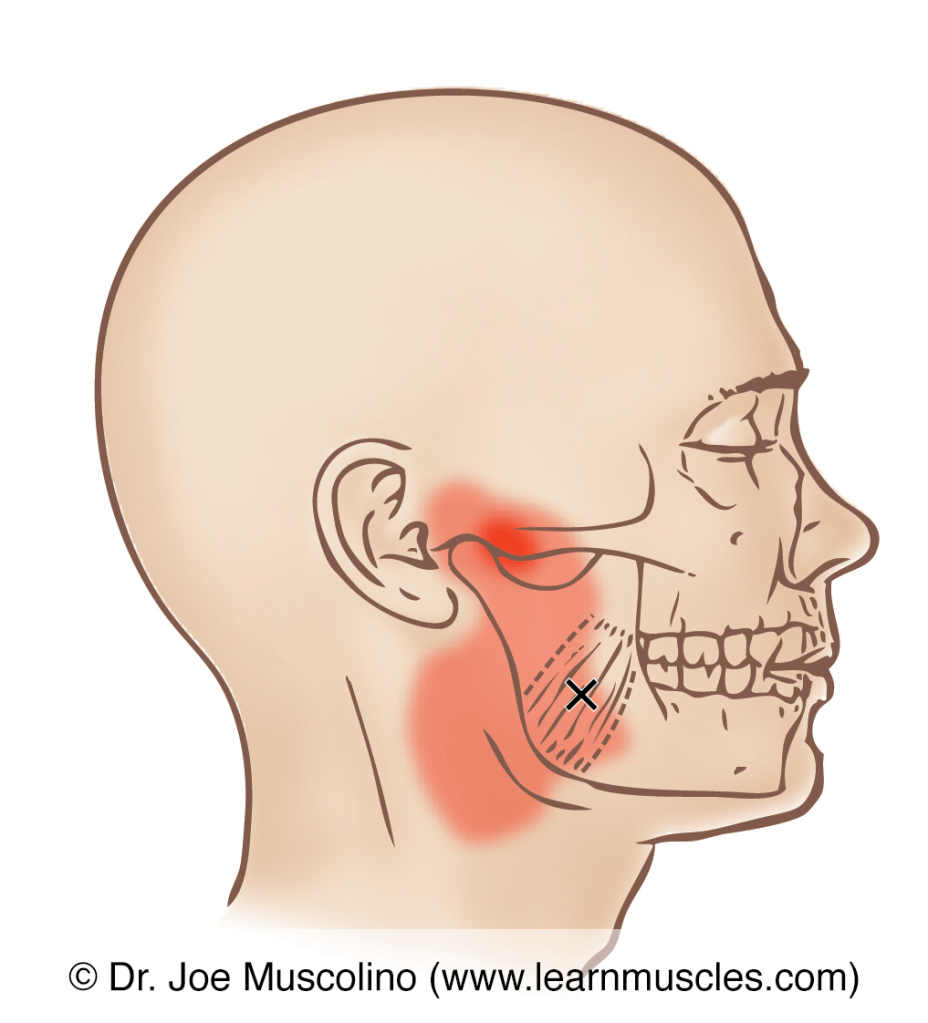
The medial pterygoid is a deeper muscle that works in conjunction with the masseter to elevate the mandible. It is located on the inside of the jaw and assists in moving the jaw from side to side, which is important for grinding food. This lateral movement is essential for effective mastication.
Key Functions:
- Elevation and side-to-side movement of the mandible
- Works synergistically with other chewing muscles
4. Lateral Pterygoid
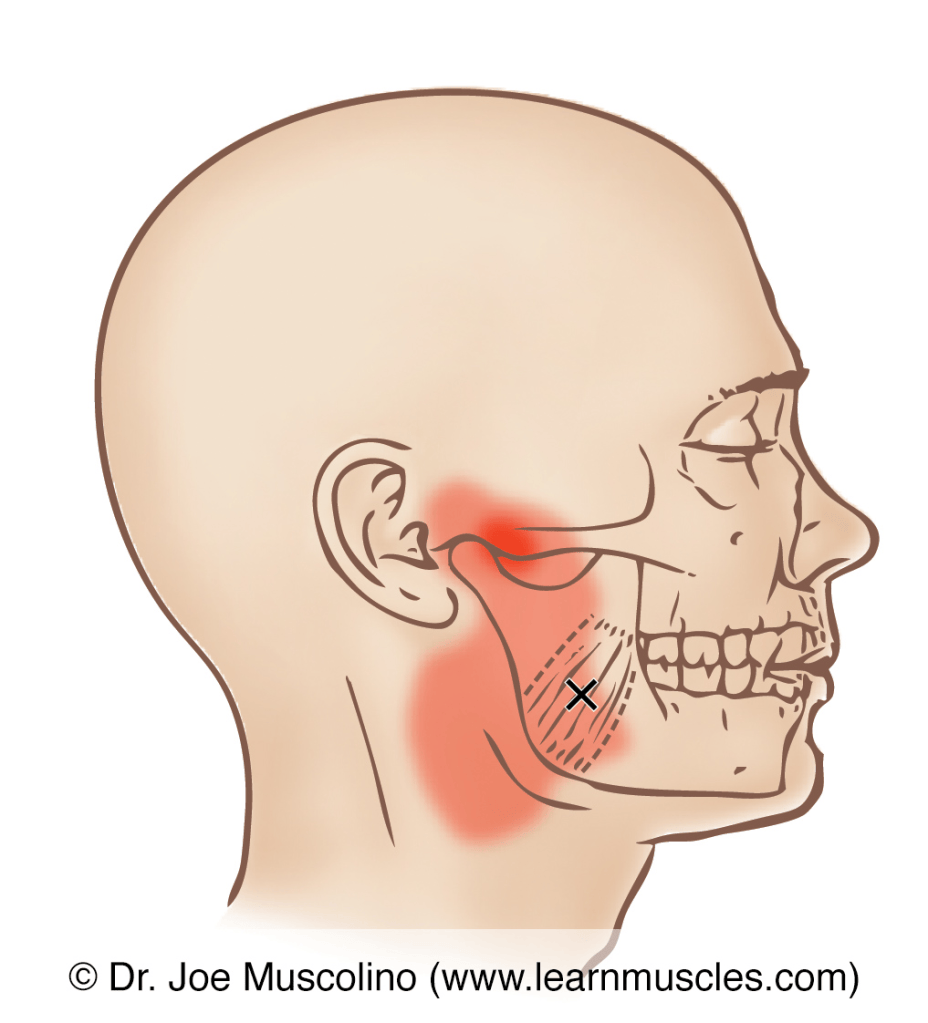
The lateral pterygoid muscle is unique among the muscles of mastication as it is primarily responsible for opening the jaw. It also assists in moving the jaw forward (protrusion) and side to side, enabling the grinding motion crucial for chewing. This muscle plays a crucial role in the jaw’s overall movement during mastication.
Key Functions:
- Protrusion and depression of the mandible
- Lateral movement of the jaw
Conclusion
The muscles of mastication work together seamlessly to facilitate the complex process of chewing. A thorough understanding of these muscles not only highlights their significance but also emphasizes the importance of maintaining oral health. Proper function of these muscles is vital for effective digestion and overall well-being. Whether you are enjoying a bite of your favorite meal or simply talking, the muscles of mastication play an indispensable role in your daily life.
- 6 Month Program
- Bibliography
- Contact/Inquiry
- LEARN
- Privacy Policy
- Reviews
- Terms and Agreements
- Ramat
- Your Local Trainer a Living Room Away
- Thank You