

Understanding the Scalene Triangle and Its Importance in Thoracic Outlet Syndrome
“The human body is a marvel of engineering, featuring intricate structures that interact in complex ways. One such area of interest is the scalene triangle, a space that plays a critical role in the anatomy of the neck. This triangular region is formed by the anterior scalene and middle scalene muscles, and its significance extends beyond mere anatomical interest; it has implications for our overall health, particularly concerning conditions such as thoracic outlet syndrome (TOS)”.
Anatomy of the Scalene Triangle
The scalene triangle is defined by two muscles: the anterior scalene and the middle scalene. These muscles are located on the lateral aspect of the neck and are involved in various functions, including aiding in respiration and facilitating neck movement. The anterior and middle scalene muscles originate from the cervical vertebrae and insert into the first rib, creating a triangular space in which important structures reside.
The Brachial Plexus and Its Journey
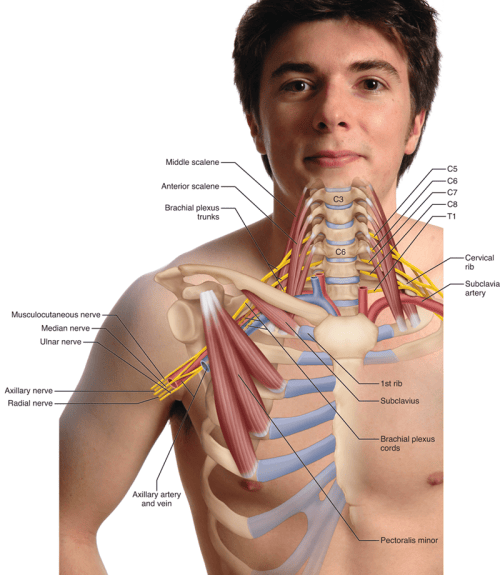
Thoracic outlet syndrome is the name given to a set of neurovascular compression syndromes that affect the brachial plexus of nerves and/or the subclavian/axillary artery and vein where they outlet from the thorax into the upper extremity. Note the presence of a cervical rib on the model’s left side. Images courtesy Joseph E. Muscolino. Illustrations by Giovanni Rimasti. Photography by Yanik Chauvin and Joseph E. Muscolino.
One of the most significant structures traversing the scalene triangle is the brachial plexus, a network of nerves that originate from the spinal cord in the neck and extend into the arm. This neural network is responsible for motor and sensory functions in the upper limbs. Given its crucial role, any obstruction or compression in this area can lead to severe complications, particularly in the form of thoracic outlet syndrome (TOS).
Implications of Scalene Triangle Obstruction
Thoracic outlet syndrome occurs when the blood vessels or nerves in the thoracic outlet become compressed. The scalene triangle can be a site of such compression, particularly when there are structural abnormalities or muscle tightness. This condition can lead to symptoms such as pain, numbness, and weakness in the arm and hand, significantly impacting quality of life.
Causes of Compression

Several factors can contribute to the compression of the brachial plexus within the scalene triangle:
- Muscle Hypertrophy: Overdeveloped scalene muscles, often seen in athletes or those with repetitive neck strain.
- Postural Issues: Poor posture can lead to muscle tightness and imbalance in the neck area.
- Trauma or Injury: A previous injury can lead to changes in the anatomy of the neck that affect the scalene triangle.
- Anatomical Variations: Some individuals may have naturally occurring variations, like an extra muscle, that predispose them to TOS.
Recognizing and Treating Thoracic Outlet Syndrome

Understanding the symptoms of TOS is the first step toward effective treatment. Common symptoms include:
- Numbness or tingling in the fingers and hand
- Pain in the neck, shoulder, or arm
- Weakness in the arm or hand
If you suspect that you are experiencing symptoms of TOS, it is crucial to seek medical attention. Treatment options may include:

- Physical Therapy: Focused exercises can help stretch and strengthen the muscles in the neck and improve posture.
- Pain Management: Anti-inflammatory medications or corticosteroid injections may be used to relieve pain and inflammation.
- Surgery: In severe cases, surgical intervention may be necessary to relieve compression on the brachial plexus.
Conclusion
The scalene triangle is much more than just an anatomical structure; it plays an essential role in the anatomy of the brachial plexus and serves as a crucial area to monitor for issues that may lead to thoracic outlet syndrome. By understanding its significance and the conditions that can arise from complications in this space, we can take proactive steps to ensure our neck and upper limb health is maintained. If you are experiencing any symptoms related to TOS, don’t hesitate to consult a healthcare professional for a thorough evaluation and tailored treatment plan.
- 6 Month Program
- Bibliography
- Contact/Inquiry
- LEARN
- Privacy Policy
- Reviews
- Terms and Agreements
- Ramat
- Your Local Trainer a Living Room Away
- Thank You


