
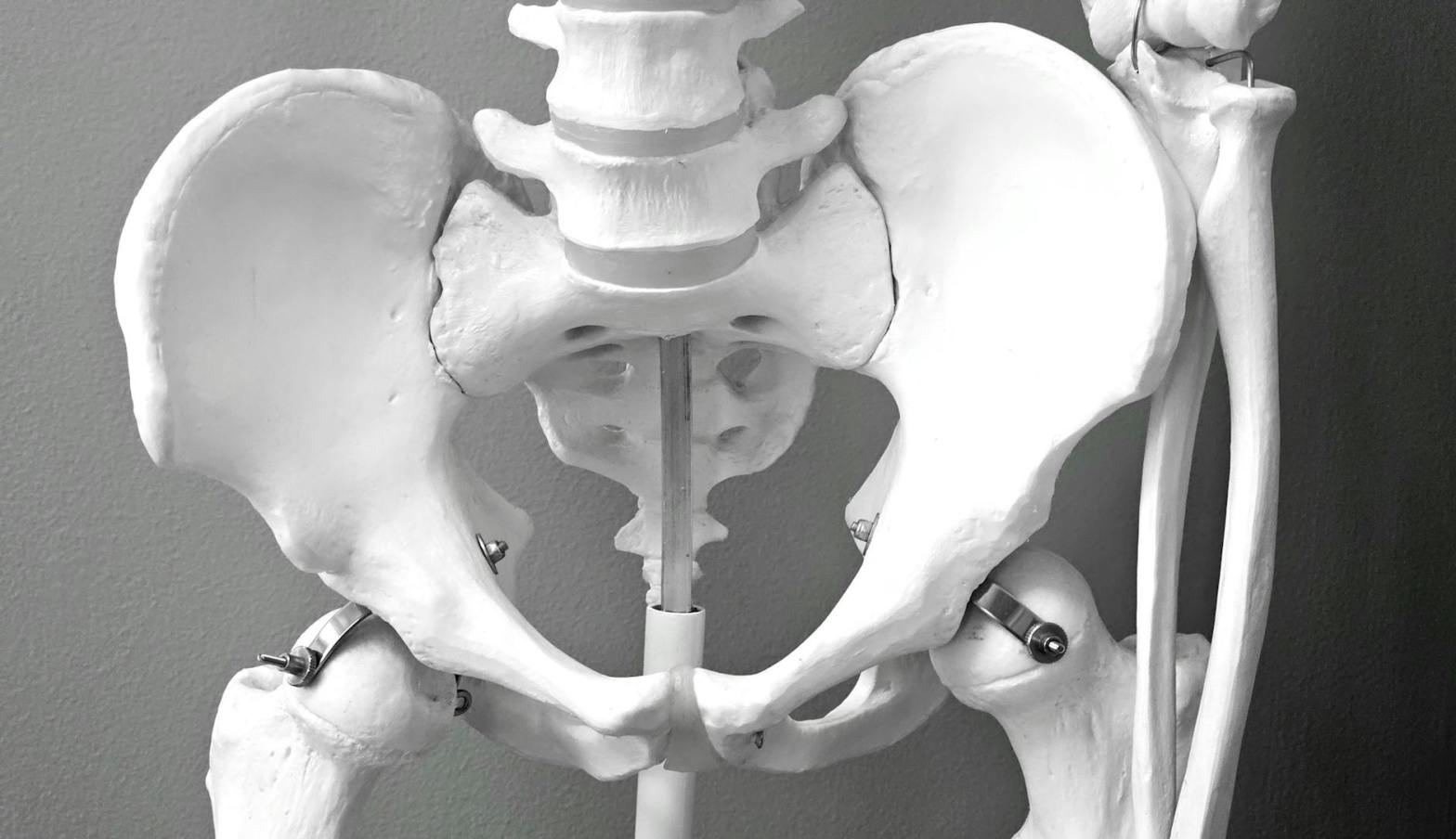
Pelvic tilts are a fundamental movement that can enhance body mechanics and contribute to overall musculoskeletal health. In this article, we will explore what pelvic tilts are, their benefits, instructions on how to perform them, and how they can fit into a broader fitness regimen.
What Are Pelvic Tilts?
Pelvic tilts are exercises that involve tilting the pelvis forward and backward. This movement helps improve the flexibility and strength of the lower back, abdominal muscles, and hips. Pelvic tilts can be particularly beneficial for individuals experiencing lower back pain or those who spend long hours sitting.
Benefits of Pelvic Tilts
- Improves Posture: Regular practice of pelvic tilts can help realign the spine and pelvis, leading to better posture.
- Strengthens Core Muscles: This exercise engages the core, strengthening the abdominal muscles and stabilizing the spine.
- Relieves Back Pain: Pelvic tilts can decrease tension in the lower back, providing relief and stability.
- Enhances Flexibility: The movement promotes better flexibility in the hip flexors and lower back.
- Aids in Pregnancy: For pregnant individuals, pelvic tilts can help alleviate back discomfort and prepare the body for labor.
How to Perform Pelvic Tilts
Here’s a simple step-by-step guide to performing pelvic tilts:
Starting Position
- Lie on your back on a flat surface (such as a mat or carpet).
- Bend your knees and place your feet flat on the ground, hip-width apart.
- Keep your arms relaxed at your sides or place your hands on your abdomen.
Movement
- Inhale: Take a deep breath, allowing your abdomen to rise gently.
- Tilt: As you exhale, gently flatten your lower back against the floor by tilting your pelvis upward. Imagine tucking your tailbone under.
- Hold: Maintain this position for a few seconds while continuing to breathe steadily.
- Release: Inhale again to return to the starting position.
- Repeat: Perform this movement 10-15 times, focusing on smooth and controlled motions.
Pelvic Tilts in Your Workout
Pelvic tilts can be easily integrated. Here are a few tips:
- Warm-Up: Include pelvic tilts as part of your warm-up before engaging in other exercises.
- Cool Down: After a workout, use pelvic tilts to stretch and relax your lower back.
- Daily Practice: For those with sedentary lifestyles, practicing pelvic tilts daily can counteract the effects of prolonged sitting.
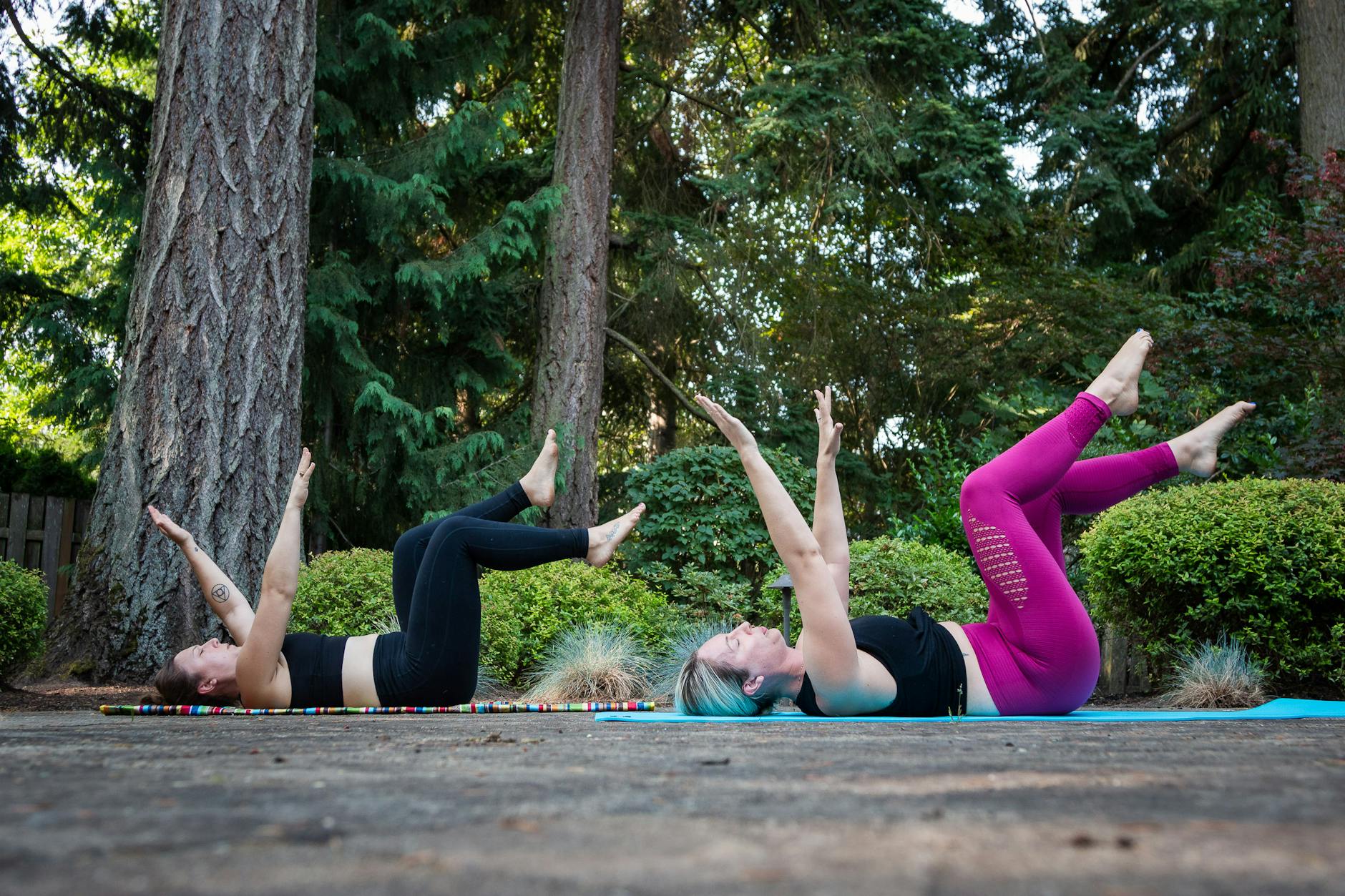
Conclusion
Pelvic tilts are a simple yet effective exercise that can significantly contribute to back health, posture, and overall core strength. By incorporating them into your fitness routine, you can enjoy the myriad benefits they offer while enhancing your physical well-being.
- 6 Month Program
- Bibliography
- Contact/Inquiry
- LEARN
- Privacy Policy
- Reviews
- Terms and Agreements
- Ramat
- Your Local Trainer a Living Room Away
- Thank You


