

Understanding Tight Elbow Flexors
The elbow joint is a complex structure that facilitates a wide range of motion, enabling activities from lifting weights to playing musical instruments. However, some individuals experience a clicking sound during elbow extension, which can be attributed to tight elbow flexor muscles. This article explores the anatomy involved, the effects of tight flexors, and potential solutions to alleviate the issue.
Anatomy of the Elbow Joint
The elbow is made up of bones, ligaments, tendons, and muscles. The primary bones include the humerus, radius, and ulna, which work together to allow flexion and extension. The main elbow flexors are the three B’s:
- Biceps Brachii: Located at the front of the upper arm, responsible for flexing the elbow and supinating the forearm.
- Brachialis: Lies underneath the biceps and also flexes the elbow.
- Brachioradialis: Runs along the forearm and helps in elbow flexion, especially in a neutral position.
Impact of Tight Elbow Flexors
Tightness in the elbow flexors can develop due to various factors, including repetitive motions, lack of stretching, or prolonged static positions. This tightness can lead to several problems:
- Limited Range of Motion: Tight flexors restrict the ability to fully extend the elbow, causing compensatory movements during activities.
- Joint Laxity: When tight muscles exert pressure on tendons and ligaments, it may lead to instability around the joint, resulting in abnormal movements.
The Clicking Phenomenon
The clicking sound heard during elbow extension could be due to:
- Tendon Snapping: As the muscles and tendons slide over bony structures during movement, they may produce a snapping sound if there is tightness or restriction.
- Joint Dysfunction: Tight flexors may alter normal joint mechanics, leading to the misalignment of the joint surfaces and creating noises as they move against each other.
Solutions for Tight Elbow Flexors
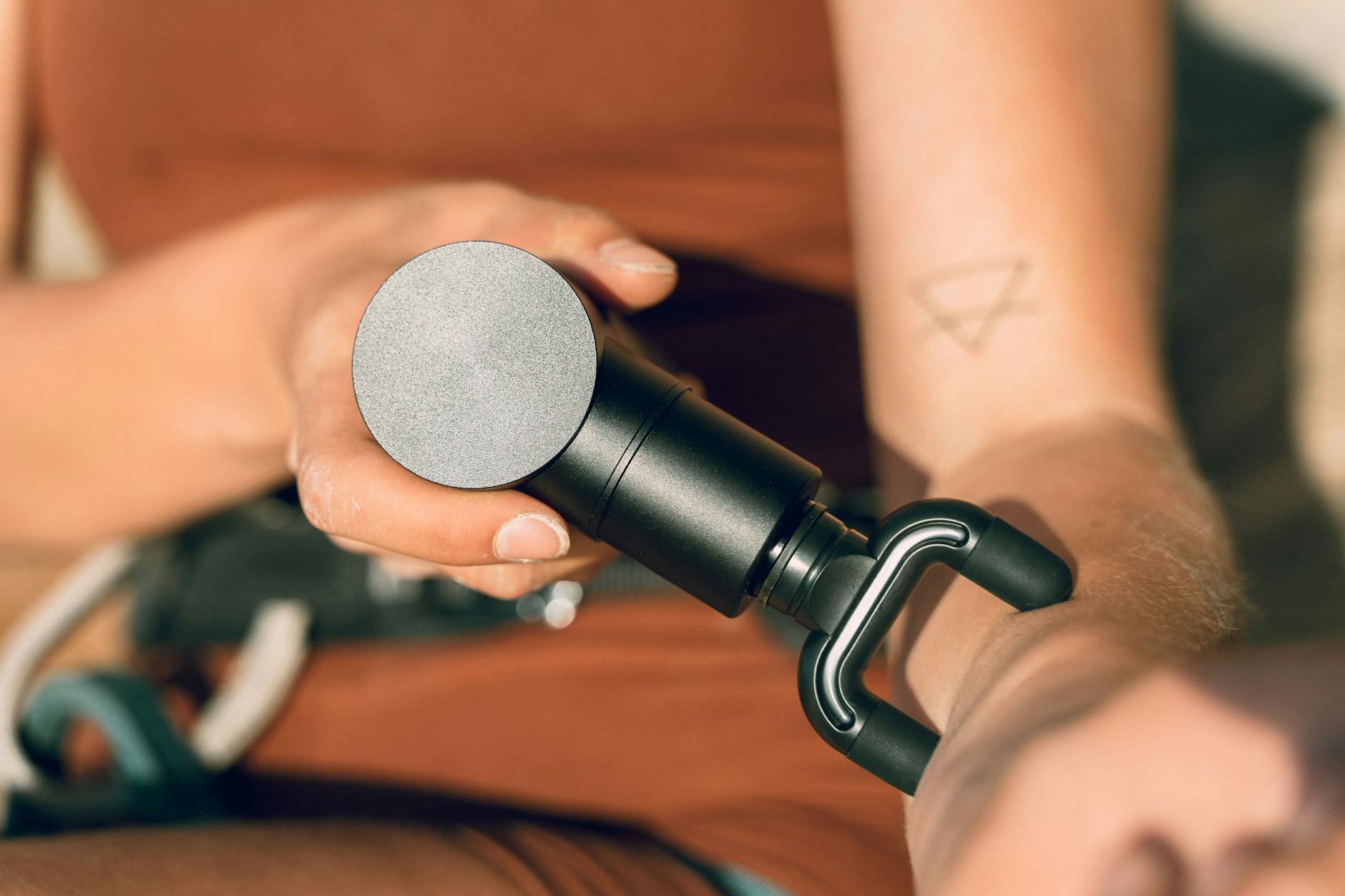
To alleviate tightness in the elbow flexors and reduce clicking during extension, consider the following strategies:
- Massage Gun: Use a massage gun to massage the fascia of the radial tuberosity down the length of the radius and the bicipital aponeurosis. Be gentle because this area is an endangerment site, and you don’t want to injure a nerve or artery. This can help relieve tension and improve muscle elasticity.
- Stretching Exercises: Incorporate regular stretching to improve flexibility in the biceps, brachialis, and brachioradialis. This can enhance range of motion and decrease tension.
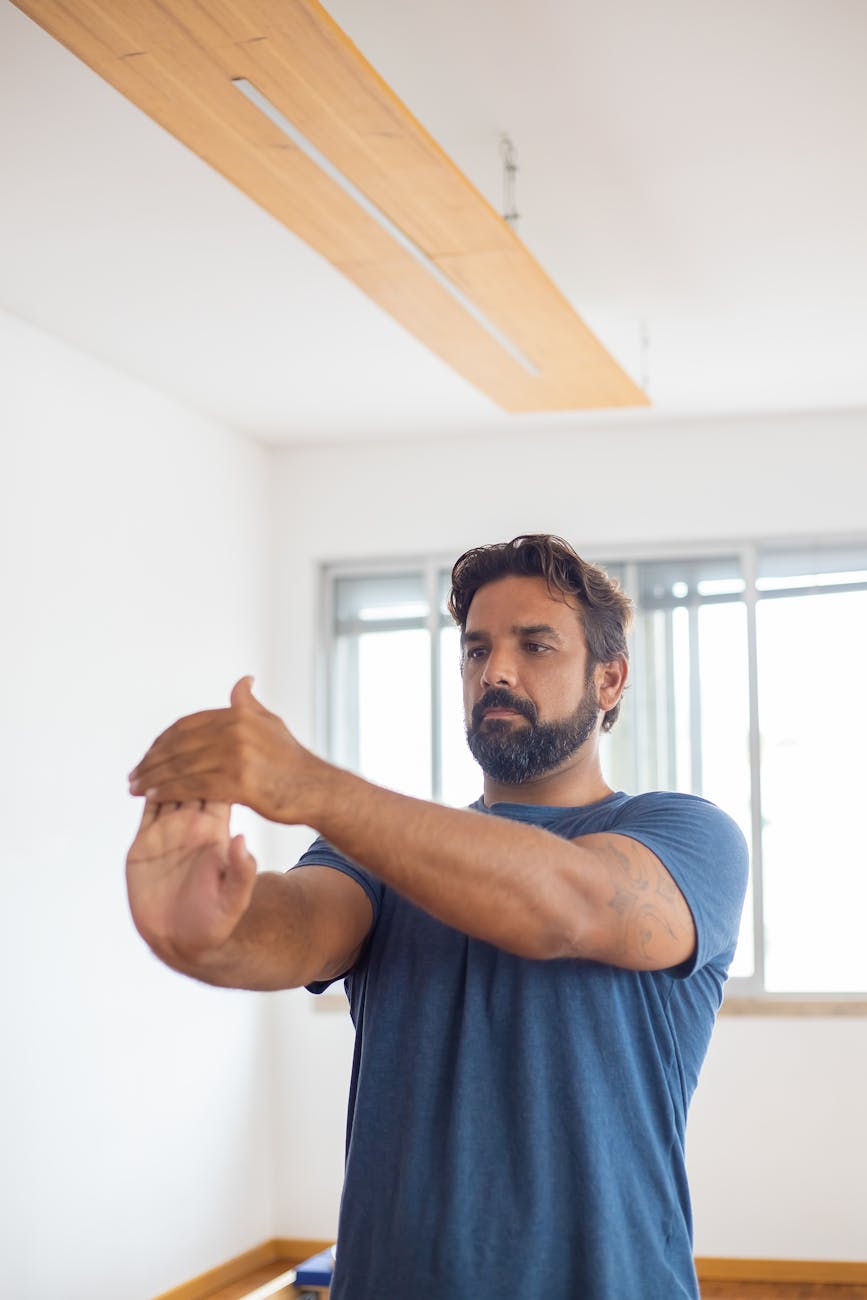
- Biceps Stretch: Stand with your arm outstretched, palm facing down, and gently pull back on the fingers to stretch the biceps.
- Forearm Stretch: Extend one arm in front, palm facing up, and use the opposite hand to gently pull down on the fingers.
- Consult a Professional: If clicking persists or is accompanied by pain, consult a physical therapist or healthcare provider for personalized assessment and treatment!


Conclusion
Tight elbow flexors can cause clicking during elbow extension due to limitations in movement and alterations in joint mechanics. By focusing on stretching and proper care, individuals can manage this condition and restore optimal function to their elbow joints, reducing discomfort and improving activity performance.

- 6 Month Program
- Bibliography
- Contact/Inquiry
- LEARN
- Privacy Policy
- Reviews
- Terms and Agreements
- Ramat
- Your Local Trainer a Living Room Away
- Thank You


