

How Lifestyle Choices Can Help
Chronic inflammation is a persistent immune response that can wreak havoc on our health. It can last for weeks, months or even years, contributing to various diseases such as heart disease, diabetes, and even some cancers. One of the often-overlooked contributors to chronic inflammation is overeating, which can lead to increased fat accumulation and metabolic disturbances. However, adopting a balanced lifestyle that includes physical exercise, adequate rest, quality social connections, and a plant-based diet can fight these effects.
The Link Between Overeating and Chronic Inflammation

When we consume more food than our bodies need, several physiological responses can lead to chronic inflammation:
1. Increased Adipose Tissue
- Excessive calorie intake can lead to an increase in body fat, particularly visceral fat. This type of fat is metabolically active and can release pro-inflammatory cytokines, contributing to a chronic inflammatory state.
2. Insulin Resistance
- Overeating, especially foods high in sugar and refined carbohydrates, can cause spikes in blood sugar and insulin levels. Prolonged insulin resistance can lead to inflammation and other metabolic issues.
3. Gut Health Disruption
- Overeating can negatively impact gut health, leading to dysbiosis (an imbalance of gut bacteria). An unhealthy gut microbiome can promote inflammation and alter immune responses.
4. Oxidative Stress

- Consuming excessive food, particularly when it includes high-sugar and processed options, can lead to oxidative stress, an imbalance between free radicals and antioxidants in the body, further fueling inflammation.
How Lifestyle Changes Can Combat Chronic Inflammation
Physical Exercise

Regular physical activity is important in reducing chronic inflammation:
- Decreases Inflammatory Markers: Exercise helps lower levels of inflammatory markers such as C-reactive protein (CRP) in the body.
- Enhances Metabolism: Engaging in regular physical activity improves insulin sensitivity and helps regulate blood sugar levels, reducing the risk of inflammation.
- Supports Weight Management: Maintaining a healthy weight through exercise reduces excess fat and the associated inflammatory responses, especially from visceral fat.
Adequate Rest

Prioritizing sleep and rest is important for regulating inflammation:
- Restores Immune Function: Quality sleep helps the body repair and rejuvenate, optimizing immune function and the production of anti-inflammatory cytokines.
- Reduces Stress Levels: Lack of sleep can lead to elevated cortisol (the stress hormone), which is linked to increased inflammation.
- Promotes Weight Management: Sleep deprivation can disrupt hormones related to hunger and appetite, leading to overeating and, consequently, inflammation.
Quality Social Connections

Fostering quality relationships and social connections can improve health and reduce inflammation:
- Lowers Stress: Engaging in positive social interactions can help manage stress levels, which, when chronic, contributes to inflammation.
- Encourages Healthy Habits: Supportive relationships motivate individuals to adopt healthier lifestyles, including improved dietary choices and regular exercise.
- Enhances Mental Well-being: Quality social ties are associated with better mental health (self-compassion), which in turn can lower inflammation linked to stress and anxiety.
Plant-Based Diet
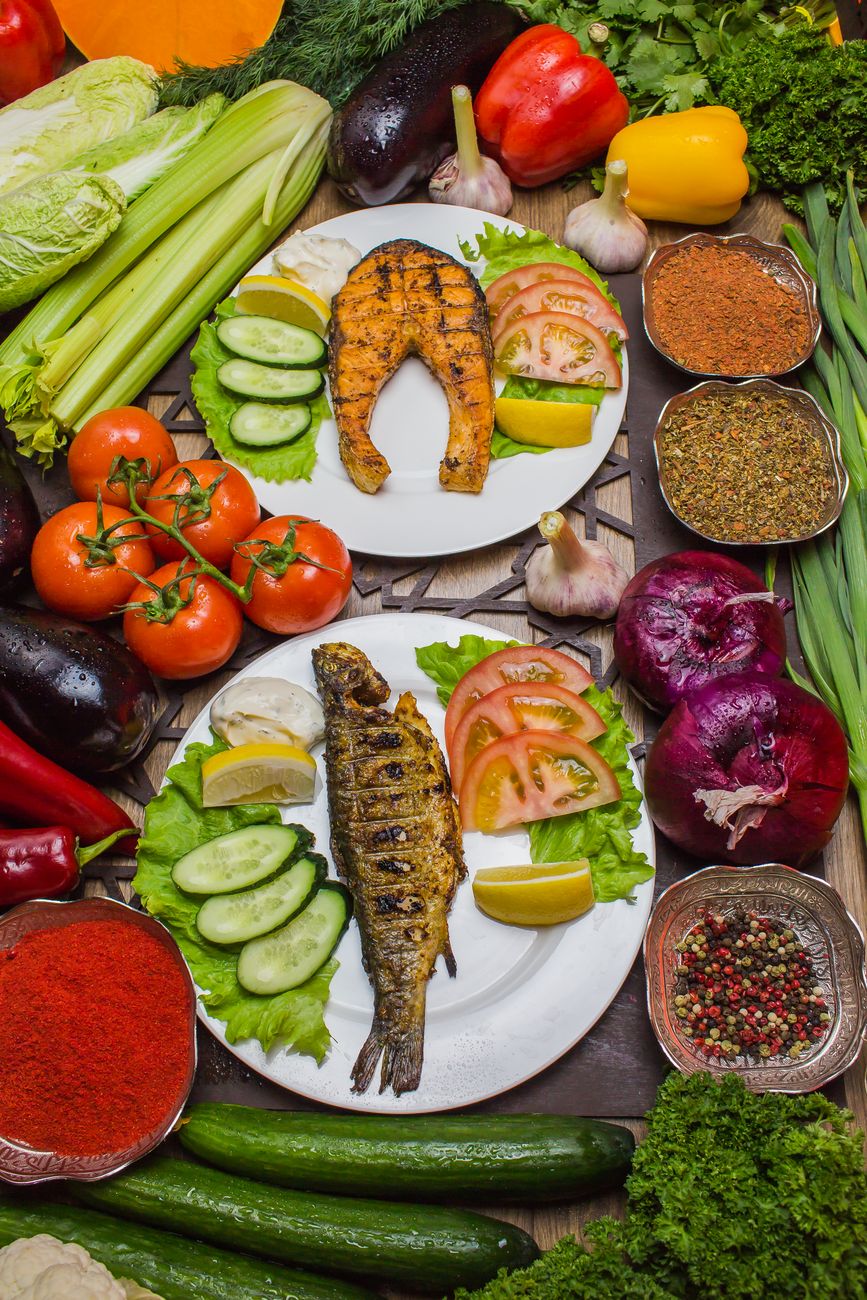
Embracing a plant-based diet can be a helpful tool in fighting chronic inflammation:
- Rich in Anti-inflammatory Foods: This diet emphasizes whole foods, including fruits, vegetables, whole grains (flour is not a whole grain), healthy fats (especially olive oil), legumes, and fish. These foods are packed with antioxidants that help combat inflammation.
- Focus on Healthy Fats: Omega-3 fatty acids found in fatty fish and walnuts have been shown to reduce inflammatory markers in the body.
- Limit Processed Foods and Sugars: By reducing the intake of processed foods, sugars, and unhealthy fats, the plant-based diet helps lower the risk of overeating and its associated inflammatory consequences.
Conclusion
Overeating can significantly contribute to chronic inflammation, leading to various health issues. However, by integrating physical exercise, ensuring adequate rest, cultivating quality social connections, and adopting a plant-based diet, individuals can fight these inflammatory effects. These lifestyle changes not only support inflammation management but also promote improved overall health and well-being. Embrace these holistic approaches for a healthier, more vibrant life, with less chronic inflammation.
- 6 Month Program
- Bibliography
- Contact/Inquiry
- LEARN
- Privacy Policy
- Reviews
- Terms and Agreements
- Ramat
- Your Local Trainer a Living Room Away
- Thank You


