

The levator scapulae are a pair of muscles located in the back of the neck. They originate from the transverse processes of the first four cervical vertebrae (C1-C4) and insert onto the superior angle and medial border of the scapula (shoulder blade). Functions of the Levator Scapulae: Elevation of the Scapula: They help lift theContinue reading “Levator Scapulae Trigger Points”
Author Archives: First-Fitness
Can’t Do Push Ups?
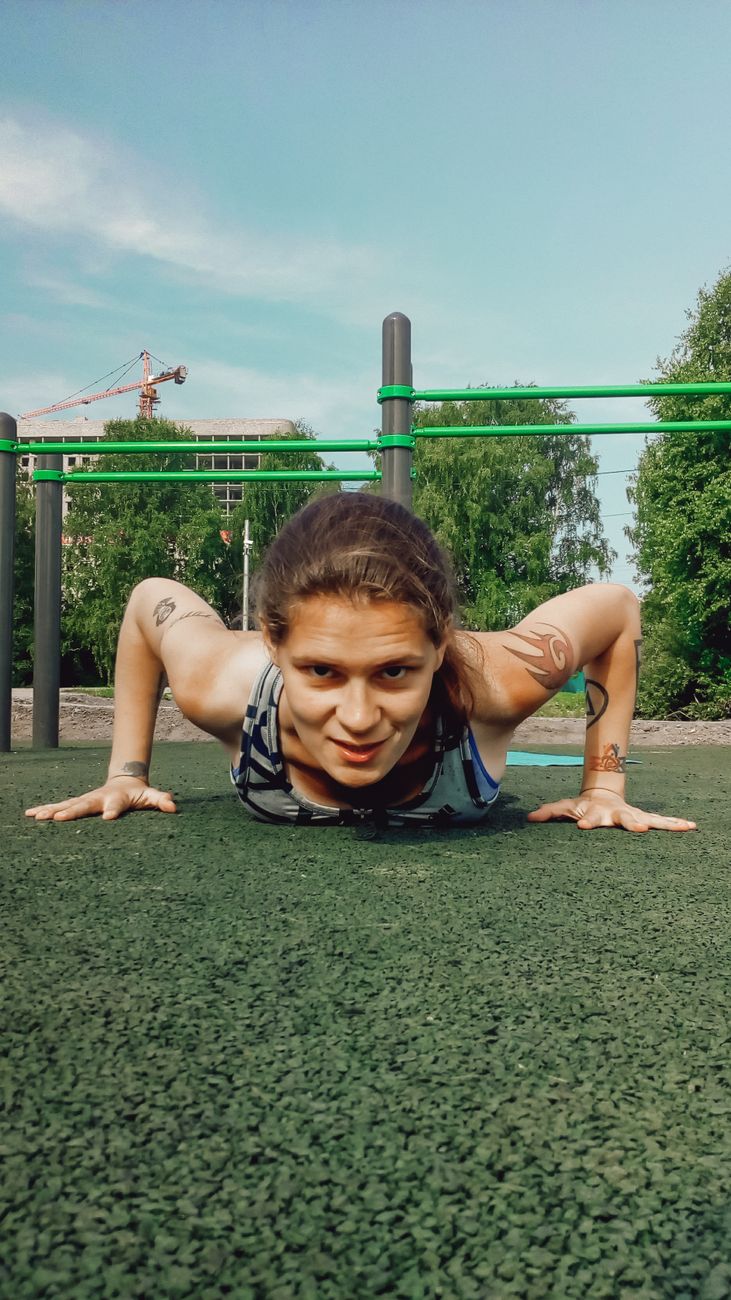
Eccentric Push-Up to Kneeling Concentric Push-Up This exercise combines the eccentric push-up with a kneeling concentric push-up. Helping you to focus on building the strength and stability you need to do a standard push up. Step 1: Starting Position Begin in a standard plank position with your hands placed shoulder-width apart and your body inContinue reading “Can’t Do Push Ups?”
Social vs Structural Determinants of Health

Health outcomes are influenced by a myriad of factors that extend beyond individual behavior and genetic predisposition. Among these factors, social determinants of health and structural determinants of health play crucial, yet distinct, roles in shaping the health of populations. Understanding the differences and interconnections between these determinants is essential for developing effective public healthContinue reading “Social vs Structural Determinants of Health”
Is it your Piriformis or Quadratus Femoris Muscle?

The Piriformis Muscle The piriformis is a small, pear-shaped muscle located in the posterior pelvic region. It is significant for its role in the movement and stabilization of the hip joint. Origin and Insertion Origin: The piriformis originates from the anterior surface of the sacrum. Insertion: It inserts onto the greater trochanter of the femur,Continue reading “Is it your Piriformis or Quadratus Femoris Muscle?”
Create More Stamina in your Shoulders
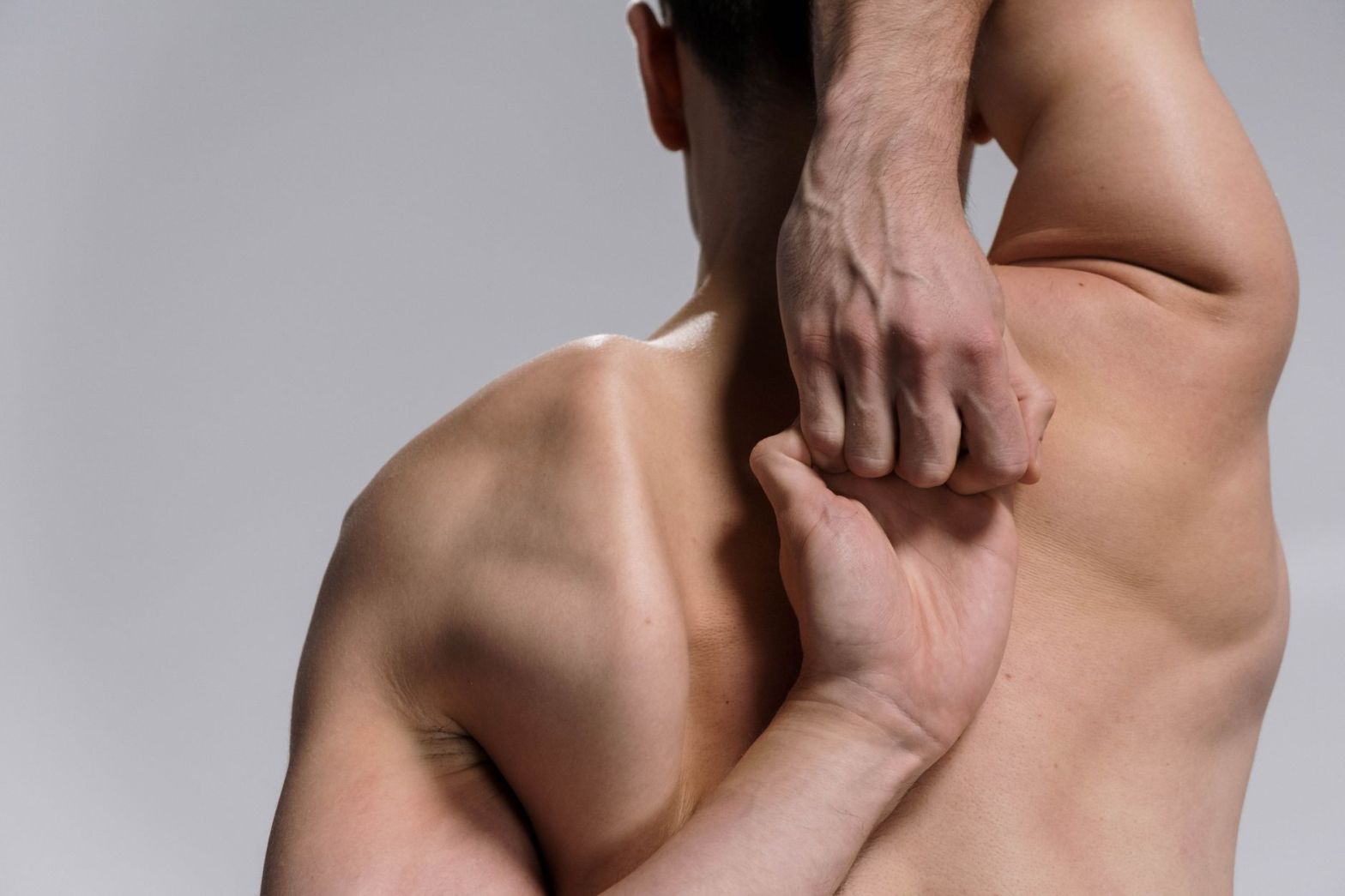
Step-by-Step Tutorial: Prone W to I Fly Exercise The prone W Fly to I Fly exercise is an excellent way to strengthen the upper back, improve shoulder stamina, and enhance overall posture. This exercise is performed while lying face down, making it particularly effective for targeting the muscles around the scapulae. Follow these steps toContinue reading “Create More Stamina in your Shoulders”
Are you S.M.A.R.T.

SMART Goals: A Pathway to Overcoming Stagnation In both personal and professional realms, individuals often find themselves experiencing periods of stagnation or feeling “stuck.” This state can arise from a variety of reasons, such as a lack of direction, unclear objectives, or overwhelming aspirations. In these moments, establishing SMART goals can be an effective strategyContinue reading “Are you S.M.A.R.T.”
Gluteus Maximus!

The Importance of Strong Glutes: Supporting the Spine and Enhancing Mobility The human body is an intricate system that relies on various muscle groups for support, movement, and overall health. Among these muscle groups, the gluteus muscles, commonly referred to as the glutes, play a critical role in maintaining stability, facilitating movement, and supporting theContinue reading “Gluteus Maximus!”
How do I Activate My Shoulder Blades?
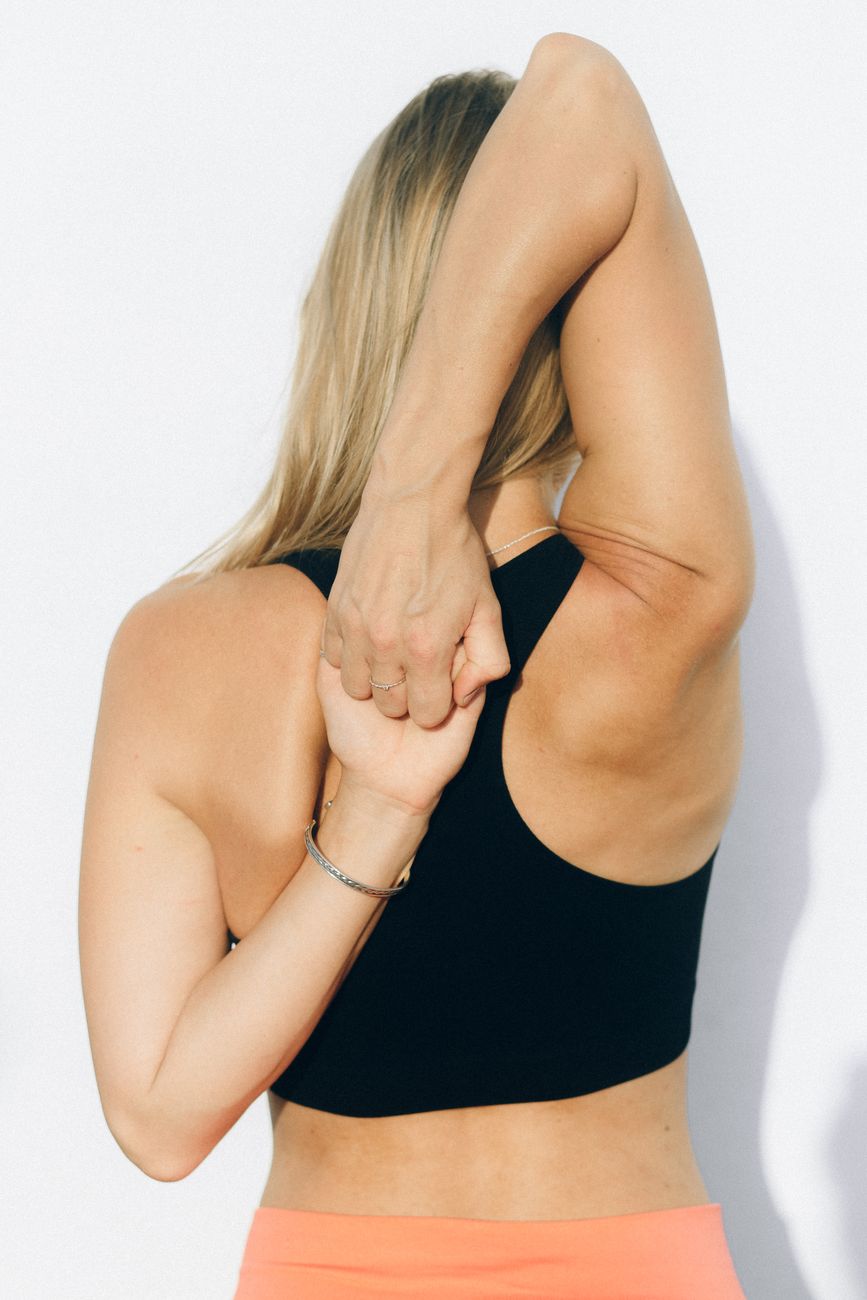
Prone Y, T, and A Fly Exercises Prone Y, T, and A Fly exercises are excellent for activating the upper back, shoulders, and improving posture before you exercise. They are often used in rehabilitation programs and for enhancing athletic performance. Here’s how to perform each of these exercises step by step. Prone Y Fly EquipmentContinue reading “How do I Activate My Shoulder Blades?”
The Body Mass Index and the Gut Microbiome
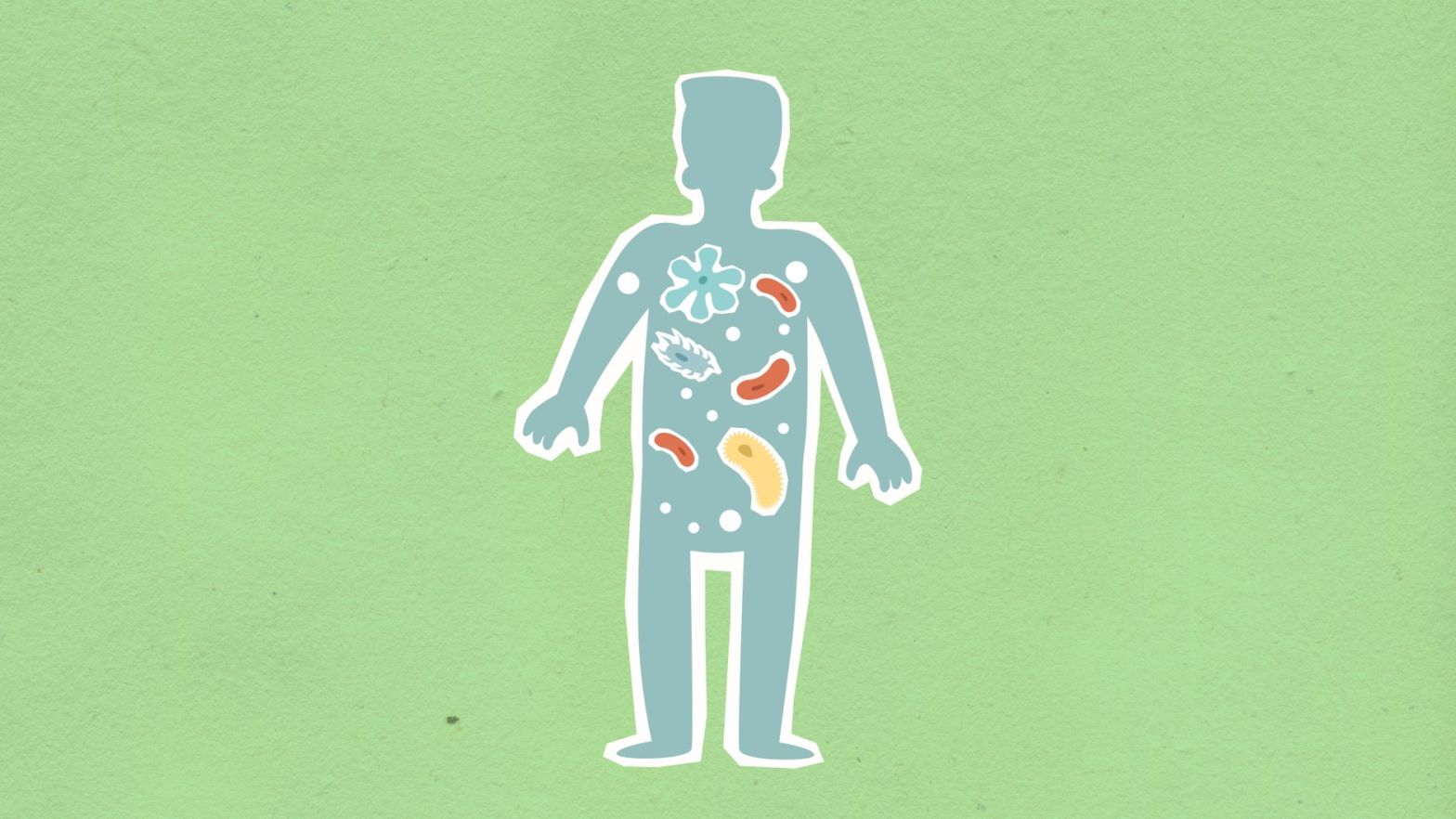
Introduction The Body Mass Index (BMI) has long been a standard tool for assessing body weight relative to height, providing a quick and straightforward method to categorize individuals as underweight, normal weight, overweight, or obese. However, while BMI offers certain advantages, it also has significant limitations that necessitate a more nuanced understanding of body weightContinue reading “The Body Mass Index and the Gut Microbiome”
Pelvic Asymmetry in the Frontal Plane
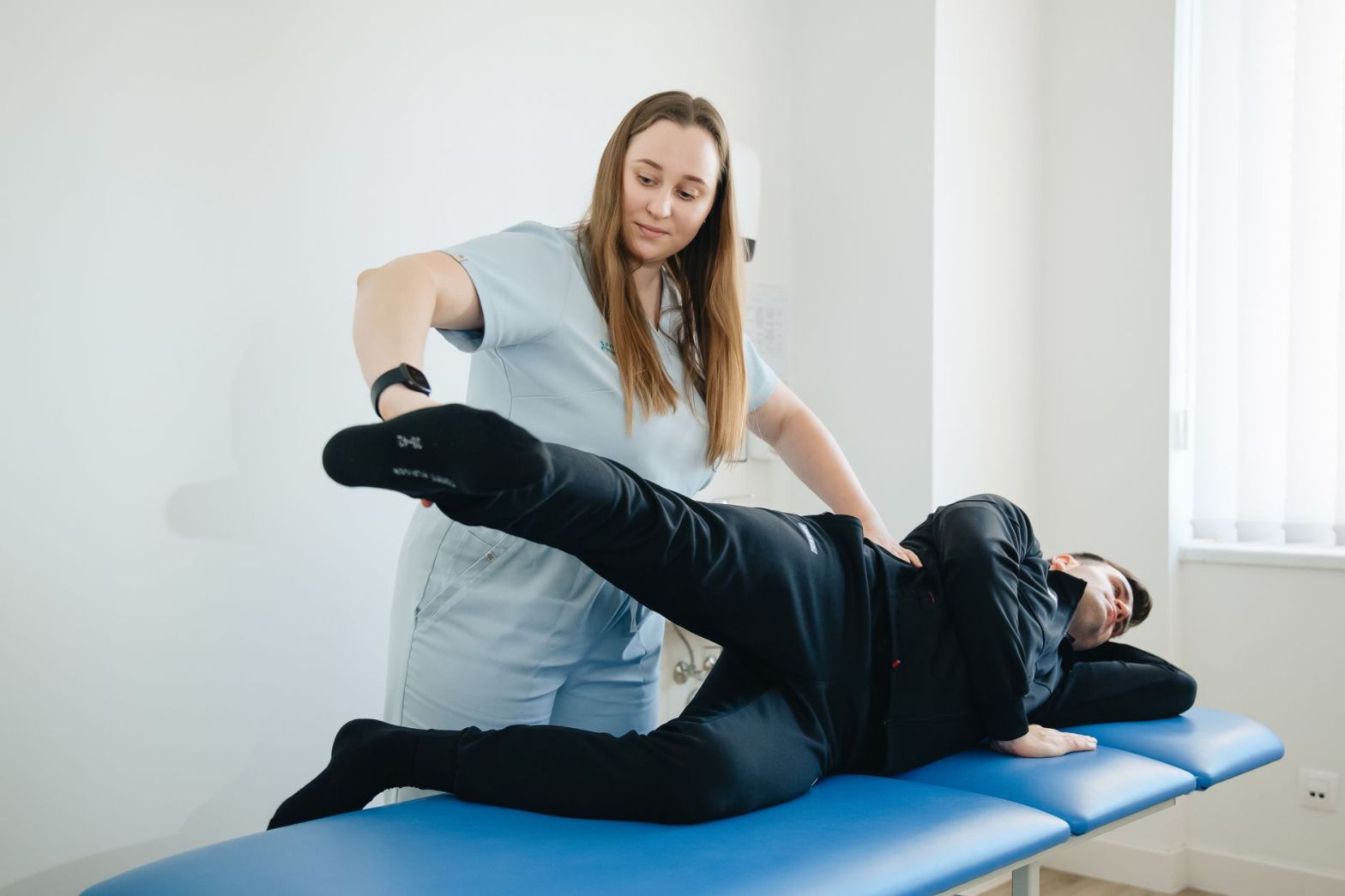
Pelvic asymmetry in the frontal plane refers to an imbalance or misalignment of the pelvis that can lead to various functional and structural issues in the body. This condition is significant as it can affect posture, biomechanics, and overall movement patterns. Causes Several factors can contribute to pelvic asymmetry in the frontal plane, including: MuscleContinue reading “Pelvic Asymmetry in the Frontal Plane”

