
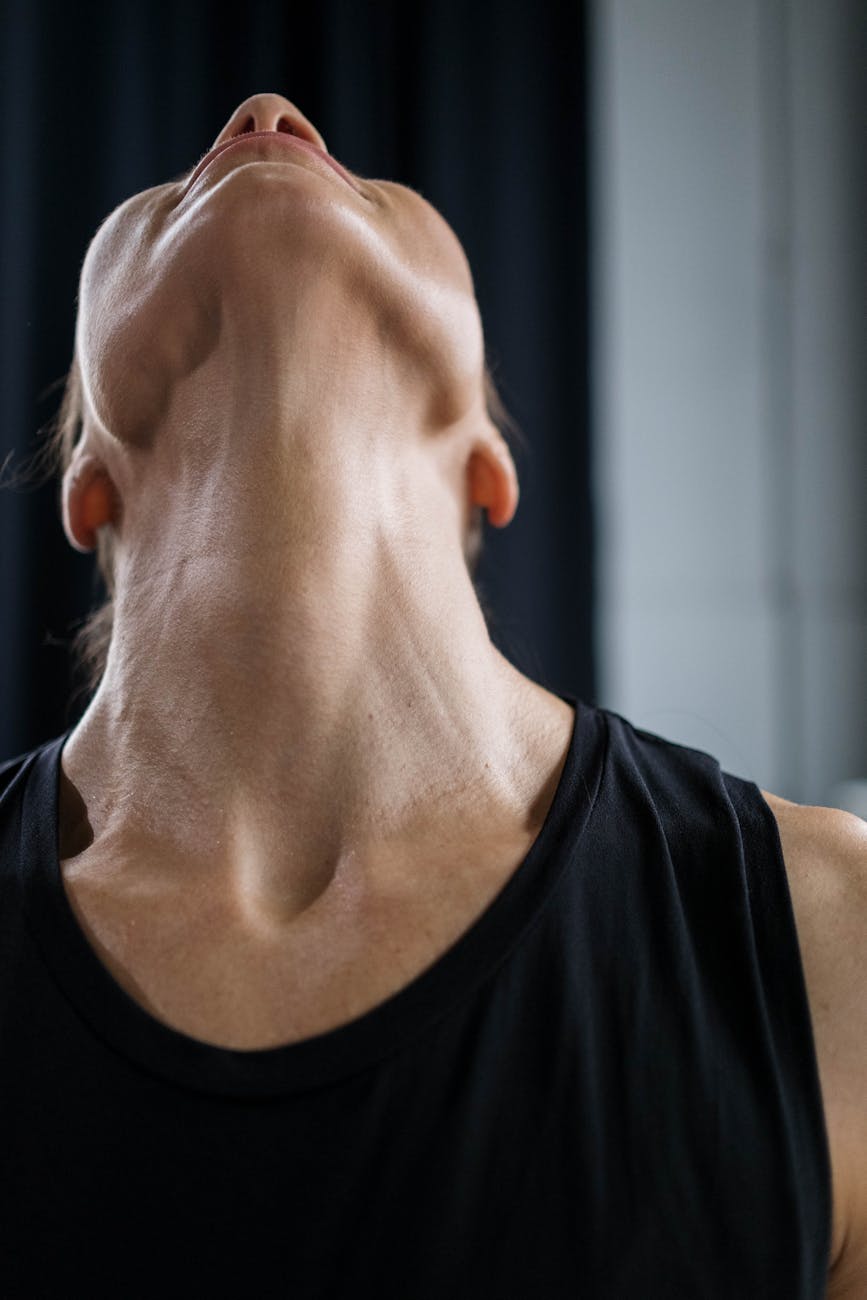
The scalene muscles are a group of three pairs of muscles located in the lateral aspect of the neck. These muscles play a crucial role in various functions, including breathing and head movement. Here’s a closer look at the scalene muscles, their anatomy, functions, and clinical significance.
Anatomy of the Scalene Muscles
The scalene muscles consist of three pairs, namely:
- Anterior Scalene: This muscle originates from the transverse processes of the third to sixth cervical vertebrae and inserts into the first rib.
- Middle Scalene: As the largest of the three, it arises from the transverse processes of the second to seventh cervical vertebrae and attaches to the first rib, posterior to the anterior scalene.
- Posterior Scalene: This muscle originates from the transverse processes of the lower cervical vertebrae (usually C5-C7) and inserts into the second rib.
Each pair of scalene muscles is separated by a triangular space that contains the brachial plexus and subclavian artery, making their anatomical placement critical in neurovascular issues.

Functions of the Scalene Muscles
The scalene muscles serve several important functions:
- Respiration: During inspiration, the scalene muscles assist in elevating the first and second ribs, thereby increasing the volume of the thoracic cavity and facilitating airflow into the lungs.
- Head Movement: The scalene muscles aid in the lateral bending and rotation of the neck. The anterior and middle scalene muscles can help flex the neck forward.
- Stabilization: They play a role in stabilizing the cervical spine during head movements, contributing to overall neck stability.
Clinical Significance
Awareness of the scalene muscles is essential in several clinical contexts:
- Neck Pain and Discomfort: Tightness or strain in the scalene muscles can lead to neck pain and discomfort. Physical therapy often targets these muscles to relieve tension.
- Thoracic Outlet Syndrome: This condition arises when the space between the collarbone and the first rib is narrowed, often due to tight scalene muscles. Symptoms can include pain, numbness, and tingling in the arms.
- Nerve Compression: The proximity of the scalene muscles to the brachial plexus means that injury or tightness can compress nerves, leading to pain or dysfunction in the upper extremities.

Conclusion
The scalene muscles, while small in size, play significant roles in respiratory mechanics and neck mobility. Understanding their anatomy, functions, and potential clinical implications is crucial for healthcare professionals and individuals alike. Whether dealing with neck issues or respiratory mechanics, knowledge of the scalene muscles enhances our understanding of cervical function and overall health.
- 6 Month Program
- Bibliography
- Contact/Inquiry
- LEARN
- Privacy Policy
- Reviews
- Terms and Agreements
- Ramat
- Your Local Trainer a Living Room Away
- Thank You


