
Introduction
The Body Mass Index (BMI) has long been a standard tool for assessing body weight relative to height, providing a quick and straightforward method to categorize individuals as underweight, normal weight, overweight, or obese. However, while BMI offers certain advantages, it also has significant limitations that necessitate a more nuanced understanding of body weight and health.
Pros of Body Mass Index

- Simplicity and Accessibility: BMI is uncomplicated to calculate, requiring only height and weight measurements. This simplicity makes it an easily utilized tool for both healthcare providers and individuals.
- Population-Level Insights: BMI serves as an effective measure for assessing the weight status of large populations, providing data that can inform public health initiatives and research concerning trends in obesity and underweight conditions.
- Cost-Effectiveness: Since BMI calculation does not require expensive equipment or testing, it can be implemented in various settings, from clinical environments to community health programs, making it a resource-efficient screening method.
- Preliminary Risk Assessment: Higher BMI categories are associated with increased risks for several health conditions, including heart disease, diabetes, and certain cancers. BMI can be used as an initial screening tool to identify individuals who may need further assessment.
Cons of Body Mass Index

- Lack of Body Composition Differentiation: One major limitation of BMI is that it does not distinguish between muscle mass and fat mass. An individual with a high muscle mass may be classified as overweight or obese, despite being healthy.
- Neglect of Fat Distribution: BMI fails to account for how fat is distributed in the body. For example, individuals with visceral fat (fat stored around the organs) have higher health risks even if their BMI falls within a normal range.
- Inapplicability to Specific Groups: BMI may not adequately represent body composition in certain populations, such as professional athletes, older adults, or various ethnic groups, potentially leading to misleading assessments about their health.
- Psychological Implications: A focus on BMI can contribute to negative body image issues and unhealthy behaviors among individuals who may obsess over their weight, rather than focusing on overall health.
Solutions to Fight Obesity

1. Education and Awareness
Increased public education about nutrition, caloric intake, and the importance of physical activity can equip individuals with the knowledge to make healthier lifestyle choices and combat obesity.
2. Access to Healthy Foods
Ensuring that communities have access to affordable and nutritious food options, such as fruits, vegetables, and whole grains, is essential for fostering healthy eating habits and reducing obesity rates.
3. Promotion of Physical Activity
Incorporating regular physical activity into daily life through community programs, workplace wellness initiatives, and recreational opportunities can help individuals maintain a healthy weight and improve overall health.
4. Support and Community Programs
Supportive environments, including counseling, peer support groups, and community-based weight management programs, can provide motivation and encouragement for individuals seeking to lose weight or maintain healthy habits.
5. Policy Interventions
Government policies that regulate food marketing, improve nutrition labeling, and promote public health programs can help create an environment conducive to healthy living and obesity prevention.

The Role of Gut Microbiome in Fighting Obesity

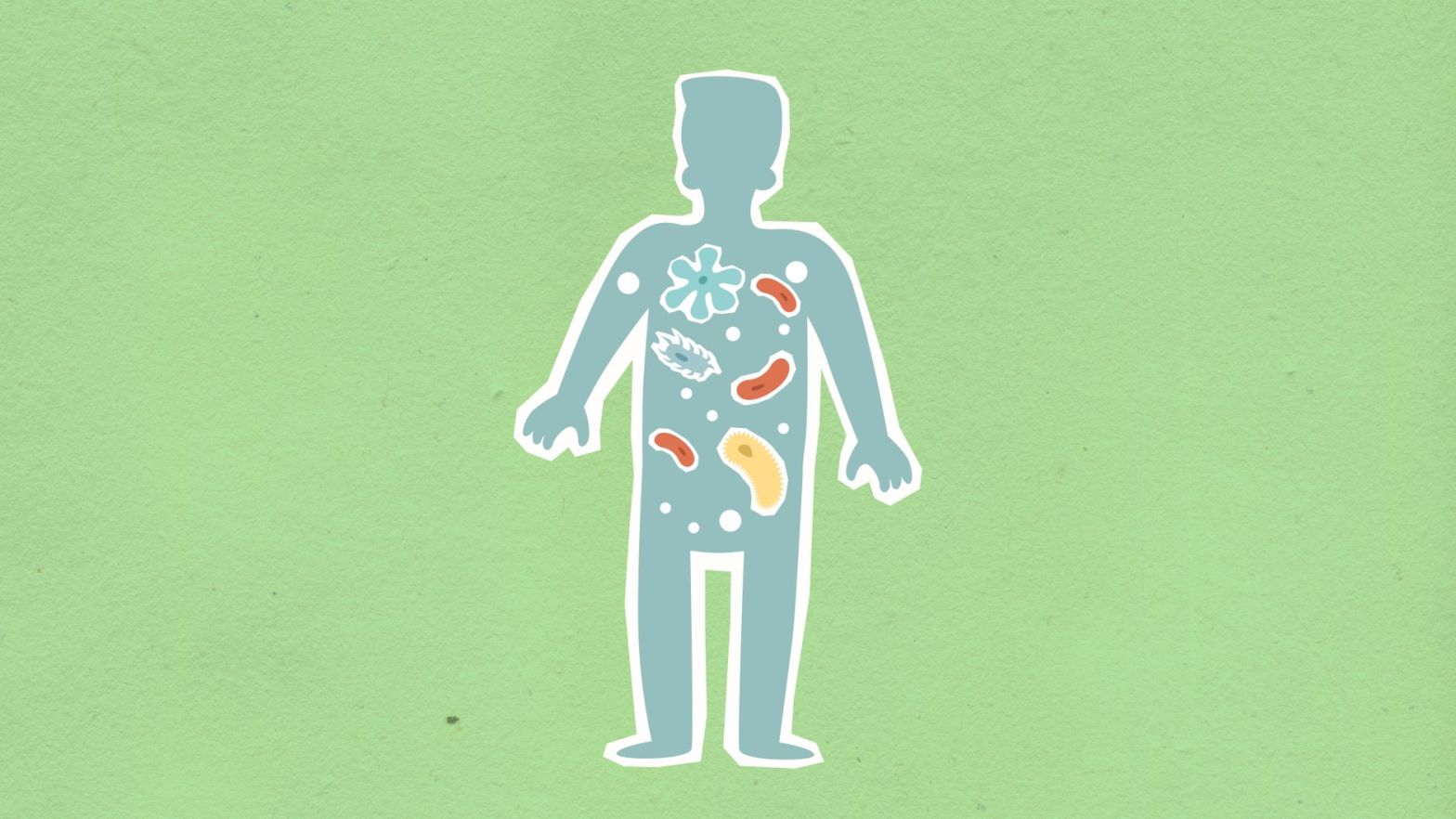
Recent research has highlighted the importance of the gut microbiome in regulating weight and influencing metabolic health. A diverse and balanced gut microbiome can play a crucial role in combating obesity.
1. Enhanced Digestion and Nutrient Absorption
A healthy gut microbiome supports efficient digestion and nutrient absorption, which is vital for maintaining a healthy weight. When the gut microbiome is imbalanced, it may lead to issues such as metabolic syndrome and obesity.

2. Metabolic Regulation
Certain gut bacteria can influence metabolic processes, impacting how the body extracts energy from food and stores fat. An imbalance in the gut microbiome may contribute to weight gain and obesity.

3. Inflammation Reduction
A balanced gut microbiome helps reduce inflammation in the body, which is often associated with obesity. By promoting an anti-inflammatory environment, a healthy microbiome can support weight loss efforts.

4. Dietary Contributions
Incorporating probiotics (found in fermented foods like yogurt and acidophilus capsules) and prebiotics (found in fruits, vegetables, and whole grains) can improve gut health and support a healthy weight. These foods promote diversity in the gut microbiome, aiding in weight management.

5. Connection to Mental Health
Emerging research shows that gut health is connected to mental well-being through the gut-brain axis. A balanced microbiome can positively influence mood and behaviors related to food, enhancing motivation for a healthy lifestyle.

Conclusion
While the Body Mass Index provides a simple and accessible means for assessing body weight, its limitations necessitate a broader perspective on health. Addressing obesity requires a multi-dimensional approach that includes education, accessible healthy foods, physical activity, community support, and policy changes. Furthermore, fostering a healthy gut microbiome emerges as a promising strategy in the fight against obesity, emphasizing the interconnectedness of diet, health, and well-being. By integrating these multifaceted approaches, we can work towards reducing obesity rates and promoting healthier lifestyles for all.
- 6 Month Program
- Bibliography
- Contact/Inquiry
- LEARN
- Privacy Policy
- Reviews
- Terms and Agreements
- Ramat
- Your Local Trainer a Living Room Away
- Thank You


