

Embracing Change: The Power of the Present Moment In our fast-paced and often chaotic lives, the concept of change can seem daunting. Many of us find ourselves trapped in the cycles of our past experiences or anxious about the future. However, true transformation cannot occur without a deep-rooted understanding that change can only happen inContinue reading “The Present”
Author Archives: First-Fitness
Low Back Pain or Shoulder Pain

Spinal curvature can significantly affect shoulder pain due to the interconnected nature of the spine, posture, and muscle function. Here are some key points on how spinal curvature may influence shoulder pain: Postural Alignment: Abnormal spinal curvature, such as kyphosis (excessive forward rounding of the back) or scoliosis (sideways curvature of the spine), can leadContinue reading “Low Back Pain or Shoulder Pain”
How do Reverse Crunches (hip ups) Train the Pelvic Floor Muscles?
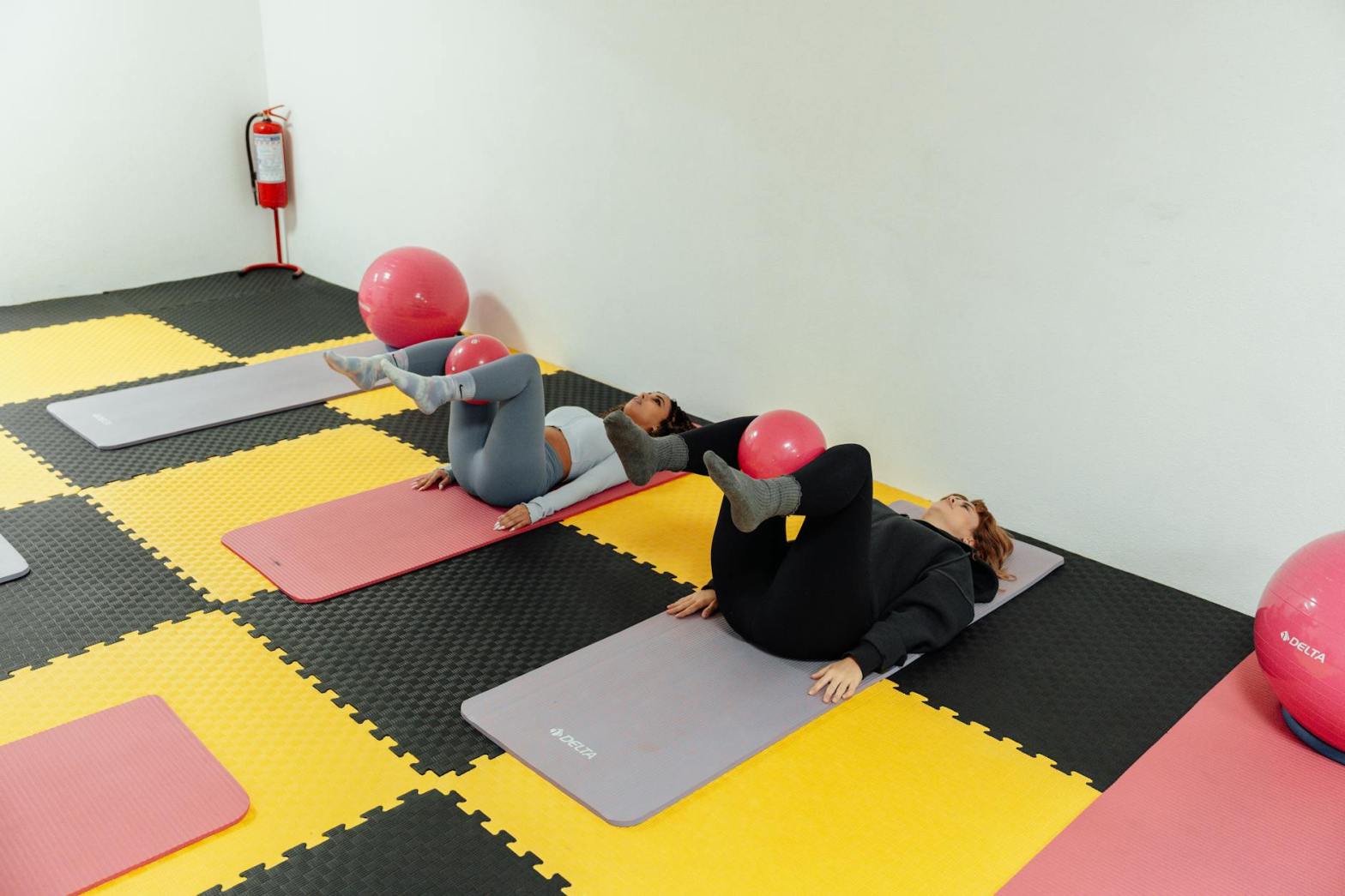
Reverse crunches are an effective exercise for strengthening the pelvic floor for several reasons: Engagement of Core Muscles: When performing a reverse crunch, the abdominal muscles, especially the transverse abdominis, are engaged. A strong core supports the pelvic floor by providing stability and reducing pressure on the pelvic region. Pelvic Floor Activation: During the reverseContinue reading “How do Reverse Crunches (hip ups) Train the Pelvic Floor Muscles?”
The Sound of Silence
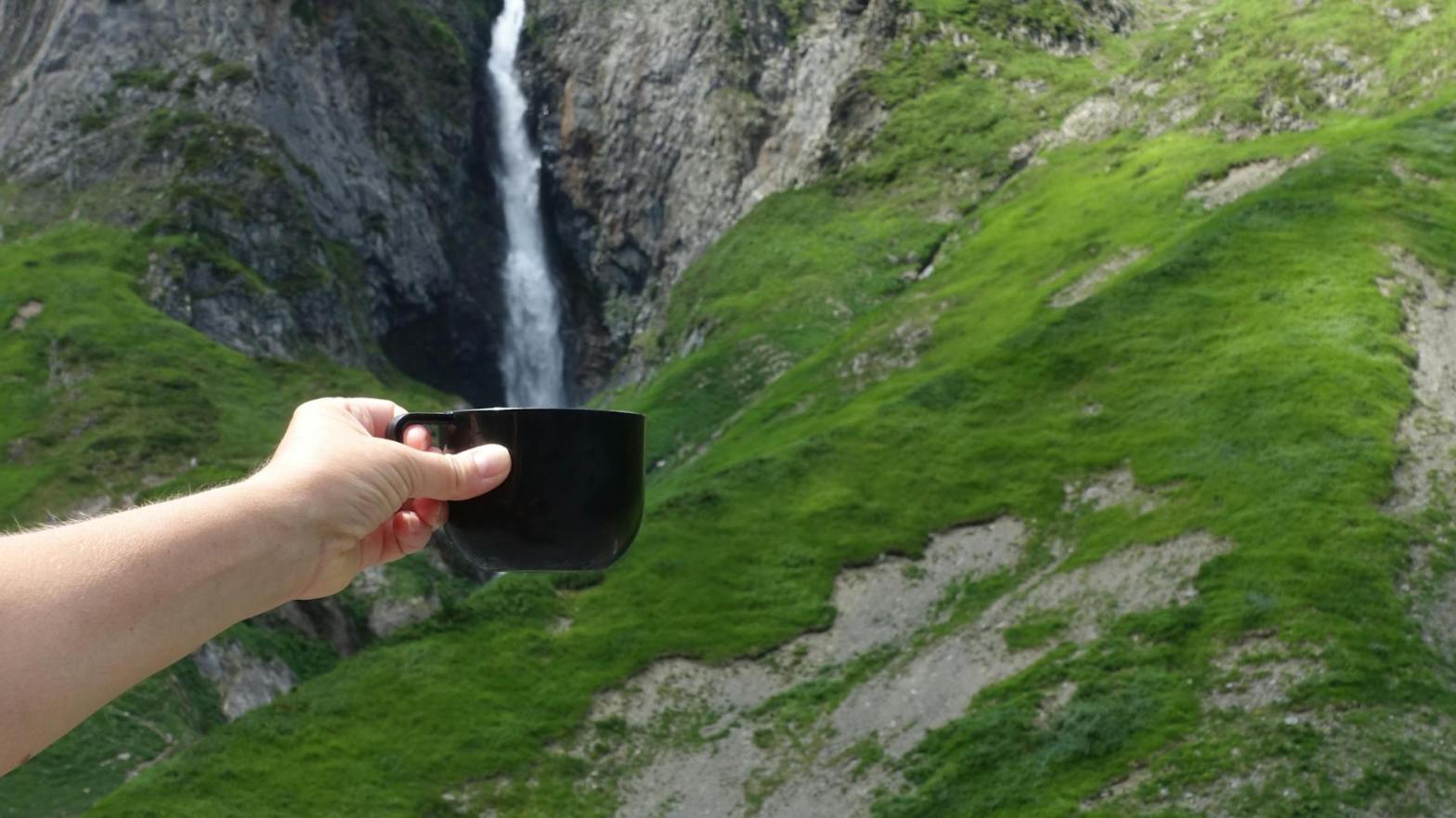
Meditation as a Tool in Health Coaching In today’s fast-paced world, the quest for wellness often leads individuals to explore various techniques that promote mental and physical health. One powerful yet often overlooked tool in health coaching is meditation. Meditation acts as a bridge to deeper self-awareness and introspection. Coaches utilize this practice to helpContinue reading “The Sound of Silence”
Brachialis
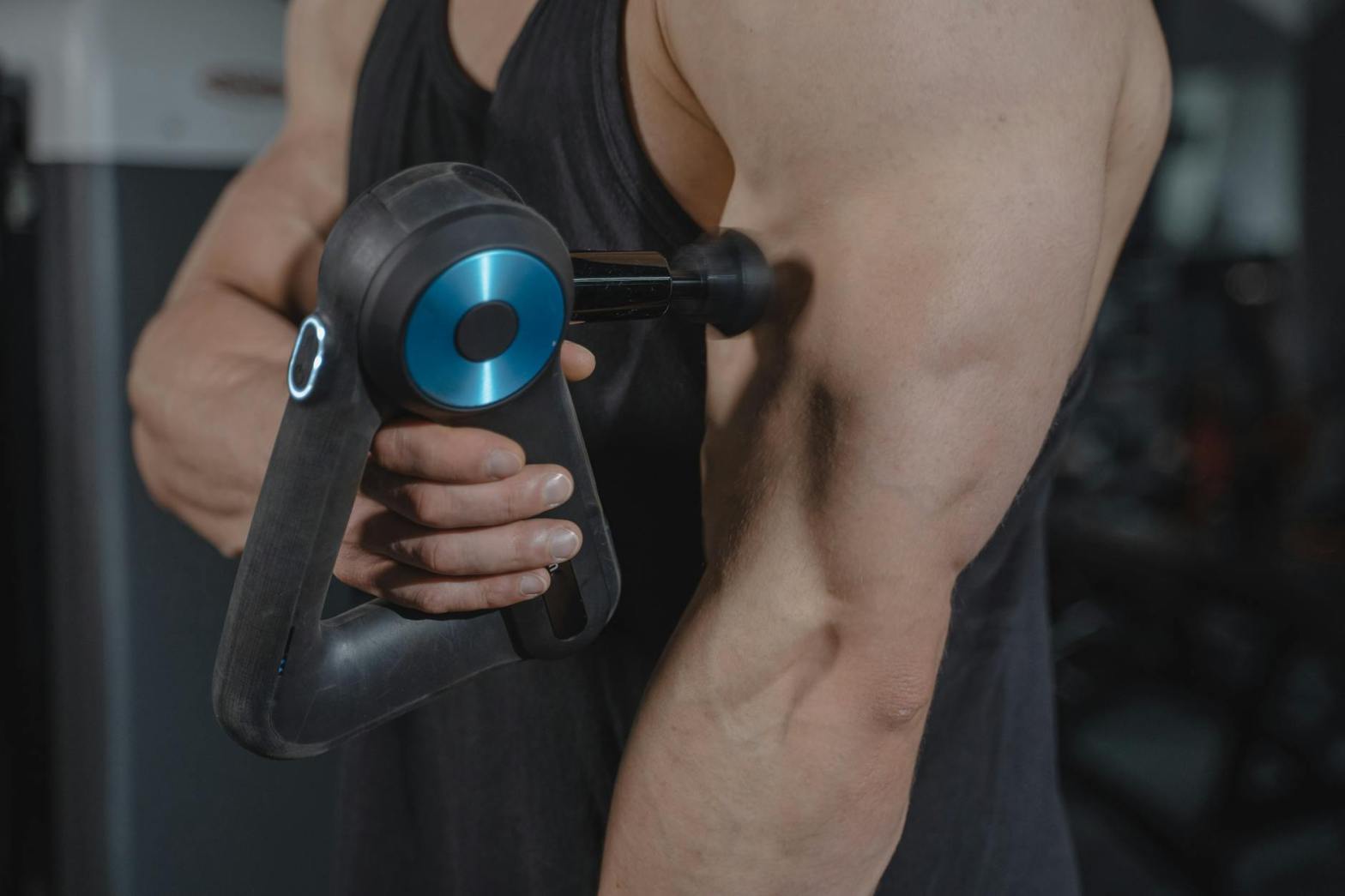
Understanding the Brachialis Muscle The brachialis is one of the key muscles located in the upper arm, lying beneath the biceps brachii. It is primarily responsible for flexing the elbow joint, making it a crucial muscle for various lifting and pulling actions. While the biceps may be the more commonly recognized muscle due to itsContinue reading “Brachialis”
Anterior and Posterior Chains
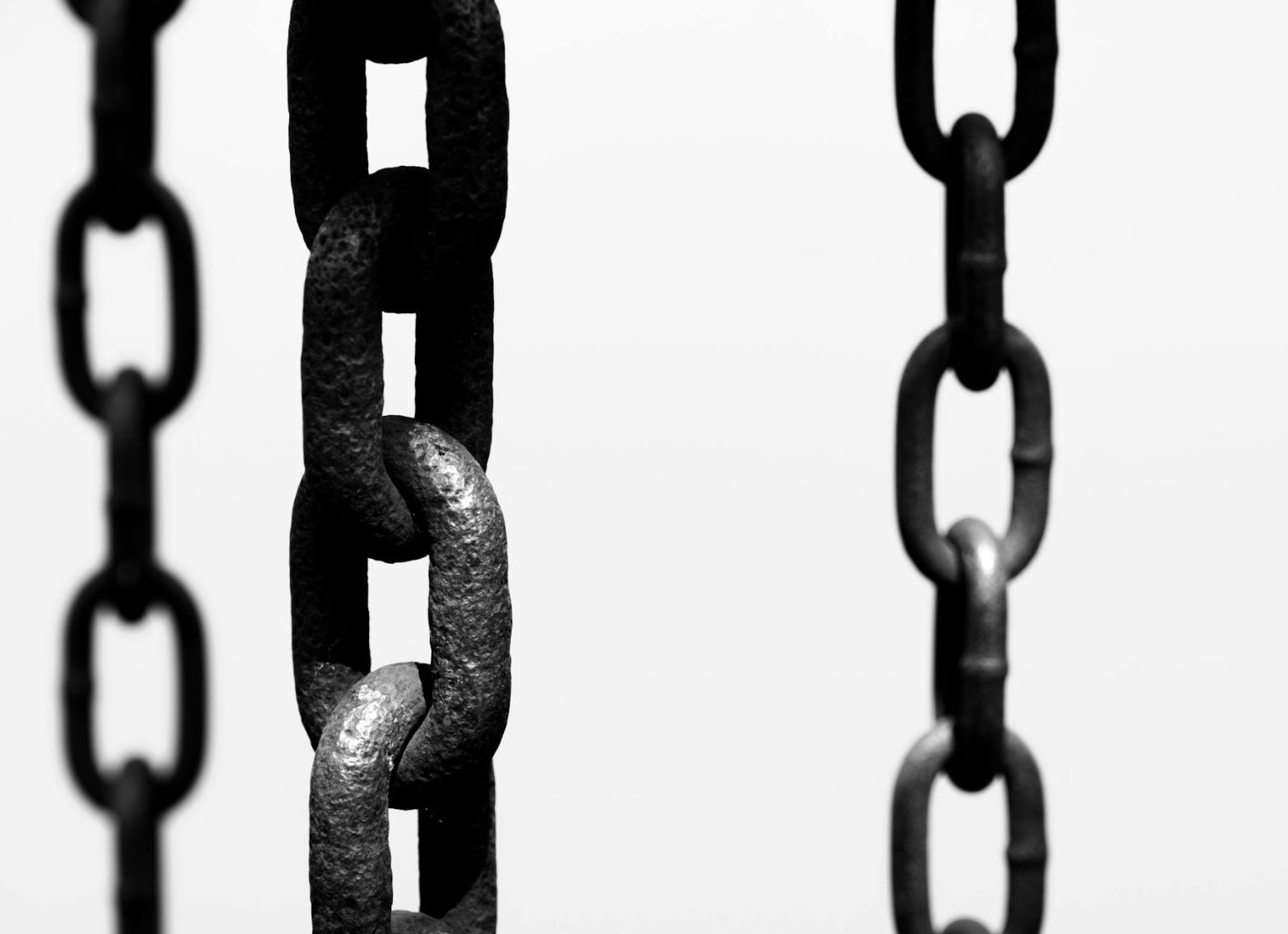
Understanding the Anterior and Posterior Chains In the world of fitness, understanding the concepts of the anterior and posterior chains is essential for achieving balanced strength and improving overall performance. What Are the Anterior and Posterior Chains? The anterior chain refers to the muscles located at the front of the body. This includes the chest,Continue reading “Anterior and Posterior Chains”
NBHWC Professional Guidelines

The National Board for Health & Wellness Coaching (NBHWC) has established a comprehensive set of professional guidelines that serve as the foundation for ethical practice within the wellness coaching profession. Adhering to these guidelines is vital for maintaining professionalism and ensuring the highest standard of care for clients. Here’s a closer look at these essentialContinue reading “NBHWC Professional Guidelines”
Deep Frontal Line (DFL)
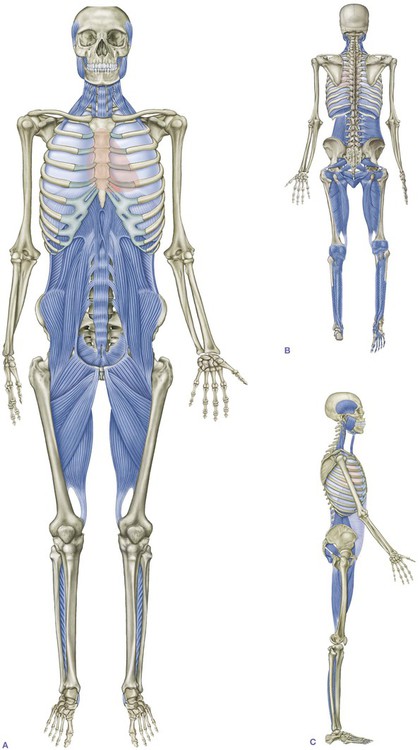
What is the Deep Frontal Line? The deep frontal line is one of the key fascial lines identified by Thomas W. Myers in his influential book, “Anatomy Trains.” This line runs vertically through the body’s core, linking the deep muscles of the trunk and pelvis to the shoulder region. It is primarily associated with theContinue reading “Deep Frontal Line (DFL)”
Simple Variation on the Bird Dog

With this version of the bird dog, instead of starting in quadruped position before extending the contralateral arm and leg. The Lateral Leg Bird Dog starts with one leg lateral to the body, one knee under the hip and each hand under each shoulder. To perform the Lateral Leg Bird Dog, begin by engaging yourContinue reading “Simple Variation on the Bird Dog”
Cultural Humility

Embracing Cultural Humility: A Vital Component of NBHWC Cultural humility is an essential principle recognized by the National Board for Health and Wellness Coaching (NBHWC) that emphasizes an ongoing commitment to self-reflection and personal growth in understanding cultural differences. Unlike cultural competency, which often suggests a mastery of various cultural practices and norms, cultural humilityContinue reading “Cultural Humility”

