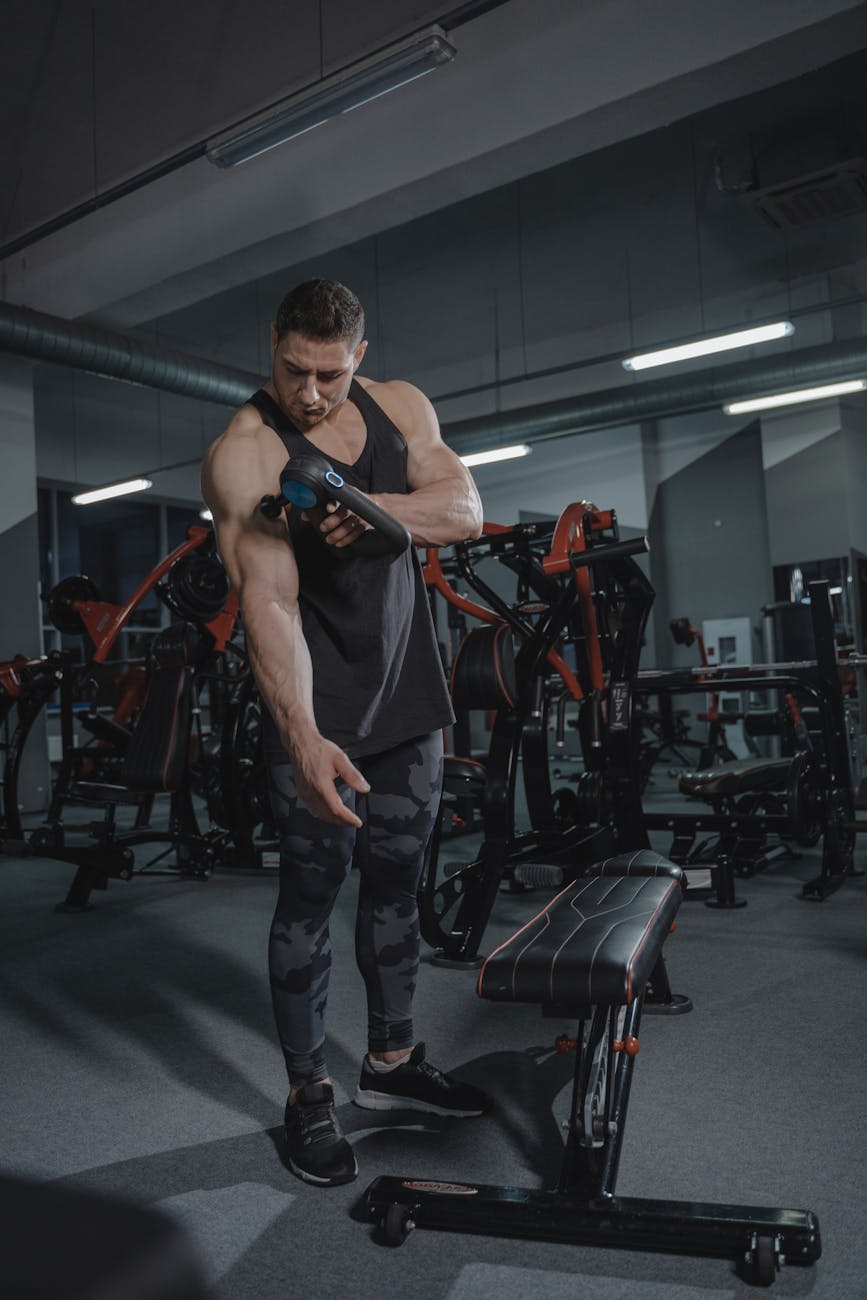
When discussing bicep tendonitis, most conversations revolve around the biceps brachii muscle, but there’s another player in the mix that often goes unnoticed: the coracobrachialis. This small but significant muscle, located in the upper arm, plays a crucial role in shoulder and arm mobility.
The coracobrachialis originates from the coracoid process of the scapula and inserts onto the medial side of the humerus. Its primary functions include flexing the arm at the shoulder joint and aiding in adduction. Due to its location and function, issues with the coracobrachialis can contribute to discomfort and pain in the bicep region, especially during overhead activities.
Identifying problems with the coracobrachialis is essential for those experiencing bicep tendonitis. Treatment may involve targeted massage, stretching, strengthening, or a combination of all three focused on this muscle to alleviate tension and promote better overall shoulder mechanics. By acknowledging the coracobrachialis, individuals can take a more holistic approach to recovery, ensuring that all potential contributing factors to bicep tendonitis are addressed.
In conclusion, while the biceps brachii tends to grab the spotlight, the coracobrachialis deserves attention as well. Understanding its role can lead to more effective treatment strategies and a quicker return to your favorite activities.
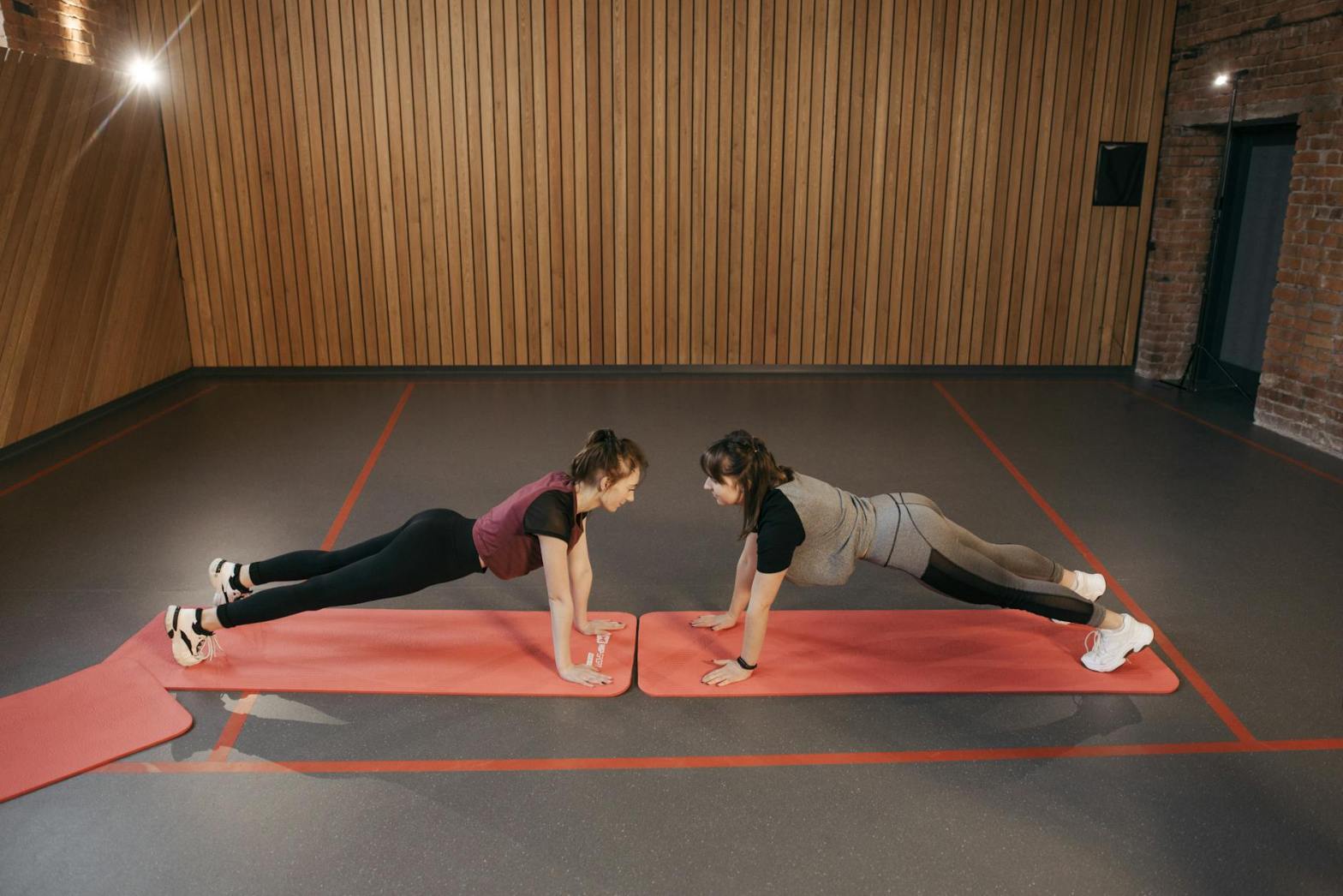
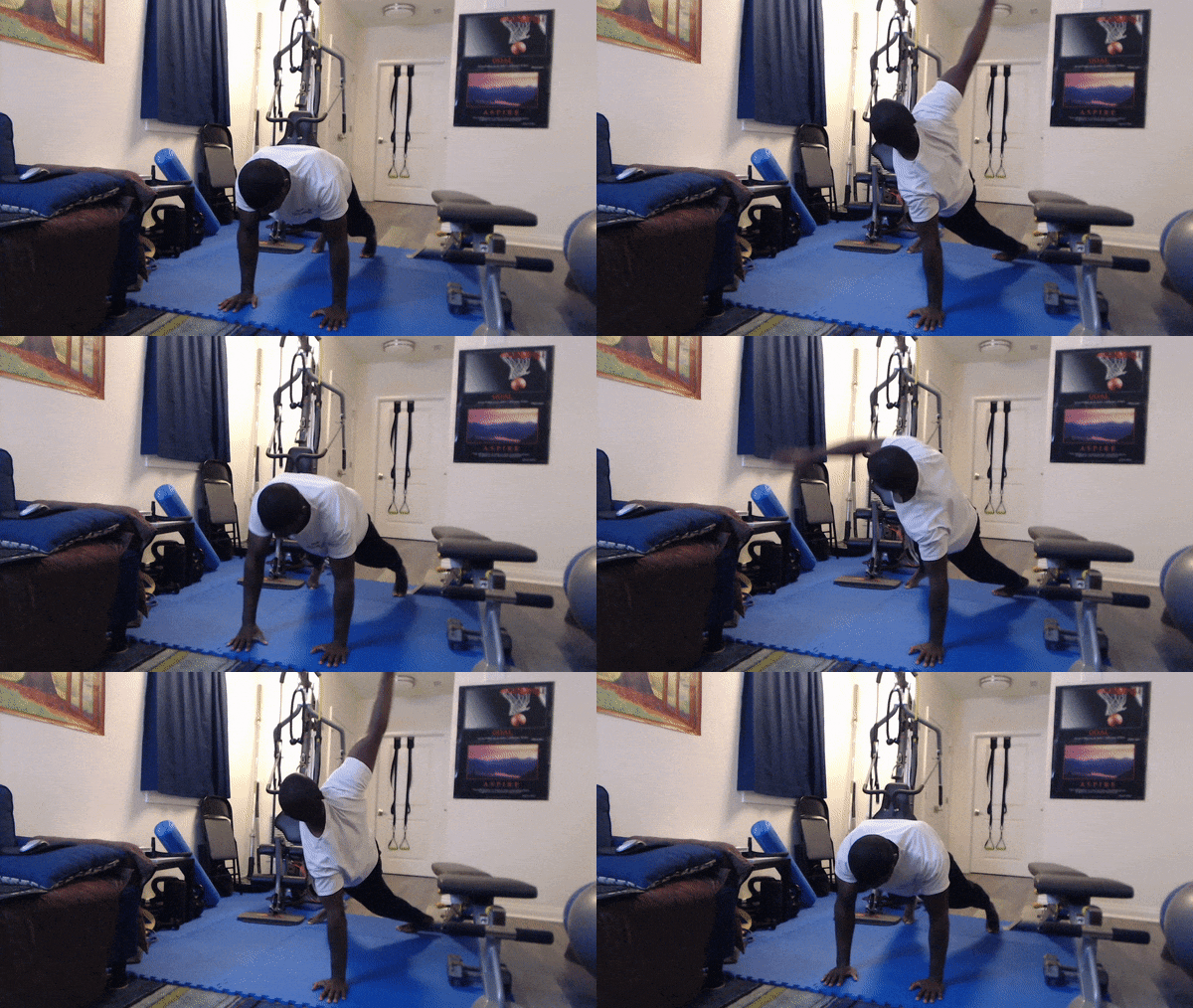
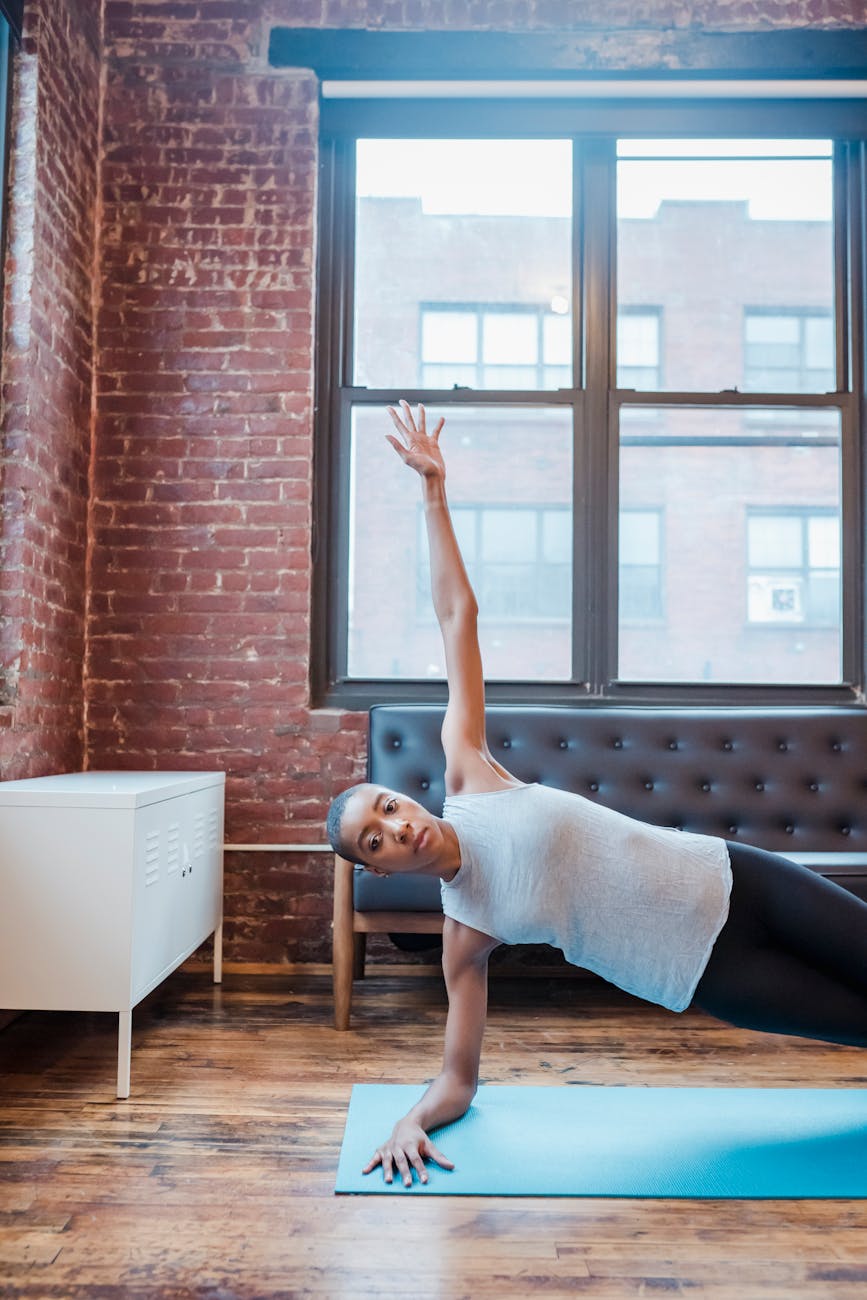
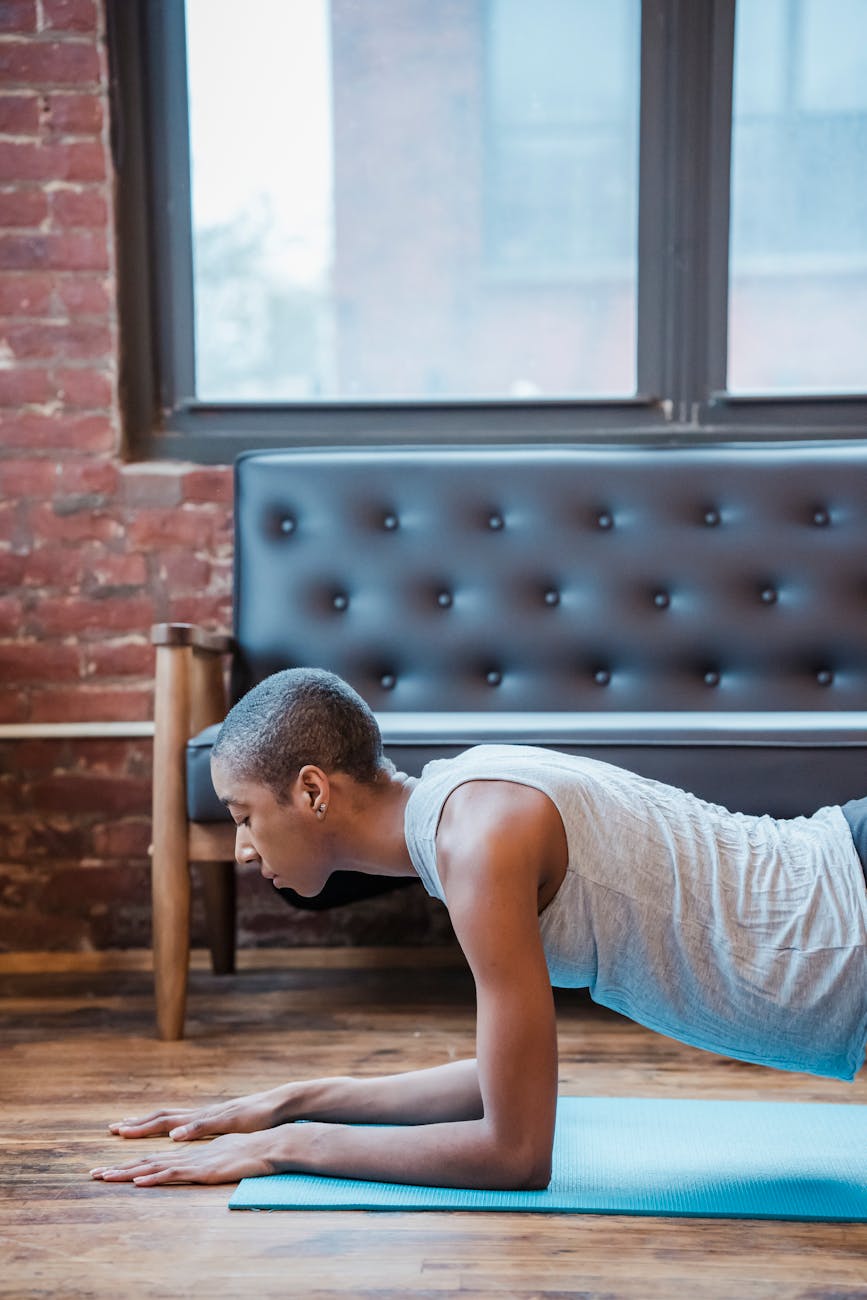
When it comes to core workouts, the plank is a classic exercise known for its effectiveness in building strength and stability. However, if you’re looking to spice up your routine and challenge your muscles in new ways, it’s time to introduce some variations. Enter the “Plank Twist”—a creative twist on the traditional plank that not only engages your core but also improves your balance and flexibility.
How to Do It
Start in Plank Position: Begin by positioning yourself in a standard plank, with your hands on the ground, directly beneath your shoulders, and your body in a straight line from head to heels.
Add the Twist: Slowly twist your hips to one side while allowing your feet to pivot slightly. Hold this position for a moment before returning to the center.
Unilateral Sides: Next, stay on the same side. Continue on the same side for a set duration, preferably for 30 seconds to a minute, then switch sides.
Benefits
The Plank Twist enhances traditional core strengthening by introducing rotational movements. This variation not only works the abdominals but also recruits the obliques, promoting a more well-rounded core workout. Moreover, the added movement can improve your overall stability and reduce the risk of injury.
Incorporating the Plank Twist into your fitness routine is an excellent way to keep your workouts fresh and your body challenged. So why not give it a try and feel the difference in your core strength?
The National Board for Health & Wellness Coaching (NBHWC) establishes comprehensive ethics guidelines to ensure the highest professional standards for health and wellness coaches. These guidelines are designed to promote integrity, safety, and respect in coaching relationships, ultimately fostering a supportive environment for clients. Below, we explore key aspects of these ethical guidelines.
Core Principles
Competence
Coaches should maintain and enhance their professional knowledge and skills. This includes engaging in ongoing education and supervision to stay updated on best practices in health and wellness coaching.
Confidentiality
Respecting client confidentiality is paramount. Coaches are obligated to protect the privacy of their clients and only disclose information with the client’s informed consent, except when required by law.
Integrity
Coaches must demonstrate honesty and integrity in their professional relationships. This includes being transparent about their qualifications, services, and coaching process.
Respect
Coaches are expected to treat their clients with respect, honoring their individuality and autonomy. This principle promotes a nonjudgmental environment conducive to personal growth.
Ethical Responsibilities
Professional Boundaries
Maintaining professional boundaries is crucial in the coaching relationship. Coaches should avoid dual relationships and conflicts of interest to ensure that the coaching process remains focused on the client’s well-being.
Informed Consent
Clients should be informed about the coaching process, including the scope of the coach’s competencies, the methods used, and the potential risks involved. This ensures that clients can make educated decisions about their engagement in the coaching process.
Cultural Competence
Coaches should acknowledge and respect the diversity of their clients’ backgrounds and experiences. This includes understanding cultural, social, and individual factors that may impact the coaching relationship.
Accountability
Coaches are accountable for their actions and decisions. They should recognize when a situation exceeds their expertise and seek appropriate referrals or collaborations when necessary.
Implementation of Ethics Guidelines
To effectively implement these guidelines, the NBHWC encourages coaches to:
Engage in continuous professional development and training.
Participate in supervision or peer support groups.
Reflect on their own practices and seek feedback to promote growth.
Familiarize themselves regularly with the guidelines and adjust their practices as necessary to maintain compliance.
Conclusion
Adhering to the NBHWC ethics guidelines is essential for fostering trust, respect, and professionalism in the health and wellness coaching field. By embracing these principles, coaches not only safeguard their clients but also enhance the credibility and integrity of the coaching profession as a whole. For those looking to pursue a career in health and wellness coaching, understanding and integrating these ethical guidelines is a fundamental step toward success!
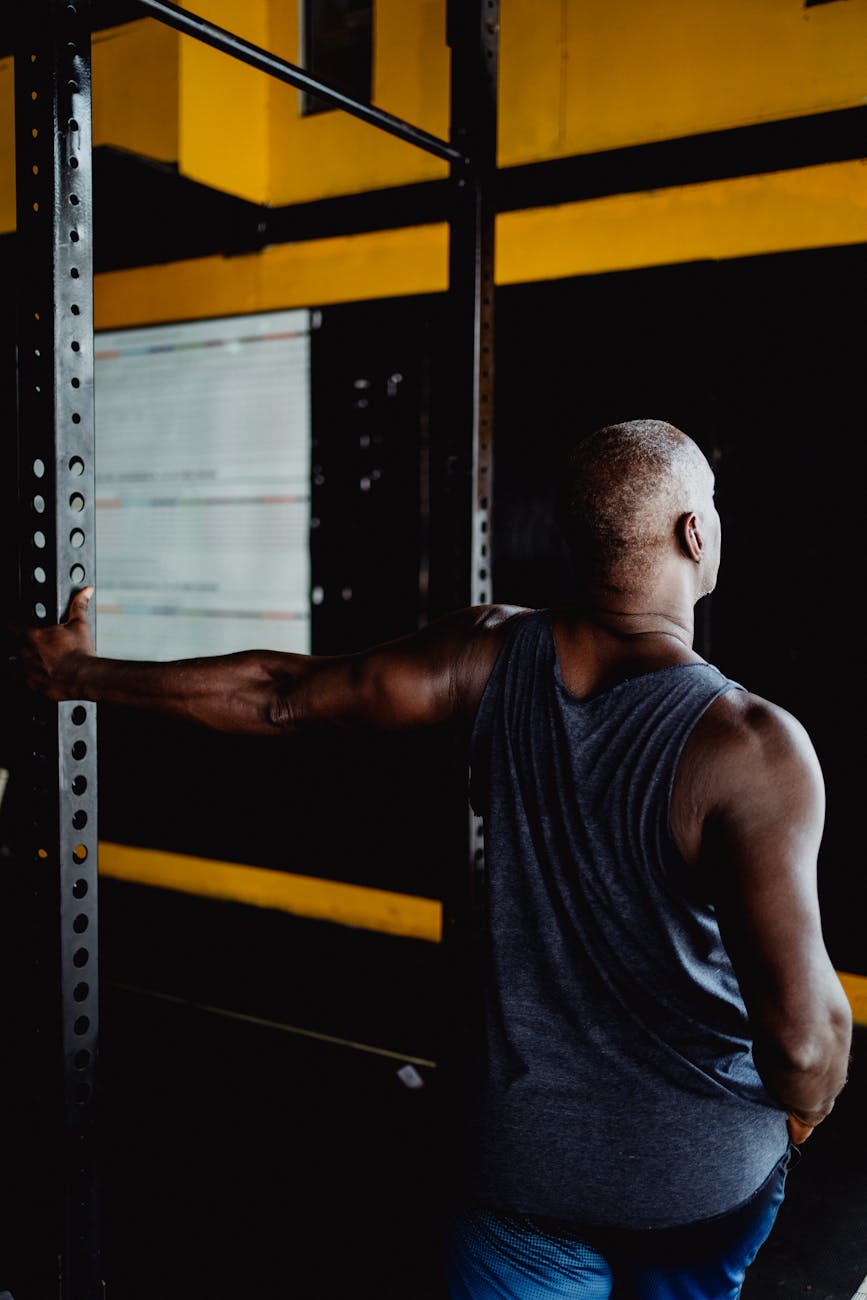
Understanding shoulder mechanics is crucial for effective treatment and prevention of shoulder pain. When assessing shoulder issues, two common terms you’ll encounter are “tight shoulders” and “loose shoulder blades.” However, differentiating between these conditions can be essential for both diagnosis and therapy.
Tight Shoulders: Signs and Symptoms
Tight shoulders often refer to tension and stiffness in the muscles surrounding the shoulder joint, particularly the upper trapezius, levator scapulae, and pectoral muscles. Common symptoms of tight shoulders include:
Limited Range of Motion: Difficulty in raising the arm or reaching overhead.
Pain and Discomfort: Localized pain in the shoulder area and potentially radiating to the neck or upper back.
Tension Headaches: Often a result of muscular tension leading to nerve irritation.
Causes of Tight Shoulders
Poor Posture: Prolonged sitting or slouching can lead to muscle imbalances.
Repetitive Activities: Jobs that require overhead work or consistent computer use can exacerbate tension.
Stress: Psychological stress can manifest physically, leading to muscle tightness.
Loose Shoulder Blades: Signs and Symptoms
On the other hand, “loose shoulder blades” typically refers to an improper positioning or instability of the scapulae (shoulder blades). This condition can lead to a lack of control during arm movements. Symptoms associated with loose shoulder blades include:
Scapular Winging: The shoulder blade protrudes excessively from the back, often visible during arm movements.
Instability: A sensation of the shoulder feeling “loose” or unstable, especially during overhead activities.
Pain During Movement: Discomfort that arises with specific movements, particularly if the scapula fails to stabilize the shoulder joint.
Causes of Loose Shoulder Blades
Weak Musculature: Insufficient strength in the muscles that support the scapula, such as the serratus anterior and lower trapezius.
Injury or Trauma: Past injuries affecting the shoulder joint or muscles may lead to instability.
Neuromuscular Conditions: Certain conditions can disrupt the coordinated activity necessary for scapular stabilization.
Clinical Orthopedic Manual Therapy Approach
From a clinical orthopedic manual therapy perspective, treatment strategies must consider whether the issue is related to tight shoulders or loose shoulder blades. Techniques may include:
Assessment: Comprehensive evaluations of shoulder mobility, strength, and posture to identify the root cause of symptoms.
Manual Therapy Techniques: Soft tissue mobilization, joint manipulation, and specific exercises tailored to target tight muscles or strengthen loose scapular stabilizers.
Exercise Rehabilitation: Customized programs that improve strength, flexibility, and coordination of the shoulder complex.
In conclusion, addressing whether the problem is tight shoulders or loose shoulder blades is vital for effective treatment planning. A thorough understanding of these two conditions allows clinicians to implement appropriate interventions, ultimately leading to improved shoulder function and a better quality of life for patients.
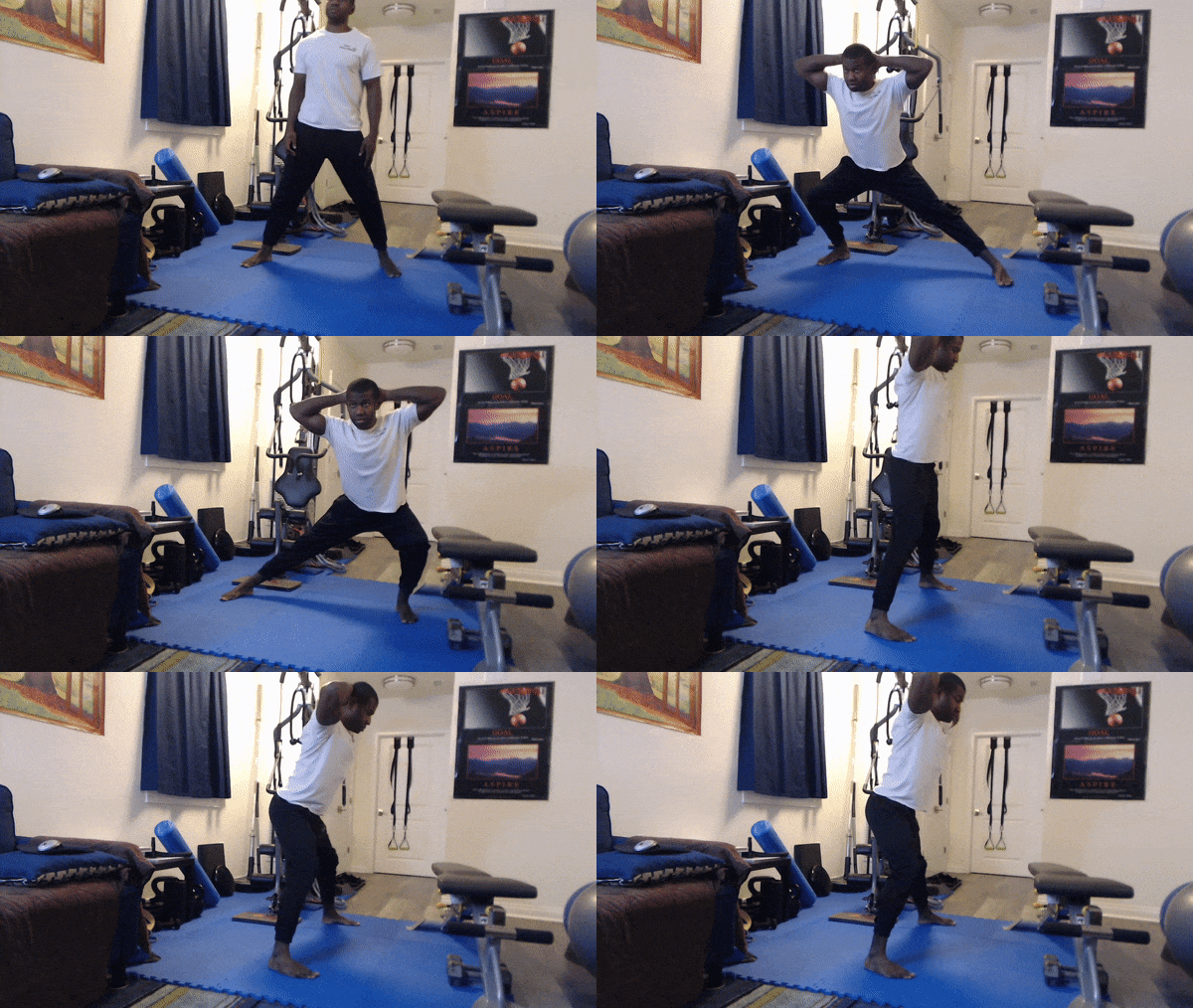
Lateral movement is an essential aspect of human mobility, playing a crucial role in various physical activities and sports. This type of movement involves shifting side to side, which engages multiple muscle groups, including the hip abductors, adductors, and core stabilizers.
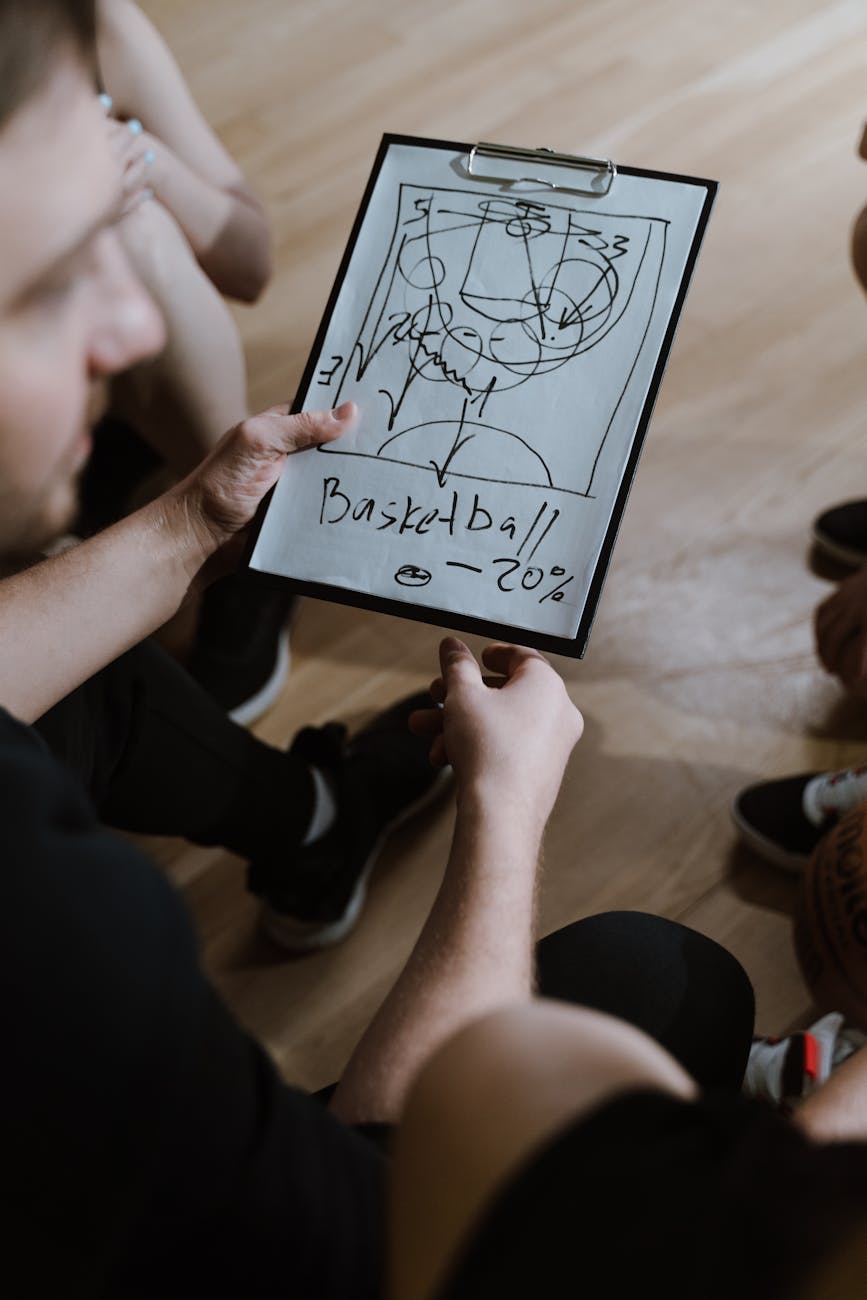
In daily life, lateral movement is necessary for activities such as walking, running, or even simple tasks like navigating through a crowded space. Athletes particularly benefit from lateral motion, as it enhances agility, balance, and coordination—key factors in sports like basketball, soccer, and tennis.
To improve lateral movement, various exercises can be incorporated into a fitness routine. Lateral lunges, side shuffles, and agility drills are effective ways to increase strength and flexibility in the muscles involved. Moreover, incorporating these movements can help prevent injuries by developing a balanced musculature and improving overall body awareness.
Understanding the importance of lateral movement is vital for anyone looking to enhance their physical performance or simply maintain a healthy lifestyle. By focusing on this often-overlooked aspect of fitness, we can cultivate a more resilient and versatile body.
Empowerment in NBHWC Coaching: Moving Beyond Compliance and Co-Dependency
In the world of health and wellness coaching, especially under the guidelines set by the National Board for Health and Wellness Coaching (NBHWC), a fundamental principle stands out: coaching is fundamentally about empowerment, not compliance and co-dependency. This shift in focus represents a transformative approach that helps clients not just follow orders, but take ownership of their health journey.
Understanding Empowerment in Coaching
Empowerment in coaching means helping clients recognize their own strengths and capabilities. It’s about fostering a sense of agency, where individuals feel capable of making informed decisions about their health and well-being. In this model, the coach acts as a facilitator, guiding clients through self-discovery and personal growth rather than simply directing them to adhere to a prescribed regimen.
The Dangers of Compliance
When coaching centers around compliance, it often creates a transactional relationship. Clients may feel obligated to follow a set of rules without understanding the rationale behind them. This approach can lead to resentment, burnout, and a lack of genuine engagement in the coaching process. Instead of lasting changes, clients might only exhibit short-term results, reverting to old habits once the coach is no longer present.
The Pitfalls of Co-Dependency
Co-dependency in coaching relationships can be detrimental both to the client and the coach. When clients become overly reliant on their coaches, they may lose sight of their own capabilities. This reliance can stifle personal growth and hinder the development of critical problem-solving skills. Healthy coaching relationships should encourage clients to become self-sufficient and resourceful, building resilience and confidence in their ability to navigate challenges.
The Role of the Coach
Coaches certified by NBHWC are trained to recognize the importance of empowerment. Here’s how they facilitate this process:
Active Listening: Coaches practice deep, attentive listening to understand clients’ needs and perspectives. This technique helps clients feel heard and validated, encouraging more open communication.
Goal Setting: Rather than imposing goals, coaches collaborate with clients to set personalized, achievable goals that resonate with their unique values and priorities. This partnership fosters a sense of ownership over their health journey.
Encouraging Self-Reflection: Effective coaching involves asking open-ended questions that prompt clients to reflect on their choices, beliefs, and behaviors. This reflection helps clients identify areas for change and empowers them to take actionable steps.
Celebrating Successes: Acknowledging both small and significant achievements reinforces clients’ sense of agency. Celebrating progress boosts motivation and further solidifies their commitment to personal growth.
The Transformative Impact of Empowerment
When coaching prioritizes empowerment, clients often experience profound transformations. They become more engaged in their health, exhibit greater emotional resilience, and cultivate a deeper connection to their well-being. This empowerment not only leads to improved health outcomes but also fosters a sustainable, fulfilling lifestyle.
Conclusion
In conclusion, NBHWC coaching thrives on the principles of empowerment, steering clear of compliance and co-dependency. By fostering a collaborative relationship grounded in trust and understanding, coaches can help clients unlock their potential and take charge of their lives. This holistic approach leads to more meaningful and lasting change, advocating for a healthier, more self-directed future.
Experiencing low back pain can be both frustrating and debilitating, often impacting daily activities and overall quality of life. One potential culprit behind this discomfort is the quadratus lumborum (QL), a muscle located in the lower back that plays a critical role in stabilizing the pelvis and spine.
The quadratus lumborum connects the lower ribs and lumbar vertebrae to the iliac crest of the pelvis. When it becomes tight or strained, it can lead to pain and discomfort in the lower back. This may be caused by various factors, including prolonged sitting, poor posture, or even strenuous physical activities.
Identifying whether your low back pain is related to the quadratus lumborum can be the first step toward relief. Common symptoms of QL issues may include localized pain on one side of the lower back, (usually the right) difficulty standing up straight, or a restricted range of motion. If you suspect that your discomfort originates from this muscle, stretching and strengthening exercises specifically targeting the QL can be beneficial.
Incorporating regular movement (walking), practicing good posture (don’t sit for too long), and addressing any muscle imbalances (planking) can help prevent further issues. If pain persists, consulting with a clinical healthcare professional (physical therapist) for a comprehensive assessment and tailored treatment plan is recommended. Sometimes the QL is so short and weak that the use of a TENS unit might be needed.
Taking care of your quadratus lumborum not only alleviates pain but also enhances overall back health. Don’t let low back pain hold you back—understand your body and reclaim your mobility!
The TGU Side Bend, or Turkish Get-Up Side Bend, is an innovative and effective exercise that builds strength, flexibility, and core stability. It’s derived from the traditional Turkish Get-Up, a full-body movement that has gained popularity in the fitness community for its ability to engage multiple muscle groups simultaneously.
During the TGU Side Bend, the movement stretches and strengthens the obliques and lateral muscles, enhancing your functional movement patterns. Incorporating this exercise into your routine can improve your posture, balance, coordination, and core strength, making it an essential addition to any workout regimen.
Whether you’re an experienced lifter or just starting your fitness journey, the TGU Side Bend offers a dynamic way to challenge and strengthen your body. Give it a try and experience the benefits firsthand!
Understanding the Certified NBHWC Coaching Process
The NBHWC (National Board for Health & Wellness Coaching) coaching process is a structured approach designed to support individuals in achieving their health and wellness goals. This process encompasses several stages, ensuring that coaching is personalized, effective, and results-oriented. Here’s a detailed overview of the key components of the NBHWC coaching process.
1. Initial Assessment
The coaching journey begins with an initial assessment. During this stage, the coach and client work together to identify the client’s current health status, lifestyle habits, and specific goals. This assessment often includes discussions about the client’s medical history, challenges faced, and personal aspirations. The goal is to establish a clear baseline from which progress can be measured.
2. Goal Setting
Once the initial assessment is complete, the next step is goal setting. The coach helps the client articulate realistic and achievable health and wellness goals. These goals should be specific, measurable, attainable, relevant, and time-bound (SMART). By collaborating on goal setting, the client feels empowered and motivated to work towards their desired outcomes.
3. Developing a Personalized Plan
After establishing goals, the coach and client co-create a personalized plan that outlines the strategies and actions needed to achieve those goals. This plan often incorporates various elements such as diet guidance, exercise routines, stress management techniques, and behavior modification strategies. It is tailored to fit the client’s preferences, lifestyle, and unique circumstances.
4. Implementation
With a personalized plan in place, the next phase is implementation. The coach provides ongoing support and encouragement as the client begins to make changes in their lifestyle. This may include regular check-ins, accountability measures, and adjustments to the plan as necessary. The implementation stage is crucial for building sustainable habits and fostering long-term success.
5. Monitoring Progress
Throughout the coaching process, monitoring progress is essential. Coaches regularly evaluate the client’s advancements toward their goals, making adjustments to the plan as needed. This stage involves reflecting on successes and challenges, celebrating milestones, and addressing any obstacles that may arise. Continuous monitoring helps keep clients motivated and accountable.
6. Reflection and Adjustment
As clients progress, reflection becomes a vital component of the process. This stage allows clients and coaches to assess what strategies are working, what needs improvement, and how to refine goals if necessary. By regularly reflecting on their journey, clients can gain insights into their behaviors and motivations, leading to deeper personal growth.
7. Sustaining Long-term Change
The ultimate goal of the NBHWC coaching process is to help clients achieve sustainable lifestyle changes that last beyond the coaching relationship. Coaches equip clients with the tools and skills needed to maintain their progress independently. This may involve teaching self-coaching techniques, mindfulness practices, and strategies for overcoming potential setbacks.
Conclusion
The NBHWC coaching process is a comprehensive framework designed to empower individuals on their wellness journeys. By utilizing a structured approach that emphasizes personal assessment, goal setting, and ongoing support, health coaches play a pivotal role in helping clients make lasting changes. Understanding this process can inspire individuals to take proactive steps towards enhancing their health and overall well-being.
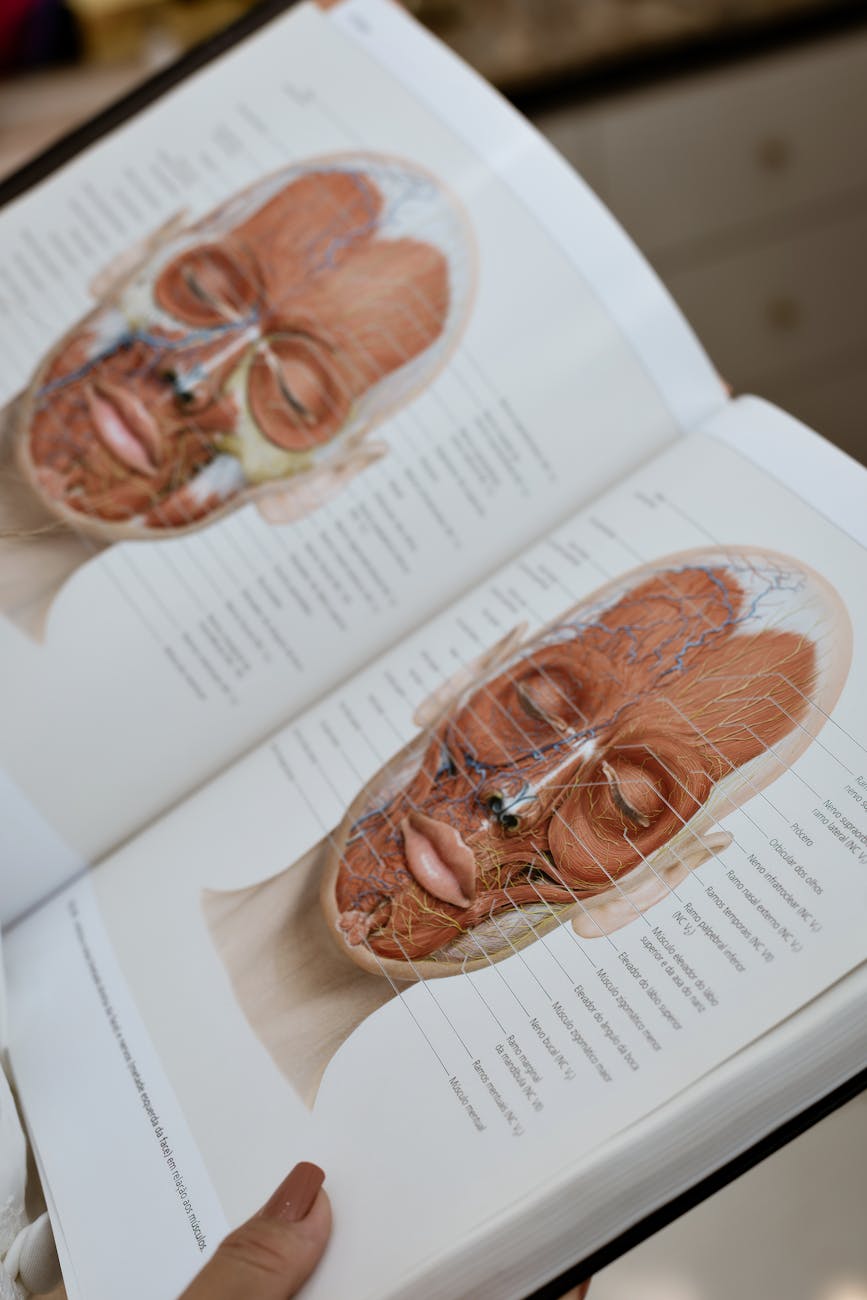
The human body is an intricate and fascinating structure, home to an impressive number of muscles. In total, there are over 600 muscles that work in harmony to facilitate movement, maintain posture, and support various bodily functions.
These muscles can be categorized into three main types: skeletal muscles, which are attached to bones and allow voluntary movements; smooth muscles, found in internal organs, enabling involuntary contractions; and cardiac muscles, unique to the heart, responsible for pumping blood throughout the body.
Understanding the muscular system not only highlights the complexity of human anatomy but also emphasizes the importance of maintaining muscle health through regular exercise and proper nutrition. So next time you move, take a moment to appreciate the incredible muscle power that makes it all possible!
Photo by Laura Villela Beauty Designer | Brasil on Pexels.com













 firstfitness1.com