
Introduction
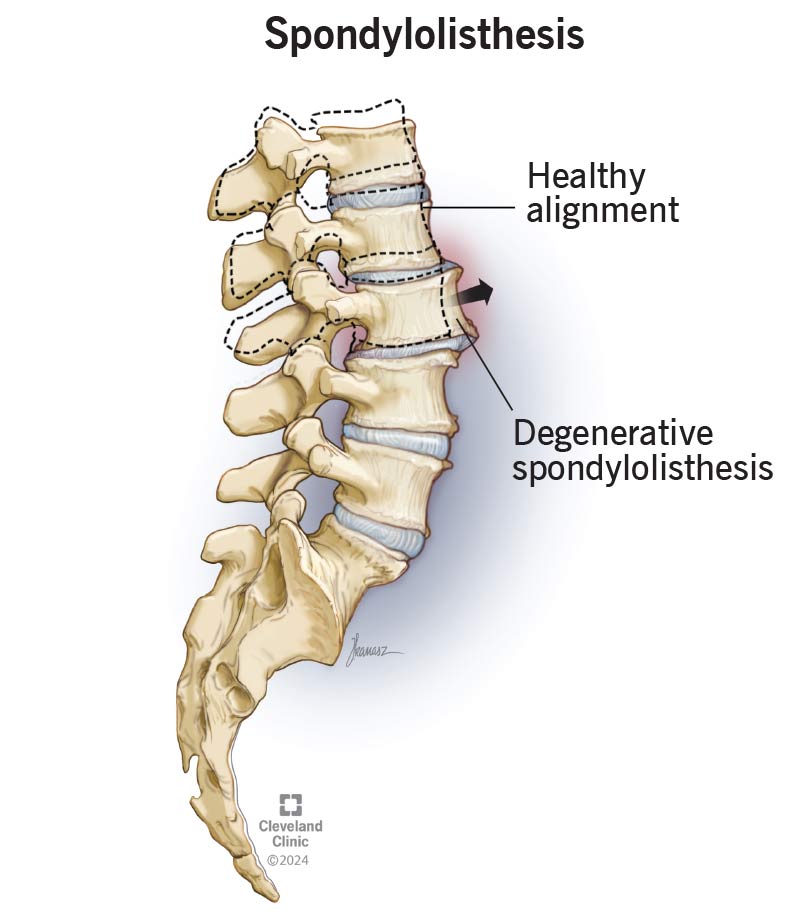
Spondylolisthesis is a medical condition characterized by the displacement or slippage of a vertebra in the spine. This often affects the lower back and can lead to various symptoms, including pain, numbness, and muscular weakness. Understanding the causes, symptoms, diagnosis, and treatment options for spondylolisthesis is essential for managing this condition effectively.
Causes

Spondylolisthesis can be categorized into several types based on its cause:
- Congenital Spondylolisthesis: This form is present at birth and arises from a defect in the spinal anatomy.
- Isthmic Spondylolisthesis: Often due to stress fractures in the vertebra, this type is commonly seen in athletes who participate in sports that put excessive stress on the lower back.
- Degenerative Spondylolisthesis: More common in older adults, this occurs as the spine degenerates with age, leading to a weakening of the supporting structures.
- Traumatic Spondylolisthesis: Resulting from a traumatic injury, this type involves fractures from accidents or falls.
- Pathological Spondylolisthesis: This is linked with diseases such as osteoporosis, where weakened bones can lead to displacement.
Symptoms
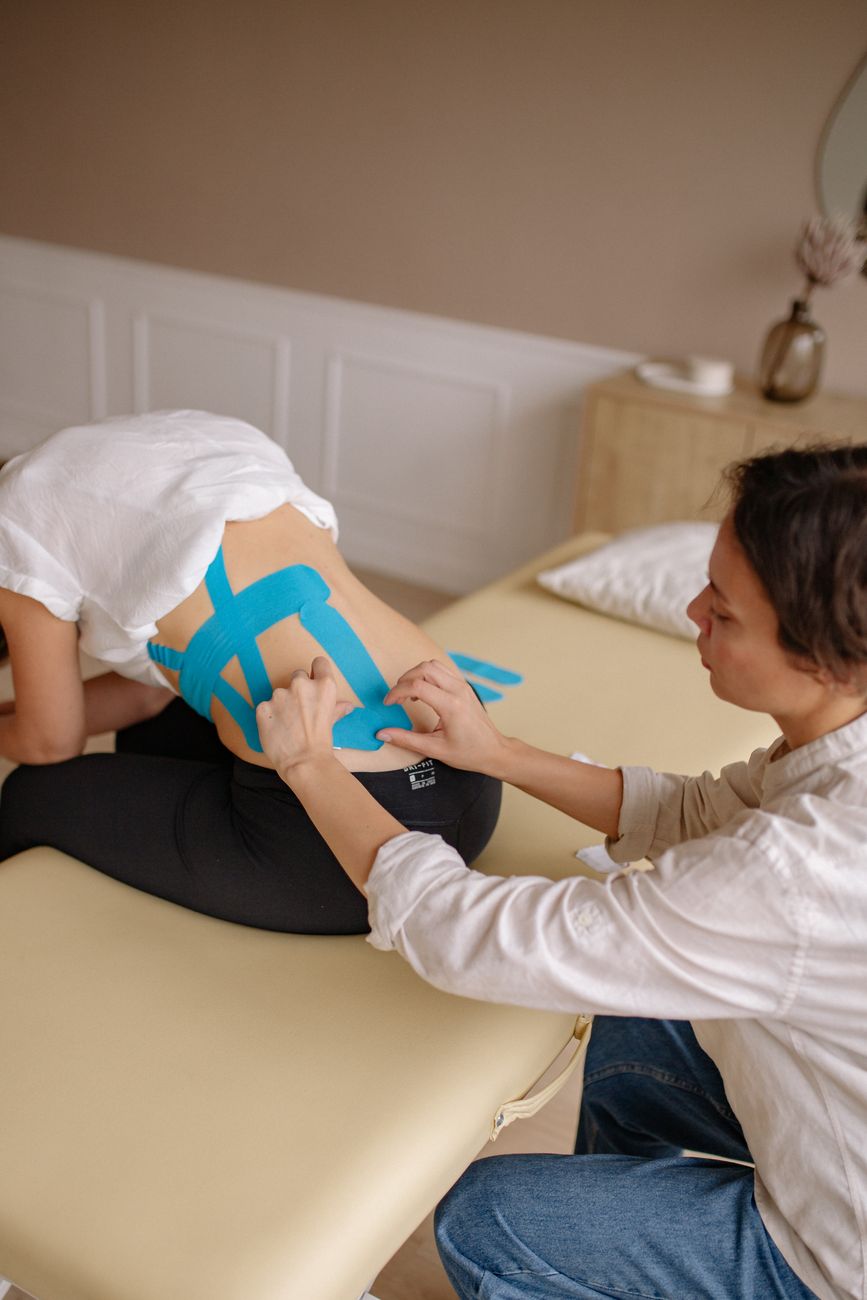
Symptoms of spondylolisthesis can vary widely depending on the severity of the slippage and the nerve involvement. Common symptoms include:
- Lower back pain: The most prevalent symptom, often aggravated by certain movements or prolonged standing.
- Radiating pain: Pain may extend into the buttocks, legs, or feet, particularly if nerve roots are compressed.
- Numbness or tingling: Sensations may occur in the legs or feet due to nerve compression.
- Muscle weakness: Some individuals may experience weakness in the lower limbs.
- Changes in posture: A forward shift in the pelvis may lead to alterations in posture and gait.
Diagnosis

Diagnosis of spondylolisthesis typically involves a combination of medical history, physical examinations, and imaging tests. Physicians will often conduct:
- Physical Examination: Checking for back pain, posture, and nerve function.
- X-rays: These images can reveal vertebral displacement.
- MRI or CT Scans: More detailed imaging to assess nerve involvement and other spinal issues.
Treatment

The treatment approach for spondylolisthesis depends on the severity of the condition and the presence of symptoms. Options may include:
- Conservative Treatment:
- Rest and Activity Modification: Limiting activities that exacerbate pain.
- Physical Therapy: Aimed at strengthening the back and abdominal muscles.
- Pain Management: Use of NSAIDs or corticosteroid injections to alleviate pain and inflammation.
- Surgical Treatment: In cases of severe slippage or nerve compression, surgery may be necessary. Procedures may involve spinal fusion to stabilize the vertebrae or decompression surgery to relieve pressure on nerves.

Conclusion
Spondylolisthesis is a significant condition that can lead to chronic pain and disability if not treated appropriately. Early diagnosis and a tailored treatment plan are essential for improving outcomes. Patients are encouraged to seek medical attention if they experience symptoms associated with this condition, allowing for timely intervention and management strategies to enhance their quality of life.
- 6 Month Program
- Bibliography
- Contact/Inquiry
- LEARN
- Privacy Policy
- Reviews
- Terms and Agreements
- Ramat
- Your Local Trainer a Living Room Away
- Thank You


