Confidence?

Understanding Confidence According to NBHWC

Confidence is a vital attribute that plays a significant role in personal development and overall well-being. The National Board for Health and Wellness Coaching (NBHWC) offers a comprehensive definition of confidence that is crucial for aspiring health and wellness coaches.

What is Confidence?

According to the NBHWC, confidence is defined as the belief in one’s abilities and judgment. This belief enables individuals to take action and pursue their goals with a sense of assurance. It involves trusting oneself and recognizing one’s strengths, which ultimately influences how one interacts with others and tackles challenges in both personal and professional settings.

The Importance of Confidence in Coaching

In the realm of health and wellness coaching, confidence is not just about self-assurance; it is about instilling belief in clients as well. A confident coach can inspire and motivate clients to set and achieve their health goals, fostering an environment of growth and transformation. This connection creates a supportive partnership, making confidence an essential element in the coaching relationship.

Building Confidence

The NBHWC emphasizes that confidence can be cultivated through various means, including:

  • Education and Training: Gaining knowledge and skills through formal education and practical experiences enhances competence and boosts confidence.
  • Setting Realistic Goals: Breaking down large objectives into achievable steps can help build a sense of accomplishment, reinforcing self-belief.
  • Positive Reinforcement: Encouragement and support from peers and mentors can significantly influence one’s confidence levels.
  • Self-Reflection: Regularly evaluating one’s progress and recognizing achievements, both big and small, can strengthen self-assurance.

Conclusion

Confidence, as defined by the NBHWC, is a cornerstone of effective health and wellness coaching. By developing confidence in themselves and their clients, coaches can create a motivating environment that supports positive health outcomes. In the journey of personal and professional growth, embracing confidence is essential for achieving lasting success.


Myofascial Trains?

Understanding Myofascial Trains

Myofascial trains refer to the interconnected lines of fascia in the body that influence movement and posture. Fascia is the connective tissue that surrounds and supports muscles, organs, and other structures. Understanding these trains can enhance our approach to bodywork, exercise, and overall wellness.

The concept of myofascial trains suggests that movement is not just localized; instead, it occurs along specific pathways within the fascial system. These pathways can affect how we carry out daily activities, respond to injuries, and maintain our overall well-being.

By recognizing the myofascial trains in our bodies, practitioners and individuals can create targeted strategies for improving flexibility, strength, and injury prevention. Techniques such as myofascial release, stretching, and proper exercise can help release tension along these lines, promoting better movement patterns and reducing pain.

Incorporating an understanding of myofascial trains into your wellness routine can lead to a more profound and integrated approach to body care, ensuring that all aspects of movement are functioning harmoniously.

How does exercise heal the body?

Exercise plays a crucial role in healing and maintaining the body in various ways. Firstly, it promotes blood circulation, which enhances the delivery of oxygen and nutrients to tissues, facilitating recovery. Regular physical activity strengthens the heart and improves cardiovascular health, reducing the risk of chronic diseases.

Moreover, exercise stimulates the release of endorphins, the body’s natural painkillers, which can improve mood and reduce feelings of stress and anxiety. This emotional uplift can also support the healing process by fostering a positive mindset.

Additionally, engaging in physical activities can enhance flexibility, strength, and coordination, thus preventing injuries in the future. It can also aid in weight management and improve sleep quality, both of which are essential for overall health and recovery.

In summary, incorporating regular exercise into your routine not only helps heal the body but also boosts your mental well-being, laying the groundwork for a healthier lifestyle.

You are what you eat!

The Impact of Food on Our Lives

We’ve all heard the saying, “You are what you eat.” This phrase goes beyond mere nutrition; it encapsulates the idea that the food we consume shapes not only our physical health but also our mental well-being and identity.

When we nourish our bodies with wholesome, nutrient-dense foods, we often feel more energetic, focused, and optimistic. Conversely, a diet high in processed foods can lead to feelings of lethargy and irritability. The connection between our diet and mental health is increasingly supported by research, highlighting the significant role that food plays in our emotional stability.

Moreover, our dietary choices can also reflect our values and lifestyles. Whether it’s opting for organic, plant-based options, or indulging in comfort food during tough times, what we eat tells a story about who we are.

In essence, being mindful of our eating habits can enhance not only our health but also our quality of life. So, the next time you sit down for a meal, remember the importance of choosing foods that truly nourish you – mind, body, and spirit. After all, your plate is a reflection of you!

Photo by Ron Lach on Pexels.com

Focused?

What’s Your Focus?

In today’s fast-paced world, it’s easy to get distracted by the constant influx of information and demands on our attention. Establishing a clear focus is essential for both personal and professional growth.

Finding your focus involves identifying what truly matters to you. Take the time to reflect on your passions, goals, and priorities. Are you striving for career advancement, personal development, or improved relationships? Once you’ve pinpointed these areas, you can channel your energy into making meaningful progress.

Creating a structured approach can also enhance your focus. Set specific, achievable goals and break them down into actionable steps. Utilize tools like to-do lists or time management apps to keep track of your tasks and stay organized. Remember, it’s not about doing more but doing what matters most.

Ultimately, maintaining your focus is a continual process. Regularly revisit your priorities, adjust as needed, and stay committed to your path. By honing in on your focus, you empower yourself to lead a more intentional and fulfilling life.

Myofascial release?

Understanding Myofascial Release: A Path to Pain Relief

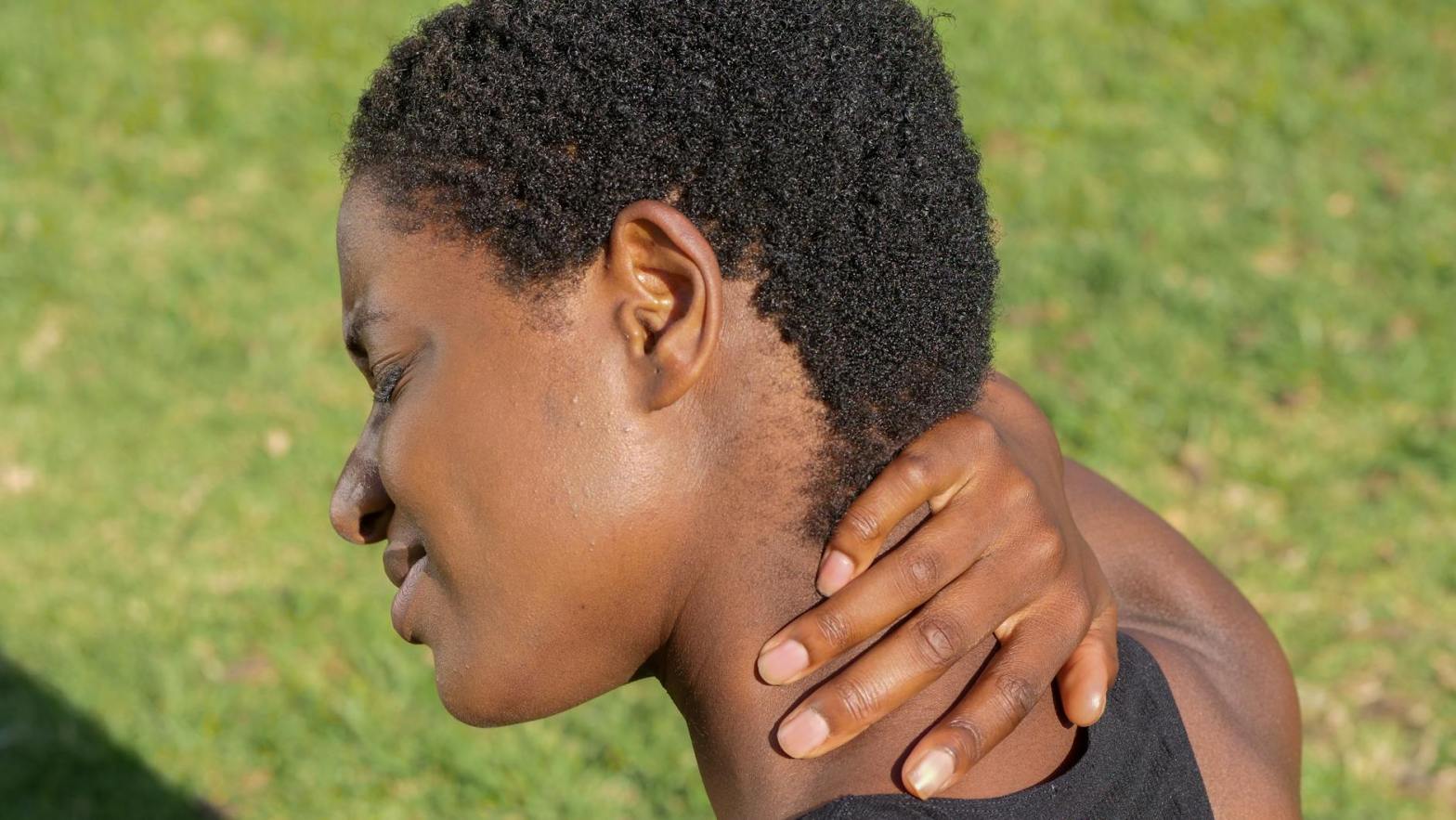
Myofascial release is a therapeutic technique designed to alleviate pain and restore mobility by addressing the myofascial tissue – the thin casing of connective tissue that wraps around muscles, bones, and organs in the body. Often, stress, injury, or poor posture can lead to the tightening of this tissue, resulting in discomfort and restricted movement.

The process of myofascial release involves applying gentle, sustained pressure to these areas of tightness. This not only helps to release tension but also encourages blood flow and cellular regeneration, promoting natural healing. It’s commonly used in various settings, including physical therapy, chiropractic care, and massage therapy.

Individuals suffering from conditions like chronic pain or sports injuries may find significant relief through myofascial release. As with any therapeutic approach, it’s essential to consult with a healthcare professional to determine if this technique is suitable for your specific needs.

Incorporating myofascial release into your wellness routine can lead to enhanced flexibility, improved posture, and a greater sense of overall well-being.

Photo by http://www.kaboompics.com on Pexels.com

How does your Core Work?

Understanding the Human Core: The Center of Stability and Strength

The human core is often recognized as a fundamental aspect of physical fitness and overall health. However, its importance goes well beyond just aesthetics or the ability to perform a perfect plank. The core is crucial for stability, balance, and functionality in everyday movements. In this post, we will explore what the core is, its anatomy, and how it contributes to our overall well-being.

What is the Core?

The core refers to a group of muscles located in the center of the body, extending from the pelvis to the ribcage. These muscles include:

  • Rectus abdominis
  • Transverse abdominis
  • Internal and external obliques
  • Erector spinae
  • Multifidus
  • Diaphragm
  • Pelvic floor muscles

Together, these muscles work in harmony to stabilize the spine and pelvis, providing a solid base for all types of movement.

The Role of the Core in Stability

The core’s primary function is to stabilize the spine and pelvis during movement. This stabilization is essential for maintaining good posture, preventing injuries, and enhancing athletic performance. With a strong core, individuals can better control their movements, whether they’re running, lifting, or participating in sports.

How the Core Affects Daily Activities

A well-functioning core has a significant impact on daily activities. For example:

  • Walking and Running: A strong core aids in maintaining proper posture and alignment, which reduces the risk of injury and enhances efficiency during these activities.
  • Lifting and Carrying: Engaging the core helps to protect the lower back and distribute the weight evenly, making lifting safer and more effective.
  • Balance and Stability: Whether standing, sitting, or moving, a strong core contributes to balance and stability, reducing the likelihood of falls and injuries.

Exercises to Strengthen the Core

To maintain and improve core strength, incorporating exercises into your routine is essential. Here are a few effective core-strengthening exercises:

  1. Plank: A classic core exercise that engages multiple muscle groups. Hold a plank position, ensuring your body is in a straight line from head to heels.
  2. Dead Bug: Lie on your back with your arms extended towards the ceiling, and your knees bent at a 90-degree angle. Slowly lower one arm and the opposite leg towards the floor, then return to the starting position.
  3. Bird Dog: Starting on all fours, extend one arm and the opposite leg while maintaining a stable core, then switch.
  4. Glute Bridge: Lie on your back with your knees bent and feet flat on the ground. Lift your hips towards the ceiling while engaging your glutes and core.

Conclusion

Understanding how the human core works is essential for anyone looking to improve their physical health and overall well-being. A strong core not only enhances athletic performance but also supports daily activities and reduces the risk of injury. Incorporating core-strengthening exercises into your fitness routine can lead to a more stable, balanced, and healthier body. Start building your core strength today and experience the difference it can make in your life!

What’s your Vision?

Having a clear vision is essential for guiding our personal and professional lives. It’s the compass that directs our actions and decisions, helping us stay focused on our goals. Whether it’s envisioning a future filled with success in our careers, dreaming of making a positive impact in our communities, or imagining a fulfilled personal life, defining our vision sets the stage for meaningful progress.

To cultivate a powerful vision, take time to reflect on what truly matters to you. Consider your passions, values, and aspirations. Write down your thoughts and visualize what success looks like in different areas of your life. By crafting a vivid and specific vision, you create a roadmap that not only inspires you but also helps navigate challenges along the way.

Remember, a vision is not a static image; it can evolve as you grow and gain new experiences. Regularly revisiting and refining your vision allows you to adapt to changes and stay aligned with your true self. Embrace the journey of discovering and pursuing your vision, and watch as it transforms your life for the better.

Photo by RDNE Stock project on Pexels.com

Training Legs? Start here!

Photo by Andrea Piacquadio on Pexels.com
Featured Post
Photo by Daria Rem on Pexels.com

The Squat

When I was younger I loved working upper body, but totally ignored my lower body. I knew about 30 different ways to curl a dumbbell but knew diddly-squat about legs. One would think squatting is the most natural thing to do, and it is, case in point, look to the left! It is the most natural thing in the world for a child to do. In many parts of the world a deep squat is a way to a break. It is so functional even grandmothers in most parts of the world can still preform a deep squat without “falling and can’t get up”. So in college, after several years of working on my upper body before hand, I decided now was a good time to strengthen my legs. Naturally I thought I would start in the gym. Enter the hack squat and say hello to patella femoral syndrome. It only took one set and that was it. After years of accomplished lifting, I injured myself at my first attempt to strengthen my legs. I was devastated and lost… If you have ever felt that way, then what I am about to say next is for you. When starting any exercise regimen, start with body weight exercises first! Get used to the way your body moves without resistance before loading up the plates. It doesn’t matter if you know your way around the gym. If you have never done the exercise before, start light before you go heavy. By doing so, you will teach your body to build the correct form into your muscle memory. If you want to strengthen your legs try the air squat. It is the most basic and overlooked exercise because it is something we do everyday. Every time you get out of a chair you do an air squat. That makes the air squat a functional part of your exercise regimen. Challenge yourself to a 3 min chair squat a day for 6 months. Start slow and as you build muscle memory over the coming weeks you will pick up speed.

The missing link to your squat?

Have you ever wondered how some people can squat with an upright torso? And you can’t??? For those of us that sit all day for work or school and those that sit for leisure, the sedentary lifestyle is seen as the new smoking. Our calf’s get tight and reduce our ankle mobility. Our hips get tight and the constant rounding of the low back causes stiffness. Then we go to the gym and wonder why we can’t squat. But what if I told you that the key to unlocking your squat was ankle flexion. You might not realize it but ankle dorsiflexion is responsible for the upright torso in a squat…

woman in pink shirt on brown armchair in a squatting position
Photo by KoolShooters on Pexels.com

“Additional research when looking at the barbell back squat has shown that there was a significant relationship between greater ankle mobility and a more upright torso in a parallel squat position (24). A parallel squat in this study was defined as when the hip markers of the subject became lower than the average height of the knee markers when analyzed through 8 Qualisys ProReflex MCU 1,000 cameras and Qualisys Track Manager v.2.9 (24).” LaPlaca, David A. PhD, CSCS1; Seedman, Joel PhD, CSCS2. “The Importance of the Foot and Ankle in Athletic Performance”. Strength and Conditioning Journal: June 2021 – Volume 43 – Issue 3 – p 67-79 doi: 10.1519/SSC.0000000000000598. Accessed 7 October 2021