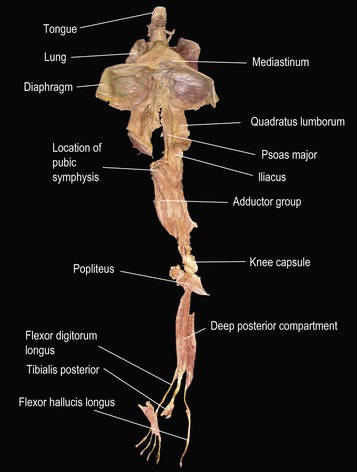

Experiencing low back pain can be both frustrating and debilitating, often impacting daily activities and overall quality of life. One potential culprit behind this discomfort is the quadratus lumborum (QL), a muscle located in the lower back that plays a critical role in stabilizing the pelvis and spine.
The quadratus lumborum connects the lower ribs and lumbar vertebrae to the iliac crest of the pelvis. When it becomes tight or strained, it can lead to pain and discomfort in the lower back. This may be caused by various factors, including prolonged sitting, poor posture, or even strenuous physical activities.
Identifying whether your low back pain is related to the quadratus lumborum can be the first step toward relief. Common symptoms of QL issues may include localized pain on one side of the lower back, (usually the right) difficulty standing up straight, or a restricted range of motion. If you suspect that your discomfort originates from this muscle, stretching and strengthening exercises specifically targeting the QL can be beneficial.
Incorporating regular movement (walking), practicing good posture (don’t sit for too long), and addressing any muscle imbalances (planking) can help prevent further issues. If pain persists, consulting with a clinical healthcare professional (physical therapist) for a comprehensive assessment and tailored treatment plan is recommended. Sometimes the QL is so short and weak that the use of a TENS unit might be needed.
Taking care of your quadratus lumborum not only alleviates pain but also enhances overall back health. Don’t let low back pain hold you back—understand your body and reclaim your mobility!
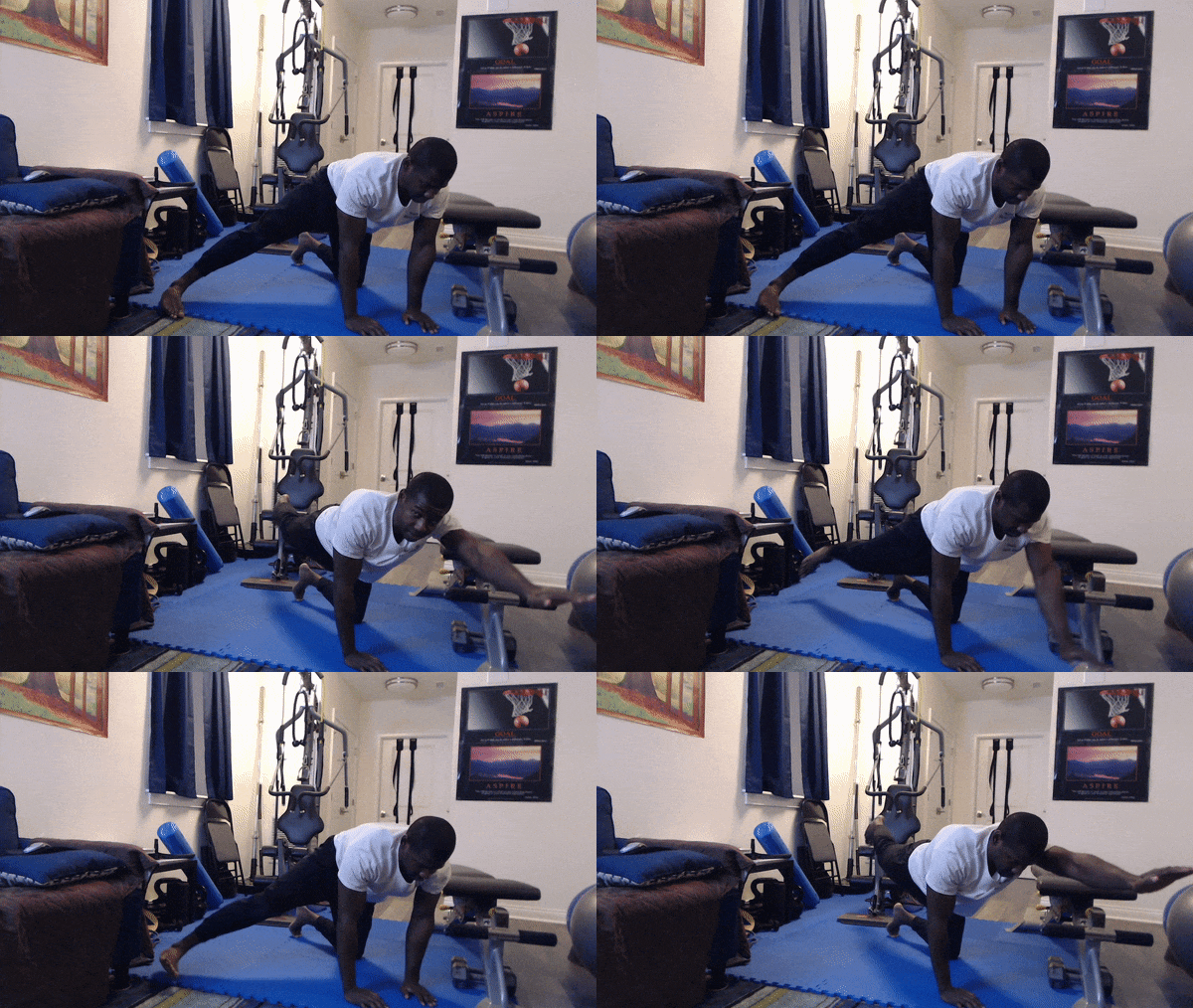
The TGU Side Bend, or Turkish Get-Up Side Bend, is an innovative and effective exercise that builds strength, flexibility, and core stability. It’s derived from the traditional Turkish Get-Up, a full-body movement that has gained popularity in the fitness community for its ability to engage multiple muscle groups simultaneously.
During the TGU Side Bend, the movement stretches and strengthens the obliques and lateral muscles, enhancing your functional movement patterns. Incorporating this exercise into your routine can improve your posture, balance, coordination, and core strength, making it an essential addition to any workout regimen.
Whether you’re an experienced lifter or just starting your fitness journey, the TGU Side Bend offers a dynamic way to challenge and strengthen your body. Give it a try and experience the benefits firsthand!
Understanding the Certified NBHWC Coaching Process
The NBHWC (National Board for Health & Wellness Coaching) coaching process is a structured approach designed to support individuals in achieving their health and wellness goals. This process encompasses several stages, ensuring that coaching is personalized, effective, and results-oriented. Here’s a detailed overview of the key components of the NBHWC coaching process.
1. Initial Assessment
The coaching journey begins with an initial assessment. During this stage, the coach and client work together to identify the client’s current health status, lifestyle habits, and specific goals. This assessment often includes discussions about the client’s medical history, challenges faced, and personal aspirations. The goal is to establish a clear baseline from which progress can be measured.
2. Goal Setting
Once the initial assessment is complete, the next step is goal setting. The coach helps the client articulate realistic and achievable health and wellness goals. These goals should be specific, measurable, attainable, relevant, and time-bound (SMART). By collaborating on goal setting, the client feels empowered and motivated to work towards their desired outcomes.
3. Developing a Personalized Plan
After establishing goals, the coach and client co-create a personalized plan that outlines the strategies and actions needed to achieve those goals. This plan often incorporates various elements such as diet guidance, exercise routines, stress management techniques, and behavior modification strategies. It is tailored to fit the client’s preferences, lifestyle, and unique circumstances.
4. Implementation
With a personalized plan in place, the next phase is implementation. The coach provides ongoing support and encouragement as the client begins to make changes in their lifestyle. This may include regular check-ins, accountability measures, and adjustments to the plan as necessary. The implementation stage is crucial for building sustainable habits and fostering long-term success.
5. Monitoring Progress
Throughout the coaching process, monitoring progress is essential. Coaches regularly evaluate the client’s advancements toward their goals, making adjustments to the plan as needed. This stage involves reflecting on successes and challenges, celebrating milestones, and addressing any obstacles that may arise. Continuous monitoring helps keep clients motivated and accountable.
6. Reflection and Adjustment
As clients progress, reflection becomes a vital component of the process. This stage allows clients and coaches to assess what strategies are working, what needs improvement, and how to refine goals if necessary. By regularly reflecting on their journey, clients can gain insights into their behaviors and motivations, leading to deeper personal growth.
7. Sustaining Long-term Change
The ultimate goal of the NBHWC coaching process is to help clients achieve sustainable lifestyle changes that last beyond the coaching relationship. Coaches equip clients with the tools and skills needed to maintain their progress independently. This may involve teaching self-coaching techniques, mindfulness practices, and strategies for overcoming potential setbacks.
Conclusion
The NBHWC coaching process is a comprehensive framework designed to empower individuals on their wellness journeys. By utilizing a structured approach that emphasizes personal assessment, goal setting, and ongoing support, health coaches play a pivotal role in helping clients make lasting changes. Understanding this process can inspire individuals to take proactive steps towards enhancing their health and overall well-being.
The human body is an intricate and fascinating structure, home to an impressive number of muscles. In total, there are over 600 muscles that work in harmony to facilitate movement, maintain posture, and support various bodily functions.
These muscles can be categorized into three main types: skeletal muscles, which are attached to bones and allow voluntary movements; smooth muscles, found in internal organs, enabling involuntary contractions; and cardiac muscles, unique to the heart, responsible for pumping blood throughout the body.
Understanding the muscular system not only highlights the complexity of human anatomy but also emphasizes the importance of maintaining muscle health through regular exercise and proper nutrition. So next time you move, take a moment to appreciate the incredible muscle power that makes it all possible!
Photo by Laura Villela Beauty Designer | Brasil on Pexels.com
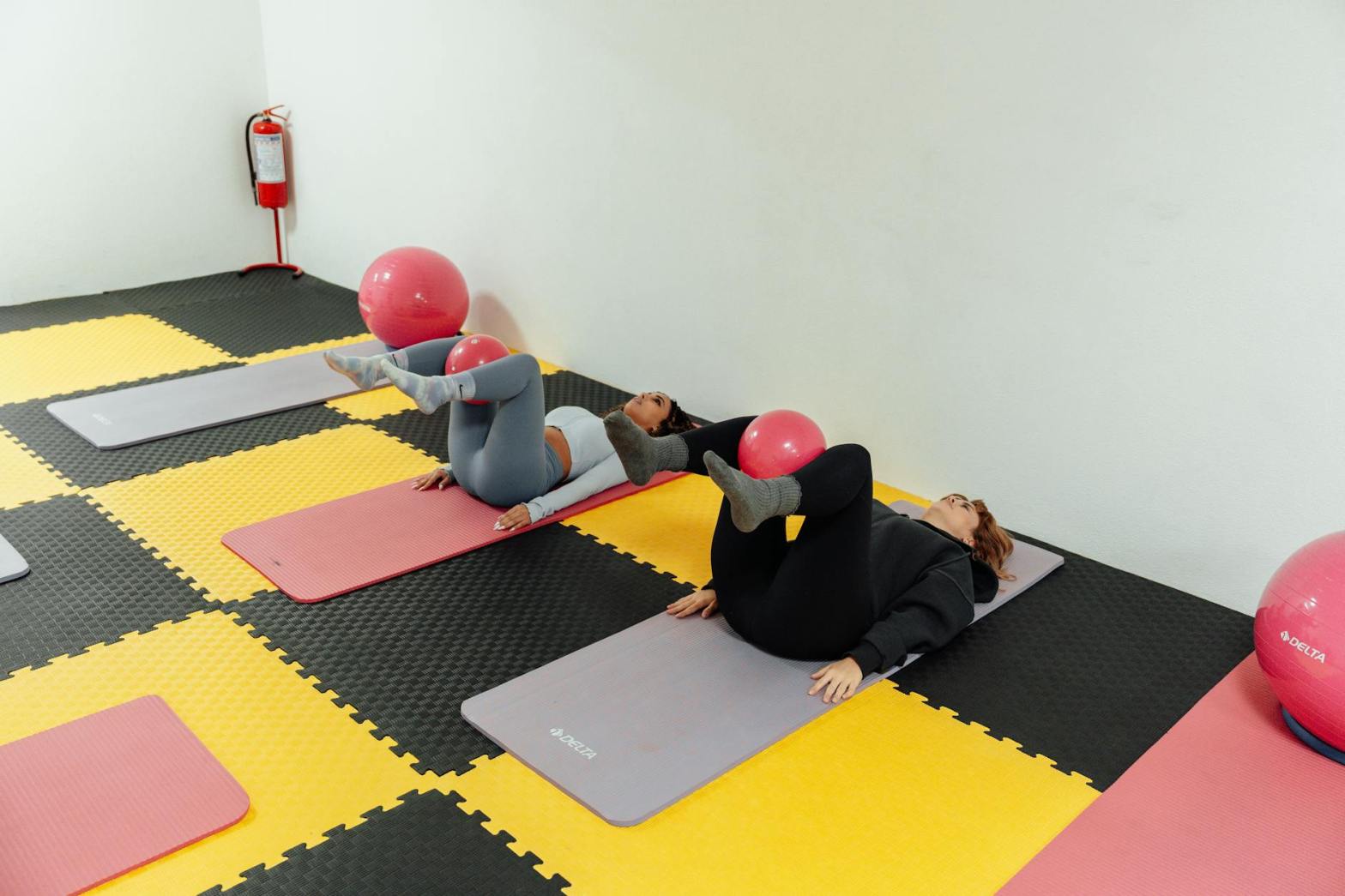
Is it your Glutes? Your Adductors? Your Calves? Your Back?
Flexibility in Exercise
Flexibility is a crucial component of overall physical fitness that often gets overlooked. It refers to the range of motion of your joints and muscles, which can greatly influence your athletic performance, injury prevention, and daily activities. Incorporating flexibility training into your exercise routine can lead to improved posture, enhanced mobility, and a greater ease in performing everyday tasks.
There are various methods to improve flexibility, including static stretching, dynamic stretching, and yoga. Static stretching involves holding a position for a set amount of time, which can help elongate muscles and increase flexibility. Dynamic stretching, on the other hand, involves moving through a range of motion, which can prepare the muscles for activity and enhances overall performance. Yoga combines elements of both techniques while also promoting relaxation and mindfulness.
To maximize the benefits of flexibility training, consider dedicating a few minutes before and after your workout to stretch. Not only will this enhance your physical capabilities, but it will also contribute to a more enjoyable exercise experience. As you progress, you may notice improvements in your range of motion and a decrease in muscle soreness post-exercise. Embrace flexibility as an essential part of your fitness journey and feel the difference it can make!
Confidence is a vital attribute that plays a significant role in personal development and overall well-being. The National Board for Health and Wellness Coaching (NBHWC) offers a comprehensive definition of confidence that is crucial for aspiring health and wellness coaches.
What is Confidence?
According to the NBHWC, confidence is defined as the belief in one’s abilities and judgment. This belief enables individuals to take action and pursue their goals with a sense of assurance. It involves trusting oneself and recognizing one’s strengths, which ultimately influences how one interacts with others and tackles challenges in both personal and professional settings.
The Importance of Confidence in Coaching
In the realm of health and wellness coaching, confidence is not just about self-assurance; it is about instilling belief in clients as well. A confident coach can inspire and motivate clients to set and achieve their health goals, fostering an environment of growth and transformation. This connection creates a supportive partnership, making confidence an essential element in the coaching relationship.
Building Confidence
The NBHWC emphasizes that confidence can be cultivated through various means, including:
Education and Training: Gaining knowledge and skills through formal education and practical experiences enhances competence and boosts confidence.
Setting Realistic Goals: Breaking down large objectives into achievable steps can help build a sense of accomplishment, reinforcing self-belief.
Positive Reinforcement: Encouragement and support from peers and mentors can significantly influence one’s confidence levels.
Self-Reflection: Regularly evaluating one’s progress and recognizing achievements, both big and small, can strengthen self-assurance.
Conclusion
Confidence, as defined by the NBHWC, is a cornerstone of effective health and wellness coaching. By developing confidence in themselves and their clients, coaches can create a motivating environment that supports positive health outcomes. In the journey of personal and professional growth, embracing confidence is essential for achieving lasting success.
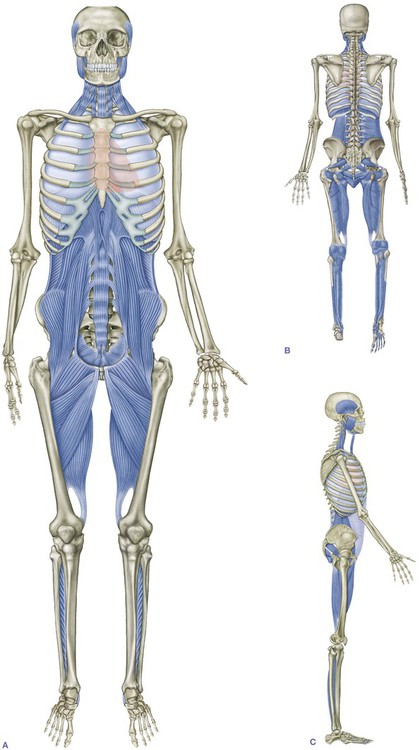
Myofascial trains refer to the interconnected lines of fascia in the body that influence movement and posture. Fascia is the connective tissue that surrounds and supports muscles, organs, and other structures. Understanding these trains can enhance our approach to bodywork, exercise, and overall wellness.
The concept of myofascial trains suggests that movement is not just localized; instead, it occurs along specific pathways within the fascial system. These pathways can affect how we carry out daily activities, respond to injuries, and maintain our overall well-being.
By recognizing the myofascial trains in our bodies, practitioners and individuals can create targeted strategies for improving flexibility, strength, and injury prevention. Techniques such as myofascial release, stretching, and proper exercise can help release tension along these lines, promoting better movement patterns and reducing pain.
Incorporating an understanding of myofascial trains into your wellness routine can lead to a more profound and integrated approach to body care, ensuring that all aspects of movement are functioning harmoniously.
Exercise plays a crucial role in healing and maintaining the body in various ways. Firstly, it promotes blood circulation, which enhances the delivery of oxygen and nutrients to tissues, facilitating recovery. Regular physical activity strengthens the heart and improves cardiovascular health, reducing the risk of chronic diseases.
Moreover, exercise stimulates the release of endorphins, the body’s natural painkillers, which can improve mood and reduce feelings of stress and anxiety. This emotional uplift can also support the healing process by fostering a positive mindset.
Additionally, engaging in physical activities can enhance flexibility, strength, and coordination, thus preventing injuries in the future. It can also aid in weight management and improve sleep quality, both of which are essential for overall health and recovery.
In summary, incorporating regular exercise into your routine not only helps heal the body but also boosts your mental well-being, laying the groundwork for a healthier lifestyle.
We’ve all heard the saying, “You are what you eat.” This phrase goes beyond mere nutrition; it encapsulates the idea that the food we consume shapes not only our physical health but also our mental well-being and identity.
When we nourish our bodies with wholesome, nutrient-dense foods, we often feel more energetic, focused, and optimistic. Conversely, a diet high in processed foods can lead to feelings of lethargy and irritability. The connection between our diet and mental health is increasingly supported by research, highlighting the significant role that food plays in our emotional stability.
Moreover, our dietary choices can also reflect our values and lifestyles. Whether it’s opting for organic, plant-based options, or indulging in comfort food during tough times, what we eat tells a story about who we are.
In essence, being mindful of our eating habits can enhance not only our health but also our quality of life. So, the next time you sit down for a meal, remember the importance of choosing foods that truly nourish you – mind, body, and spirit. After all, your plate is a reflection of you!
In today’s fast-paced world, it’s easy to get distracted by the constant influx of information and demands on our attention. Establishing a clear focus is essential for both personal and professional growth.
Finding your focus involves identifying what truly matters to you. Take the time to reflect on your passions, goals, and priorities. Are you striving for career advancement, personal development, or improved relationships? Once you’ve pinpointed these areas, you can channel your energy into making meaningful progress.
Creating a structured approach can also enhance your focus. Set specific, achievable goals and break them down into actionable steps. Utilize tools like to-do lists or time management apps to keep track of your tasks and stay organized. Remember, it’s not about doing more but doing what matters most.
Ultimately, maintaining your focus is a continual process. Regularly revisit your priorities, adjust as needed, and stay committed to your path. By honing in on your focus, you empower yourself to lead a more intentional and fulfilling life.