
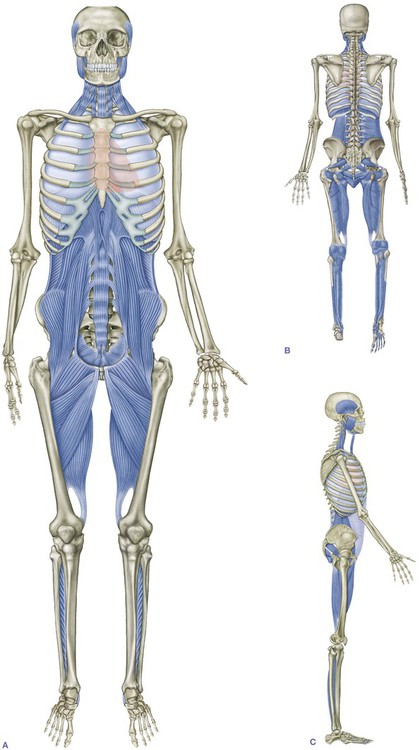
What is the Deep Frontal Line?
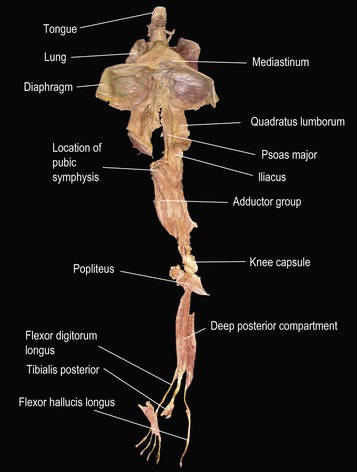
The deep frontal line is one of the key fascial lines identified by Thomas W. Myers in his influential book, “Anatomy Trains.” This line runs vertically through the body’s core, linking the deep muscles of the trunk and pelvis to the shoulder region. It is primarily associated with the muscles of the abdomen, diaphragm, and the pelvic floor, illustrating a complex web of connections that underlie our posture and movement patterns.
Anatomical Components
The deep frontal line comprises several key structures, including:
- Diaphragm: This dome-shaped muscle plays a critical role in respiration and is linked to pelvic stability.
- Transverse Abdominis: Often referred to as the body’s natural weight belt, this muscle provides vital support for the spine and pelvis.
- Pelvic Floor Muscles: These muscles support the pelvic organs and are crucial for maintaining core stability.
- Sternum and Ribs: The connection to the upper body allows for coordinated movements between the torso and limbs.
Functionality and Movement
Understanding the deep frontal line is essential for recognizing how tension and dysfunction in this area can affect overall movement. Myers emphasizes that balanced tension within this line can lead to improved postural alignment, core stability, and efficient movement patterns. Conversely, restrictions or imbalances may contribute to pain, dysfunction, and a range of musculoskeletal issues.
Clinical Relevance
For professionals in fields such as physical therapy, massage therapy, and movement education, the deep frontal line can serve as a valuable framework for assessing and addressing client needs. Techniques that enhance awareness and movement along this line—such as specific stretches, strength exercises, and integrative bodywork—can promote health and longevity in the body’s movements.
Conclusion
Thomas W. Myers’ exploration of the deep frontal line provides invaluable insights into the interconnectedness of our anatomy. By understanding and addressing this fascial line, we can enhance not only our physical performance but also our overall well-being.

 firstfitness1.com